These 27 Late-Summer August Flowers Are What Your Garden’s Missing
August is such a magical month in the garden! While summer starts to wind down, there’s still a vibrant burst of color waiting to light up our outdoor spaces.
I’ve put together a fun list of 27 plants that flower in August, perfect for adding a pop of joy to any garden. From bold blooms to delicate flowers, these picks will keep your garden lively and bright all month long!
How to Care for Plants in August
- Sow Late-Season Annuals: Add color into autumn by planting hardy annuals like calendula, cornflowers, or nigella that can handle cooler nights.
- Tidy Up Fading Perennials: Cut back spent blooms to keep borders neat and encourage fresh growth or a second flush of flowers.
- Keep Containers Hydrated: Water pots daily during hot spells and check for wilting—roots dry out fast in smaller spaces.
- Start Autumn Prep: Begin clearing any tired summer crops and refresh beds with compost to prepare for fall planting.
My Top August Flowers
Looking for the very best, brightest, boldest, and biggest flowers to fill your garden as summer draws to a close? Then these are the ones you’ll want to load your garden with:
1) Sunflower
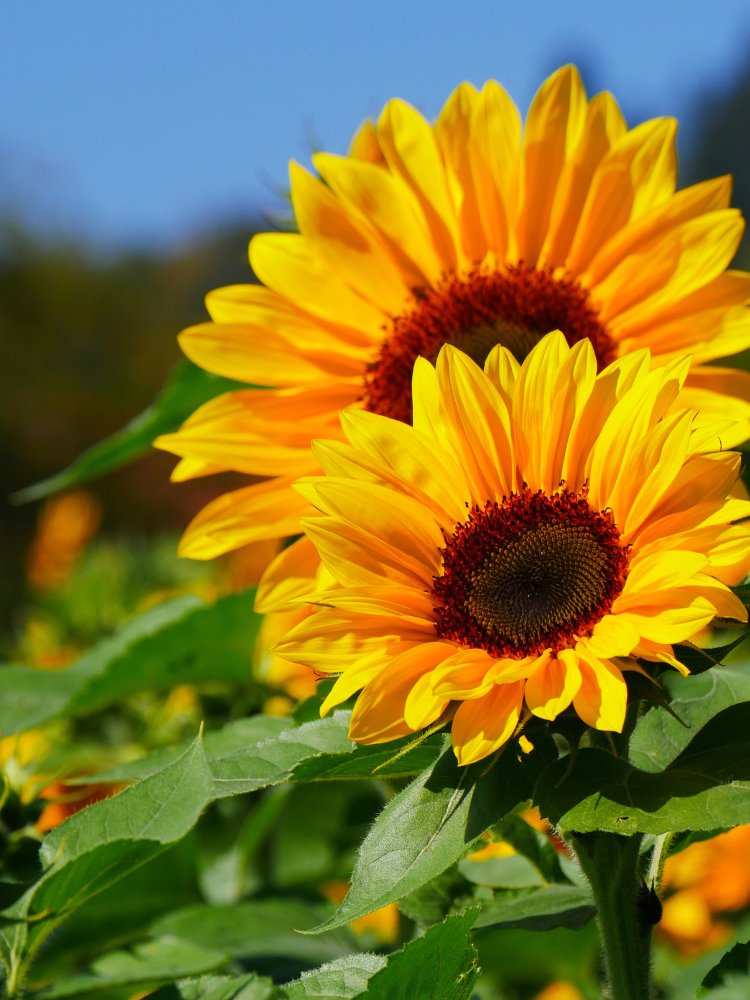
Sunflowers are the cheerful giants of the garden, often towering over other plants with their bright yellow heads. These beauties not only add a pop of color but also attract pollinators like bees and butterflies, making them a great addition for those who want a lively garden.
Sunflowers typically start blooming in mid to late summer and can easily be found flaunting their sunny faces throughout August.
They thrive in full sun and well-draining soil, making them pretty easy to care for. Just give them a little space to grow, and they will reward you with stunning blooms. Whether you go for the classic yellow or explore different hues, sunflowers are a must-have for anyone looking to brighten their garden.
Popular Varieties
- Autumn Beauty: A tall, branching sunflower with a mix of gold, bronze, and burgundy blooms—ideal for cutting gardens and visual impact. (Zones 3–9)
- Teddy Bear: A compact, double-flowered variety with fluffy golden blooms—great for containers and children’s gardens. (Zones 4–9)
- Lemon Queen: Light-yellow flowers with a pale center on tall stems—perfect for attracting bees and monarchs. (Zones 4–9)
- Mammoth: Classic giant sunflower with huge seed-filled heads—great for feeding birds and creating a natural screen. (Zones 3–9)
- Sunspot: Dwarf sunflower with large golden blooms on short stems—ideal for small spaces or border edges. (Zones 4–9)
- Italian White: Soft creamy-white petals with dark centers—adds elegance to garden beds and bouquets. (Zones 3–9)
- Ring of Fire: Bicolor petals with red bases and golden tips—striking in borders and popular with pollinators. (Zones 4–9)
2) Zinnia
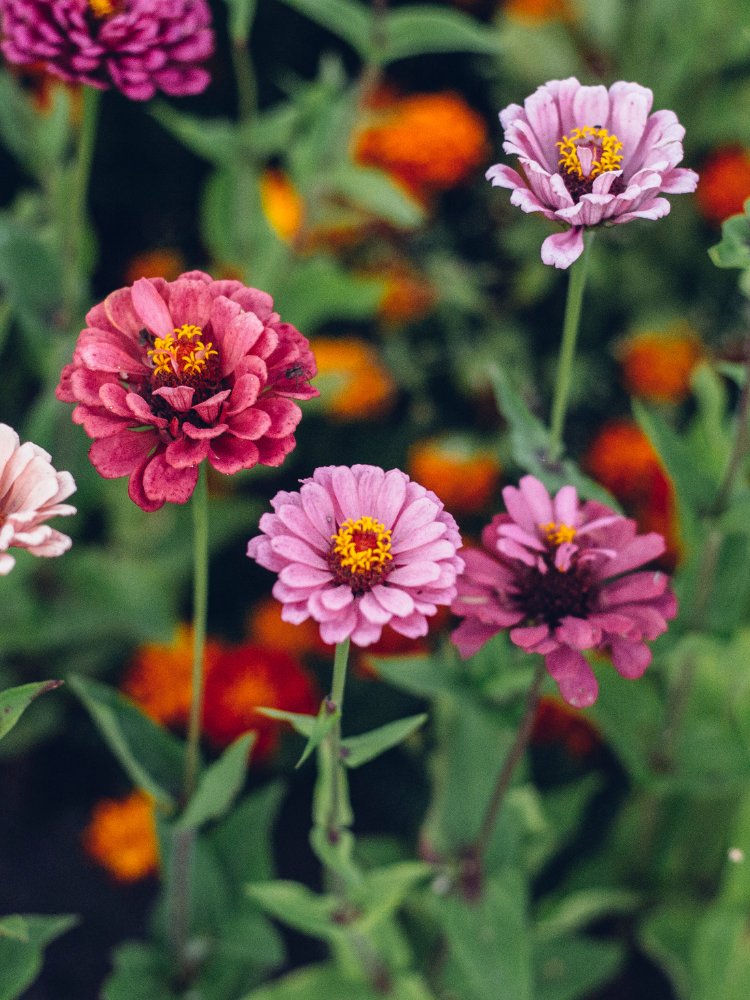
Zinnias are like the party animals of any garden! These vibrant flowers come in all sorts of colors and shapes, creating a fun and lively display. They bloom continuously throughout the summer and really hit their stride in August, providing an explosion of color in your garden. Zinnias are also fantastic for cutting gardens, as they make beautiful bouquets that can brighten up any room.
They love full sun and can tolerate drought, which makes them super low-maintenance. Plus, they’re great for attracting butterflies, making your garden a lively spot filled with fluttering friends.
Popular Varieties
- Benary’s Giant: Tall, robust plants with large double blooms in a wide color range—excellent for cutting and attracting butterflies. (Zones 3–10)
- Profusion Orange: Compact, mounding zinnia with bright orange flowers—ideal for edging and low-maintenance mass plantings. (Zones 3–9)
- Zahara Starlight Rose: White petals with a rose-pink center on disease-resistant plants—great for hot, sunny beds. (Zones 4–9)
- State Fair Mix: A classic tall mix with big, bold blooms in vibrant colors—perfect for back borders and bouquets. (Zones 3–10)
- Thumbelina: Dwarf variety with petite, colorful flowers—suitable for containers and small gardens. (Zones 4–9)
3) Aster
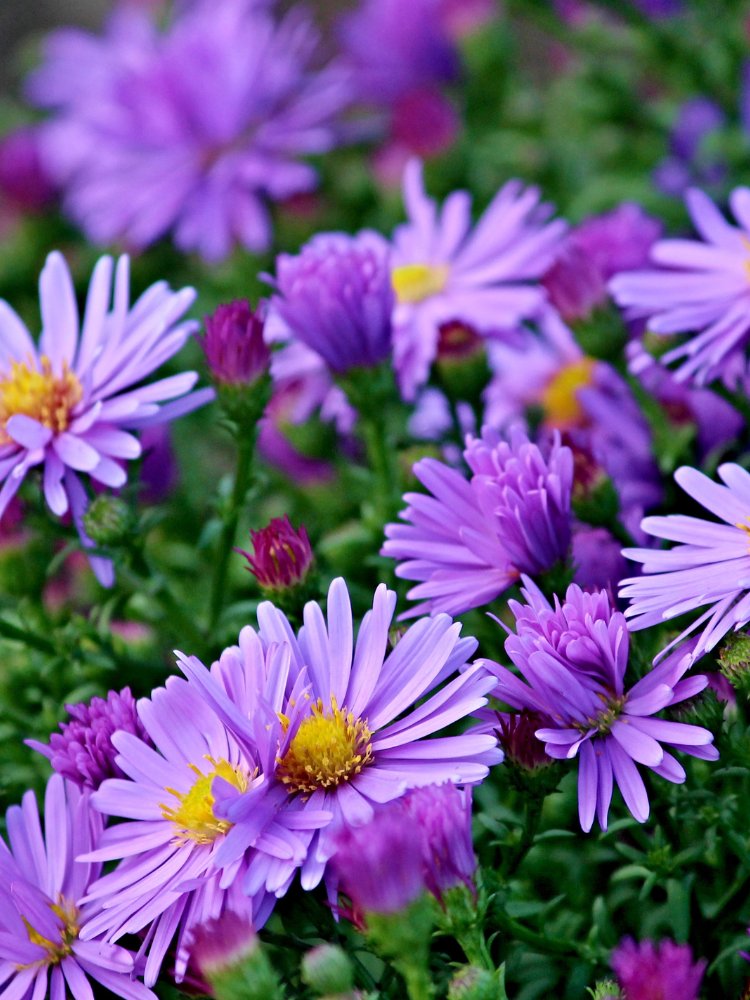
Asters are a late-summer favorite, bringing a lovely blue-purple hue to the garden just as many summer flowers start to fade. These perennial flowers are known for their star-shaped blooms (hence the name) and are fantastic at attracting pollinators. They’re also pretty resilient, making them a great choice for a wide range of climates.
Asters prefer well-drained soil and full to partial sun, making them easy to fit into various garden designs. They can add a burst of color right when you need it, making August a bit brighter.
Popular Varieties
- New England Aster: Tall, late-blooming plant with vibrant purple to pink flowers—essential for fall pollinators. (Zones 4–8)
- Wood’s Pink: Compact, mound-forming aster with soft pink blooms—ideal for borders and small gardens. (Zones 4–9)
- October Skies: Low-growing variety with sky-blue flowers and fragrant foliage—great for naturalizing and ground cover. (Zones 5–9)
4) Gladiolus
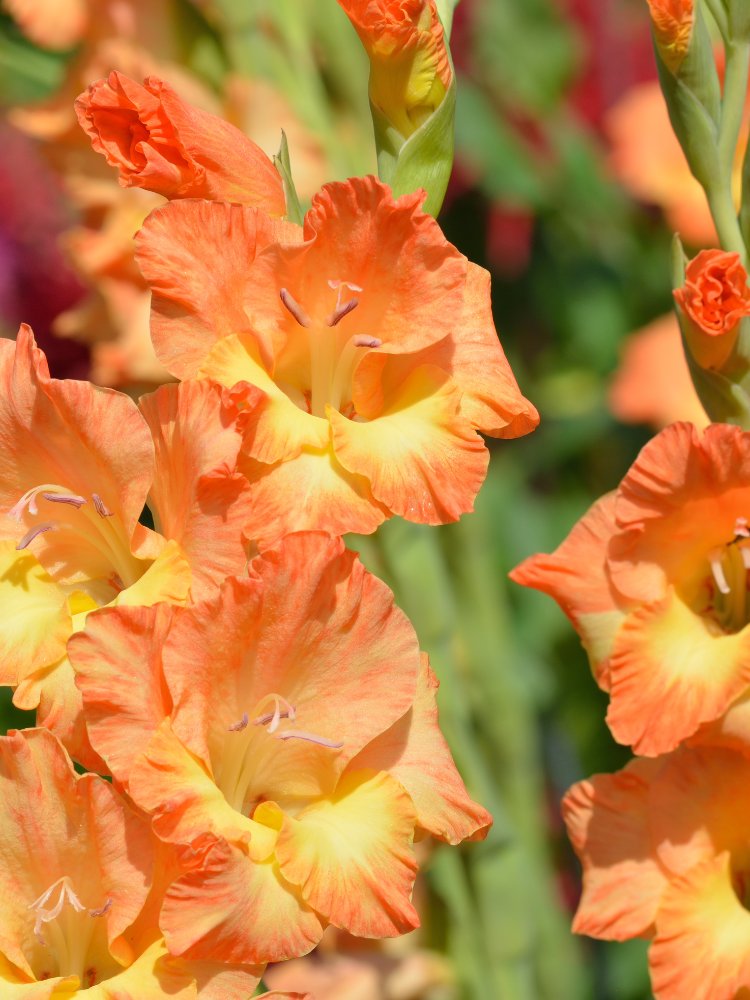
Gladiolus, or “glads” as some call them, are tall, elegant flowers that add a touch of drama to any garden. These plants bloom sequentially, meaning the flowers open one by one from the bottom up, which creates a stunning visual effect. Gladiolus come in an array of colors and can really stand out in any garden setting.
They prefer full sun and well-drained soil, and while they can be a bit more demanding in terms of care, the show they put on is absolutely worth it. Plus, they make gorgeous cut flowers!
Popular Varieties
- Black Beauty: Deep maroon to nearly black blooms on tall spikes—adds dramatic contrast to summer arrangements. (Zones 7–10)
- Peter Pears: Bright coral-orange flowers with ruffled edges—stands out in borders and cutting gardens. (Zones 7–10)
- Green Star: Pale green flowers with crisp, open form—unusual color makes it a standout in mixed plantings. (Zones 7–10)
- White Prosperity: Classic pure white blooms—elegant for weddings, formal beds, or moon gardens. (Zones 7–10)
5) Dahlia
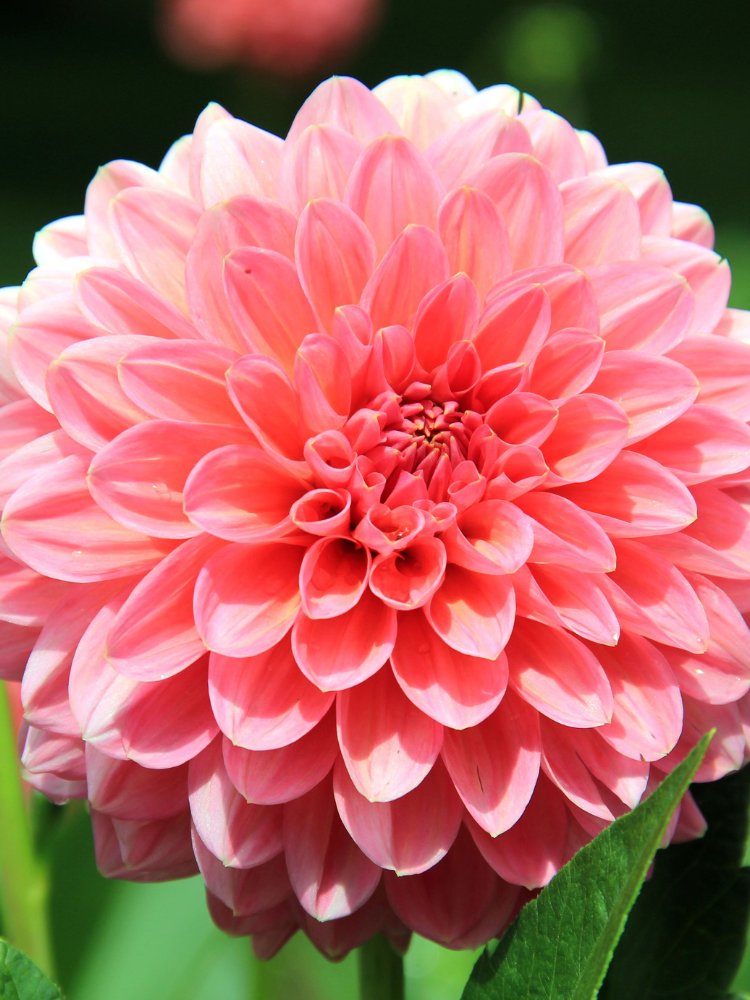
Dahlias are the divas of the flower world, boasting stunning blooms in countless shapes and colors. They’re known for their lush, full flowers that can last well into the autumn. August is prime time for dahlias, as they hit their peak bloom and provide that wow factor in any garden.
These beauties prefer full sun and rich, well-drained soil. While they do require a bit of attention, especially when it comes to watering and feeding, the payoff is beyond worth it. They’re also fantastic for cutting, making them a popular choice for floral arrangements.
Popular Varieties
- Café au Lait: Oversized blooms in soft cream to blush tones—popular for weddings and statement arrangements. (Zones 8–10)
- Bishop of Llandaff: Striking red single blooms with dark foliage—adds bold color and contrast to sunny beds. (Zones 8–10)
- Thomas Edison: Large, deep purple flowers on tall stems—excellent for cutting and dramatic garden accents. (Zones 8–10)
- Honka: Star-shaped yellow blooms with slender petals—adds a whimsical touch to borders and bouquets. (Zones 8–10)
6) Marigold
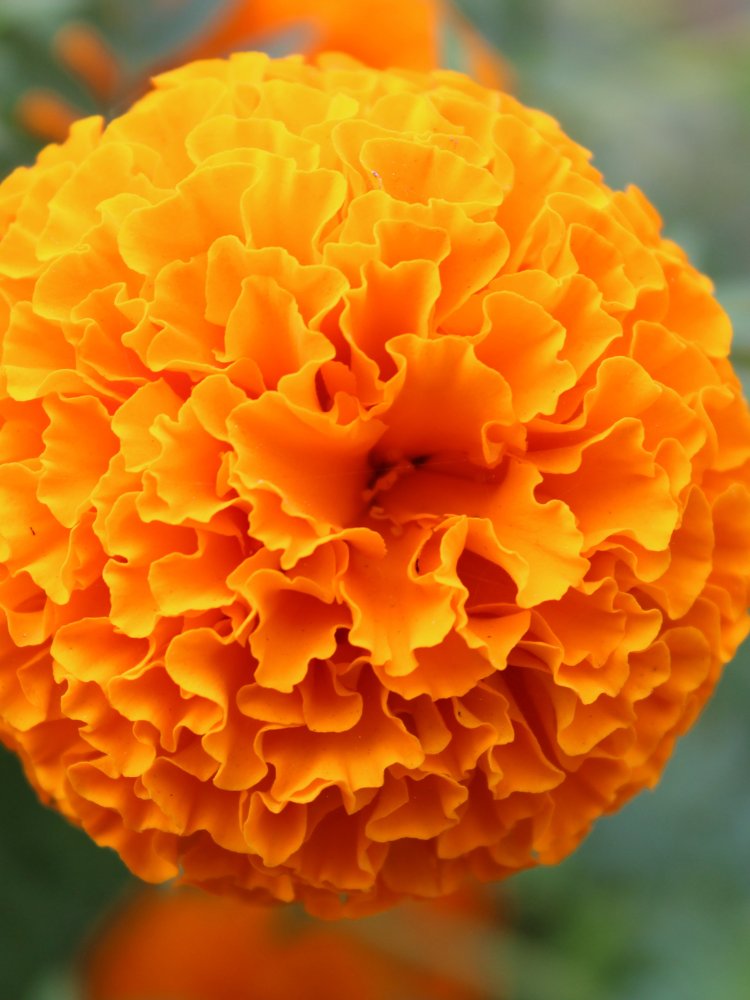
Marigolds are the garden’s best friends! Not only do they brighten up any space with their sunny orange and yellow hues, but they’re also known for their pest-repelling properties. They bloom profusely throughout the summer and keep going strong in August, making them a fantastic choice for gardeners looking for reliable color.
They thrive in full sun and can tolerate poor soil, which makes them super easy to grow. Plus, they’re great for companion planting, helping to keep your vegetable garden healthy.
Popular Varieties
- Crackerjack: Tall plants with large orange and yellow blooms—great for borders and bold garden color. (Zones 2–11)
- French Dwarf Double Mixed: Compact variety with double blooms in rich hues—ideal for edging and containers. (Zones 2–11)
- Inca II Gold: Big, full golden flowers on sturdy plants—perfect for mass plantings and heat-tolerant beds. (Zones 2–11)
7) Coneflower
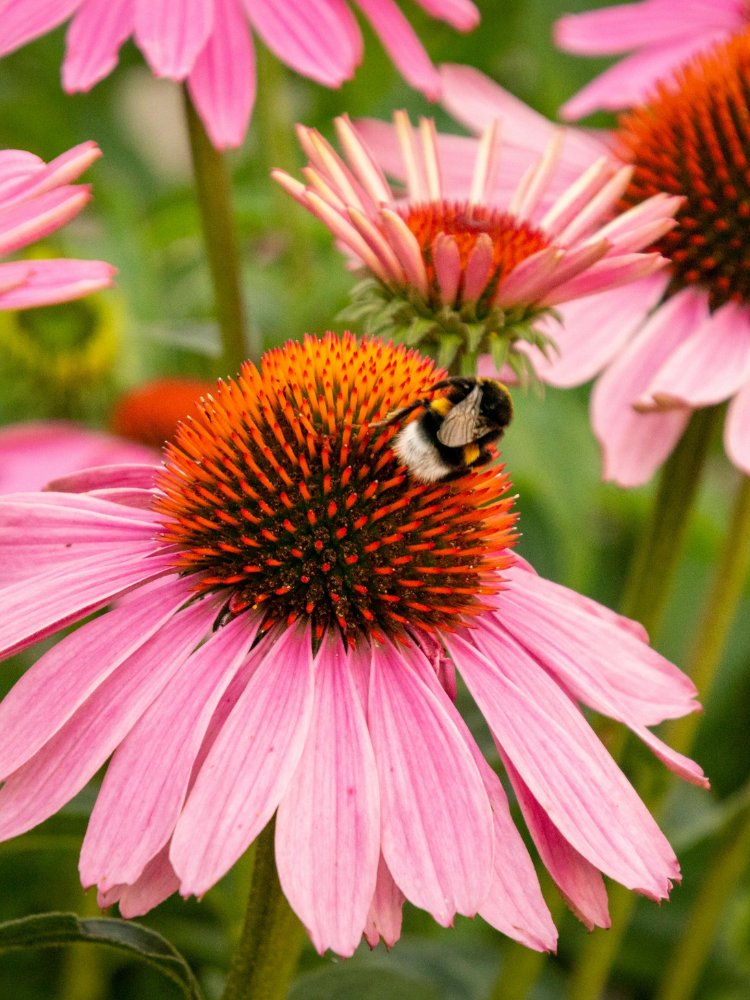
Coneflowers, or echinacea, are not just beautiful; they’re also incredibly resilient. With their daisy-like blooms and prominent central cones, they add a wildflower feel to any garden. These perennials bloom from mid-summer through August and are a favorite among bees and butterflies.
They thrive in full sun and are drought-tolerant, making them a fantastic choice for low-maintenance gardens. Once established, cone flowers will come back year after year, providing reliable color and easy care.
Popular Varieties
- PowWow Wild Berry: Vivid magenta blooms on compact, sturdy plants—perfect for borders and attracting butterflies. (Zones 3–9)
- White Swan: Elegant white petals with golden centers—adds calm contrast and blooms reliably in summer heat. (Zones 3–9)
- Green Twister: Unique petals with green tips and pink centers—eye-catching in mixed perennial beds. (Zones 4–9)
8) Black-eyed Susan
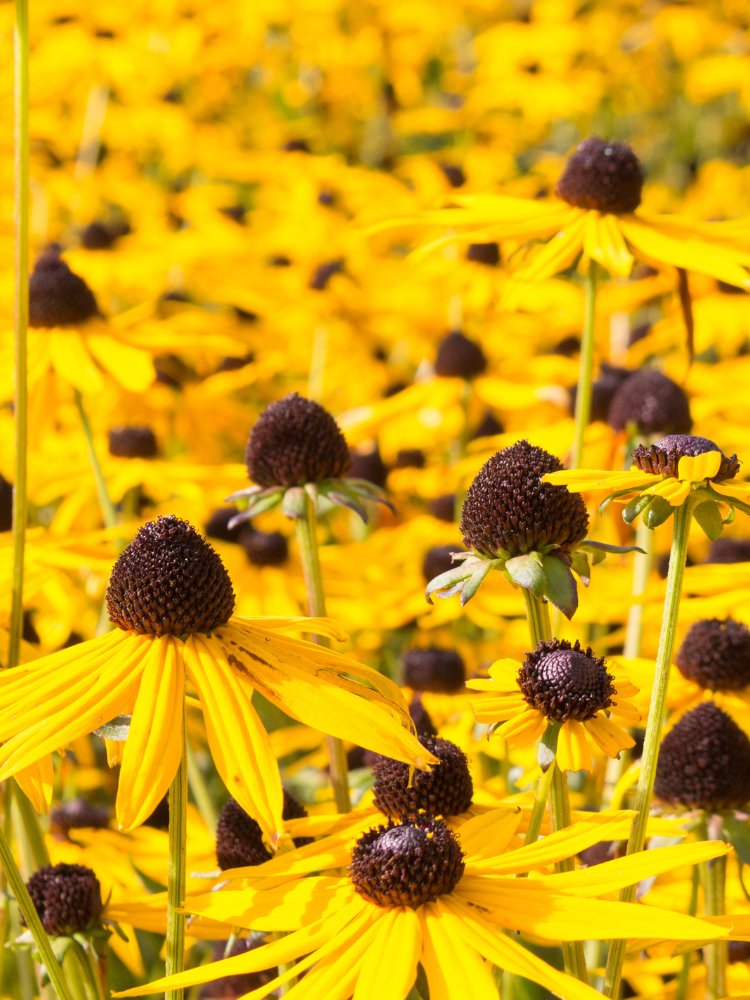
Black-eyed Susans are a staple in many gardens, known for their bright yellow petals and dark centers. These cheerful flowers bloom heavily from summer into fall, making them perfect for August. They attract various pollinators, including bees and butterflies, enhancing the biodiversity of your garden.
They thrive in full sun and are quite drought-tolerant once established. Plus, they’re pretty easy to care for, making them a popular choice for both beginner and experienced gardeners.
Popular Varieties
- Goldsturm: Classic variety with deep yellow petals and dark cones—long-blooming and highly reliable in borders. (Zones 3–9)
- Little Goldstar: Compact and bushy with masses of golden blooms—ideal for small gardens and edging. (Zones 4–9)
- Indian Summer: Large, sunflower-like flowers with bright yellow petals—great for bold color and cut arrangements. (Zones 3–7)
- Cherokee Sunset: Double and semi-double blooms in shades of orange, bronze, and red—adds warmth and texture to beds. (Zones 5–9)
- Prairie Sun: Unique pale yellow petals with green centers—striking in mixed borders and great for cutting. (Zones 5–9)
9) Bee Balm
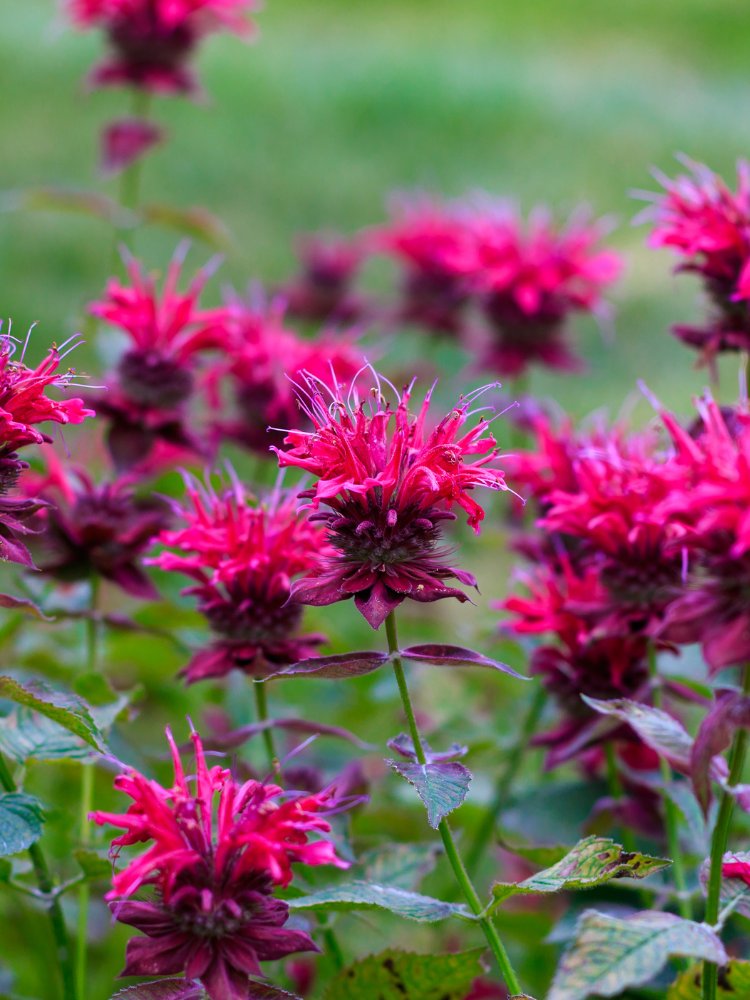
Bee balm is a fantastic choice for not only its beauty but also its ability to attract pollinators. With its vibrant red, pink, and purple flowers, it adds a splash of color to your garden in August. This perennial is also known for its fragrant leaves, which can be used in teas!
Bee balm thrives in full sun to partial shade and loves moist, well-draining soil. It can spread quite a bit, so give it some room to grow! The best part? It’s excellent for attracting bees, butterflies, and hummingbirds.
Popular Varieties
- Jacob Cline: Tall, vigorous red-flowering variety—excellent for hummingbirds and bold summer color. (Zones 4–9)
- Petite Delight: Compact form with lavender-pink blooms—ideal for small spaces and container gardens. (Zones 3–8)
- Raspberry Wine: Deep wine-red flowers on dark stems—adds richness and attracts butterflies. (Zones 4–9)
- Marshall’s Delight: Bright pink blooms with good mildew resistance—great for perennial borders. (Zones 3–9)
- Purple Rooster: Rich purple flowers on sturdy, upright stems—stands out in rain gardens and native plantings. (Zones 3–8)
- Lambada: Whorled lavender and white blooms with lacy foliage—beautiful in wildflower gardens and bouquets. (Zones 4–9)
- Croftway Pink: Pale pink flowers on aromatic foliage—lovely in cottage gardens and pollinator beds. (Zones 4–9)
10) Hydrangea
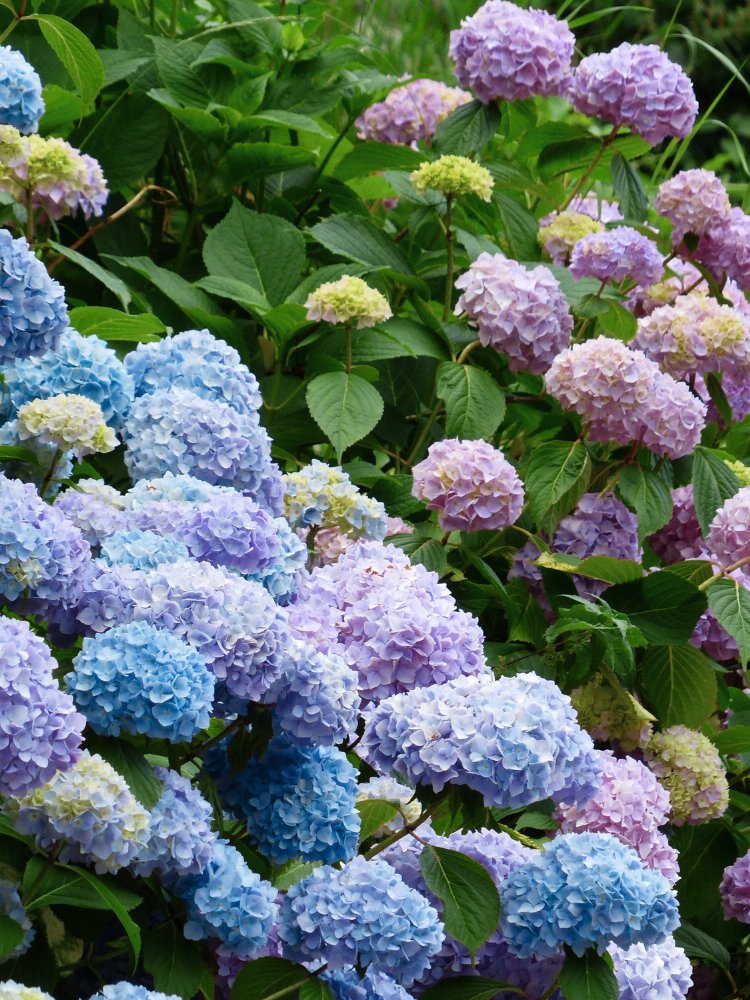
Hydrangeas are the show-stoppers of the garden, with their big, fluffy blooms that come in various colors. Depending on the variety, they can bloom from early summer through to fall, but many are at their best in August. These plants can provide a stunning backdrop and are perfect for shaded garden areas.
They thrive in well-drained soil and prefer some protection from the hot afternoon sun. With the right care, hydrangeas can provide beautiful blooms year after year.
Popular Varieties
- Limelight: Large, cone-shaped lime-green blooms that age to pink—excellent for hedges and late-summer interest. (Zones 3–9)
- Endless Summer: Reblooming variety with large blue or pink mopheads depending on soil pH—great for continuous color. (Zones 4–9)
- Annabelle: Classic white blooms on a smooth hydrangea—ideal for shade gardens and naturalized plantings. (Zones 3–9)
- Little Lime: Dwarf version of Limelight with the same vibrant blooms—perfect for smaller spaces. (Zones 3–9)
- Twist-n-Shout: Lacecap flowers in pink or blue with strong stems—adds structure and a long bloom season. (Zones 4–9)
- Fire Light: Cone-shaped white flowers that turn to deep pink-red—striking in full sun and tough conditions. (Zones 3–8)
Popular Reads
11) Phlox
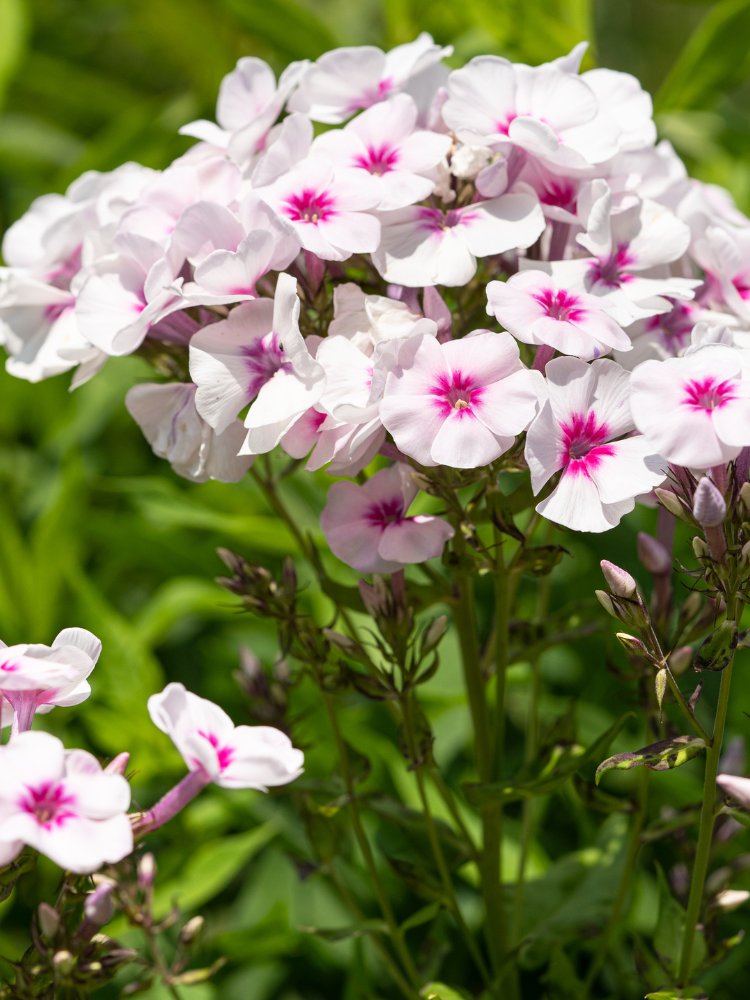
Phlox is a perennial favorite, known for its vibrant clusters of flowers that bloom in a variety of colors. They typically bloom from summer through early fall, with August being a peak time for their gorgeous displays. Phlox is fantastic for attracting butterflies and adds a delightful scent to any garden.
They thrive in full sun and prefer well-drained soil. With a little care, they can spread and create lovely mounds of color in your garden.
Popular Varieties
- David: Tall, pure white blooms with strong fragrance and mildew resistance—excellent for brightening back borders. (Zones 4–8)
- Laura: Vibrant purple petals with white centers—adds bold color and contrast in perennial beds. (Zones 4–8)
- Blue Paradise: Rich blue-violet flowers that deepen in the evening—ideal for cottage gardens and twilight appeal. (Zones 3–8)
- Jeana: Light lavender-pink blooms in dense clusters—exceptional for attracting butterflies and disease resistance. (Zones 4–8)
- Candy Stripe: Low-growing ground cover with pink-and-white striped flowers—perfect for edging and rock gardens. (Zones 3–9)
12) Heliopsis
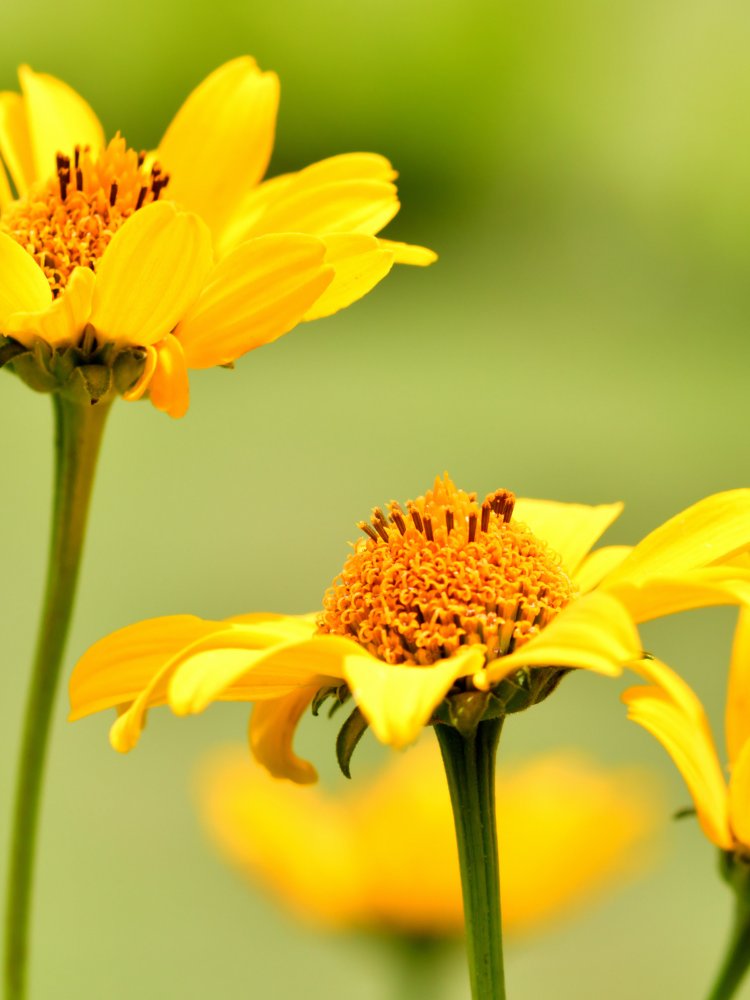
Heliopsis, often called false sunflower, is a reliable perennial that blooms continuously from mid-summer into fall. With bright yellow flowers that resemble traditional sunflowers, they add a splash of sunshine to your garden in August. These plants are not just pretty; they are also drought-tolerant and easy to care for.
They thrive in full sun and can handle poor soil conditions quite well. Heliopsis is great for attracting pollinators and can be used in borders or as a backdrop in flower beds.
Popular Varieties
- Summer Sun: Tall, bushy plant with bright golden-yellow daisy-like blooms—reliable for long-lasting summer color. (Zones 3–9)
- Tuscan Sun: Compact form with rich yellow flowers and dark centers—ideal for smaller gardens and borders. (Zones 4–9)
- Burning Hearts: Striking bicolor blooms with red centers and gold tips—adds vibrant contrast and attracts pollinators. (Zones 3–9)
- Loraine Sunshine: Unique variegated foliage with pale yellow flowers—offers both leaf interest and floral display. (Zones 4–9)
- Venus: Deep yellow, semi-double flowers on sturdy stems—excellent for cutting and heat-tolerant plantings. (Zones 3–9)
13) Coreopsis
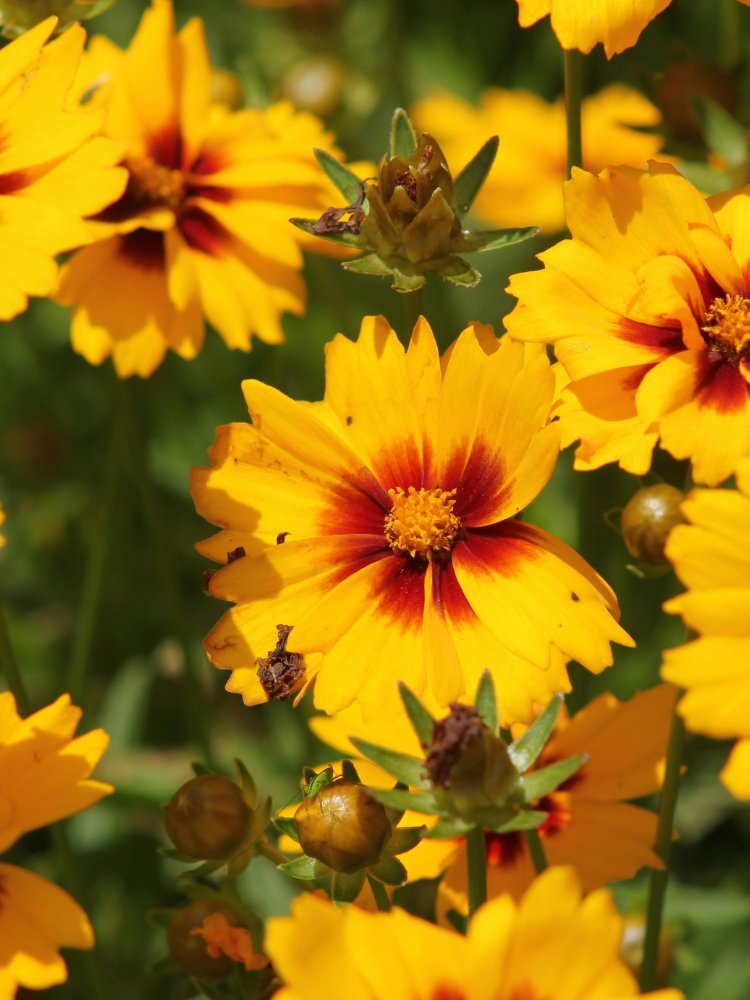
Coreopsis, or tickseed, is a cheerful flower that brings a sunny disposition to any garden. These easy-to-grow perennials bloom profusely from summer through fall, with August being prime time for their bright yellow and orange blooms. They’re great for attracting butterflies and hummingbirds, making your garden a lively spot.
They prefer full sun and are quite drought-tolerant once established. Plus, they don’t require a lot of care, making them perfect for busy gardeners.
Popular Varieties
- Moonbeam: Soft yellow, threadleaf blooms on airy foliage—ideal for edging and long-blooming low-maintenance beds. (Zones 4–9)
- Zagreb: Bright golden-yellow flowers on compact, fine-textured plants—great for drought-tolerant borders. (Zones 4–9)
- Early Sunrise: Semi-double golden blooms with a long flowering season—perfect for mass plantings and pollinator appeal. (Zones 4–9)
14) Salvia
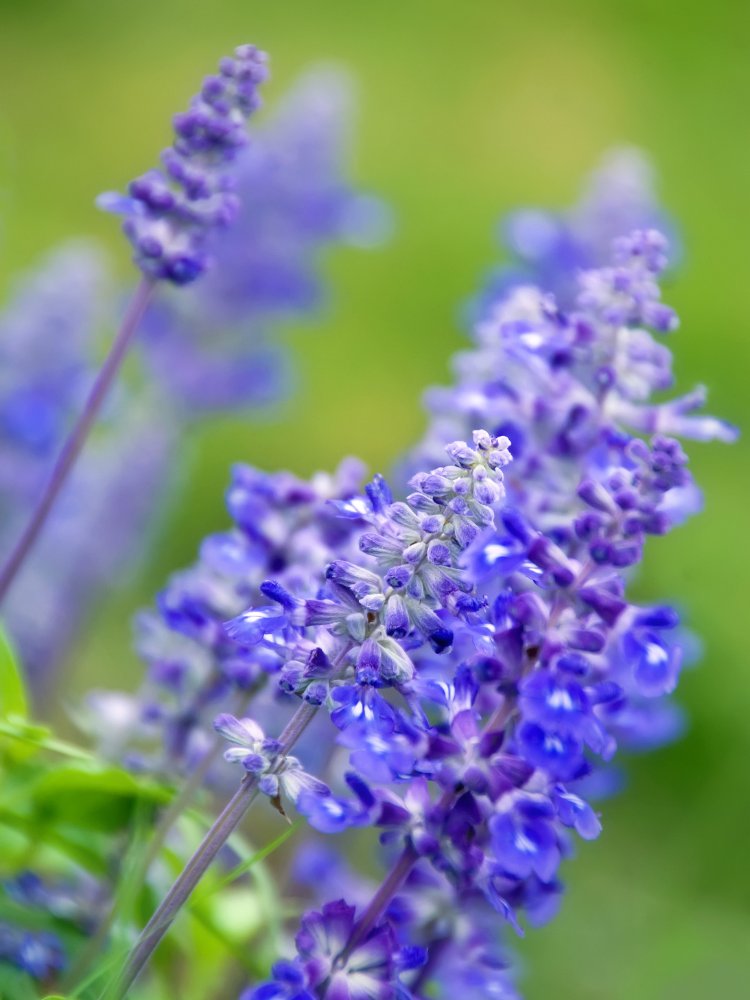
Salvia is a versatile perennial that blooms vibrantly in August with spikes of colorful flowers. From blues to purples, salvias are not only beautiful but also attract hummingbirds and bees, making them a great addition to pollinator gardens. They are also known for their aromatic foliage, which can be a lovely bonus!
These plants thrive in full sun and prefer well-drained soil. They are drought-tolerant once established, making them low-maintenance options for busy gardeners.
Popular Varieties
- May Night: Deep violet-purple flower spikes on compact, sturdy plants—long-blooming and loved by pollinators. (Zones 4–9)
- Hot Lips: Red and white bicolor blooms on a shrubby form—great for heat, drought, and hummingbird gardens. (Zones 7–10)
- Caradonna: Elegant spikes with deep blue-purple flowers and dark stems—adds vertical interest to sunny borders. (Zones 4–9)
- Victoria Blue: Bright blue flower spikes with a tidy form—ideal for edging and containers. (Zones 4–9)
- Amistad: Tall variety with rich purple blooms—excellent for bold color and continuous hummingbird activity. (Zones 8–10)
- Snow Hill: Clean white flowers on compact plants—provides contrast and brightness in mixed beds. (Zones 4–9)
- Roman Red: Vivid red flowers on upright stems—adds intensity and is highly attractive to hummingbirds. (Zones 7–10)
15) Verbena
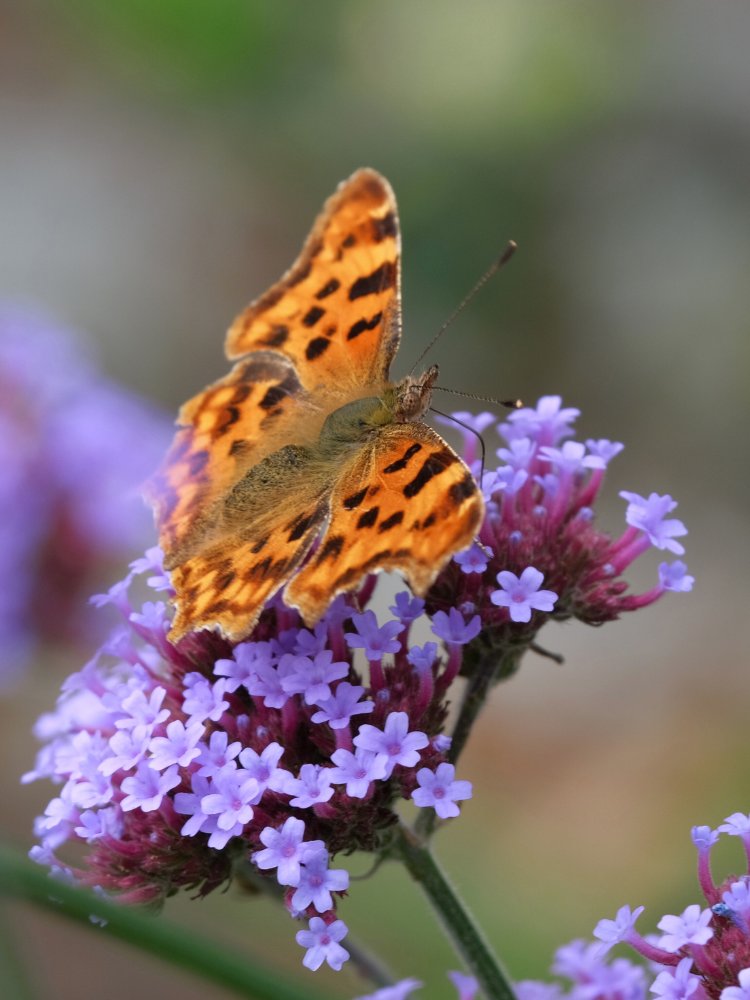
Verbena is a charming flowering plant that brings a cascade of colors to hanging baskets and borders in August. These low-growing plants produce clusters of small flowers that come in various shades, attracting butterflies and bees. They are known for their long blooming period and are perfect for adding color to containers.
They thrive in full sun and are quite drought-tolerant, making them easy to care for. Plus, they can trail beautifully, making them ideal for window boxes and hanging baskets.
Popular Varieties
- Homestead Purple: Spreading ground cover with vibrant purple blooms—great for erosion control and summer color. (Zones 7–10)
- Lollipop: Compact form of tall verbena with lavender flower clusters—ideal for containers and mixed borders. (Zones 6–10)
- Lanai Red: Trailing variety with bold red blooms—perfect for hanging baskets and sunny patio displays. (Zones 9–11)
16) Morning Glory
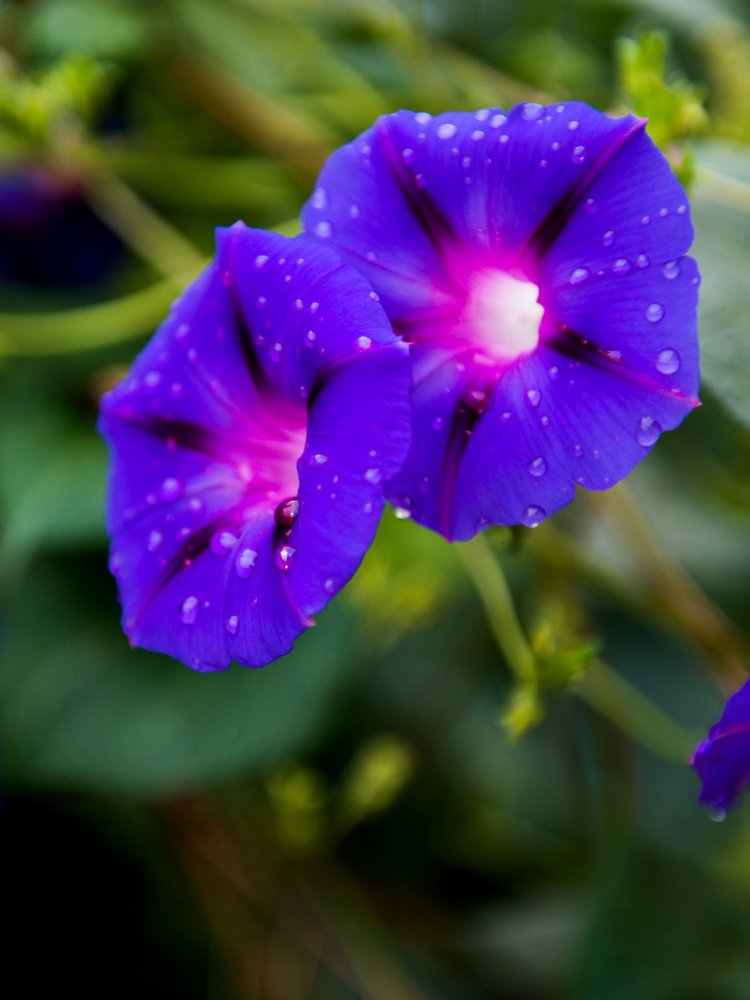
Morning Glories are the perfect way to add vertical interest to your garden. These climbing plants bloom with stunning, trumpet-shaped flowers that open in the morning and close by afternoon. They create a beautiful display throughout the summer and into August, adding a pop of color to fences and trellises.
They thrive in full sun and prefer well-drained soil. With their rapid growth, morning glories can quickly cover structures and provide some beautiful greenery.
Popular Varieties
- Heavenly Blue: Classic sky-blue blooms with white throats—fast-growing and stunning on trellises or fences. (Zones 3–10)
- Grandpa Ott’s: Deep purple flowers with a red star-shaped throat—vigorous heirloom variety for dramatic color. (Zones 3–10)
- Scarlett O’Hara: Bright scarlet-red blooms with a white center—attracts hummingbirds and makes a striking screen. (Zones 3–10)
- Flying Saucers: Swirled blue-and-white striped flowers—unique and eye-catching on vertical supports. (Zones 3–10)
- Pearly Gates: Pure white blossoms on lush green vines—ideal for moon gardens and evening appeal. (Zones 3–10)
17) Lantana
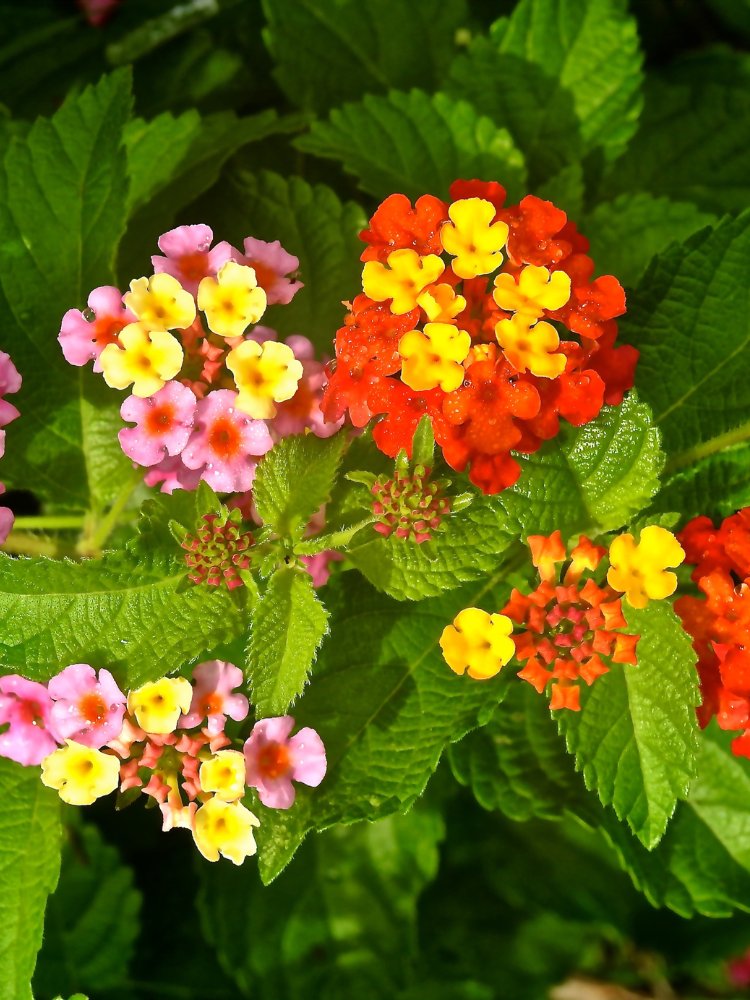
Lantanas are beloved for their bright, multi-colored flower clusters that bloom from summer through fall. These hardy plants are renowned for attracting butterflies and other pollinators, making them a great addition to any garden. They thrive in the heat and bloom most profusely in August.
They love full sun and can tolerate drought, making them excellent for low-maintenance gardens. Plus, they can be used as ground cover or in containers for vibrant, cheerful displays.
Popular Varieties
- Miss Huff: Hardy perennial with multicolored blooms in orange, pink, and yellow—excellent for heat, drought, and pollinators. (Zones 7–11)
- New Gold: Low-growing with bright golden-yellow flower clusters—ideal for ground cover or cascading over walls. (Zones 9–11)
- Bandana Cherry: Compact form with vivid cherry red and pink blooms—great for containers and sunny borders. (Zones 8–11)
18) Sedum
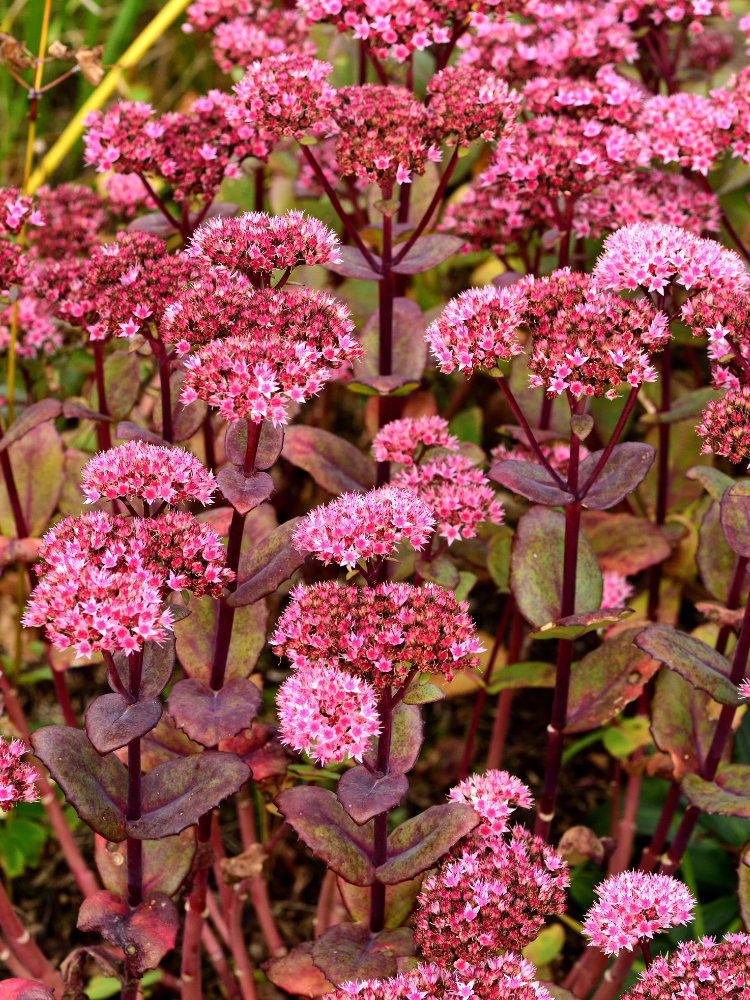
Sedum, or stonecrop, is a succulent that brings a unique look to gardens. With their fleshy leaves and star-shaped flowers, they add texture and color throughout the summer, especially in August. Many sedum varieties are drought-tolerant, making them perfect for low-water gardens or rock gardens.
They thrive in full sun and well-drained soil, and once established, they require very little care. Plus, they’re great for attracting pollinators!
Popular Varieties
- Autumn Joy: Upright variety with pink flower heads that deepen to bronze—great for fall interest and pollinators. (Zones 3–9)
- Dragon’s Blood: Low-growing ground cover with red-tinged foliage and crimson flowers—ideal for rock gardens and edging. (Zones 3–9)
- Lemon Ball: Mounding, chartreuse succulent foliage with yellow star-shaped blooms—stands out in sunny borders. (Zones 7–11)
- Purple Emperor: Deep purple foliage with rosy-pink flowers—striking in mixed beds and drought-tolerant designs. (Zones 4–9)
- Blue Spruce: Spiky blue-gray foliage with yellow flowers—resembles a conifer and thrives in poor soil. (Zones 4–9)
- Matrona: Tall with burgundy stems and pale pink flower heads—adds height and contrast to perennial borders. (Zones 3–9)
- Angelina: Bright golden-green foliage with orange tips in cool weather—fast-spreading and great for slopes. (Zones 5–9)
19) Russian Sage
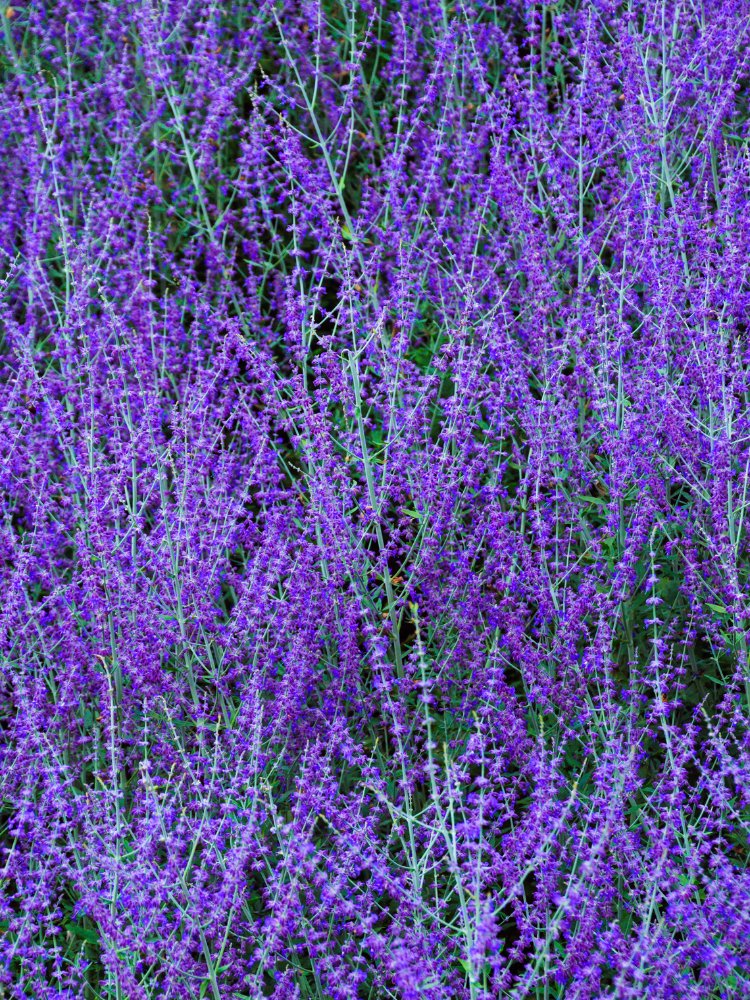
Russian Sage is a stunning perennial that brings a soft, silvery color to gardens. With its tall, airy spikes of lavender-blue flowers, it creates a beautiful contrast against darker foliage. It blooms from mid-summer into fall, making August a key time for this beauty to shine.
They thrive in full sun and are drought-tolerant, making them easy to care for. Plus, they are great for attracting butterflies and other pollinators.
Popular Varieties
- Little Spire: Compact form with silvery foliage and lavender-blue flower spikes—perfect for small gardens and dry borders. (Zones 4–9)
- Blue Spire: Tall and airy with abundant purple-blue blooms—excellent for back borders and pollinator support. (Zones 4–9)
- Denim ‘n Lace: Upright and tidy with bright periwinkle-blue flowers and lacy foliage—ideal for heat and drought tolerance. (Zones 4–9)
20) Tithonia
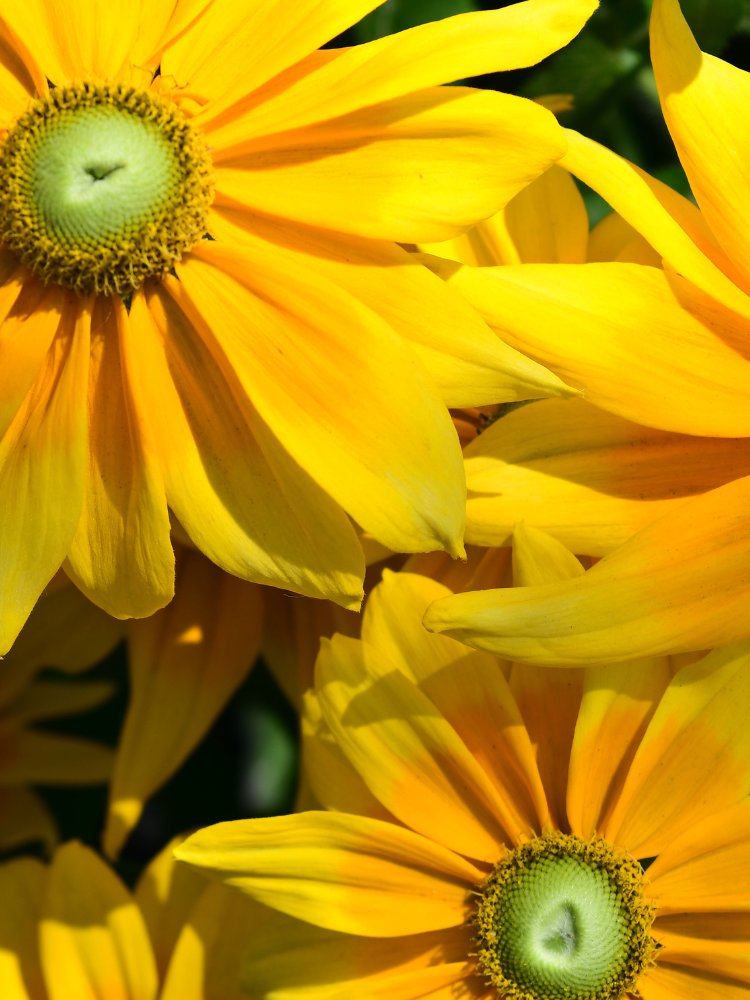
Tithonia, or Mexican sunflowers, are known for their vibrant orange blooms that attract both butterflies and hummingbirds. These annuals bloom heavily in August, delivering bright bursts of color to your garden. They can grow quite tall and make beautiful backdrops in flower beds.
They thrive in full sun and prefer well-drained soil. Plus, they add a tropical feel to any garden, making them a fun addition to the summer landscape.
Popular Varieties
- Torch: Classic variety with bright orange, daisy-like blooms on tall, bushy plants—excellent for attracting butterflies and hummingbirds. (Zones 2–11)
- Goldfinger: Compact form with vivid orange flowers—ideal for smaller gardens and container displays. (Zones 3–10)
- Fiesta del Sol: Dwarf variety with deep orange blooms—perfect for edging and continuous summer color. (Zones 3–10)
21) Cosmos
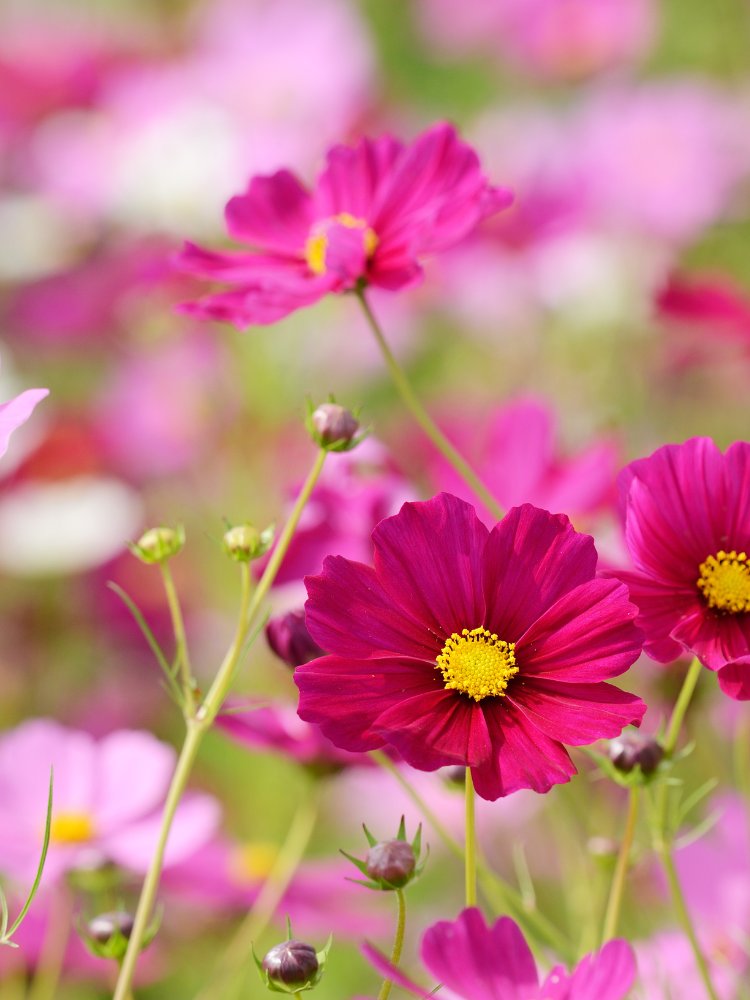
Cosmos are beloved for their charming, daisy-like flowers that come in various colors, including pink, white, and orange. They typically bloom from summer to fall, with August being a prime time for their bright displays. These carefree flowers are great for attracting bees and butterflies.
They thrive in full sun and can tolerate poor soil, making them easy to grow in various conditions. Plus, they have a lovely airy quality that adds a relaxed vibe to any garden.
Popular Varieties
- Sensation Mix: Tall, airy plants with large single blooms in pink, white, and crimson—ideal for wildflower gardens and cutting. (Zones 2–11)
- Cupcake Blush: Unique cupped petals in pale pink with a soft, ruffled look—adds whimsy to borders and bouquets. (Zones 3–10)
- Double Click Rose Bonbon: Fully double rose-pink flowers on tall stems—perfect for floral arrangements and cottage gardens. (Zones 3–10)
- Cosmic Orange: Compact plants with vivid orange blooms—great for containers and continuous hot-season color. (Zones 3–10)
- Rubenza: Rich wine-red flowers that fade to soft rose—striking in mass plantings and butterfly gardens. (Zones 3–10)
22) Cleome
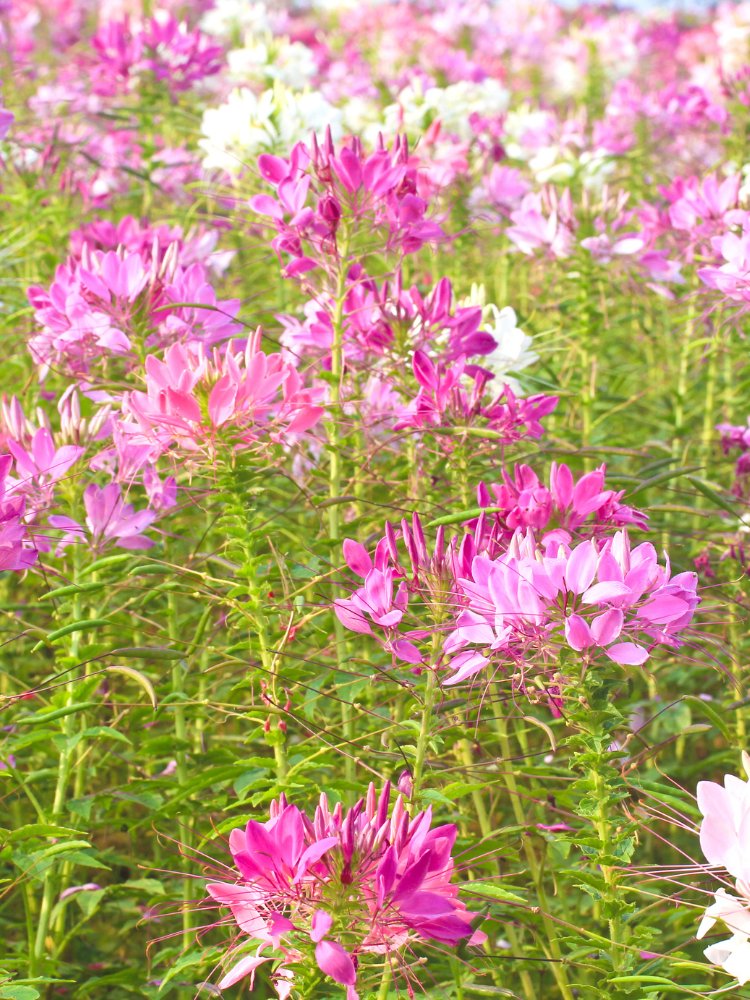
Cleome, also known as spider flower, adds a unique texture to any garden with its tall, spiky flowers and unusual shape. These plants bloom from summer through fall, with August being a peak time for their striking displays. They are known for attracting butterflies and other pollinators.
Cleome prefers full sun and well-drained soil, and they can tolerate some drought once established. They add height and a soft, whimsical touch to flower beds.
Popular Varieties
- Sparkler Blush: Compact variety with soft pink blooms and refined foliage—ideal for containers and small garden beds. (Zones 10–11)
- Rose Queen: Tall, airy plant with bright pink flower clusters and spidery stamens—perfect for back borders and pollinator appeal. (Zones 10–11)
- Helen Campbell: Elegant white blooms with a delicate fragrance—great for moon gardens and evening interest. (Zones 10–11)
- Senorita Rosalita: Thornless and sterile form with lavender-pink flowers—blooms continuously and doesn’t self-seed. (Zones 10–11)
23) Balloon Flower
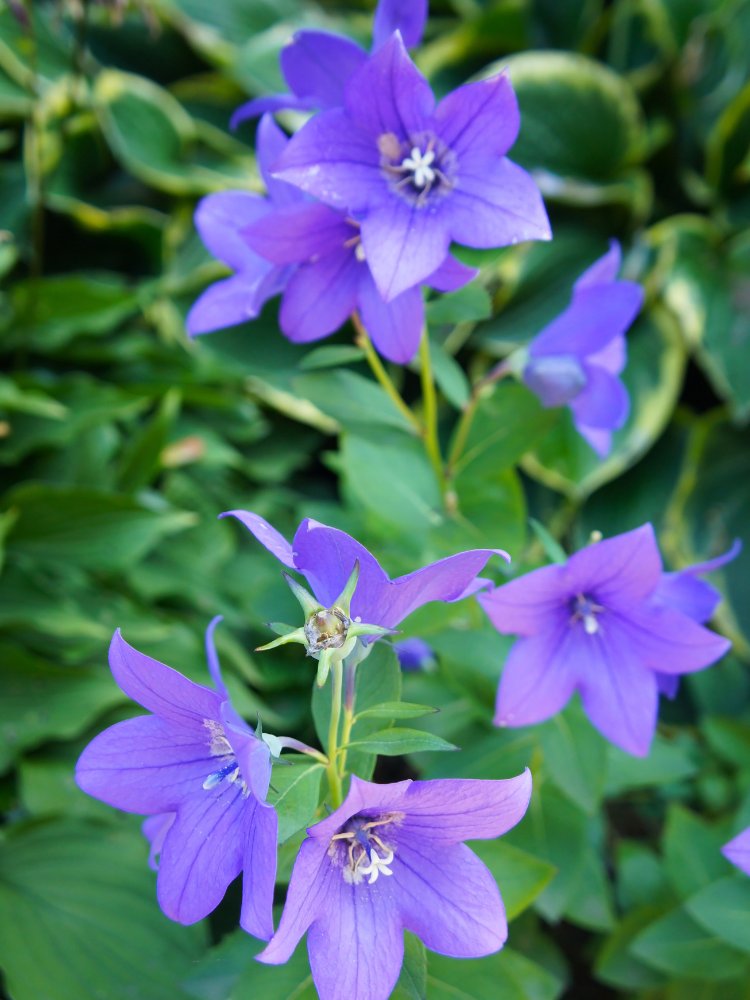
Balloon flowers are known for their unique balloon-shaped buds that open into lovely star-shaped flowers. They bloom in late summer, making August a key time for these charming perennials. Their blue and purple hues add a gentle touch to garden beds.
They thrive in full sun to partial shade and prefer well-drained soil. Once established, they are quite low-maintenance, making them a lovely addition to any garden.
Popular Varieties
- Sentimental Blue: Classic star-shaped blue flowers with a balloon-like bud—compact and reliable for borders. (Zones 3–8)
- Pink Parfait: Soft pink blooms with balloon buds—adds delicate color to perennial gardens and containers. (Zones 3–8)
- Showtime White: Pure white flowers on sturdy stems—brightens shady spots and pairs well with dark foliage. (Zones 3–8)
- Royal Purple: Deep violet-blue blooms with striking balloon buds—excellent for vertical interest and pollinators. (Zones 3–8)
- Mariesii: Traditional blue flowers with large inflated buds—ideal for naturalized areas and wildflower gardens. (Zones 3–8)
- Pink Octopus: Unusual, ruffled pink flowers—adds texture and charm to mixed perennial beds. (Zones 3–8)
- Cherry Rose: Vibrant rosy-pink blooms on compact plants—perfect for container growing and cottage gardens. (Zones 3–8)
24) Canna Lily
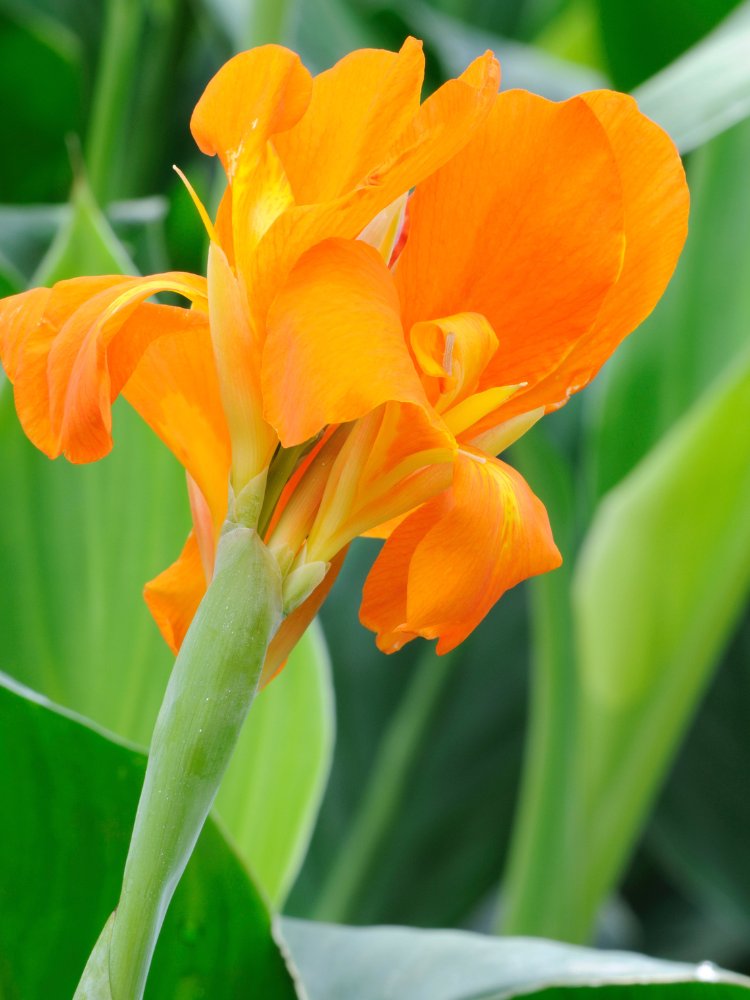
Canna lilies bring a touch of the tropics to any garden with their bold foliage and stunning flowers. These vibrant plants bloom from summer through fall, with August being a key time for their showy display. Their large leaves and bright blooms make them a focal point in any garden.
They thrive in full sun and prefer moist, well-drained soil. Cannas can also be grown in containers, making them versatile for any garden setting.
Popular Varieties
- Tropicanna: Bold foliage with red and green stripes and bright orange flowers—adds tropical flair and drama to sunny spots. (Zones 7–10)
- Pretoria: Tall plants with large, bright orange blooms—excellent for background plantings and cut flowers. (Zones 7–10)
- Australia: Deep red flowers on compact plants—great for containers and adding rich color to borders. (Zones 7–10)
- Cleopatra: Striking yellow flowers with red markings—brings warmth and brightness to summer gardens. (Zones 7–10)
- Durban: Fiery red blooms with large green leaves—ideal for tropical-themed landscapes and poolsides. (Zones 7–10)
- Pink Citrus: Soft pink flowers with subtle orange tones—adds a gentle pop of color to mixed beds. (Zones 7–10)
25) Lobelia
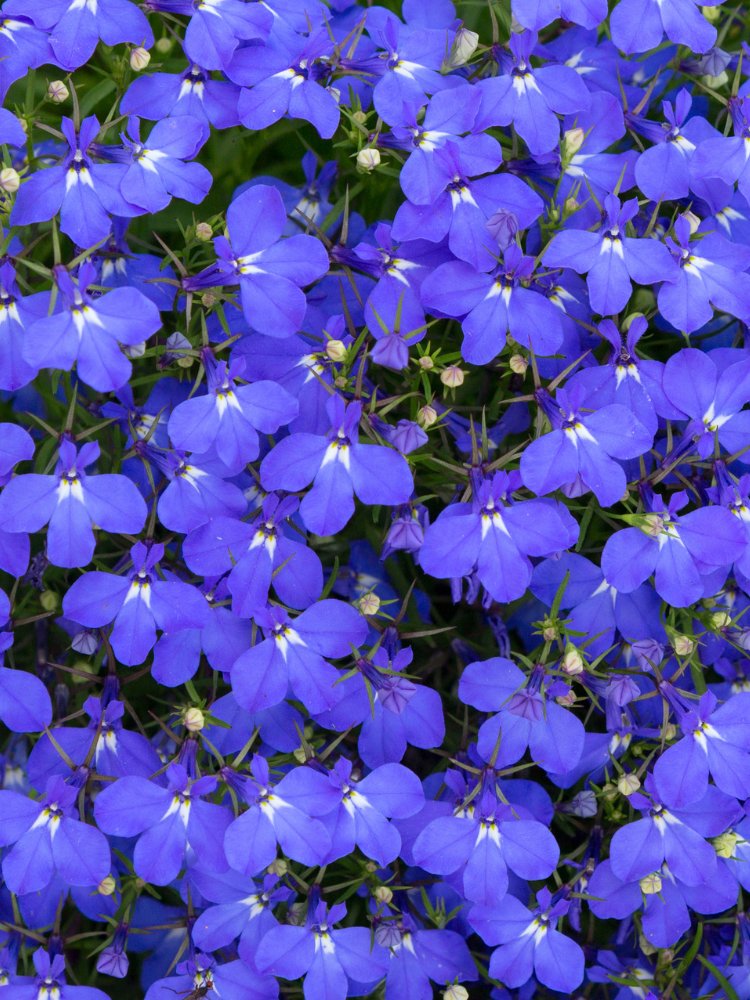
Lobelia is a charming annual that adds a cascade of blue and purple flowers to your garden in August. These lovely plants are often used in hanging baskets or as border plants, providing a charming display that attracts pollinators.
They prefer full sun to partial shade and well-drained soil. While they may require some extra care in terms of watering, the beauty they bring to your garden is well worth it!
Popular Varieties
- Crystal Palace: Deep blue, tubular flowers on trailing stems—excellent for hanging baskets and window boxes. (Zones 3–9)
- Queen Victoria: Intense violet-blue blooms with compact growth—great for borders and containers. (Zones 3–9)
- Fan Scarlet: Vibrant red flowers on upright plants—adds bold color to sunny garden beds. (Zones 3–9)
- Regatta White: Pure white flowers contrasting with deep green foliage—ideal for edging and mixed containers. (Zones 3–9)
- Sapphire: Rich blue blooms with a trailing habit—perfect for rock gardens and cascading over walls. (Zones 3–9)
26) Petunia
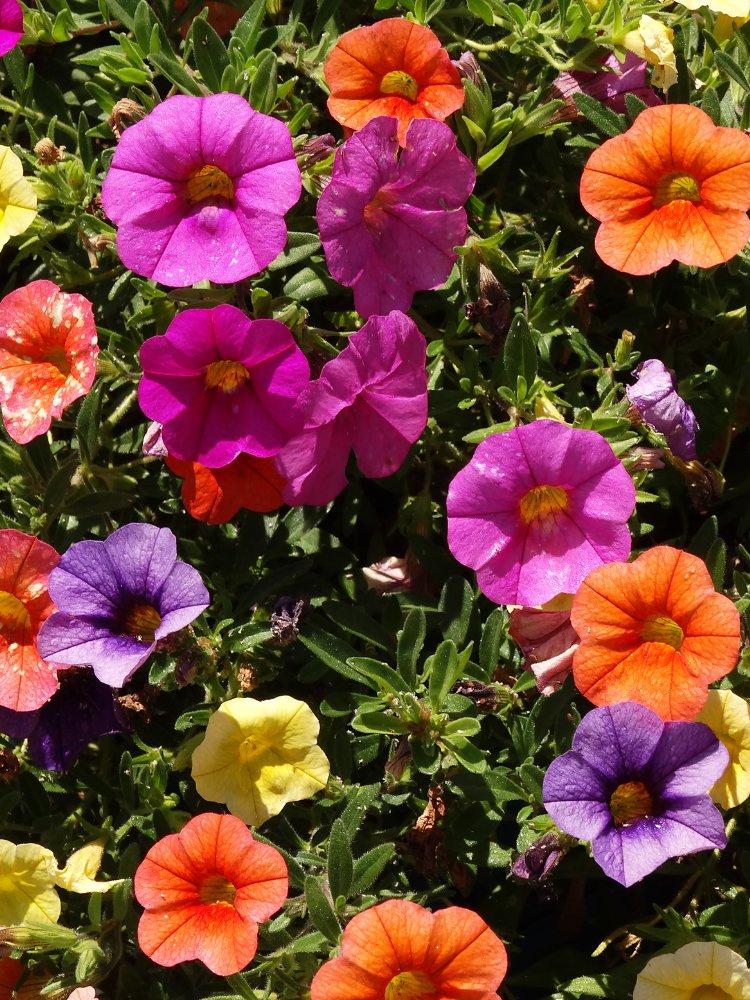
Petunias are classic annuals that come in a rainbow of colors and patterns. They bloom from spring through fall, with August being a fantastic time for their vibrant displays. These flowers are great for attracting butterflies and adding cheerful colors to your garden.
They thrive in full sun and prefer well-drained soil. Petunias can be used in beds, borders, or containers, making them a versatile choice for any garden.
Popular Varieties
- Wave Purple: Spreading habit with vibrant purple blooms—perfect for ground cover and hanging baskets. (Zones 9–11)
- Madness Pink Vein: Bright pink flowers with darker veins—adds striking texture to containers and borders. (Zones 9–11)
- Cascadia White: Pure white, trailing blooms—ideal for window boxes and mixed hanging baskets. (Zones 9–11)
- Supertunia Bordeaux: Deep burgundy flowers with a velvety texture—adds drama and depth to summer displays. (Zones 9–11)
27) Ornamental Pepper
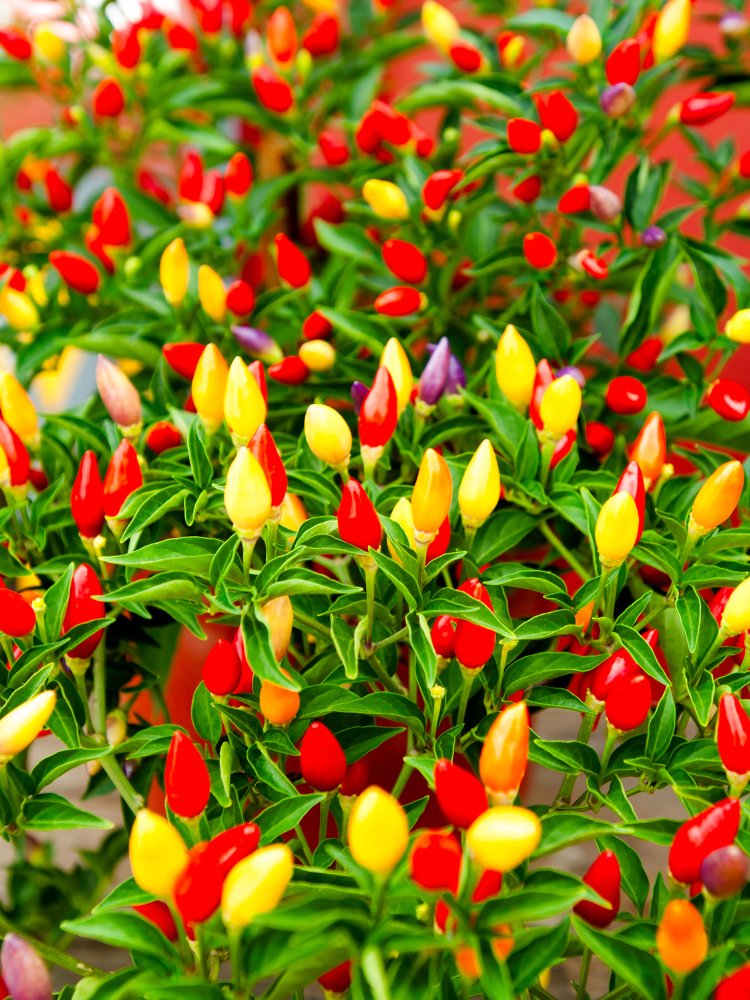
Ornamental peppers are a fun way to add color and interest to your garden! With vivid fruits that change color as they mature, these plants are not only beautiful but also unique. They typically bloom in late summer and into fall, with August being a prime time for their striking displays.
They thrive in full sun and well-drained soil. Plus, they make excellent container plants and can add a fun twist to your flower arrangements.
Popular Varieties
- Black Pearl: Glossy black foliage with round, shiny black peppers that mature to bright red—adds striking contrast to containers and beds. (Zones 9–11)
- Numex Twilight: Colorful peppers that change from purple to yellow to orange and red—vibrant and eye-catching in garden displays. (Zones 9–11)
- Medusa: Upright spikes of small, bright red peppers—excellent for vertical interest and hot climates. (Zones 9–11)
- Bolivian Rainbow: Multicolored peppers in shades of purple, orange, yellow, and red—adds a festive look to containers. (Zones 9–11)
- Black Cobra: Dark purple-black fruits on upright plants—dramatic and unusual for ornamental use. (Zones 9–11)
- Carmen: Fiery red, elongated peppers—great for heat and adding bold color to landscapes. (Zones 9–11)
FAQs
Yes, you can still plant flowers in August, especially if you focus on fall-blooming varieties. Consider planting mums, pansies, and asters to enjoy blooms into the cooler months. Just make sure to water well and plant during cooler parts of the day.
Water early in the morning or late in the evening to avoid quick evaporation. Adding mulch around your plants helps retain moisture and keep roots cool. Also, watch for wilting and provide shade if the sun is too intense.
Bees and butterflies love zinnias, cosmos, bee balm, and coneflowers in August. These flowers provide plenty of nectar and bloom in abundance. Planting them helps support your local ecosystem while adding beauty to your space.
Dahlias, sunflowers, and zinnias make excellent cut flowers in August. They have sturdy stems and long vase life if you cut them early in the morning. Just be sure to keep them in fresh water and change it regularly.