Plant These 23 Bulbs to Have Blooms Year-After-Year
There’s something magical about planting garden bulbs that bloom year after year. They bring vibrant colors and life to our gardens, making every spring feel like a fresh start with endless possibilities.
I’ve rounded up 23 fantastic garden bulbs that not only put on a show but also return season after season. Get ready to fill your garden with these delightful treasures!
How to Encourage Bulbs to Come Back
- Pick Hardy, Naturalizing Bulbs: Choose varieties known to perennialize—daffodils, alliums, muscari—rather than tender types that need lifting.
- Plant at the Right Depth: Set bulbs about three times their height, pointy end up, so they stay put through winter and send up strong shoots.
- Feed and Mulch After Flowering: Leave foliage until yellow, then top‑dress with compost or slow‑release bulb fertilizer and add a 2–3 cm mulch to regulate moisture and temperature.
- Divide Every Few Years: Once foliage dies back, lift overcrowded clumps, separate healthy offsets, and replant to maintain bloom size and vigor.
My Top Bulbs That Come Back Every Year
Although no bulbs can be guaranteed to come back every year, there are some that perform better than others. Below are some of the best bulbs to plant if you want flowers year after year:
1) Daffodil
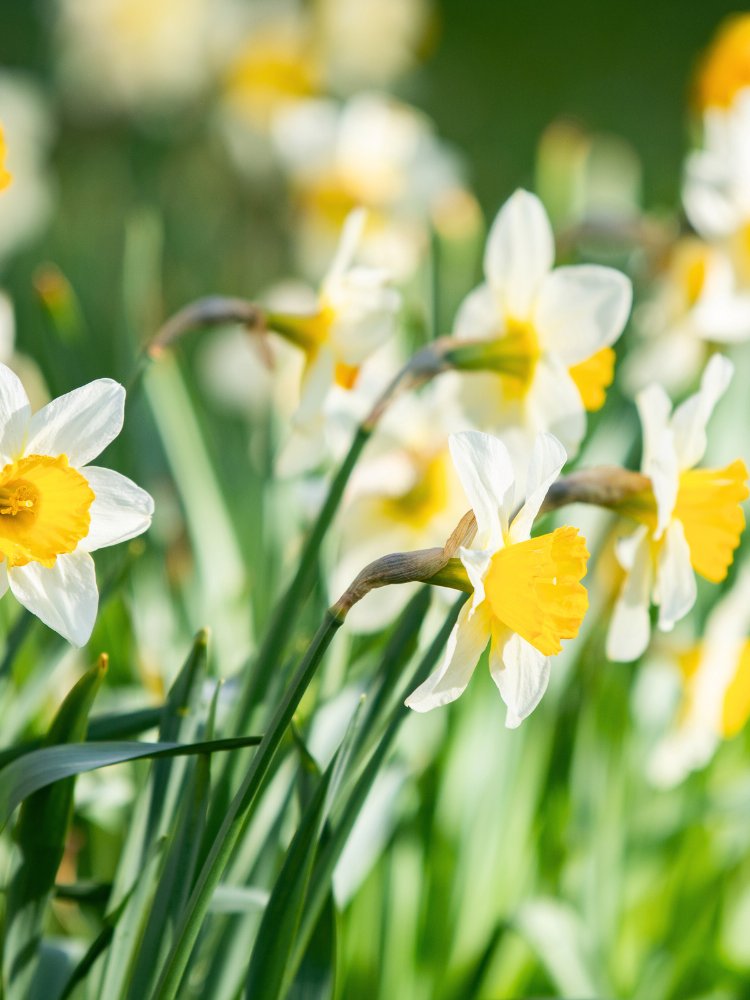
Daffodils are the cheerful harbingers of spring! These perennial favorites burst forth with bright yellow, white, or orange blooms that sit atop sturdy green stems. They’re not just pretty to look at; they’re also incredibly hardy and can thrive in a variety of garden conditions.
Daffodils prefer well-drained soil and can handle a bit of neglect. Once planted, they will come back year after year, multiplying as they go!
One of the best things about daffodils is their versatility. You can plant them in clusters for a vibrant display or mix them with other spring flowers for a more diverse look. Plus, they are deer-resistant—so you don’t have to worry about those pesky critters munching on them!
Popular Varieties
- Ice Follies: Large-cupped daffodil with creamy white petals surrounding a broad, pale yellow cup that fades to white; blooms reliably in early spring, excellent for naturalizing. (Zones 3–9)
- Tête-à-Tête: Miniature daffodil with vibrant golden-yellow blooms and short, sturdy stems; perfect for borders, rock gardens, and containers. (Zones 4–8)
- Mount Hood: Elegant white daffodil with ivory petals and a trumpet-shaped cup; durable and perennial, thrives in sunny gardens and beds. (Zones 3–8)
- Jetfire: Cheerful dwarf daffodil showcasing golden petals and a vivid orange trumpet; ideal for front-of-border plantings and mass planting. (Zones 4–9)
2) Tulip
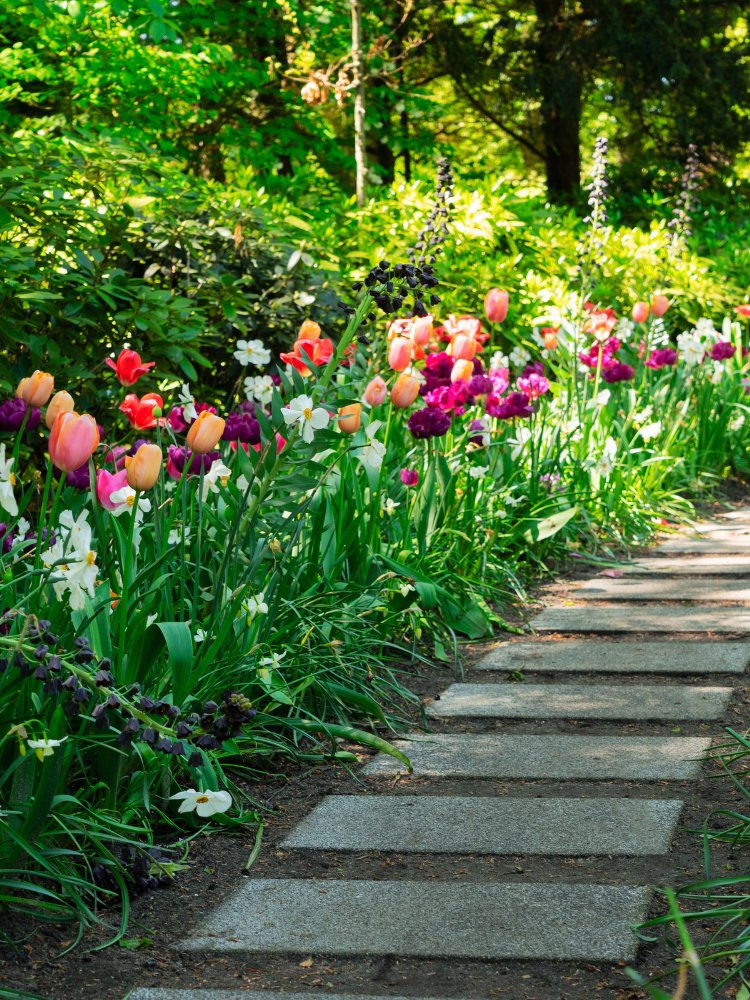
Ah, tulips! These stunning flowers are the quintessential symbol of spring. With a dazzling array of colors and shapes, tulips can make any garden feel like a floral wonderland. They’re pretty easy to grow, needing well-drained soil and a sunny spot to thrive. Tulips do best in cooler climates but can adapt to warmer areas as long as they have a period of dormancy.
What makes tulips extra special is their ability to create a striking impact whether planted in large groups or as solitary blooms. Plus, they’re perfect for cutting gardens since they last a while in a vase!
Popular Varieties
- Angelique: Double late tulip with full, soft pink blooms resembling peonies; perfect for borders, containers, and cut flowers. (Zones 3–8)
- Queen of Night: Striking late-blooming tulip featuring velvety, deep purple-black petals; adds dramatic contrast in gardens and bouquets. (Zones 3–8)
- Red Riding Hood: Greigii tulip variety with bright scarlet-red flowers and distinctive striped leaves; great for edging and early spring interest. (Zones 3–8)
- Spring Green: Viridiflora tulip known for ivory-white petals brushed with green; attractive in perennial beds and naturalistic gardens. (Zones 3–8)
- Apeldoorn: Darwin hybrid tulip with vibrant red blooms, sturdy stems, and excellent perennial performance; ideal for large-scale plantings and landscapes. (Zones 3–8)
3) Hyacinth
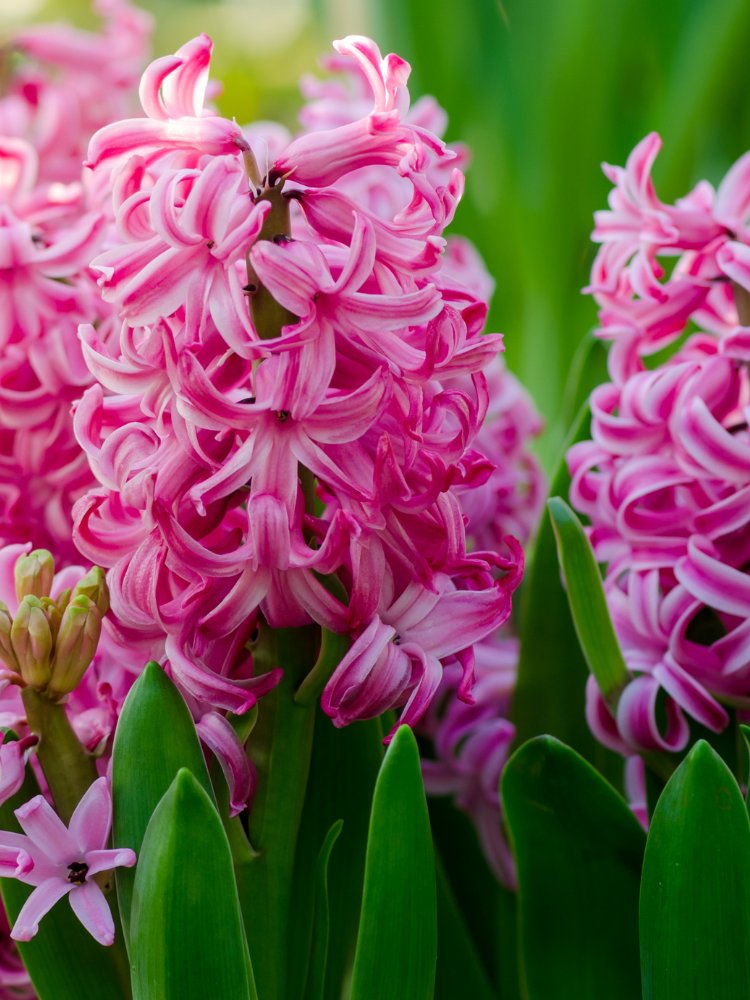
Hyacinths are not only gorgeous but also fragrant! These bulbs bloom in early spring and fill your garden with their sweet scent. Available in a rainbow of colors, from deep blue to soft pink, hyacinths can be planted in clusters or even in pots for a delightful indoor display. They thrive in well-drained soil and prefer full sun to light shade.
One of the best parts about hyacinths is their ability to naturalize. This means they can come back year after year, multiplying as they go, making them a delightful perennial addition to your garden.
Popular Varieties
- Blue Jacket: Intense cobalt-blue flower spikes with a powerful, sweet fragrance—ideal for beds, borders, and forcing indoors. (Zones 3–9)
- Delft Blue: Clusters of soft sky-blue florets tinged with lavender; reliable bloomer for rock gardens and mixed spring displays. (Zones 3–9)
- Pink Pearl: Delicate pale-pink blooms on sturdy stems, offering a gentle scent and a touch of pastel elegance to containers and flower beds. (Zones 3–9)
- Carnegie: Pure white flower clusters with a light, fresh fragrance—perfect for crisp contrast in monochrome schemes or elegant bouquets. (Zones 3–9)
- City of Haarlem: Sunny pale-yellow spikes with a mild, uplifting scent; great for brightening shady areas and naturalizing in lawns. (Zones 3–9)
- Woodstock: Rich violet-purple blooms with a warm, spicy aroma; stands out in border fronts and pairs beautifully with early tulips. (Zones 3–9)
4) Crocus
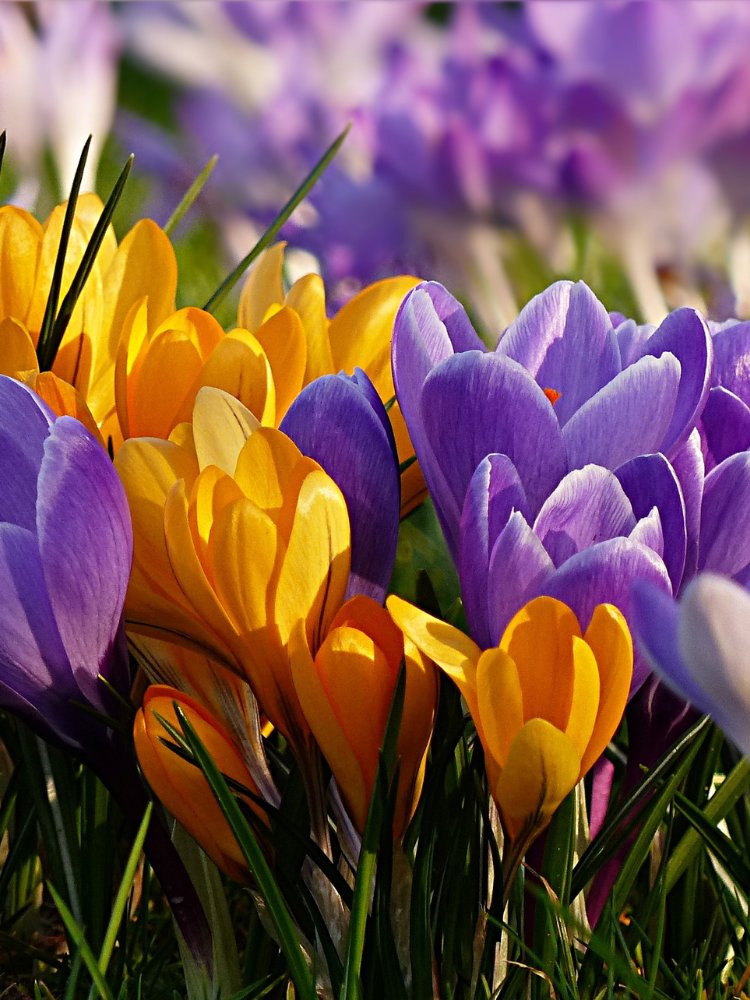
Crocuses are the little gems of spring! These tiny bulbs often push through the snow to be among the first flowers of the season. Available in shades of purple, yellow, and white, crocuses are easy to grow and thrive in well-drained soil with plenty of sunlight. They’re perfect for naturalizing in lawns and meadows, where they can spread and create beautiful carpets of color.
What’s not to love about crocuses? They are low-maintenance and a great choice for beginner gardeners or those looking to add a splash of color without a lot of fuss.
Popular Varieties
- Snow Crocus: One of the earliest bloomers, showcasing pure white flowers tinged with pale purple veins—perfect for brightening late winter borders and rock gardens. (Zones 3–8)
- Ruby Giant: Striking large-flowered crocus with deep royal-purple petals and contrasting orange stigmas; ideal for mass plantings and naturalizing in lawns. (Zones 3–8)
- Yellow Mammoth: Bold golden-yellow blossoms with a robust habit that returns reliably each spring, excellent for container displays and front-of-border accents. (Zones 3–8)
- Pickwick: Charming lavender-pink blooms with delicate violet striping and standout orange stamens—great for cottage gardens and mixed spring containers. (Zones 3–8)
- Jeanne d’Arc: Elegant, pure-white goblet-shaped flowers on sturdy stems; wonderfully versatile for cutting or combining with early daffodils. (Zones 3–8)
5) Allium
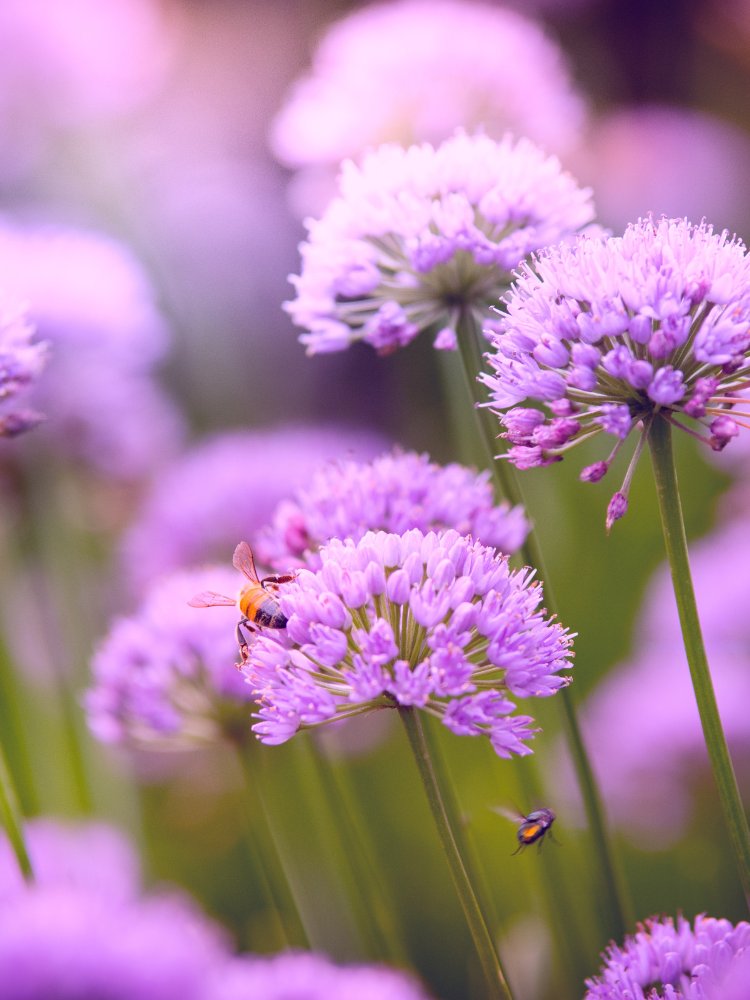
Alliums bring a unique flair to any garden with their globe-like flower heads and tall, slender stems. These perennial bulbs typically bloom in late spring to early summer and come in various sizes and colors. From the giant Allium giganteum to the smaller varieties, they add height and drama to your garden beds. Plus, they’re incredibly hardy and require minimal care once established!
Alliums also have the added benefit of attracting pollinators like bees and butterflies, making them a fabulous addition to any wildlife-friendly garden.
Popular Varieties
- Purple Sensation: Vibrant violet-purple globes of star-shaped flowers atop slender stems—brings bold color and height to borders and cut arrangements. (Zones 4–9)
- Globemaster: Massive lavender-purple flower heads up to 8 inches across on sturdy, 3-foot stems—dramatic focal point in perennial beds. (Zones 4–8)
- Mount Everest: Striking pure-white spherical blooms that stand out against foliage—perfect for brightening shady corners and mixed plantings. (Zones 4–9)
- Star of Persia: Unique, loosely-formed opal-pink umbels with deep purple centers—adds an exotic, airy texture to gardens and containers. (Zones 4–8)
- Millennium: Compact plants bearing large lavender flower spheres—ideal for edging beds and planting in containers or rock gardens. (Zones 3–8)
- Ambassador: Classic bright purple flower heads on tall, strong stems—excellent for cutting and naturalizing in sunny spots. (Zones 3–9)
Popular Reads
6) Lily
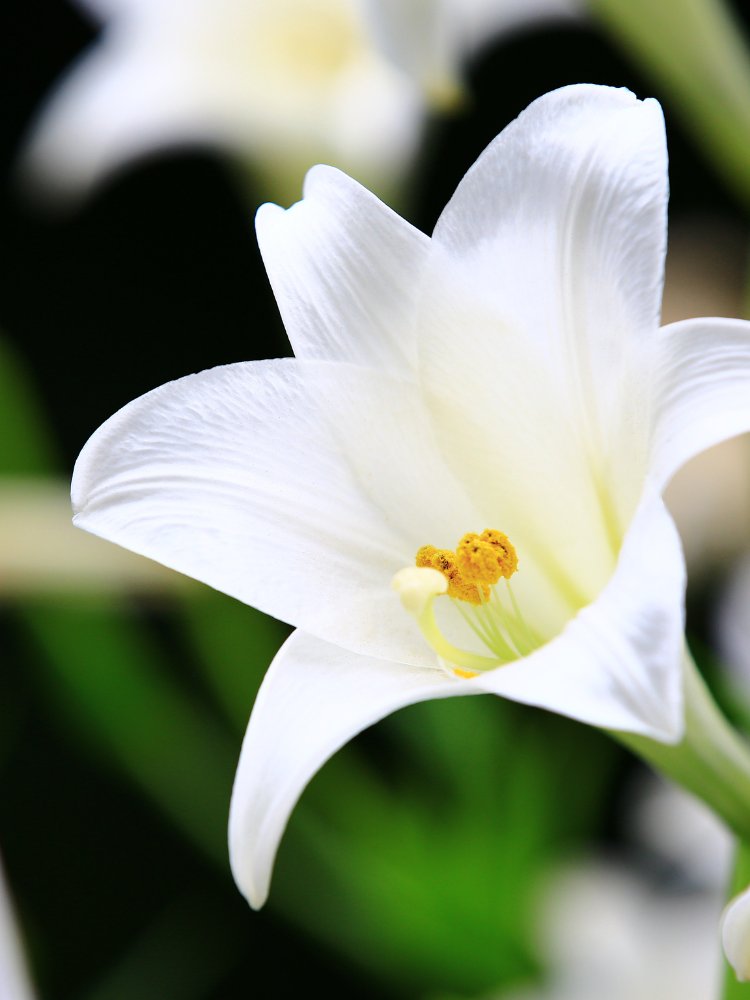
Lilies are classic garden staples that never go out of style! With their large, showy blooms and intoxicating fragrance, they bring elegance to any garden setting. These bulbs thrive in well-drained soil and prefer full sun to partial shade. Lilies come in many colors and sizes, making them versatile for different garden designs.
They can be planted as a focal point in your garden or grouped together for a stunning impact. Plus, once they’re established, they’ll return year after year, bringing beauty and fragrance with them.
Popular Varieties
- Stargazer: Fragrant upward-facing blooms in deep pink with white edges and dark flecks—striking in borders and bouquets. (Zones 5–9)
- Casa Blanca: Large, pure-white, trumpet-shaped flowers with a strong, sweet scent—ideal for formal gardens and cutting. (Zones 4–8)
- Tiger Lily: Orange petals adorned with bold black spots that nod on slender stems—tough, deer-resistant, and great for naturalizing. (Zones 3–9)
- Black Beauty: Deep maroon, almost black, star-shaped flowers that stand out against green foliage—perfect for dramatic accents. (Zones 3–8)
- Regale: Creamy-white, heavily scented blooms with a golden throat—thrives in shade to part-sun and makes elegant cut flowers. (Zones 5–8)
- Rubrum: Classic white petals brushed with red stripes and spotted centers—reliable perennial performance and lovely in mixed beds. (Zones 3–8)
7) Snowdrop
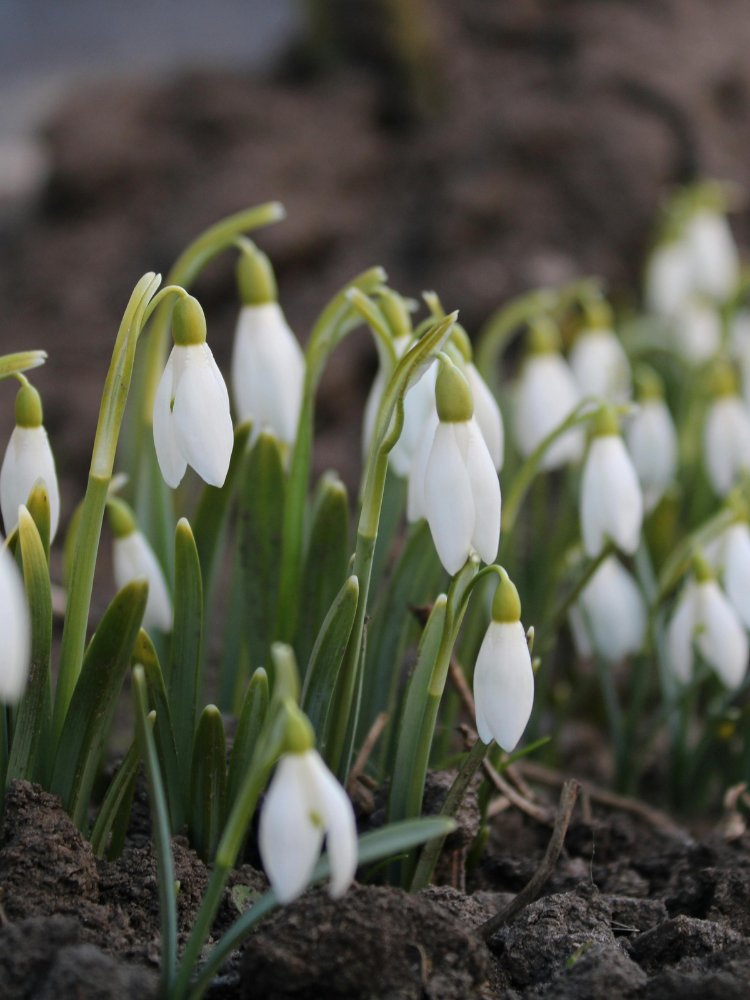
Snowdrops are the charming little bulbs that often peek through the snow, heralding the arrival of spring. Their delicate white flowers hang gracefully from slender green stems and are a delightful sight after a long winter. Snowdrops thrive in well-drained soil and prefer partial shade to full sun.
These bulbs are not just pretty; they are also resilient and can naturalize beautifully, multiplying over the years to create lovely clusters.
Popular Varieties
- Gardeners’ Favourite: Classic nodding white blooms with inverted-V green markings on the inner petals—vigorous, adaptable, and naturalizes quickly in borders and under trees. (Zones 3–7)
- Flore Pleno: Double-flowered form producing rosettes of pure white petals—offers a lush, full look for cutting, containers, and dense carpets. (Zones 3–7)
- Viridapice: Striking cultivar featuring bold green-tipped inner petals on each nodding flower—adds a distinctive splash of color to early-spring displays. (Zones 3–7)
- Trumps: Robust variety with large cup-shaped blossoms marked by prominent green patches—emerges very early and stands up well in mixed plantings. (Zones 3–7)
8) Gladiolus
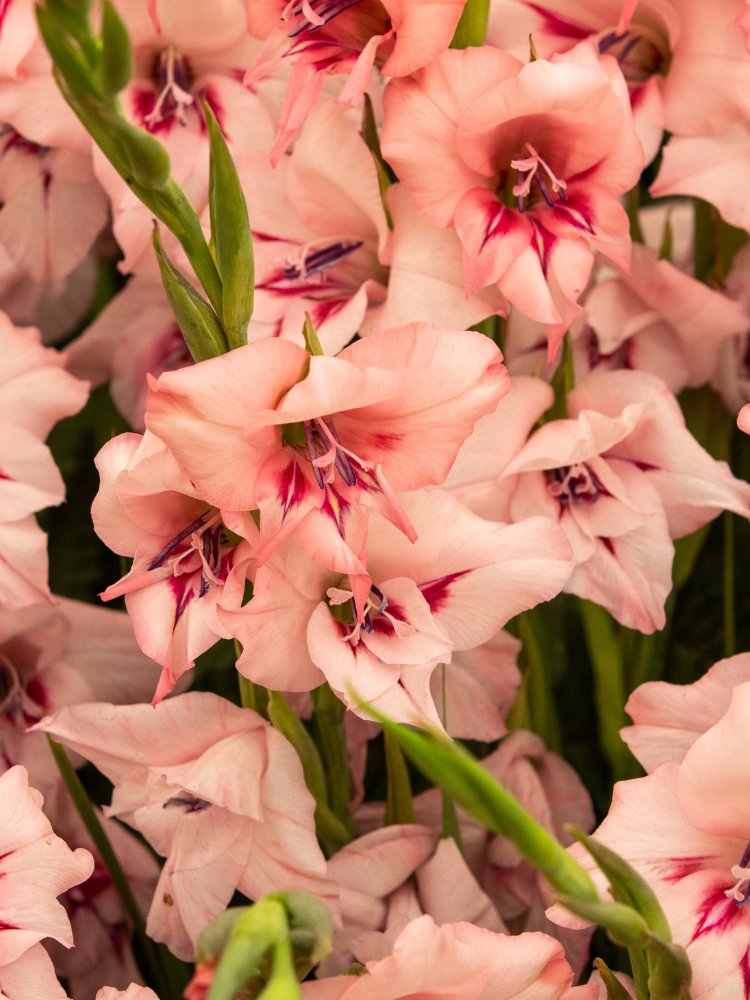
Gladiolus, or “glads” as they’re affectionately called, are tall, striking flowers that make a bold statement in any garden. These colorful spikes bloom in mid to late summer and can reach impressive heights. Gladiolus prefer full sun and well-drained soil, and once planted, they’ll come back year after year if cared for properly!
They’re perfect for cutting gardens as they last long in a vase, giving you beautiful bouquets to enjoy indoors.
Popular Varieties
- Byblos: Tall spikes of soft peach-pink blooms with a deeper salmon throat—reliable perennial corm that naturalizes beautifully in mixed borders. (Zones 7–10)
- The Bride: Crisp white flowers with a hint of pale pink at the base—exceptionally hardy and outstanding for cutting. (Zones 7–10)
- Atom: Dwarf variety bearing vibrant pink florets with a contrasting red throat—perfect for edging and container plantings. (Zones 7–10)
- White Prosperity: Pure snowy-white blossoms on sturdy stems—excellent for brightening shady spots and lasting well in vases. (Zones 7–10)
- Charming Beauty: Delicate apricot-pink blooms with softly ruffled edges—naturalizes readily and pairs well with pastel spring bulbs. (Zones 7–10)
- Rose Supreme: Rich rose-pink petals with a subtle cream throat—robust perennial performance and great for late-summer color. (Zones 7–10)
9) Iris
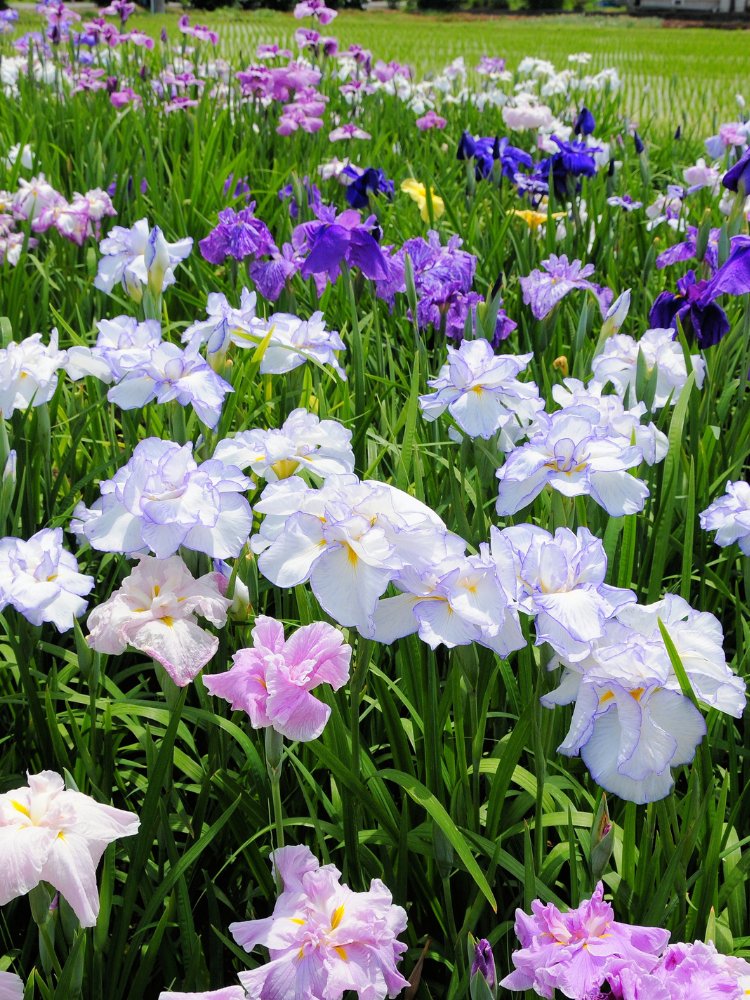
Iris flowers are beloved for their stunning blooms and rich colors. With varieties that bloom in spring and summer, irises can bring color to your garden for many months. They thrive in well-drained soil and prefer full sun, although some types can tolerate partial shade.
These perennial beauties have a unique structure, making them quite a conversation piece. Plus, once they’re settled in, they come back every year, often multiplying as they go!
Popular Varieties
- Beverly Sills: Frilly soft-pink petals with a deeper rose center—forms large, fragrant blooms perfect for borders and cutting. (Zones 3–9)
- Immortality: Pristine white, reblooming flowers with a light vanilla scent—ideal for repeat spring and early summer color in sunny beds. (Zones 3–9)
- Queen of the Night: Velvety, deep purple-black falls that create dramatic contrast—excellent focal points in perennial borders. (Zones 3–9)
- Butter and Sugar: Bright golden-yellow falls paired with soft white standards—adds cheerful two-tone interest to mixed plantings. (Zones 3–9)
10) Anemone
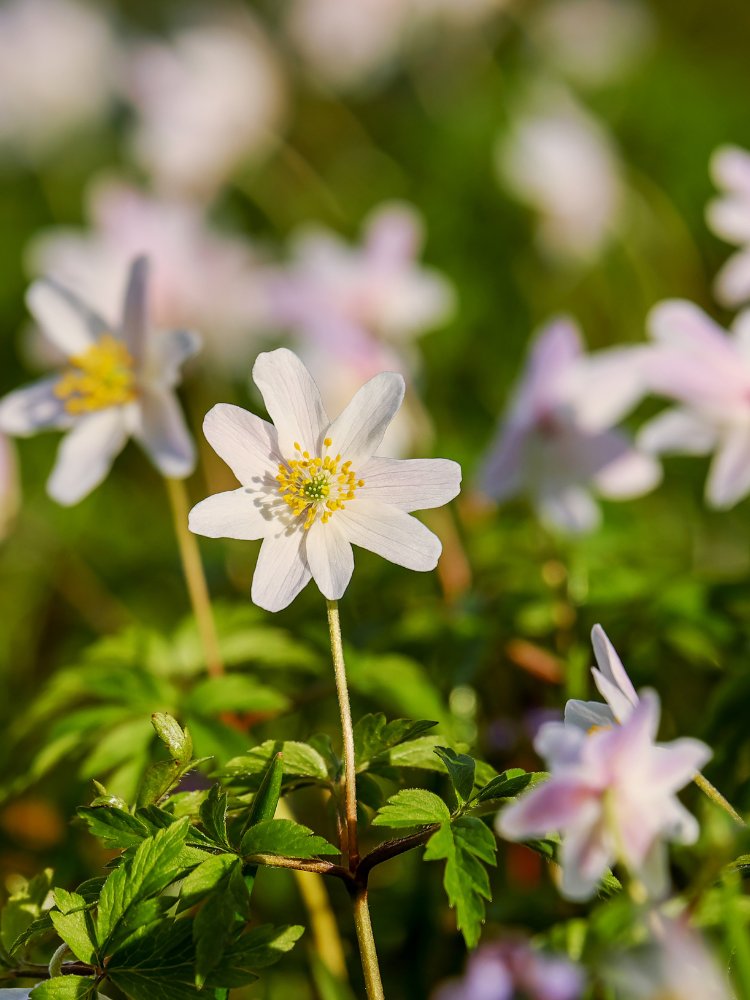
Anemones are charming little flowers that bring a pop of color to the garden in early spring and fall. They thrive in well-drained soil and can handle partial shade, making them perfect for woodland gardens or shady spots. The delicate blossoms come in various colors, including blue, white, and pink, and are often considered a symbol of protection against evil.
These perennial beauties are delightful in borders or as fillers in mixed plantings, and they’ll return year after year with proper care!
Popular Varieties
- Blue Shades: Sky-blue, star-shaped flowers that naturalize under deciduous trees and in rock gardens—vigorous and deer-resistant. (Zones 3–8)
- White Splendour: Pure white, daisy-like blooms on low mounds of foliage—ideal for woodland edges and carpet planting. (Zones 3–8)
- Silver Fox: Pale lilac flowers above attractive silvery foliage—adds year-round interest and spreads steadily. (Zones 3–8)
11) Fritillaria
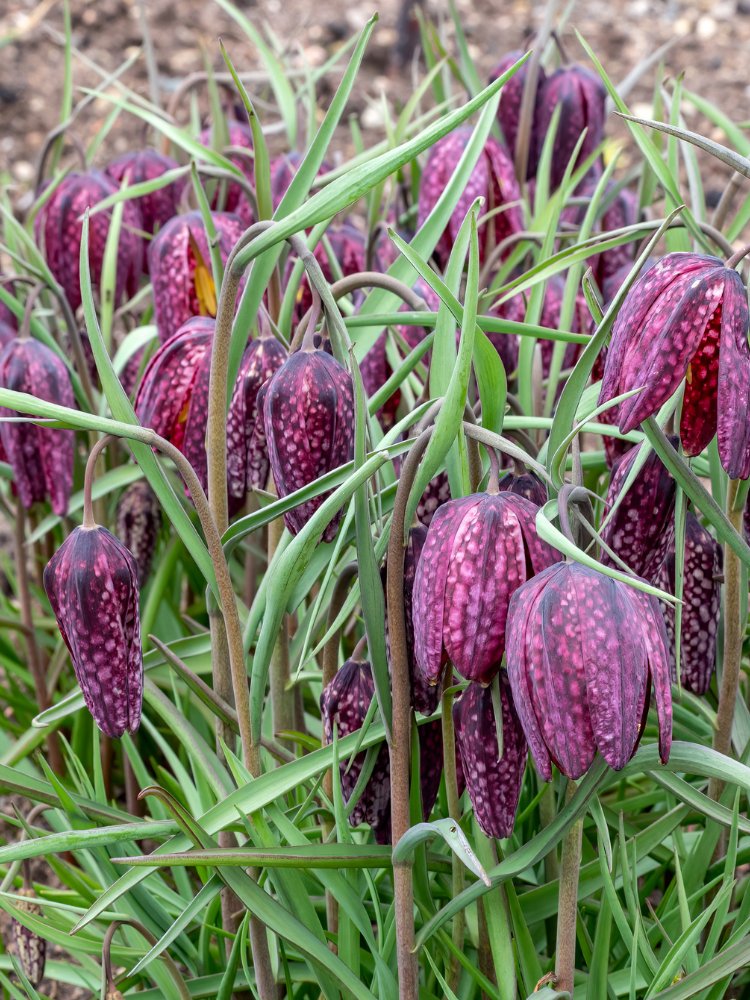
Fritillaria, also known as checker lilies, are unique and eye-catching bulbs. They feature bell-shaped flowers with dramatic markings and come in various colors, including purple, yellow, and white. These perennials prefer well-drained soil and full sun to partial shade, and they’re exceptionally hardy once established.
Fritillaria are not as commonly grown, which makes them a delightful surprise in any garden, adding a touch of whimsy and uniqueness.
Popular Varieties
- Snake’s-head Fritillary: Nodding, bell-shaped flowers showcasing a distinctive purple-and-white checker pattern—naturalizes beautifully in moist meadows and under trees. (Zones 3–8)
- Checkered Lily: Rich maroon petals patterned with yellow squares on tall, slender stems—adds architectural interest to mixed borders. (Zones 4–8)
- Persian Lily: Upright spikes of nodding, bell-shaped, pale yellow flowers brushed with purple—thrives in sun or part shade and returns reliably. (Zones 4–9)
- Crown Imperial: Bold turban-shaped blooms in fiery orange-red appearing atop a collar of foliage—dramatic focal point in spring beds. (Zones 5–9)
- Chocolate Lily: Dark, chocolate-brown bells with a rich, spicy scent—perfect for naturalizing at the edge of woodlands or in rock gardens. (Zones 4–8)
12) Scilla
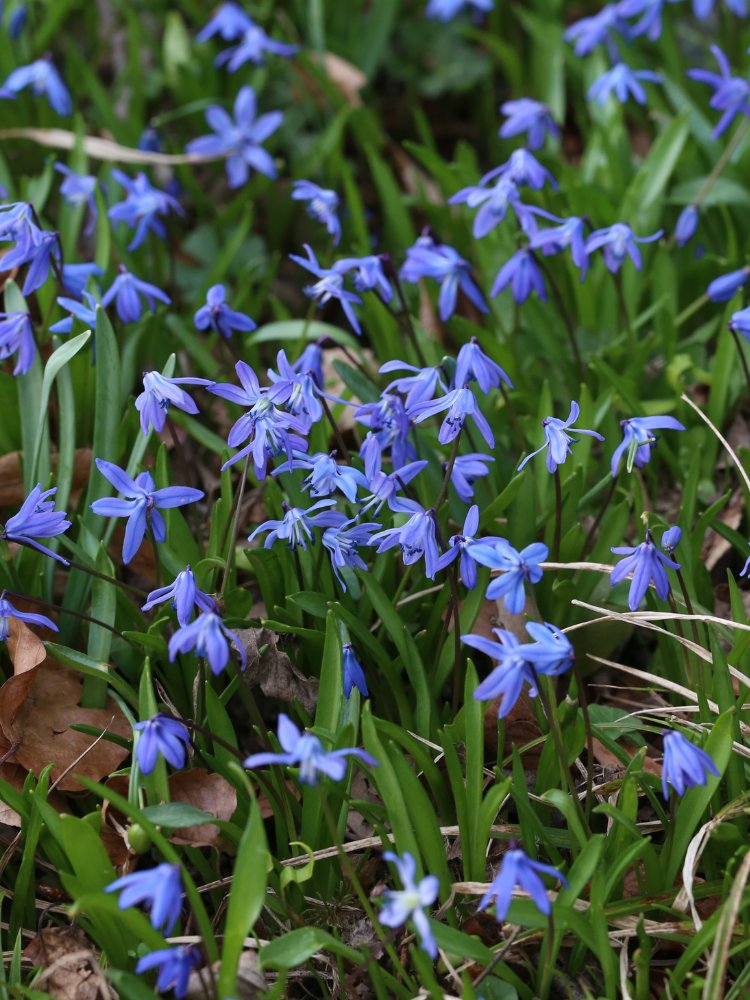
Scilla, or squill, are delightful little bulbs that often bloom early in the spring, making them perfect for naturalizing in lawns or borders. They feature star-shaped flowers that can be blue, white, or pink, and they thrive in well-drained soil with full sun to partial shade.
These lovely perennials are low-maintenance and will spread over time, creating beautiful patches of color to greet you each spring.
Popular Varieties
- Siberian Squill: Early-spring star-shaped cobalt-blue flowers on sturdy stems, forms striking carpets under trees and naturalizes easily in lawns. (Zones 3–8)
- Glory-of-the-Snow: Tight clusters of sky-blue to violet blossoms with pale centers, one of the first bulbs to bloom and perfect for rock gardens. (Zones 3–8)
- Portuguese Squill: Tall spikes of nodding blue-white, bell-shaped flowers in mid-spring—adds height and drama to mixed borders. (Zones 7–10)
- Autumn Squill: Graceful nodding bells in soft pink to lavender hues that flower in fall, ideal for extending seasonal interest. (Zones 4–9)
- Russian Squill: Delicate pale-blue flowers with a contrasting white eye, among the earliest bloomers—great for naturalizing in grass. (Zones 3–8)
- Alpine Squill: Compact plants bearing clusters of pale lilac-blue blooms, outstanding in rockeries, troughs, and alpine beds. (Zones 4–9)
13) Camassia
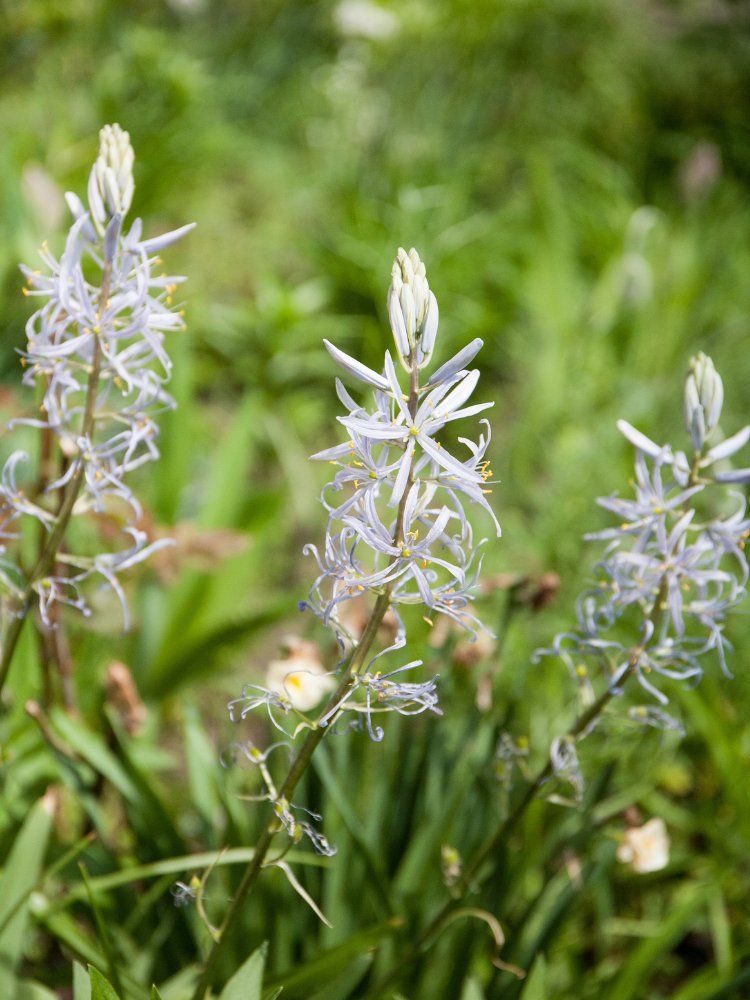
Camassia, also known as camas, are striking bulbs that produce tall spikes of star-shaped flowers. They bloom in late spring and come in shades of blue, purple, and white. Camassia thrive in well-drained soil and prefer full sun to partial shade, making them perfect for garden borders or wildflower gardens.
These bulbs are not only beautiful but also provide important habitat for pollinators, making them an excellent choice for eco-friendly gardens.
Popular Varieties
- Common Camas: Upright stems bearing clusters of star-shaped, deep periwinkle-blue flowers—thrives in meadows and naturalistic plantings, spreading gradually over time. (Zones 3–8)
- Blue Danube: Delicate pale-blue blooms with darker blue veins on tall stalks—excellent for cutting and creating drifts in borders or under trees. (Zones 3–8)
- Cusick’s Camas: Sky-blue, loosely arranged flower clusters with a subtly sweet scent—ideal for rock gardens and well-drained sunny spots. (Zones 4–9)
- White Camas: Pure white, starry flowers atop slender stems—brings crisp contrast to blue and purple spring bulbs in mixed displays. (Zones 4–8)
14) Oxalis
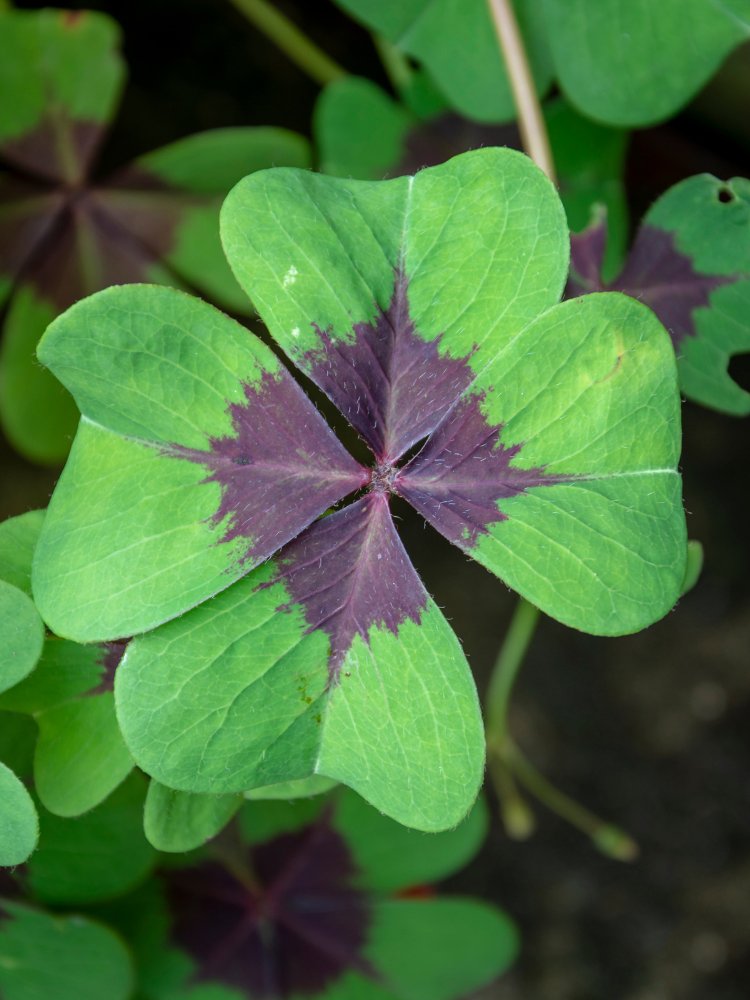
Oxalis, or wood sorrel, are charming little perennial bulbs that bring a touch of whimsy to your garden. They bloom in shades of yellow, pink, or white and are often characterized by their clover-like leaves. Oxalis prefer well-drained soil and thrive in full sun to partial shade.
These lovely little plants can spread easily, creating beautiful patches in your garden, and they’re perfect for hanging baskets or containers!
Popular Varieties
- Yellow Wood Sorrel: Bright yellow, cup-shaped flowers atop clover-like green leaves—spreads into a charming groundcover suitable for sun or part shade. (Zones 4–9)
- Purple Shamrock: Deep purple, triangular foliage with pale pink blooms—striking in containers or as an accent in borders. (Zones 7–10)
- Pink Wood Sorrel: Delicate soft-pink flowers rising above bright green trifoliate leaves—ideal for rockeries and woodland-edge plantings. (Zones 5–9)
- Red Sorrel: Vivid magenta-pink blossoms contrasting with green foliage striped in red—perfect for massing in beds or pots. (Zones 5–9)
- Lady’s Sorrel: Subtle white to blush-pink blooms on burgundy-tinged leaves—thrives in shaded borders and under trees. (Zones 4–8)
- Redwood Sorrel: Pale pink, nodding flowers and rich green leaves—hardy groundcover that naturalizes well in woodland and rock gardens. (Zones 3–8)
15) Freesia
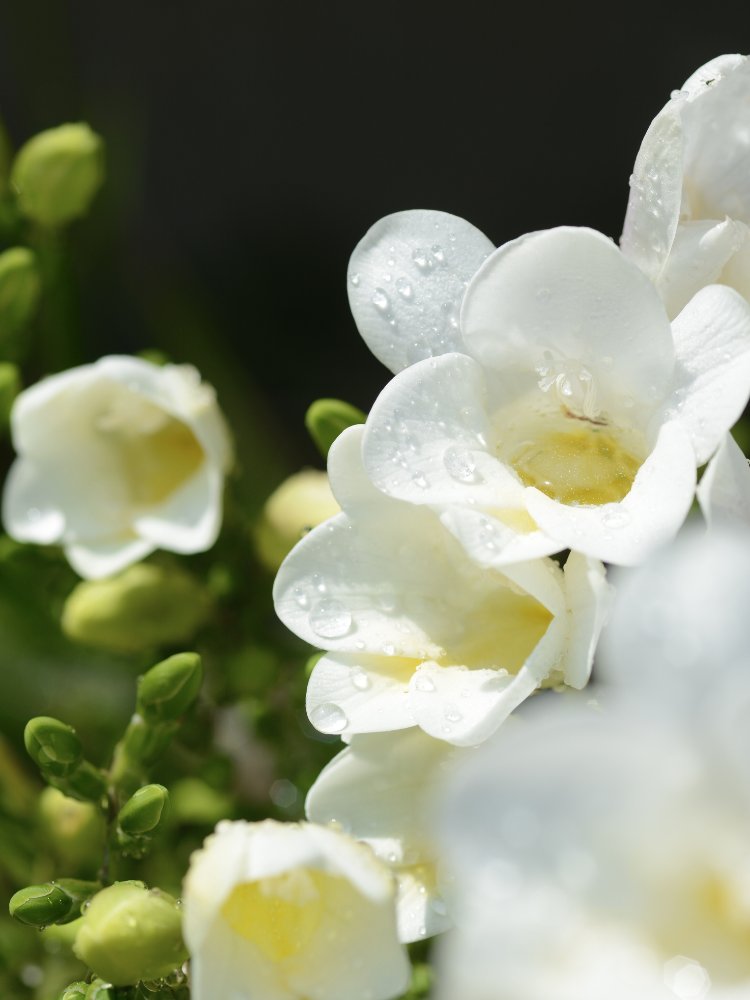
Freesias are fragrant beauties that add a splash of color to gardens and bouquets alike! They bloom in spring and come in a variety of colors, including yellow, pink, and purple. Freesias thrive in well-drained soil and prefer full sun, making them perfect for sunny borders.
These bulbs are not only stunning, but their sweet scent makes them a favorite for cutting gardens, bringing a delightful aroma indoors.
Popular Varieties
- Mikado: Delicate pale-yellow blooms with a deep maroon throat and a bright citrus fragrance—ideal for edging beds and cutting. (Zones 8–10)
- Zéphyr: Pure white, single-flowered spikes with a heady, sweet scent—perfect for bouquets and naturalizing in sunny borders. (Zones 8–10)
- Golden Wave: Large golden-yellow flowers on tall, sturdy stems, offering exceptional vase life and repeated bloom. (Zones 8–10)
- Pink Panther: Vibrant fuchsia-pink petals in graceful sprays, prized for containers and mixed perennial beds. (Zones 8–10)
- Blue Moon: Rare lavender-blue blossoms with a delicate, honeyed fragrance—stands out in rockeries and cutting gardens. (Zones 8–10)
16) Tuberose
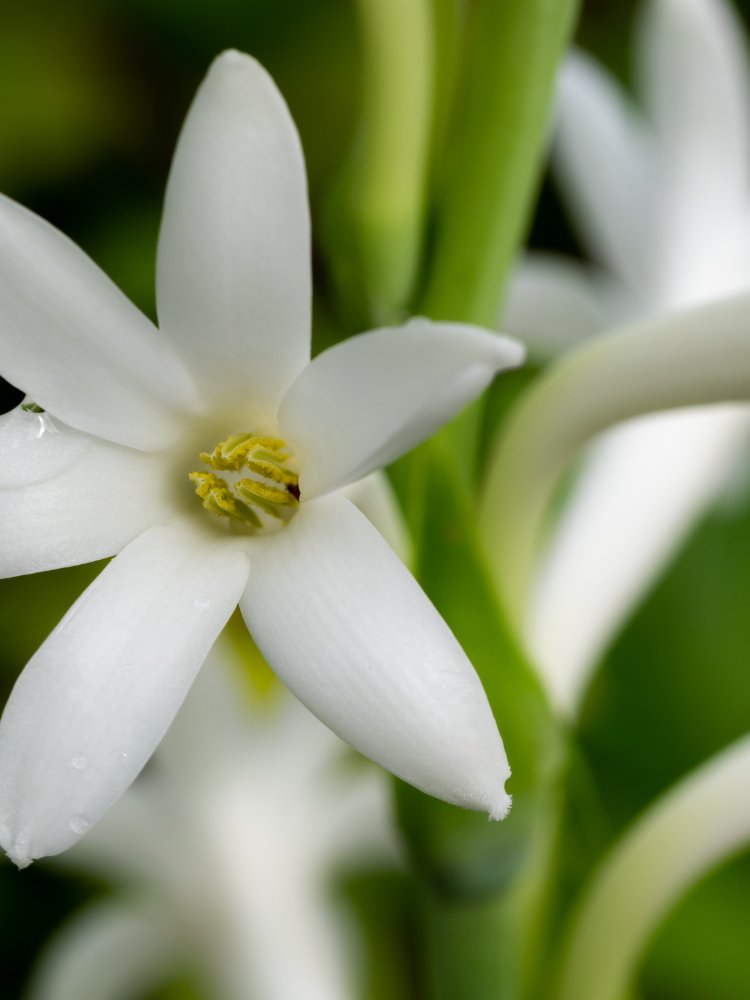
Tuberose are exotic, fragrant flowers that add a touch of elegance to any garden. With their tall spikes of white blooms, they are perfect for summer gardens and can be planted in well-drained soil with plenty of sun. Tuberose thrive in warmer climates and are often used in floral arrangements for their delightful scent.
These bulbs do require a bit more attention in colder regions, but with proper care, they’ll return year after year, filling your garden with beauty and fragrance.
Popular Varieties
- Mexican Single: A classic single-petal variety prized for its intense, honeyed fragrance and sturdy flower spikes—favored for essential oil extraction and cut blooms. (Zones 7–10)
- The Pearl: A double-flower form with layers of creamy-white petals, offering a lush, full appearance and exceptional vase life for weddings and arrangements. (Zones 8–10)
- Calcutta Double: Robust double whorls of pure white flowers tinged with soft pink, creating a decorative, ruffled effect—ideal for formal borders and mass plantings. (Zones 7–10)
17) Calla Lily
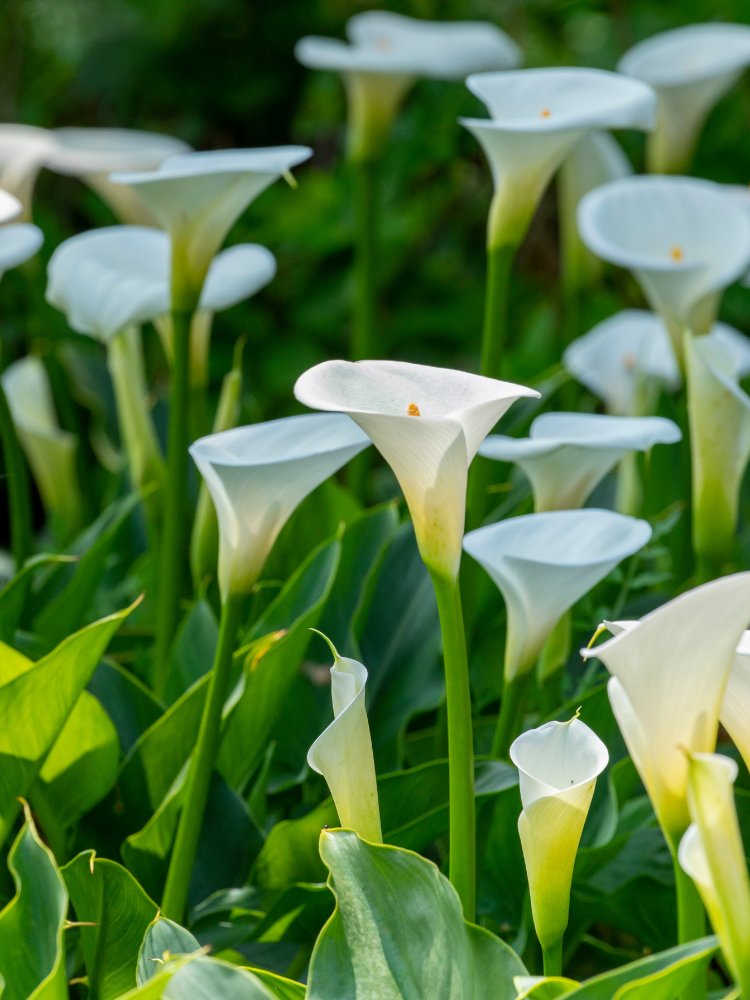
Calla lilies are known for their stunning, trumpet-shaped flowers and glossy leaves. They thrive in well-drained soil and prefer full sun to partial shade, making them perfect for borders or containers. While technically not true bulbs, they function similarly and will return year after year if cared for properly.
These elegant flowers are often associated with weddings and special occasions, thanks to their graceful appearance and variety of colors.
Popular Varieties
- Snow Villa: Pure white, trumpet-shaped blooms atop dark green foliage—reliable perennial performer for borders and containers. (Zones 7–10)
- Black Star: Striking deep purple–black flowers contrasted by glossy green leaves—adds dramatic flair to beds and bouquets. (Zones 8–11)
- Pink Gem: Soft pink, flared blooms with a delicate sheen—ideal for edging pathways and naturalizing in moist garden spots. (Zones 8–10)
- Cream Perfection: Butter-cream flowers with broad, rounded petals—thrives in moist soils and returns robustly each season. (Zones 7–10)
- Captain Palermo: Bright yellow spathes with a warm, sunny hue—excellent for cut flowers and mass plantings in damp areas. (Zones 8–11)
18) Canna Lily
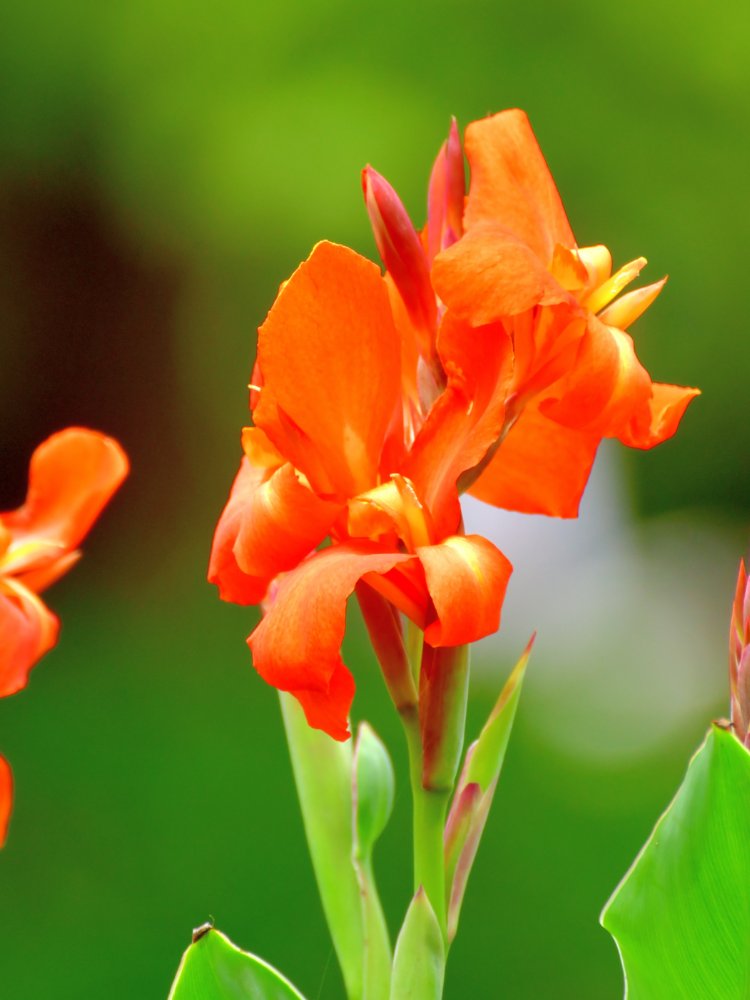
Canna lilies are bold and tropical-looking plants that bring a touch of the exotic to any garden. They boast large, vibrant flowers in shades of red, orange, and yellow and grow well in full sun with moist, well-drained soil. Though they are grown from rhizomes, they act like bulbs in that they come back year after year.
These stunning perennials can add height and drama to borders, making them a favorite among gardeners looking for a show-stopping display.
Popular Varieties
- Pretoria: Fiery orange-red blooms with a bold yellow throat on tall, sturdy stems—perfect for dramatic tropical-style borders and containers. (Zones 7–10)
- Cleopatra: Striking deep red flowers edged in golden yellow, supported by lush green foliage—ideal for adding bold contrast in mixed beds. (Zones 7–10)
- Australia: Unique burgundy-purple leaves paired with bright orange flowers—brings architectural foliage interest and vibrant color. (Zones 7–10)
- Tropicanna: Variegated foliage of red, orange, and cream with bright red-orange blooms—excellent for focal points and container accents. (Zones 7–10)
- Zulu: Compact habit with rich crimson flowers and dark green foliage—great for edging, small gardens, and cut flowers. (Zones 7–10)
- Wyoming: Coral-pink blooms on strong stems above bronze foliage—perfect for adding soft color and textural depth to perennial borders. (Zones 7–10)
19) Amaryllis
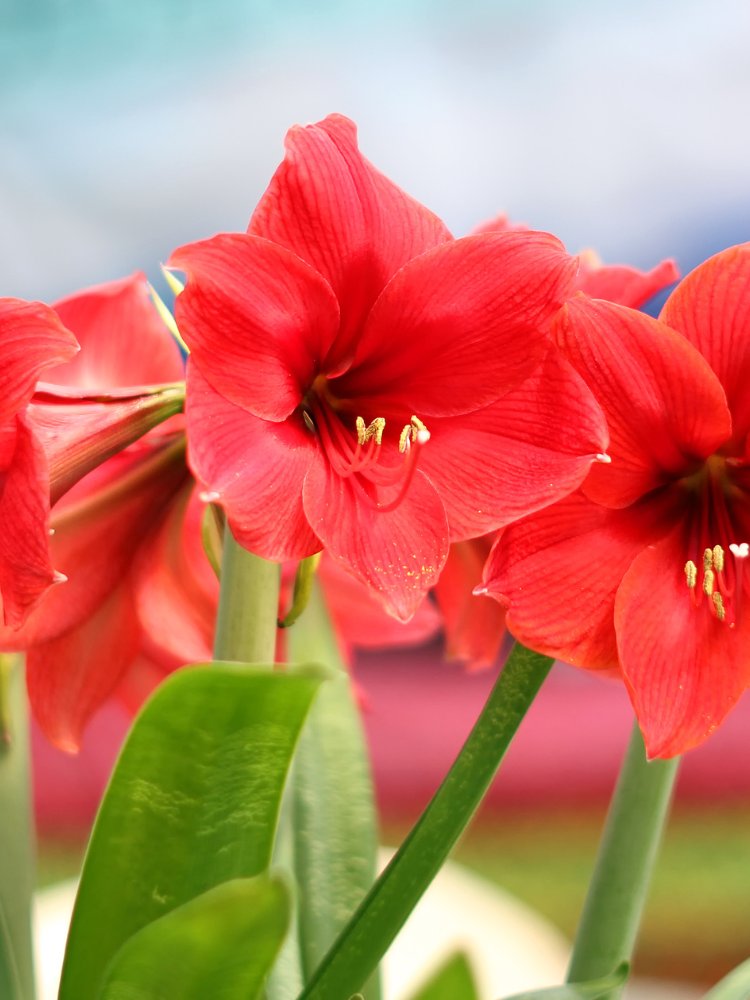
Amaryllis are famous for their large, showy blooms that can brighten up any winter or spring garden. They’re often grown indoors for holiday displays but can also thrive outdoors in warmer climates. Amaryllis prefer well-drained soil and bright light, making them perfect for sunny spots.
These bulbs are typically forced to bloom indoors, but if you plant them outside after the last frost, they will come back year after year!
Popular Varieties
- Red Lion: Bold scarlet-red, trumpet-shaped blooms with a flattering sheen—robust performer that naturalizes in warm climates and thrives in mixed borders. (Zones 8–10)
- Apple Blossom: Delicate white flowers brushed with soft-pink edges and a sweet fragrance—ideal for container planting or edging flower beds. (Zones 8–10)
- Minerva: Striking rose-pink petals featuring a deeper central stripe—sturdy stems hold blooms upright for excellent cutting. (Zones 8–10)
- Clown: Creamy-white petals boldly splashed with crimson-red streaks—adds a playful, painterly effect to garden displays. (Zones 8–10)
20) Ranunculus
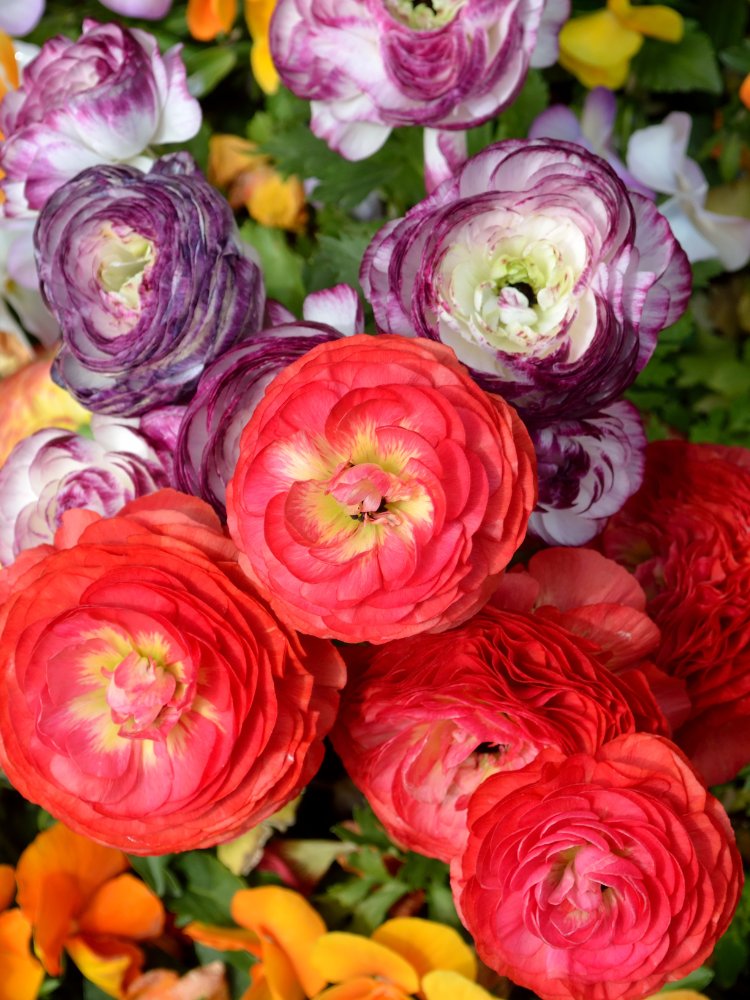
Ranunculus, often known as buttercups, are beloved for their vibrant, multi-layered blooms. They thrive in well-drained soil and prefer full sun to partial shade, making them suitable for borders or containers. These bulbs are typically grown from tubers, but they act like bulbs and will return season after season.
These stunning flowers add a cheerful pop of color to any garden and are perfect for cutting bouquets!
Popular Varieties
- Bloomingdale: Rich, double-layered blooms in shades of orange, salmon, and apricot—forms neat clumps that naturalize over time for reliable spring color. (Zones 8–11)
- Tecolote: Elegant pastel mix of soft pinks, creams, and yellows—compact habit with long-lasting flowers ideal for borders and cut arrangements. (Zones 8–11)
- Giant White: Large, pure-white, fully double blossoms on sturdy stems—brings crisp contrast to mixed beds and thrives as a perennial. (Zones 8–11)
- Butter Golden: Soft buttery-yellow blooms with a silky texture—spreads gradually to create drifts of cheerful color each season. (Zones 8–11)
21) Chionodoxa
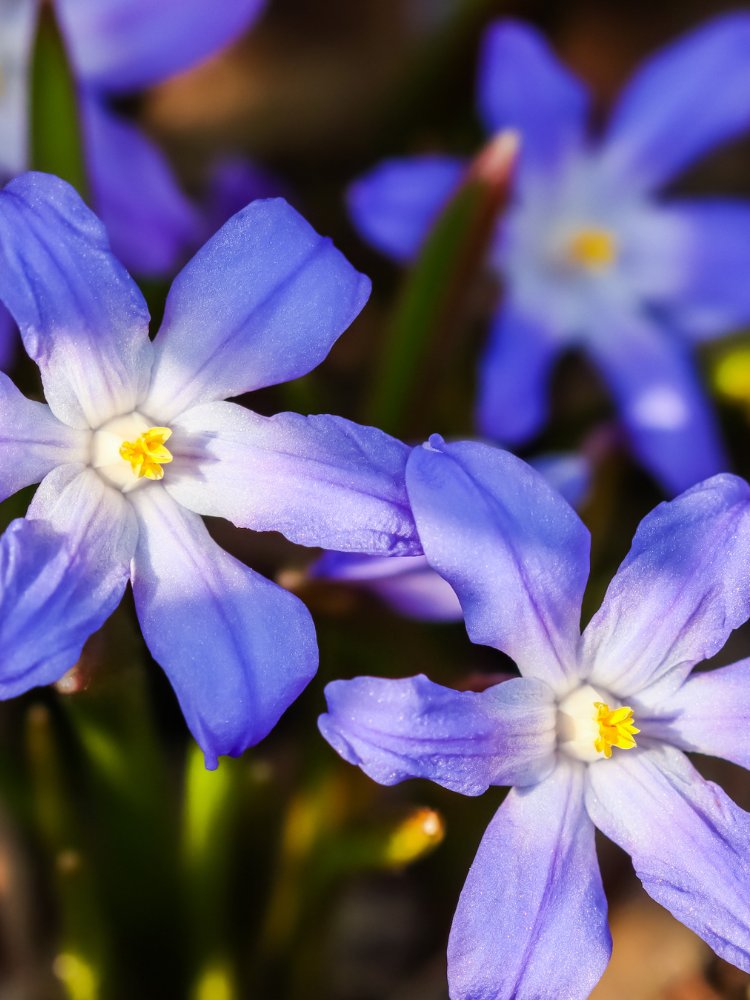
Chionodoxa, or glory-of-the-snow, are adorable little bulbs that bloom early in the spring, often peeking through the snow. They feature star-shaped flowers in shades of blue, pink, and white, making them a delightful addition to any garden. Chionodoxa thrive in well-drained soil and prefer full sun to partial shade.
These charming flowers are excellent for naturalizing, creating beautiful carpets of color that will return each year.
Popular Varieties
- Blue Giant: Bold, sky-blue, cup-shaped flowers with white centers that create stunning early-spring drifts in rockeries and under trees—naturalizes readily. (Zones 3–8)
- Pink Giant: Large, rosy-pink blooms with a pale throat on sturdy stems—adds a soft, romantic touch to borders and containers. (Zones 3–8)
- White Giant: Pure white, starry flowers with crisp green eyes—provides bright contrast in mixed bulb displays and lawn plantings. (Zones 3–8)
- Lawrenson’s Pink: Delicate bubblegum-pink blossoms with a subtle white center—perfect for edging beds and naturalizing beneath shrubs. (Zones 3–8)
22) Leucojum
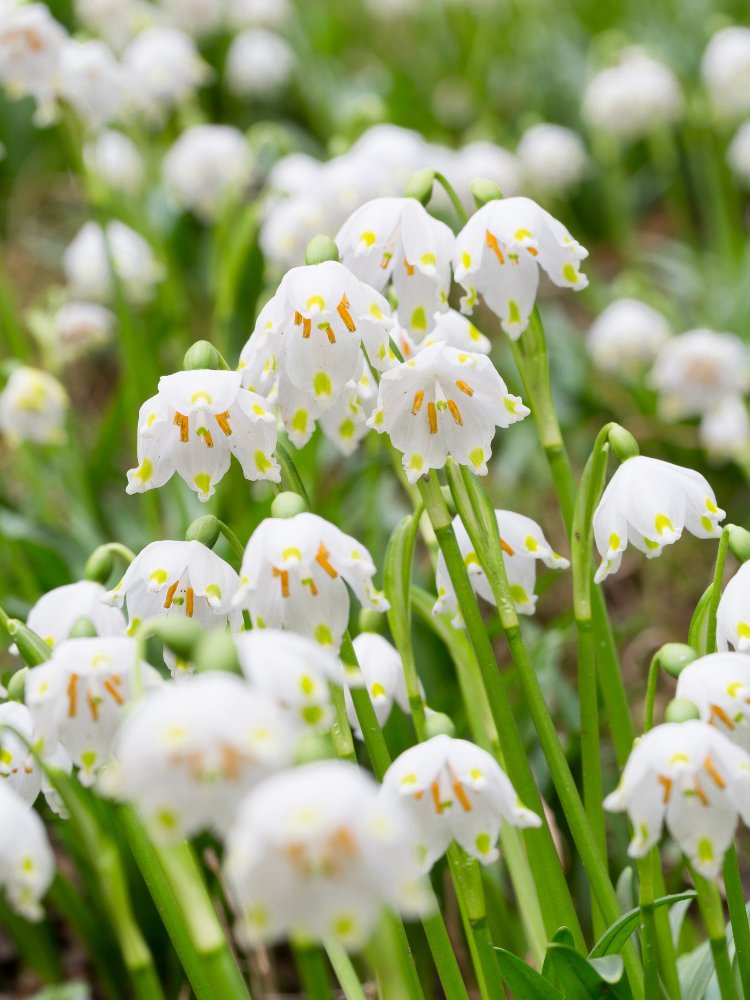
Leucojum, commonly known as snowflakes, are charming bulbs that produce delicate white, bell-shaped flowers. They bloom in early spring and thrive in well-drained soil with full sun to partial shade. These lovely perennials are great for naturalizing, often spreading to create beautiful drifts of white flowers.
Snowflakes are easy to grow and will return year after year, adding a touch of elegance to your garden!
Popular Varieties
- Spring Snowflake: Classic early-spring nodding white bells with green-tipped inner petals, forming graceful drifts under trees and in damp borders. (Zones 3–8)
- Summer Snowflake: Late-spring bloomer with pure white, bell-shaped flowers on tall stems—thrives in moist soils and naturalizes generously. (Zones 3–9)
- Gravetye Giant: Large, elegant white bells with prominent green markings; sturdy stems hold blooms above foliage, ideal for cutting and mass plantings. (Zones 4–8)
23) Muscari
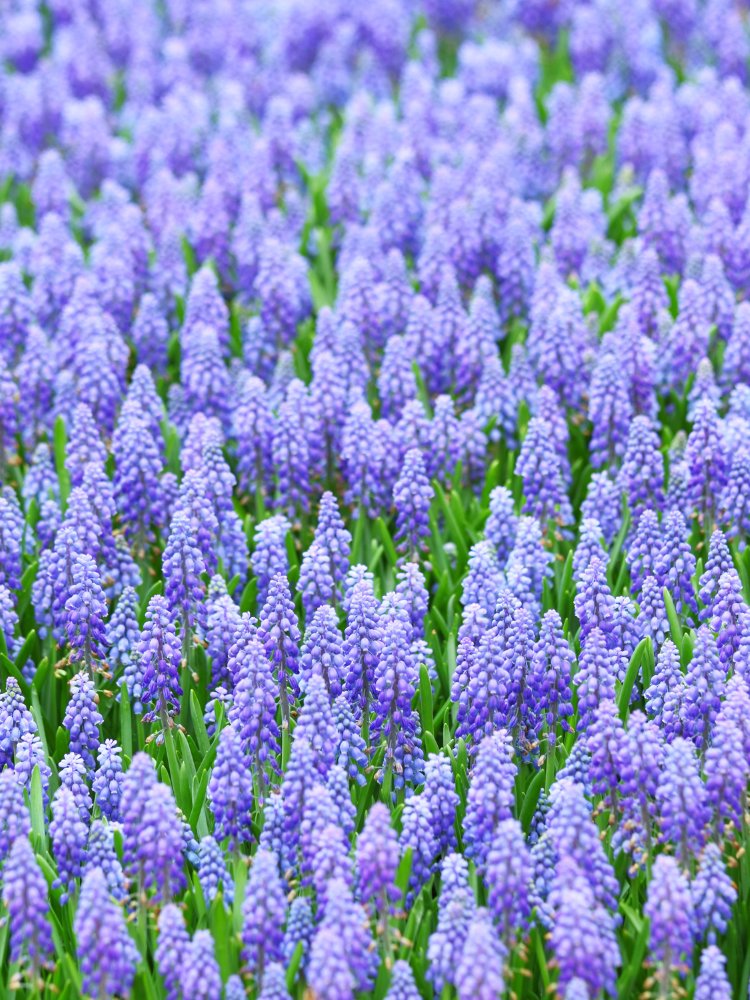
Muscari, or grape hyacinths, are delightful little bulbs that bloom in early spring, showcasing clusters of tiny, grape-like flowers. They come in shades of blue, purple, and white and are perfect for planting in borders, rock gardens, or as ground cover. Muscari thrive in well-drained soil and prefer full sun to partial shade.
These bulbs are great for naturalizing, as they tend to spread easily and can create beautiful patches of color in your garden.
Popular Varieties
- Armeniacum: Classic deep blue, urn-shaped blooms in dense clusters—ideal for naturalizing in lawns and under shrubs. (Zones 4–8)
- Ocean Magic: Striking bicolor flowers with cobalt-blue tips and creamy white bases—adds unexpected contrast to spring borders. (Zones 4–8)
- Fantasy Creation: Rich navy-blue florets atop sturdy stems—forms eye-catching drifts in rock gardens and mixed bulb plantings. (Zones 4–8)
- Valentine: Soft rose-pink clusters that blush into lilac—perfect for adding a romantic pastel touch to containers and beds. (Zones 4–8)
- White Magic: Pure white, grape-like flower clusters on short spikes—offers bright accents and pairs beautifully with darker bulbs. (Zones 4–8)
- Blue Spike: Tall, narrow spikes of vivid blue bells—excellent for cutting and creating vertical interest in spring displays. (Zones 4–8)
FAQs
In most cases, you don’t need to dig them up if they’re planted in the right spot. As long as they’re in well-drained soil and get enough sunlight, they’ll stay happy underground. Just let their leaves die back naturally before cutting them.
Yes, if you’re in a region where the bulbs are hardy, they can stay in the ground all winter. Cold actually helps some bulbs, like tulips, bloom better. Make sure your soil drains well so the bulbs don’t rot.
Some bulbs can bloom reliably for many years—sometimes even decades. Daffodils and crocuses, for example, often naturalize and multiply over time. Their lifespan depends on the type of bulb and the growing conditions.