28 Flowers That Bloom At Night For Your Moonlit Garden
Have you ever noticed that some flowers come alive after the sun goes down? These special plants open up or show their brightest colors at night, giving your garden a different look when it’s dark.
Learning about night-blooming flowers helps you discover new ways to enjoy your outdoor space, even after sunset. There are lots of flowers that save their best for the nighttime, and they can bring a quiet beauty and a fresh scent to your evenings.
1) Moonflower
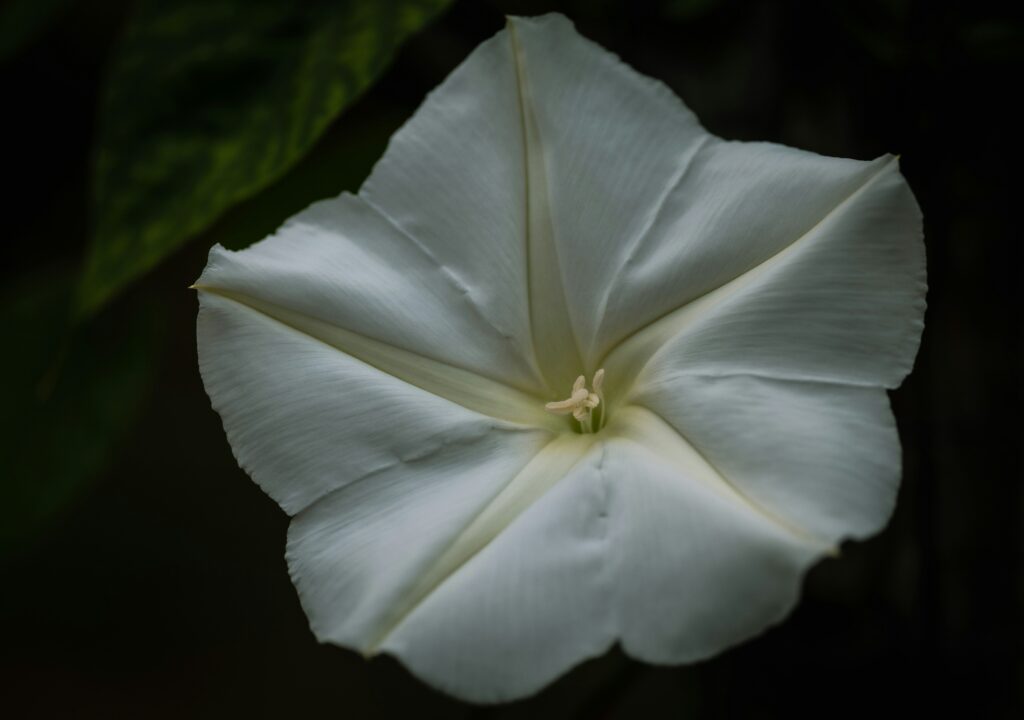
If you like flowers that open when the sun goes down, the moonflower is a great choice. Its white blooms unfurl in the evening and seem to glow in the dark.
You’ll notice a gentle, sweet scent coming from these flowers at night. Moths and other nighttime pollinators love to visit them.
Moonflowers grow on long vines and can climb fences, trellises, or railings. You can start them from seeds after your last spring frost. They need full sun during the day and soil that drains well. Make sure to plant them somewhere you can enjoy their night-time show.
Water regularly, but don’t let the soil get soggy. The blooms usually close up the next morning, so you’ll enjoy them most at dusk and during warm nights.
| Plant Variety | Growing Zone | Blooming Period |
|---|---|---|
| Moonflower Vine | 9-11 | June to October |
2) Night-Blooming Jasmine
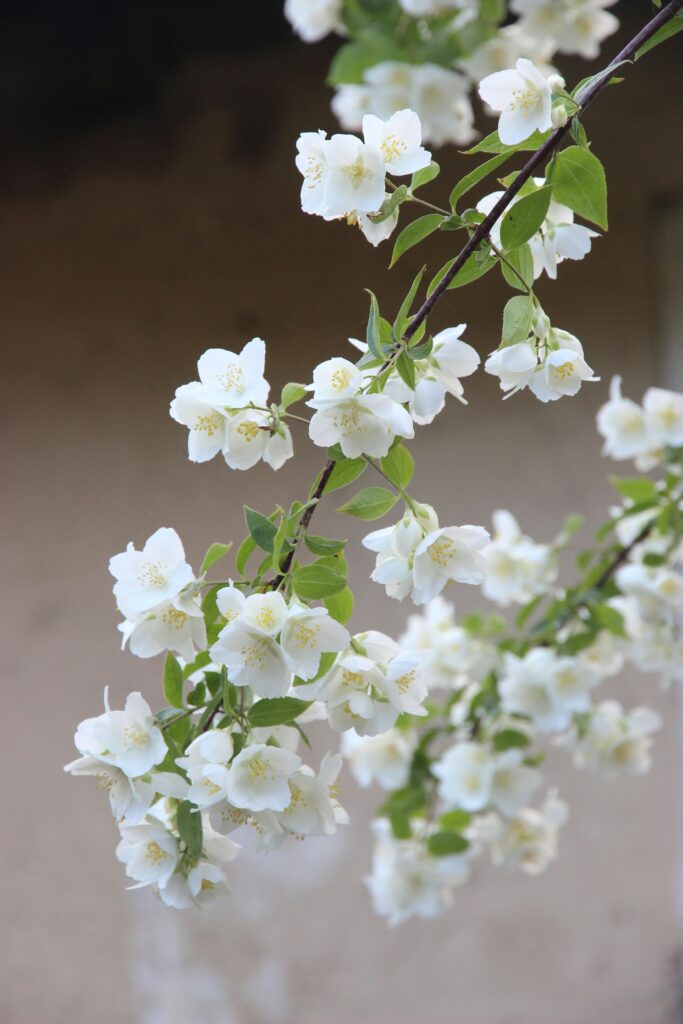
Night-blooming jasmine is a shrub that puts out small, white-green flowers in the evening. These flowers are not very flashy, but they have a strong scent that fills the air after sunset.
You might spot this plant in gardens or even as a hedge. It does well in warm places and needs lots of sunlight during the day. At night, the flowers open up and give off a sweet smell you can enjoy from several feet away.
You can grow night-blooming jasmine in your yard if you live somewhere that does not get too cold in the winter. Just plant it where it gets sun and well-drained soil. With a little care, you’ll get to enjoy its evening blooms through the warmer months.
The plant also attracts moths and other nighttime pollinators. So if you like watching nature, you might see more activity in your garden at night.
| Plant Variety | Growing Zone | Blooming Period |
|---|---|---|
| Night-Blooming Jasmine (Cestrum nocturnum) | 9-11 | May to August |
3) Evening Primrose
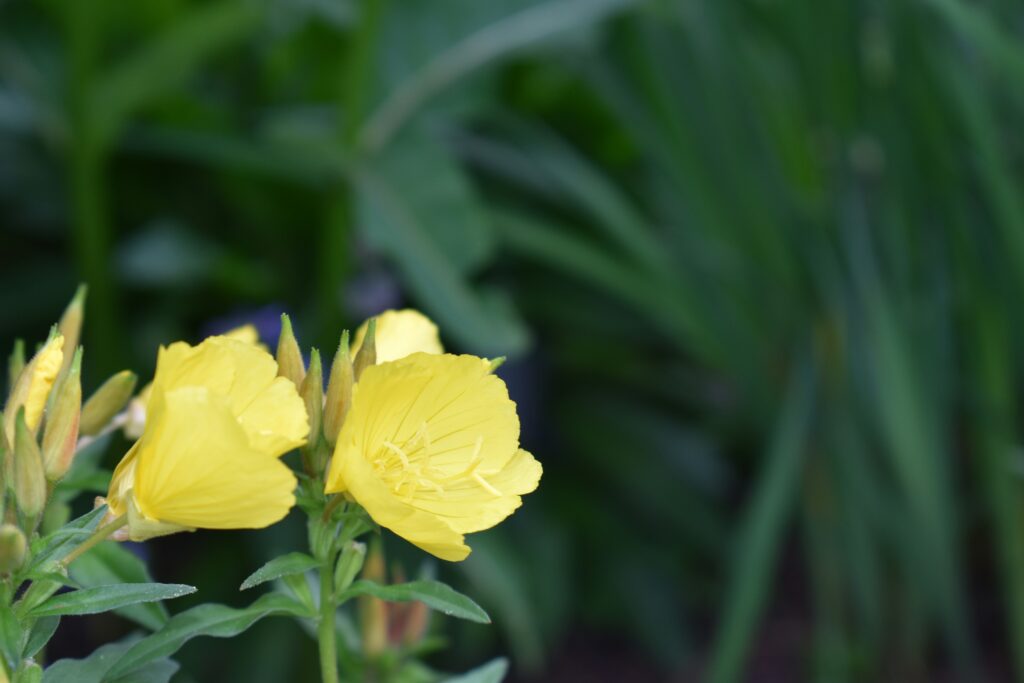
Evening primrose opens its bright at dusk. The blooms usually stay open through the night, giving off a light, sweet scent that might catch your attention if you walk by.
You can often find evening primrose in gardens, but it also grows wild in some areas. This plant is pretty easy to care for and can handle poor soil and dry weather.
If you want to attract pollinators like moths to your yard, this flower is a great choice. It grows best in spots that get plenty of sun during the day.
Evening primrose has a simple look, but its night blooms make it stand out among other flowers. The petals are soft and delicate, and the plant itself can get pretty tall.
You might notice new buds opening up every night, so your garden can look a little different from evening to evening.
| Plant Varieties | Growing Zone | Blooming Period |
|---|---|---|
| Common (Oenothera biennis) | 4-9 | June to |
| Showy Evening Primrose | 5-8 | May to July |
| Pink Evening Primrose | 5-9 | April to July |
4) Queen of the Night Cactus
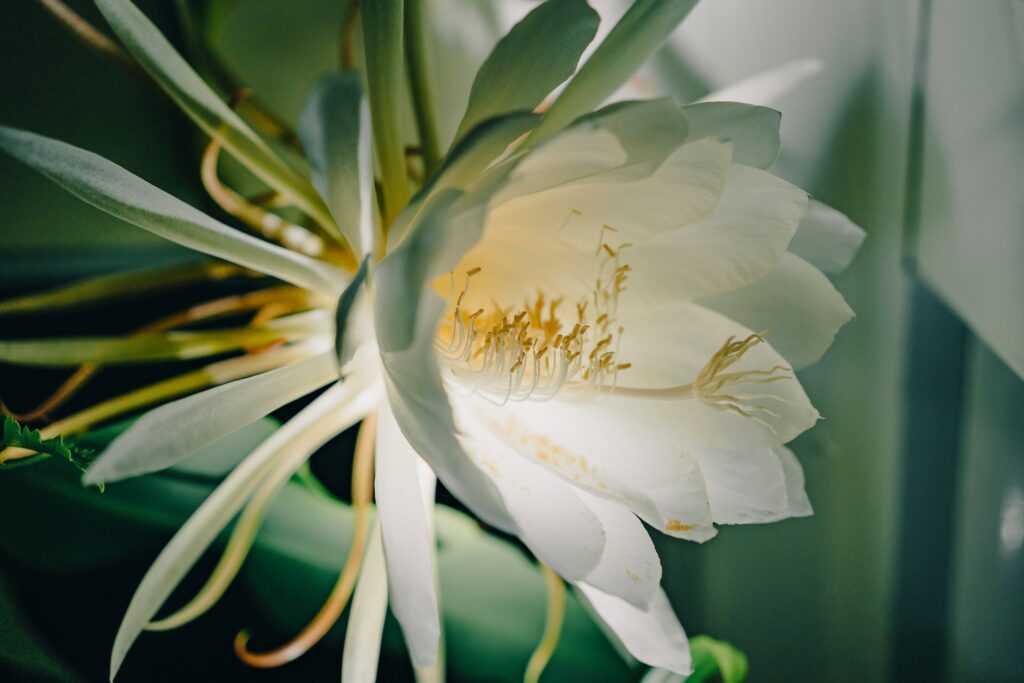
Queen of the Night Cactus is a unique plant. You may also hear it called Epiphyllum oxypetalum. This cactus is known for its large, .
The blooms only open at night and last for just one night. If you want to see them, you’ll need to stay up late. The flowers have a light, sweet scent.
You can grow this cactus inside or outside, depending on your climate. It likes warm temperatures and a little bit of shade. Give it soil that drains well and water it when the soil gets dry.
This cactus usually blooms from late spring to summer. You might notice buds forming in May or June. When the flower opens, it’s a cool thing to see.
| Plant Varieties | Growing Zone | Blooming Period |
|---|---|---|
| Epiphyllum oxypetalum | 10-11 | May to July |
5) Night Gladiolus
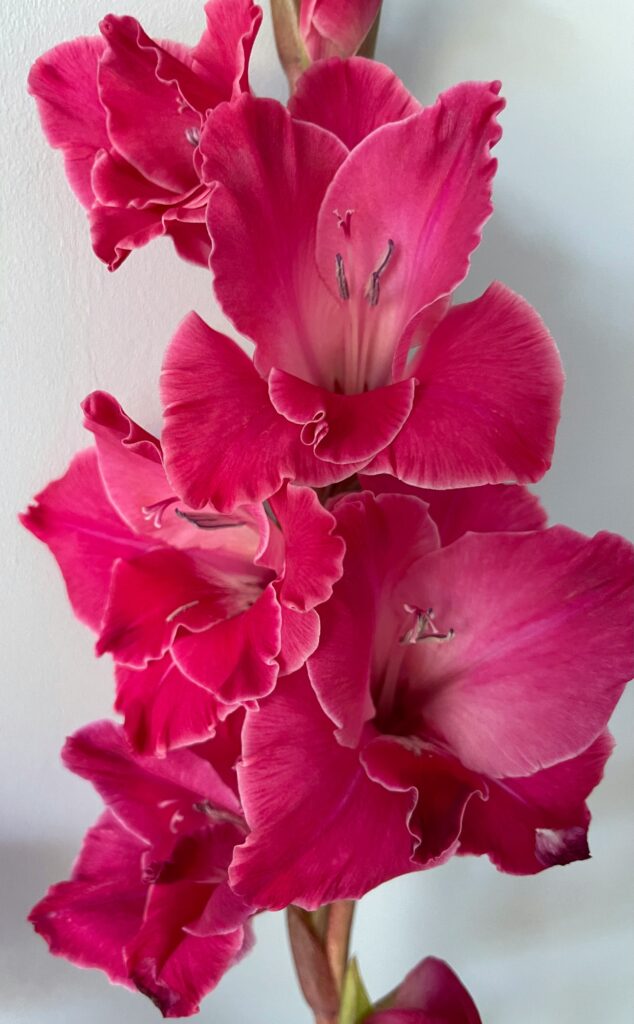
Night Gladiolus is a flower that opens in the evening. It stands out because of its yellow blossoms. These flowers have a gentle look and a faint, spicy scent.
You can spot Night Gladiolus in gardens where nights are cool. You do not need to fuss over them much. They like sandy or well-drained soil and do best in sunny areas.
This plant blooms in late spring and keeps going into the summer. The flowers open after the sun goes down and close as the day warms up. That makes them special if you like flowers that are active at night.
Night Gladiolus grows best in zones that do not get too cold. If you live in a place with mild winters, you can try growing them outside.
| Plant Varieties | Growing Zone | Blooming Period |
|---|---|---|
| Night Gladiolus | 7–10 | May to July |
6) Four O’Clock Flower
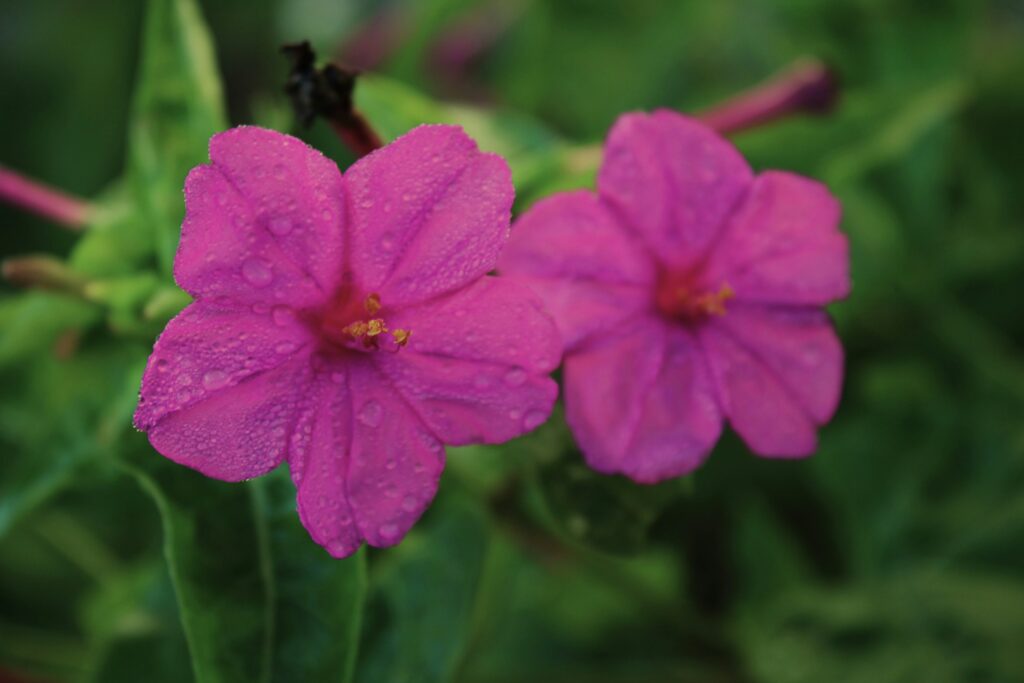
The Four O’Clock Flower gets its name because the blooms usually open in the late afternoon or early evening. These flowers stay open through the night and close up in the morning when the sun rises. This makes them a good pick if you want color later in the day.
You can find Four O’Clock Flowers in lots of colors including pink, white, yellow, and red. The plants themselves are bushy and usually grow about two to three feet tall. They are easy to care for once you plant them in the right spot.
These flowers like full sun but also do fine in partial shade. They are great for garden beds, borders, and even containers. Hummingbirds and moths visit them at night, which can be fun to watch.
If you want a flower that fills your yard with a sweet smell at night, Four O’Clock is a solid choice.
| Plant Varieties | Growing Zone | Blooming Period |
|---|---|---|
| Mirabilis jalapa | 7-11 | May to October |
| Marvel of Peru | 7-11 | June to October |
7) Angel’s Trumpet
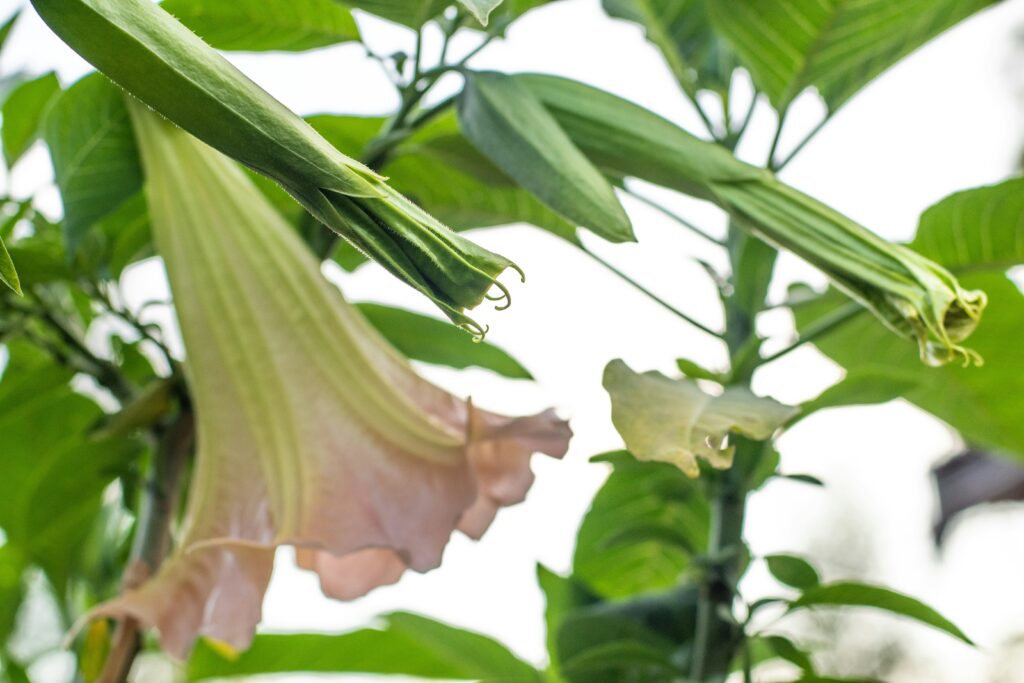
Angel’s Trumpet is a tall plant with big, trumpet-shaped flowers that hang down. The flowers open up in the evening and smell sweet, especially at night.
You might spot them in colors like white, yellow, or pink. These flowers look dramatic in a garden and stand out after sunset.
Angel’s Trumpet grows best in warm places. It does need some care because all parts of the plant are toxic. Keep it away from kids and pets.
If you want to grow it, give it sun in the morning and a little shade in the afternoon. Water it often but don’t let the soil get soggy.
The plant often starts blooming in late spring and can go on until the fall. You can enjoy its big blooms for a long season if you live somewhere warm.
| Plant Variety | Growing Zone | Blooming Period |
|---|---|---|
| Brugmansia suaveolens | 9-11 | May to October |
| Brugmansia arborea | 9-11 | May to October |
| Brugmansia versicolor | 9-11 | May to November |
8) Datura
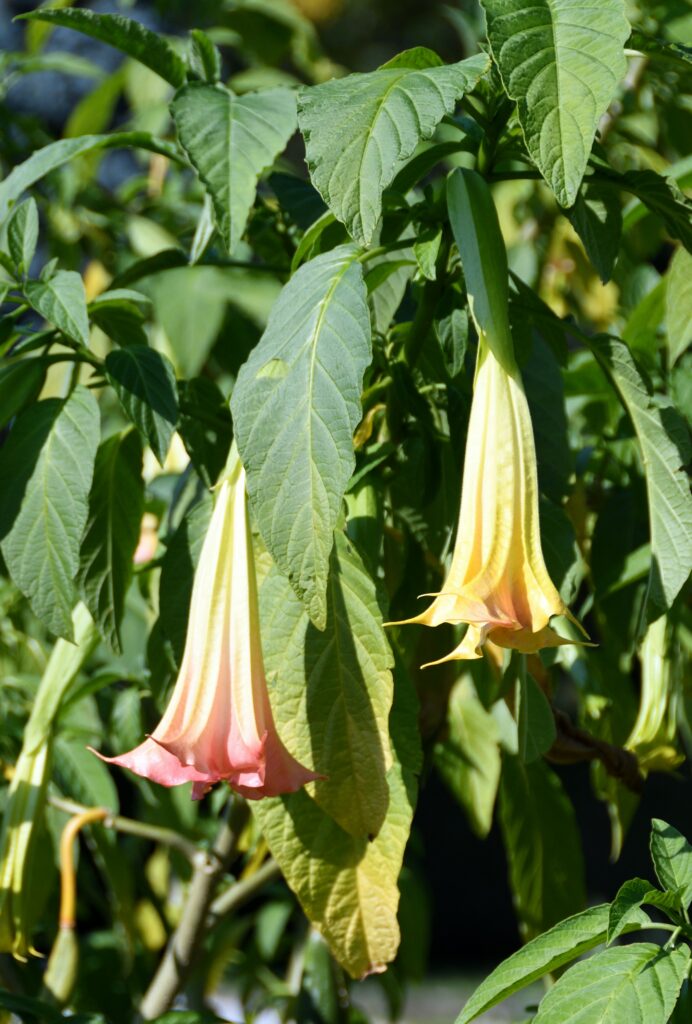
Datura is a night-blooming flower that you might see opening at dusk. The blooms look like big, trumpet-shaped cups, usually white or pale purple. They stand out in the dark and can have a mild scent.
You can grow datura in your garden if you have warm weather. It likes lots of sun during the day but opens its flowers in the evening. Watch out, though—every part of the plant is toxic, so keep it away from kids and pets.
Datura plants can grow pretty quickly. They need well-drained soil and a spot where they won’t get too much water. If you live in a cooler area, you might need to plant them in pots and move them inside when it gets cold.
You’ll usually notice datura blooming in the summer. The flowers only last a day or two, but new ones keep popping up at night for several weeks.
| Plant Varieties | Growing Zone | Blooming Period |
|---|---|---|
| Datura inoxia | 9-11 | June to August |
| Datura metel | 9-12 | May to July |
| Datura stramonium | 6-10 | June to August |
9) Mirabilis Jalapa
You’ll see flowers in lots of colors like pink, yellow, white, and even red. Sometimes you’ll find petals with more than one color on the same plant. It’s common in many gardens because it’s easy to grow from seeds.
This plant does best in full sun, but it will still bloom if you give it some shade. It likes well-drained soil, so you don’t want to let its roots stay soggy. Water it, but don’t overdo it.
Mirabilis Jalapa is a favorite for people who want flowers that thrive in the evening. You might spot moths and other pollinators visiting the blooms at night. They add fun color to your yard when many other flowers are closed.
| Plant Varieties | Growing Zone | Blooming Period |
|---|---|---|
| Standard Mix | 7-10 | May to October |
| Kaleidoscope | 7-10 | May to October |
| Limelight | 7-10 | May to October |
10) Night-Scented Stock
Night-scented stock is a simple-looking flower, but it’s famous for its strong scent at night. During the day, the small blooms might look a bit plain. When the sun sets, though, you’ll notice the sweet, clove-like fragrance filling the air.
This flower usually comes in light pinks, purples, and whites. You can grow it in pots or garden beds. It does best where it gets sun during the day and cooler temps at night.
Night-scented stock is easy to grow from seed. Sow seeds in early spring, and water them regularly. When the summer evenings arrive, you’ll enjoy the relaxing scent around your porch or open windows.
Here’s some quick info about this flower:
| Plant Varieties | Growing Zone | Blooming Period |
|---|---|---|
| Matthiola longipetala | 2-11 | May to July |
11) Tuberose
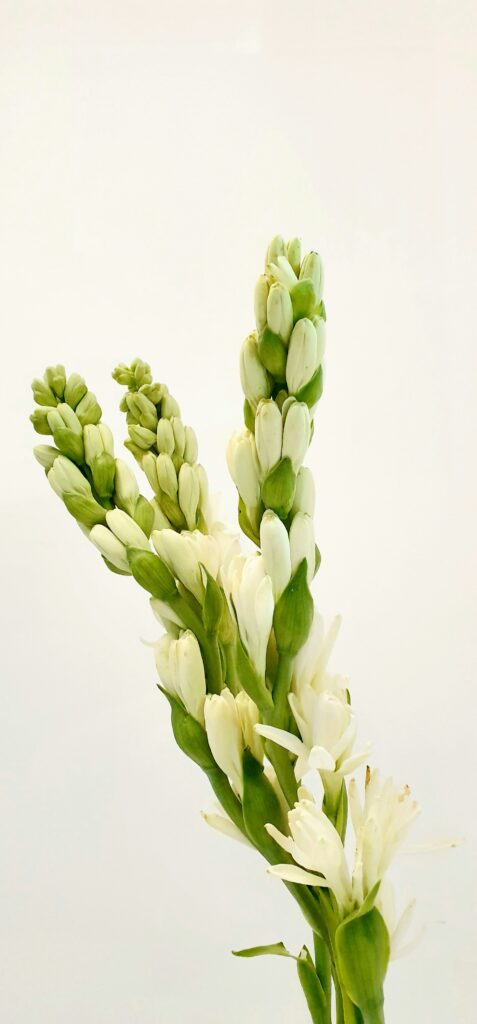
Tuberose is a night-blooming flower you might see in gardens and floral shops. Its white, waxy petals are packed in spikes, making it stand out in the evening.
This flower smells strongest at night. Some people say the scent is sweet and rich. If you like fragrances, you’ll probably enjoy having tuberose in your yard or home.
Tuberose grows best in warm places with full sunlight during the day. It needs regular watering but doesn’t like soggy soil. You can grow it in garden beds or large pots.
If you plant tuberose bulbs in spring, you’ll start seeing flowers by mid or late summer. The blooms last for several weeks.
They are popular in flower arrangements because they look elegant and last long after cutting. You might even see tuberose used in perfumes.
| Plant Varieties | Growing Zone | Blooming Period |
|---|---|---|
| Polianthes tuberosa | 7–10 | July to October |
12) Night Phlox
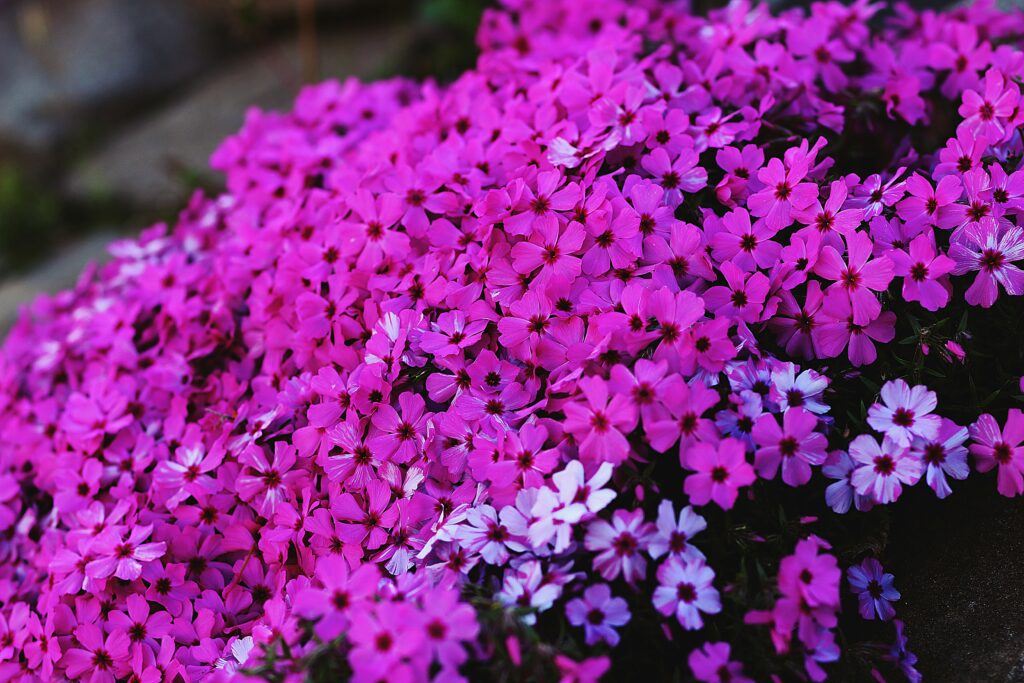
Night Phlox, sometimes called Midnight Candy, is a flower that opens in the evening. Its blooms are star-shaped and can be white or purple. When the sun goes down, you start to notice their sweet smell.
You might catch the scent if you plant them close to a window or your patio. People describe the smell as a mix of honey, vanilla, and sometimes even chocolate.
Night Phlox does well in garden beds or containers. If you have full sun in the daytime and cooler nights, this plant should grow easily for you. It likes soil that drains well and does not need a lot of water.
This flower usually blooms from late spring into the summer. The blossoms last all night and close up again during the day.
| Plant Variety | Growing Zone | Blooming Period |
|---|---|---|
| Zaluzianskya capensis (Night Phlox) | 9–11 | May to July |
13) Nicotine Plant
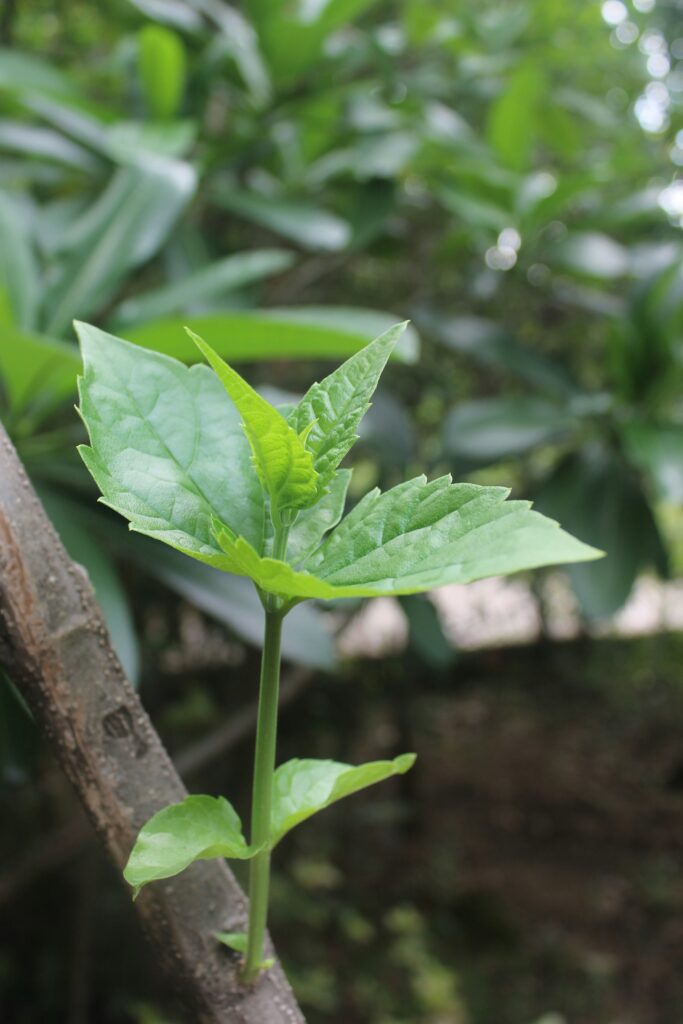
The nicotine plant, also called Nicotiana, is not just for making tobacco. You can grow it in your garden for its pretty, night-blooming flowers. The flowers open as the sun goes down.
You’ll notice they have a sweet, strong smell at night. This scent attracts moths and other nighttime pollinators.
Nicotine plant flowers can be white, pink, red, or even green. The blooms are star-shaped and look lovely in a moonlit garden.
These plants like warm weather and well-drained soil. Plant them in a spot that gets sun during the day.
Water them often, but don’t let the dirt get soggy. In colder places, you might grow them as annuals since they don’t handle frost well.
Check out the table below for some quick facts.
| Plant Varieties | Growing Zone | Blooming Period |
|---|---|---|
| Nicotiana alata | 9-11 | May to September |
| Nicotiana sylvestris | 8-10 | June to August |
| Nicotiana tabacum | 9-11 | June to September |
14) Night Tulip
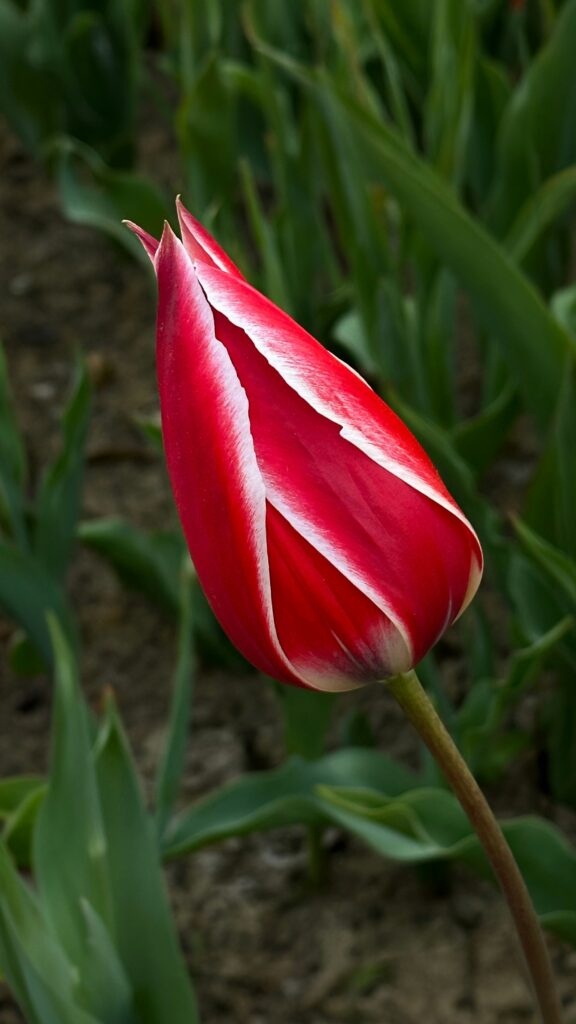
Night tulip is a special type of tulip that blooms later in the day and sometimes opens up in the evening. These often have deep, rich colors. You might notice purple, maroon, or almost black petals.
You can plant night tulips in your garden just like common tulip varieties. They do best in spots that get full sun during the day. In the evening, the petals may open wider, adding a unique look to your yard at night.
Night tulips are not as common as classic tulips. Still, you can find several varieties in local garden centers or online. Make sure you plant the bulbs during the right season for your area.
These flowers bring extra color to your garden after other tulips have closed for the night. You’ll enjoy seeing their blooms if you like spending time outdoors in the evening.
| Plant Varieties | Growing Zone | Blooming Period |
|---|---|---|
| Queen of Night | 3-7 | April to May |
| Black Hero | 3-8 | April to May |
| Paul Scherer | 3-7 | April to May |
15) Selenicereus Grandiflorus
Selenicereus grandiflorus is sometimes called the Queen of the Night. You might also hear it called night-blooming cereus. The flowers are large, creamy white, and smell sweet.
These flowers only bloom for one night each year. If you want to see them open, you have to stay up late. By morning, the blooms close and wilt.
This plant is a type of cactus. It grows well in warm places. If you live somewhere cool, you may have to grow it inside.
It needs well-draining soil and lots of bright, indirect sunlight. You should water it when the soil dries out. Try not to overwater, because cactus roots can rot.
Some people grow Selenicereus grandiflorus for its pretty flowers. Others like it because it’s different from regular daytime-blooming plants.
| Plant Varieties | Growing Zone | Blooming Period |
|---|---|---|
| S. grandiflorus (common) | 10-11 | May to July |
| S. grandiflorus minor | 10-11 | May to July |
16) Brugmansia
Brugmansia is often called Angel’s Trumpet because of its big, trumpet-shaped flowers that hang down. These flowers open up in the evening and fill the air with a strong, sweet smell. You’ll usually spot them in colors like white, yellow, or pink.
You can grow Brugmansia as a large shrub or a small tree. It likes warm climates and does well in pots in colder places, where you can bring it inside for winter. If you plant it in your garden, give it rich soil and regular water.
The flowers are pretty eye-catching at night. They attract moths and other nighttime pollinators. Keep in mind that every part of Brugmansia is toxic, so grow it carefully if you have kids or pets.
Brugmansia likes a spot with some sun in the day but prefers shade in the hottest hours. Feed it every few weeks during the growing season to help it make lots of flowers.
| Plant Varieties | Growing Zone | Blooming Period |
|---|---|---|
| Brugmansia suaveolens | 9-11 | May to October |
| Brugmansia arborea | 9-11 | June to October |
| Brugmansia sanguinea | 9-11 | June to September |
17) Cestrum Nocturnum
Cestrum Nocturnum is also called Night-Blooming Jasmine. This shrub has small, white-green flowers that open after dark. If you walk near it at night, you’ll notice a strong, sweet scent.
This plant can grow pretty tall—sometimes reaching 10 feet. The leaves are narrow and shiny green. You can plant it in the ground or keep it in a big pot.
Night-Blooming Jasmine likes warm weather and full sun. It can handle some shade but will bloom more if it gets enough light. Water it regularly, but let the soil dry out a bit between waterings.
It usually blooms in summer and fall, filling your garden with its perfume at night. If you want pollinators like moths, this plant is a good choice.
| Plant Varieties | Growing Zone | Blooming Period |
|---|---|---|
| Cestrum Nocturnum (species) | 8-11 | May to October |
18) Bat Flower
The bat flower is a unique plant with dark, wing-shaped petals and long whisker-like strands. It really stands out, especially when other flowers have closed for the night.
This flower is usually black or deep purple, which is a pretty rare color among blooms. Its strange look makes it a fun conversation starter for gardeners and plant lovers.
Bat flowers prefer warm, humid spots. You should keep them away from the cold, as they don’t handle frost well. They’re most at home in a greenhouse or a sheltered, shady garden corner.
At night, these flowers open up and show their wild shape. If you like plants that are a bit mysterious and unusual, this one might be perfect for you.
| Plant Varieties | Growing Zone | Blooming Period |
|---|---|---|
| Tacca chantrieri | 10-12 | May to July |
| Tacca integrifolia | 10-12 | May to July |
19) Night-Scented Orchid
If you like flowers that stand out in the evening, the Night-Scented Orchid might be for you. This orchid is also called Epidendrum nocturnum. It’s known for its white or pale green petals.
You’ll notice its sweet smell most after sunset. The scent gets stronger as it gets dark, which makes it special compared to many other orchids. This makes it fun to add near a porch or window where you can enjoy the fragrance.
Night-Scented Orchids do best in warm, humid places. They like filtered light, so don’t put them in harsh sun. You can try growing them in pots indoors if your area is chilly.
The blooms usually appear for several months during the warm parts of the year. The flowers look delicate but can last a long time.
| Plant Varieties | Growing Zone | Blooming Period |
|---|---|---|
| Epidendrum nocturnum | 10-11 | May to July |
20) Damask Rose
The Damask rose is famous for its strong fragrance. You might notice its sweet scent drifting through the air on warm evenings. These can look pink or light red, and their petals are soft and layered.
If you like flowers that open later in the day, Damask roses are a good pick. Many people use them to make rose oil and perfumes. The blooms look classic and feel old-fashioned, perfect for a home garden.
You’ll want to plant damask roses somewhere with good sunlight. They need enough air flow to keep the leaves healthy. With just a bit of care, these roses can brighten up your space at night.
| Plant Varieties | Growing Zone | Blooming Period |
|---|---|---|
| Rosa x damascena | 5-9 | May to July |
| Rosa damascena ‘Trigintipetala’ | 5-9 | May to July |
| Rosa damascena ‘Kazanlik’ | 5-9 | May to July |
21) Gelsemium
Gelsemium is also called Carolina Jessamine. It’s a vine that grows well in the southern United States. You’ll spot its yellow trumpet-shaped flowers opening up in the evening or at night.
This plant loves sunshine but can also do okay in part shade. The scent is sweet but not overpowering, and it attracts moths and bees. Gelsemium vines can climb fences, arbors, or walls.
Be careful with Gelsemium, though. All parts of the plant are poisonous if eaten, so keep it away from pets and kids. It doesn’t take much work to grow as long as the soil drains well.
If you want a nighttime pop of yellow in your garden, Gelsemium is a good choice. Just make sure you plant it somewhere safe.
| Plant Varieties | Growing Zone | Blooming Period |
|---|---|---|
| Carolina Jessamine | 7–10 | February to April |
| Swamp Jessamine | 8–10 | March to May |
| Woodland Jessamine | 7–10 | March to May |
22) Epiphyllum
Epiphyllum is often called the orchid cactus. These cool-looking plants have flat, leaf-like stems. At night, their large, dramatic flowers open and fill the air with a light scent.
You might notice the blooms in late spring or early summer. The flowers only last one night, but they are worth staying up to see. Their colors range from white to pink, yellow, or even red.
Epiphyllums like bright, indirect light. They do best in humid places and need a bit of extra water during bloom season. Think of them as easygoing houseplants if you live somewhere warm.
Here’s a look at some Epiphyllum types and what you need to know:
| Plant Variety | Growing Zone | Blooming Period |
|---|---|---|
| Epiphyllum oxypetalum | 10-11 | May to July |
| Epiphyllum anguliger | 10-11 | June to August |
| Epiphyllum pumilum | 10-11 | July to September |
23) White Frangipani
White Frangipani is a tropical flower that really stands out at night. Its white petals often glow in the moonlight, making your garden look magical. The flower has a gentle, sweet scent that is especially strong after sunset.
You might know it by another name—Plumeria. White Frangipani trees are common in warm places like Hawaii, Florida, and Southeast Asia. They are easy to spot because of their thick, shiny leaves and star-shaped flowers.
These flowers need lots of sun during the day, but they like a little shade when it gets really hot. If you plant White Frangipani in your yard, you’ll notice the blooms open wide in the evening. They often stay open until late morning.
Be careful with pets, though. The sap can be toxic if eaten. If you want pretty flowers at night and a nice fragrance, White Frangipani is a great choice for your garden.
| Plant Varieties | Growing Zone | Blooming Period |
|---|---|---|
| Plumeria alba | 10-12 | May to October |
| Plumeria obtusa | 10-12 | June to November |
24) Night Blooming Cereus
Night Blooming Cereus is a cactus with flowers that open only at night. You might hear people call it “Queen of the Night.” The blooms are white, large, and smell sweet. They appear out of nowhere and last just one night.
You’ll need to watch carefully because the flowers close by morning. The plant usually stays hidden during the day with its long, thin stems. These cacti do well in pots or planted directly in warm soil.
To get flowers, your Cereus needs warm temperatures and some dry periods. Water it lightly and make sure it gets some sunlight during the day. You can grow this plant indoors or outdoors if you live where it’s warm.
Most of these bloom in summer, often after hot days. The big flowers attract moths and other nighttime bugs.
Here’s a quick look at some kind of Night Blooming Cereus plants:
| Plant Varieties | Growing Zone | Blooming Period |
|---|---|---|
| Epiphyllum oxypetalum | 10-11 | May to July |
| Selenicereus grandiflorus | 9-11 | June to August |
| Hylocereus undatus | 10-11 | May to October |
25) Sweet Autumn Clematis
Sweet Autumn Clematis is a vine that grows fast and covers fences or trellises easily. You’ll spot small, white flowers that open up in late summer or early fall. These blooms have a gentle, sweet smell, especially at night.
This plant likes full sun but can handle some shade. It does best when you water it often, but the soil should drain well. Pruning is simple; just trim it back each spring to keep it neat.
Sweet Autumn Clematis blooms in the evening and even into the night, which is great if you enjoy your garden after dark. The flowers can attract night-flying pollinators like moths.
It’s also pretty hardy. You can grow it in a lot of different areas, and it will come back year after year. It does well even if winters get cold.
| Plant Varieties | Growing Zone | Blooming Period |
|---|---|---|
| Sweet Autumn Clematis | 5-9 | August to October |
26) Velvet Nightshade
Velvet Nightshade is a night-blooming flower that stands out in the dark. You might notice its soft leaves, which feel a little bit like velvet when you touch them. These flowers usually have shades of purple or dark blue, making them look pretty cool at night.
This plant opens its flowers during the evening and nighttime. You can often find Velvet Nightshade in dry or desert-like places if you live in warmer regions. Its blooms don’t last very long, but while they do, they can add a unique charm to your night garden.
If you want to try growing Velvet Nightshade, be prepared for it to need a lot of sunlight during the day. It’s usually grown as a tough, drought-tolerant plant. You don’t need to water it much, but make sure it gets some sun and well-drained soil.
Here’s a quick look at some facts about Velvet Nightshade:
| Plant Varieties | Growing Zone | Blooming Period |
|---|---|---|
| Solanum douglasii | 9-11 | May to July |
| Solanum nocturnum | 10-12 | June to August |
27) Star Jasmine
Star Jasmine is a vine that shows off small, white flowers that give off a sweet scent. You might notice its fragrance more at night, especially when the air is still. The flowers almost glow in the dark, making them easy to spot.
You can grow Star Jasmine on a fence, trellis, or even in a pot. It likes warm weather and does best if you plant it where it gets some sun during the day. Water it regularly, but make sure the soil drains well.
If you live in a cooler climate, you can still try growing it in containers and bring it inside during the winter. The plant doesn’t need a lot of attention once it settles in, and keeps blooming through the warmer months.
Here’s a simple table about Star Jasmine:
| Plant Varieties | Growing Zone | Blooming Period |
|---|---|---|
| Trachelospermum jasminoides | 8-11 | May to July |
| Trachelospermum asiaticum | 7-11 | May to June |
28) Tacca Chantrieri
Tacca Chantrieri is nicknamed the “Bat Flower” because its blooms look like the wings of a bat. The flower is dark purple, almost black, which makes it stand out at night.
You might notice long, whisker-like filaments hanging from the flower. These can be up to a foot long. It’s a unique choice if you want something different for your garden.
This plant likes warm, shady spots with high humidity. If you live in a cooler climate, you can try growing it indoors. The Bat Flower blooms from late spring through early fall. You’ll need to keep the soil moist but not soggy.
It’s not the easiest plant to grow, but it’s worth it if you enjoy odd and interesting flowers.
| Plant Varieties | Growing Zone | Blooming Period |
|---|---|---|
| Tacca Chantrieri | 10-11 | May to September |