23 Effortlessly Beautiful Low-Maintenance Flowers for Easy-Care Gardens
Want a gorgeous garden without the constant watering, deadheading, and fuss? You’re not alone—and the good news is, there are plenty of stunning flowers that thrive with minimal effort.
Whether you’re a beginner gardener, short on time, or just want blooms that practically take care of themselves, low-maintenance flowers are the secret to a stress-free, thriving landscape.
These 23 easygoing plants are tough, reliable, and beautiful. Most are drought-tolerant, pest-resistant, and come back year after year without a lot of extra care. Ideal for busy homeowners or anyone who wants maximum color with minimal work, these flowers prove that simple really can be spectacular.
1) Black-Eyed Susan
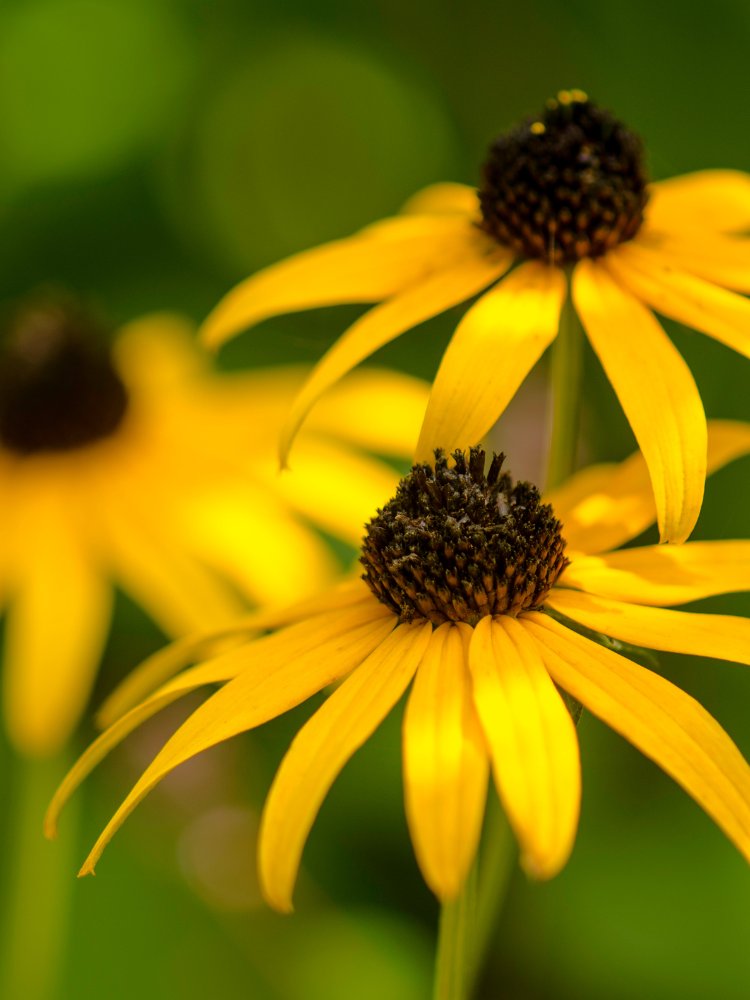
Black-eyed Susan is a classic, cheerful flower with bright yellow petals and a dark brown center. These bloom from mid-summer into fall and are perfect for creating waves of color with very little effort.
They thrive in full sun and average soil, tolerate drought, and are highly resistant to pests and disease. Once established, they need little watering and no pampering—just enjoy the show.
They also attract pollinators and look great in naturalized areas, borders, or cottage gardens. Deadheading can extend blooming, but it’s not essential.
| Plant Varieties | Growing Zone | Blooming Period |
|---|---|---|
| Rudbeckia ‘Goldsturm’ | 3–9 | July to |
| Rudbeckia hirta | 3–9 | June to October |
| Rudbeckia ‘Little Goldstar’ | 4–9 | July to September |
2) Coneflower
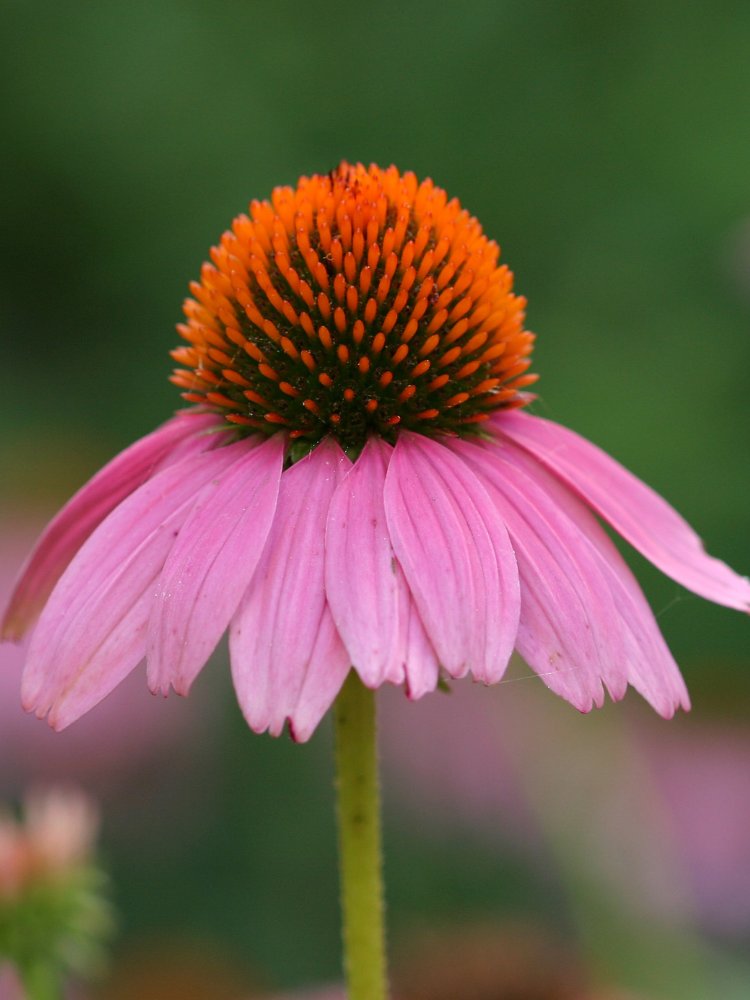
Coneflowers are low-maintenance favorites thanks to their drought tolerance, long bloom time, and ability to attract pollinators. With bold, daisy-like flowers in purples, pinks, whites, and oranges, they add vibrant color from mid-summer into fall.
They thrive in full sun and poor to average soil, and they rarely need staking or extra watering. Deer typically leave them alone, and the seed heads feed birds in winter.
Cut them back in late fall or leave the dried flower heads standing for seasonal interest.
| Plant Varieties | Growing Zone | Blooming Period |
|---|---|---|
| Echinacea purpurea | 3–9 | June to August |
| Coneflower ‘Magnus’ | 3–9 | Summer to Early Fall |
| Coneflower ‘PowWow Wild Berry’ | 3–8 | Summer to Frost |
3) Daylily
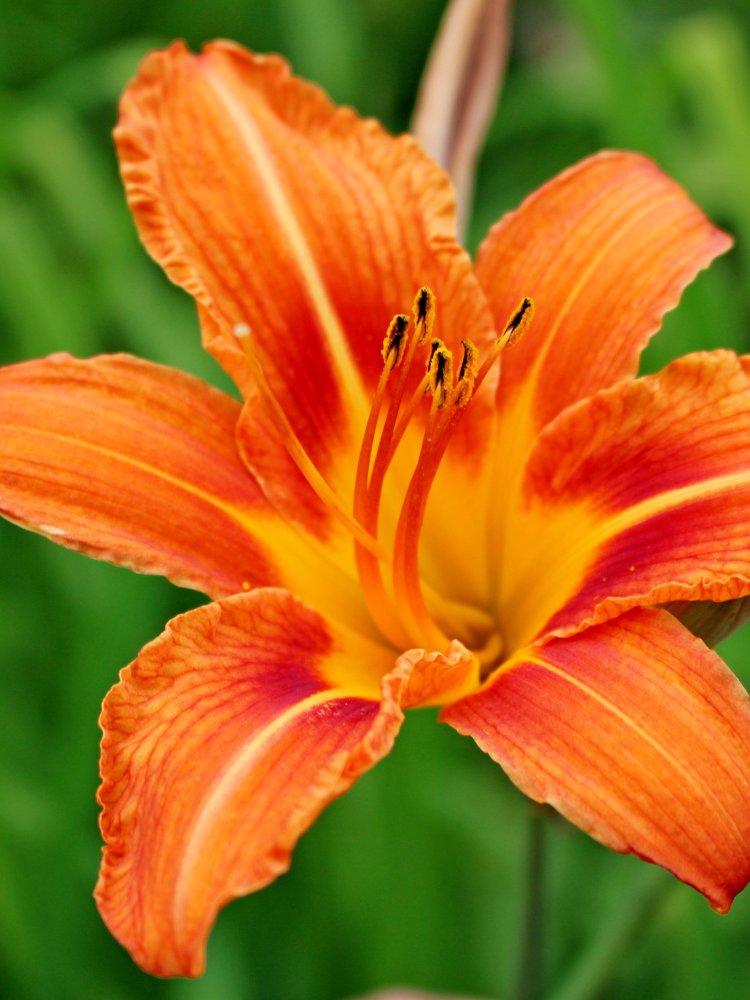
Daylilies are incredibly tough and dependable flowers, known for thriving in nearly any condition. Each bloom lasts just one day, but mature plants can produce hundreds of flowers over several weeks.
They’re tolerant of heat, drought, and poor soil and rarely face pest or disease issues. Just plant in full sun or partial shade and enjoy years of beauty with almost no maintenance.
Divide every few years to keep plants vigorous and share with fellow gardeners.
| Plant Varieties | Growing Zone | Blooming Period |
|---|---|---|
| Hemerocallis ‘Stella de Oro’ | 3–10 | Early Summer to Fall |
| Hemerocallis ‘Happy Returns’ | 3–9 | Summer |
| Hemerocallis ‘Ruby Spider’ | 3–9 | Mid to Late Summer |
4) Blanket Flower
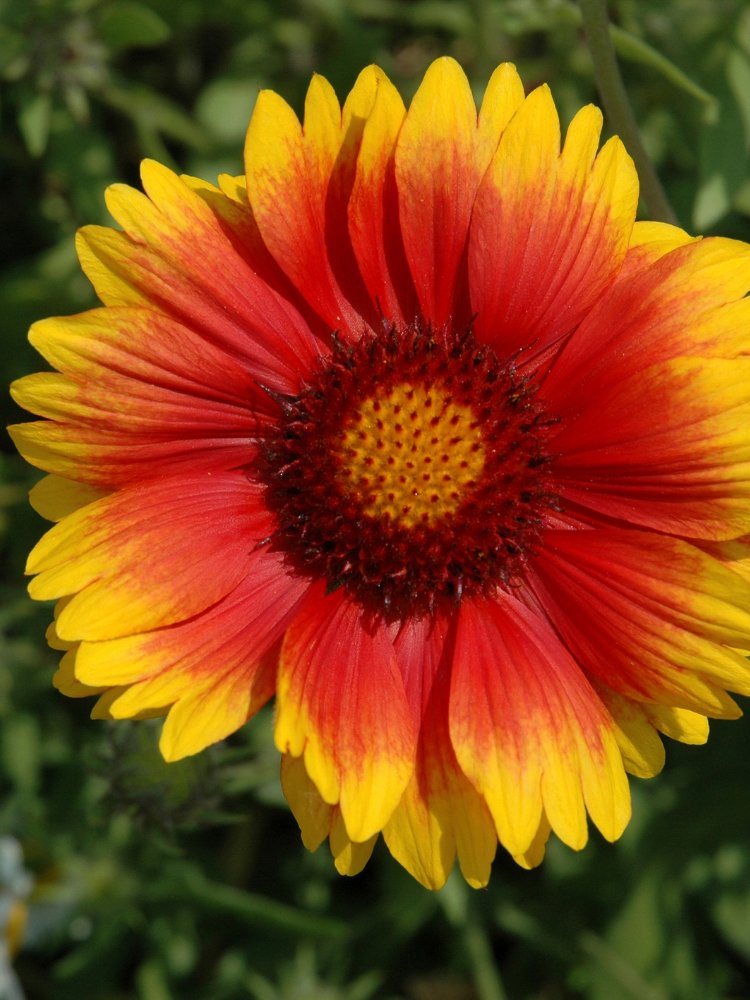
Blanket flower offers fiery red, orange, and yellow blooms that light up sunny spaces from early summer to fall. These hardy perennials are heat- and drought-tolerant, thriving in poor soil and full sun.
They require little more than occasional watering and deadheading to keep blooming. Perfect for wildflower gardens, borders, and low-maintenance beds.
Blanket flowers also attract butterflies and bees while resisting deer and rabbits.
| Plant Varieties | Growing Zone | Blooming Period |
|---|---|---|
| Gaillardia ‘Arizona Sun’ | 3–10 | June to September |
| Gaillardia ‘Goblin’ | 3–9 | Early Summer to Fall |
| Gaillardia ‘Mesa Yellow’ | 5–9 | Summer |
5) Yarrow
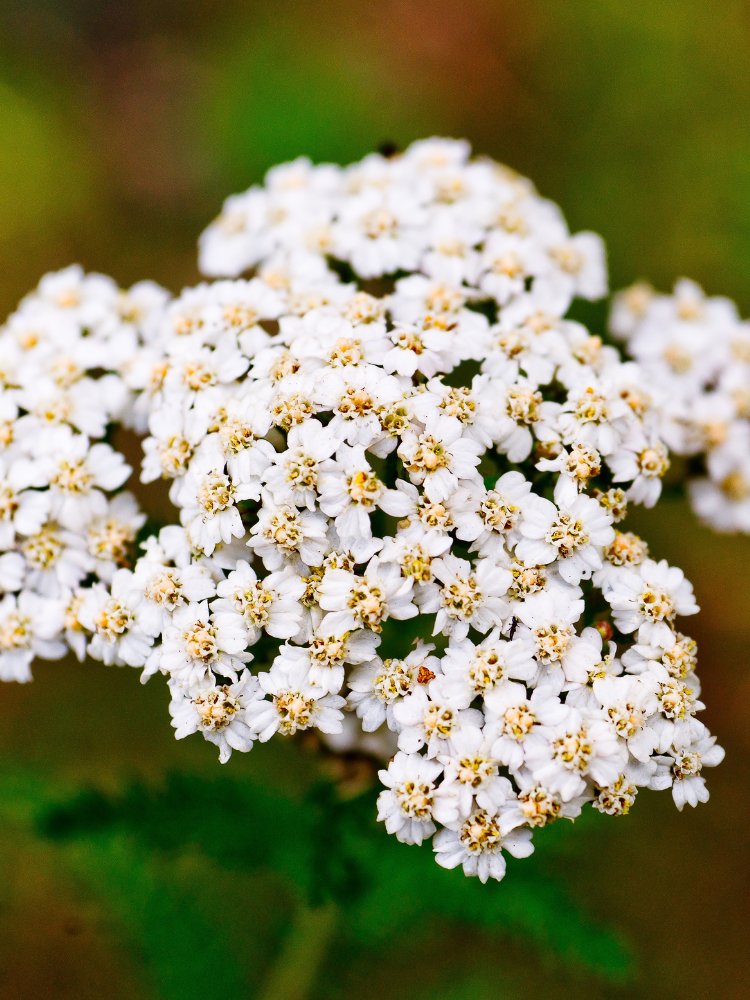
Yarrow is a hardy, drought-resistant flower that thrives in full sun and poor soil. Its flat-topped clusters bloom in white, yellow, pink, and red, attracting pollinators and offering a long-lasting display from early summer into fall.
This perennial is extremely low-maintenance, requiring little watering or care once established. It also resists deer and pests, making it a strong choice for tough gardening spots.
Yarrow spreads gradually and can be divided every few years to keep it in check.
| Plant Varieties | Growing Zone | Blooming Period |
|---|---|---|
| Achillea ‘Moonshine’ | 3–9 | June to September |
| Achillea ‘Paprika’ | 3–9 | Early Summer |
| Achillea ‘Summer Berries’ | 3–9 | Summer |
6) Coreopsis
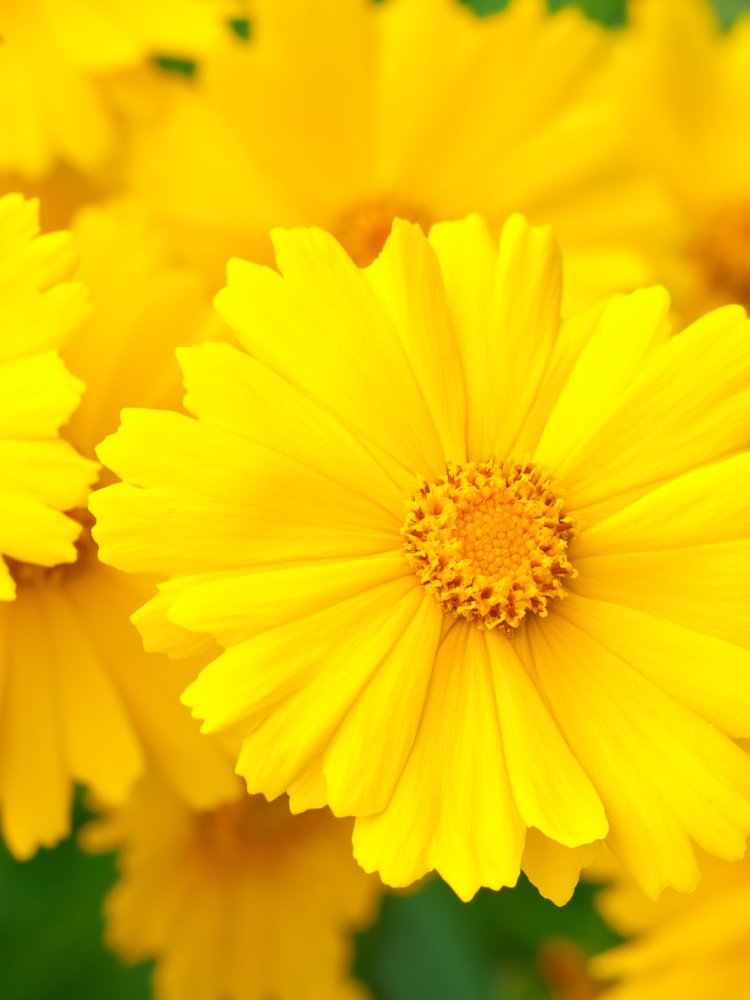
Coreopsis, or tickseed, is a sun-loving perennial known for its daisy-like flowers in shades of yellow, red, and pink. These plants bloom profusely from early summer into fall and are incredibly tolerant of poor soil, drought, and neglect.
They thrive in full sun and require little more than occasional deadheading to keep blooming. Most varieties are long-lived and self-sufficient, making them perfect for low-maintenance beds, borders, and meadows.
Pollinator-friendly and deer-resistant, coreopsis is a must-have for easy-care gardens.
| Plant Varieties | Growing Zone | Blooming Period |
|---|---|---|
| Coreopsis ‘Zagreb’ | 4–9 | June to August |
| Coreopsis ‘Early Sunrise’ | 4–9 | June to October |
| Coreopsis ‘Moonbeam’ | 4–9 | June to September |
7) Sedum
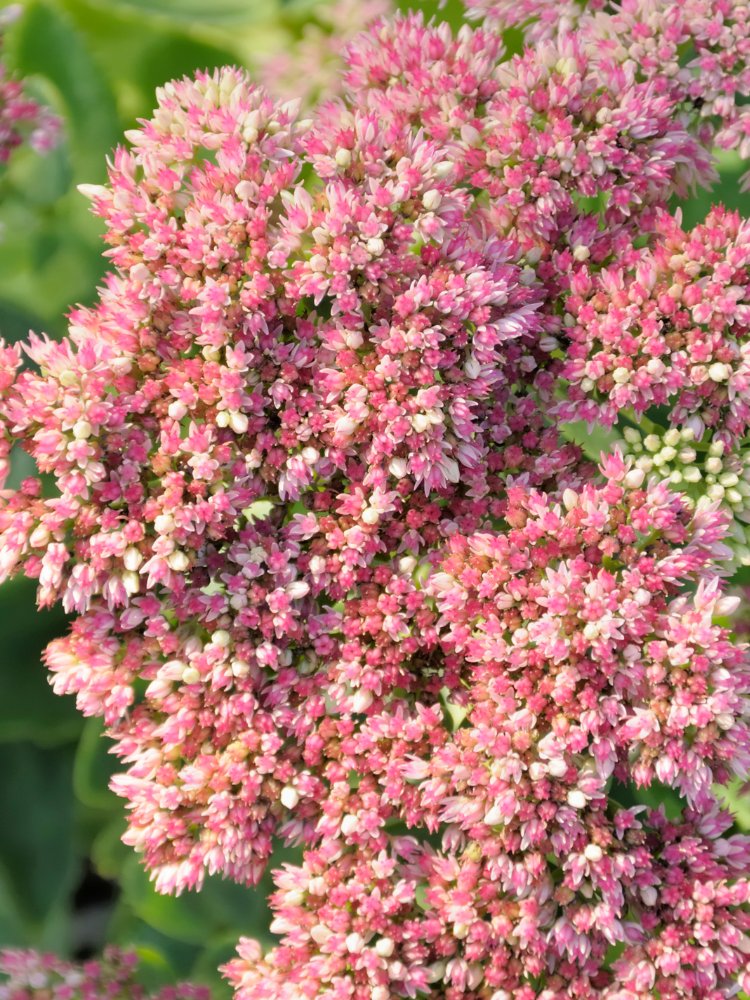
Sedum, also known as stonecrop, is a succulent perennial that thrives on neglect. With fleshy leaves and clusters of starry flowers, it handles heat, drought, poor soil, and full sun with ease.
Late-blooming varieties like ‘Autumn Joy’ add seasonal interest when other flowers fade, while groundcover types form tidy, weed-suppressing mats. Sedum is ideal for borders, , and containers.
Just plant it and forget it—no fertilizing, watering, or fussing required.
| Plant Varieties | Growing Zone | Blooming Period |
|---|---|---|
| Sedum ‘Autumn Joy’ | 3–9 | August to October |
| Sedum ‘Dragon’s Blood’ | 3–9 | Summer |
| Sedum ‘Matrona’ | 3–9 | Late Summer to Fall |
8) Russian Sage
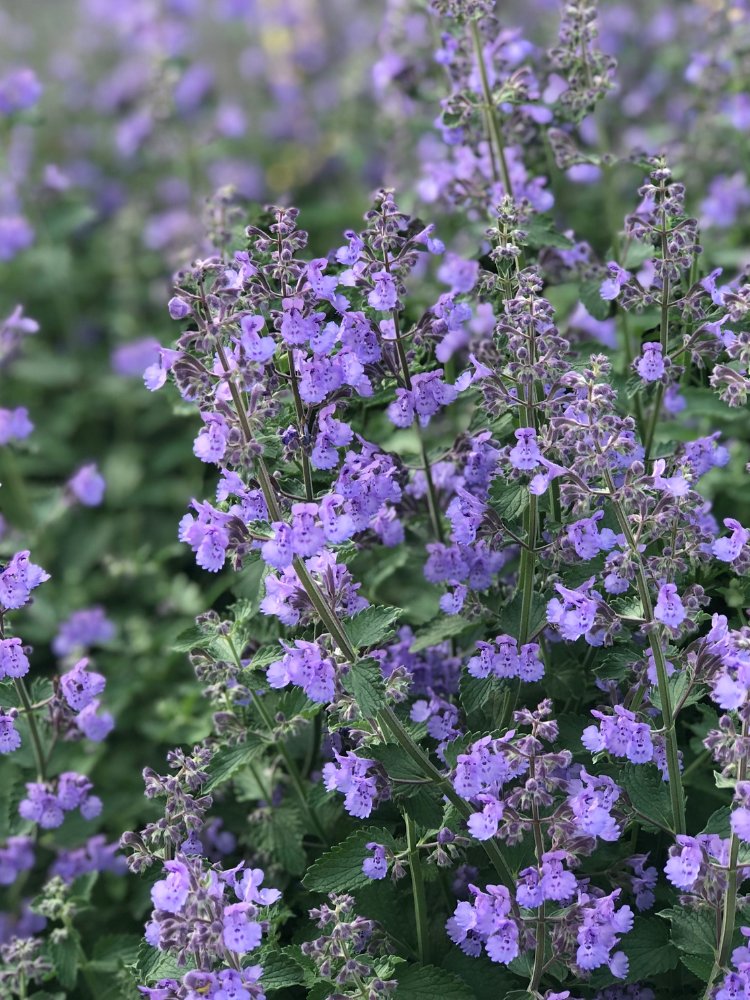
Russian sage is a tough-as-nails perennial with wispy stems of silvery foliage and long spikes of lavender-blue flowers. It thrives in hot, dry conditions and poor soil, making it ideal for xeriscaping or low-water gardens.
Its aromatic leaves deter deer and rabbits, and the plant requires no staking or special care. Just give it full sun and good drainage, and it will reward you with a long bloom season and minimal maintenance.
It pairs beautifully with coneflowers, yarrow, and ornamental grasses.
| Plant Varieties | Growing Zone | Blooming Period |
|---|---|---|
| Perovskia atriplicifolia | 5–9 | July to October |
| Russian Sage ‘Blue Jean Baby’ | 4–9 | Summer to Fall |
| Russian Sage ‘Denim ‘n Lace’ | 4–9 | Midsummer to Fall |
9) Bee Balm
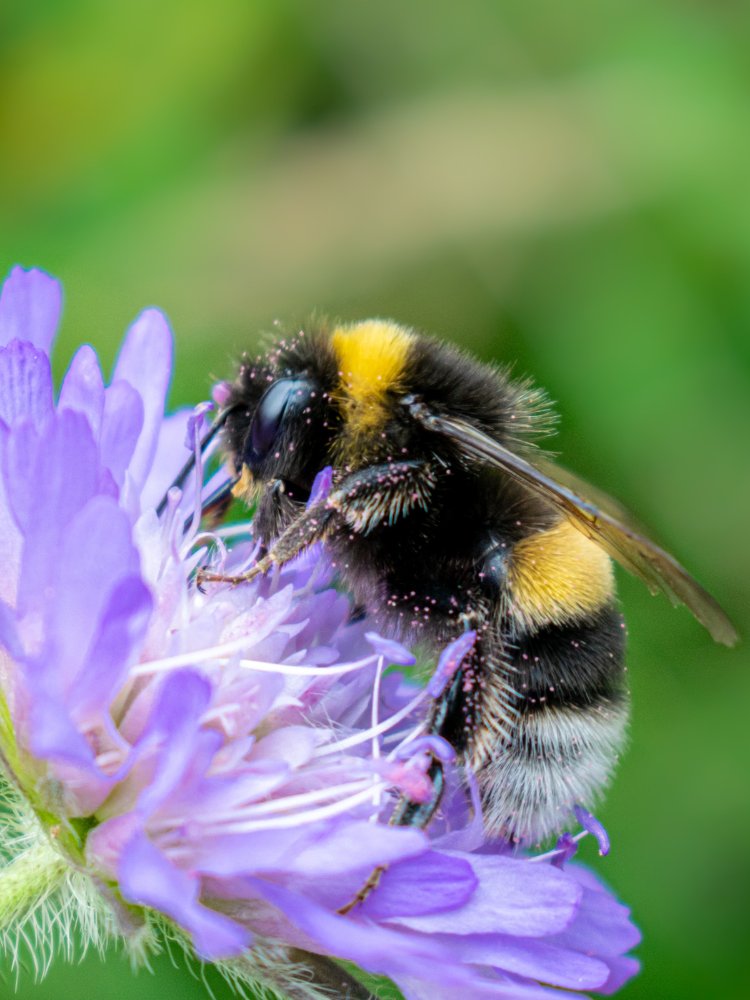
Bee balm is a bold and colorful perennial that produces whorls of red, pink, purple, or white blooms that attract bees, butterflies, and hummingbirds. It thrives in full sun or partial shade and moist, well-drained soil.
Newer, mildew-resistant varieties make this already low-maintenance plant even easier to grow. Deadheading encourages more blooms, but even left alone, it provides a long summer show.
Its aromatic foliage adds extra appeal and makes it resistant to deer.
| Plant Varieties | Growing Zone | Blooming Period |
|---|---|---|
| Monarda ‘Jacob Cline’ | 4–9 | July to August |
| Monarda ‘Raspberry Wine’ | 4–9 | Mid to Late Summer |
| Monarda ‘Petite Delight’ | 3–9 | Summer |
10) Catmint
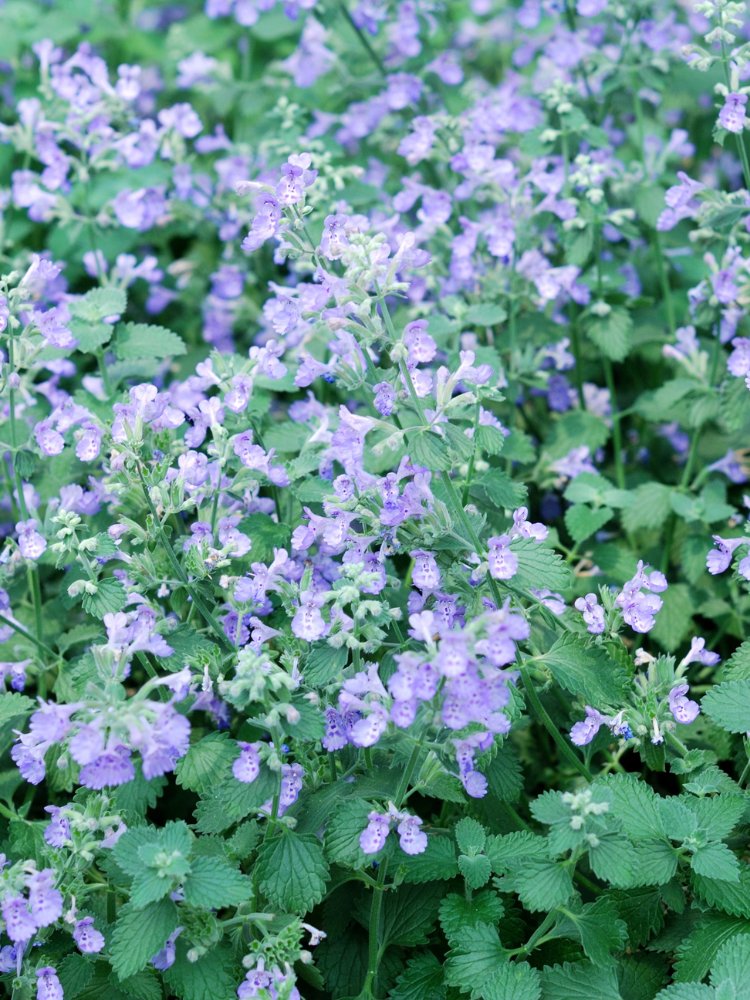
Catmint is an all-star low-maintenance flower, known for its soft gray-green foliage and long-blooming lavender-blue flowers. It’s drought-tolerant, pest-resistant, and thrives in sun and poor soil.
Once established, it requires almost no watering and spreads gently without becoming invasive. Trim it back after the first flush of blooms to encourage a second round.
Catmint is excellent for edging, pollinator gardens, and alongside paths.
| Plant Varieties | Growing Zone | Blooming Period |
|---|---|---|
| Nepeta ‘Walker’s Low’ | 3–9 | May to September |
| Nepeta ‘Junior Walker’ | 5–9 | Summer |
| Nepeta ‘Cat’s Pajamas’ | 3–8 | Late Spring to Fall |
11) Shasta Daisy
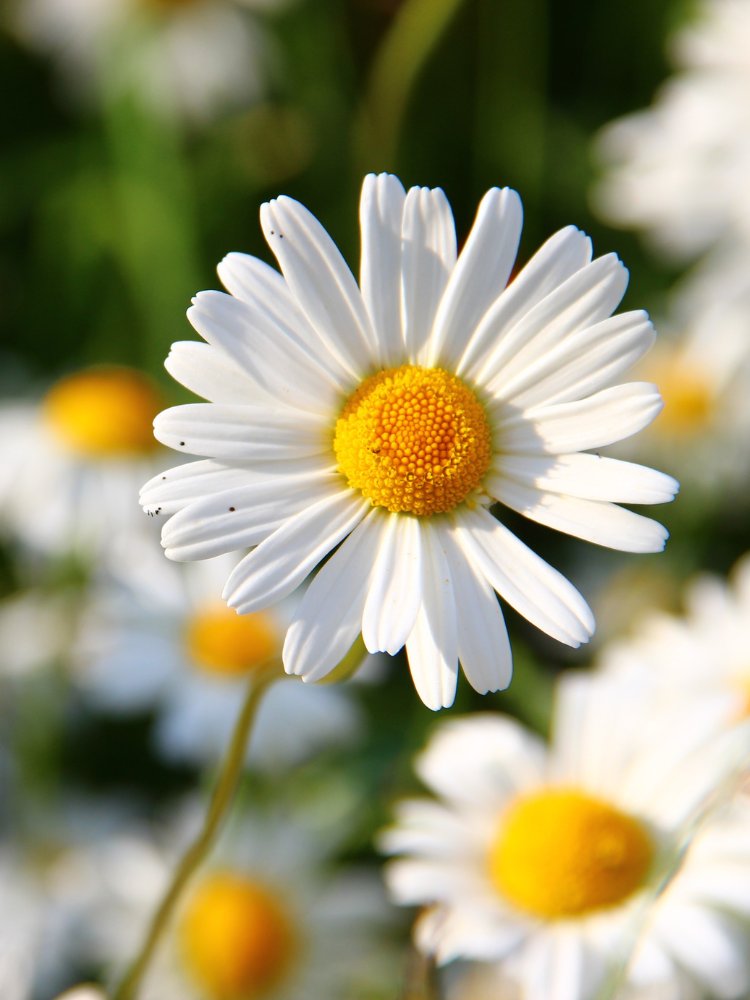
Shasta daisies are classic, fuss-free perennials with bright white petals and sunny yellow centers. They bloom reliably in early to mid-summer and require very little care once established.
They thrive in full sun and well-drained soil, tolerate drought, and resist deer. Deadhead to prolong flowering, but otherwise, they’ll keep your garden looking fresh with minimal input.
Perfect for borders, pollinator beds, and cut flower gardens.
| Plant Varieties | Growing Zone | Blooming Period |
|---|---|---|
| Leucanthemum ‘Becky’ | 5–9 | June to August |
| Leucanthemum ‘Snowcap’ | 5–9 | Early Summer |
| Leucanthemum ‘Crazy Daisy’ | 5–9 | July to September |
12) Lavender
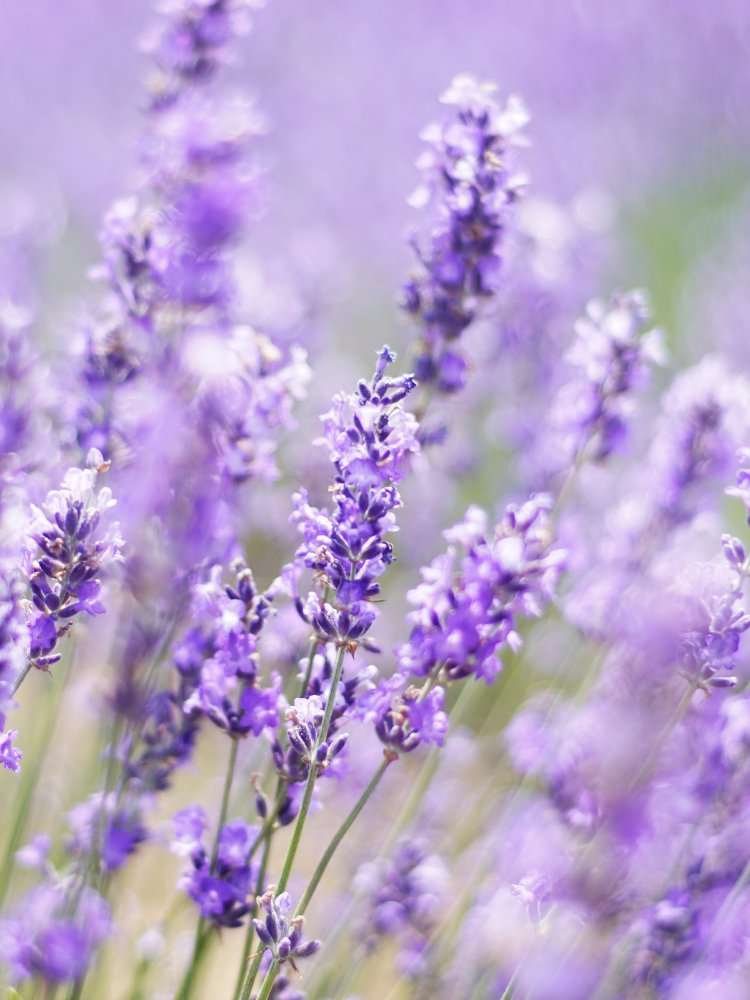
Lavender is a fragrant, drought-tolerant perennial with soothing purple blooms and silvery foliage. Once established, it thrives in dry, poor soil and full sun with minimal care.
Prune lightly after flowering to maintain shape and encourage reblooming. Lavender is deer-resistant, attracts pollinators, and can be used fresh or dried in crafts and cooking.
Ideal for borders, rock gardens, and container planting in low-water gardens.
| Plant Varieties | Growing Zone | Blooming Period |
|---|---|---|
| English Lavender | 5–9 | June to July |
| French Lavender | 7–10 | May to August |
| Lavandin ‘Grosso’ | 5–9 | Mid to Late Summer |
13) Salvia
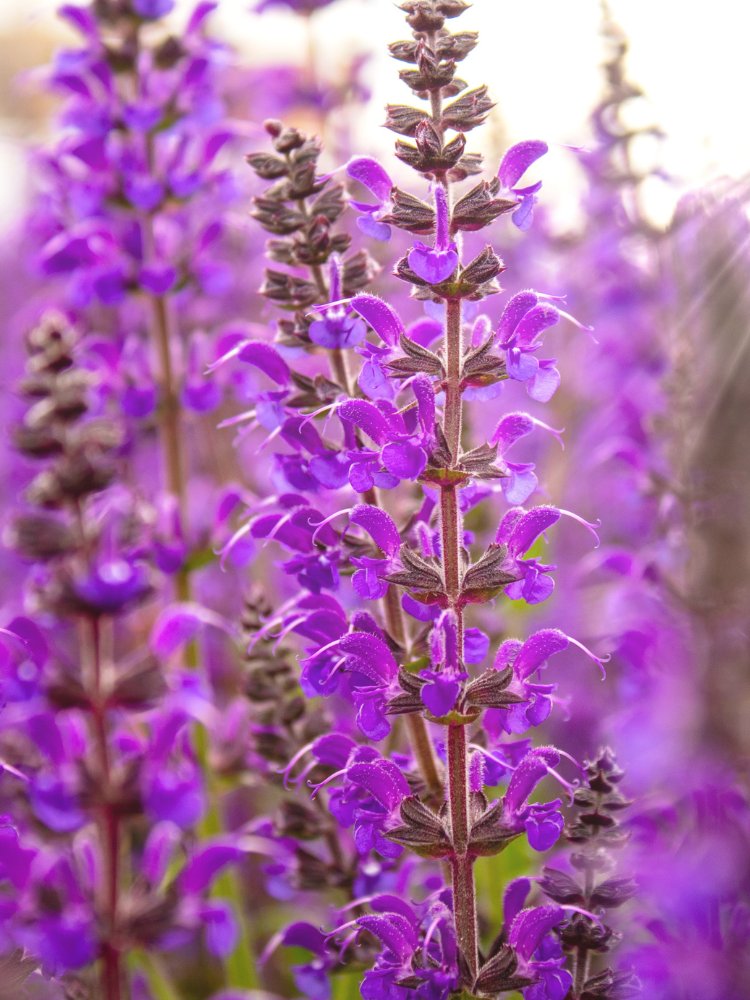
Salvia is a sun-loving perennial with upright spikes of vibrant blooms in shades of purple, pink, blue, and red. It’s drought-tolerant, deer-resistant, and highly attractive to pollinators.
Once planted, salvia requires little more than occasional deadheading or trimming to encourage a second bloom. It thrives in full sun and well-drained soil and handles heat and humidity well.
A reliable, no-fuss bloomer that works beautifully in borders, cottage gardens, or pollinator beds.
| Plant Varieties | Growing Zone | Blooming Period |
|---|---|---|
| Salvia ‘May Night’ | 4–9 | Late Spring to Summer |
| Salvia ‘Caradonna’ | 4–9 | May to July |
| Salvia ‘Amistad’ | 7–10 | Spring to Frost |
14) Hellebore
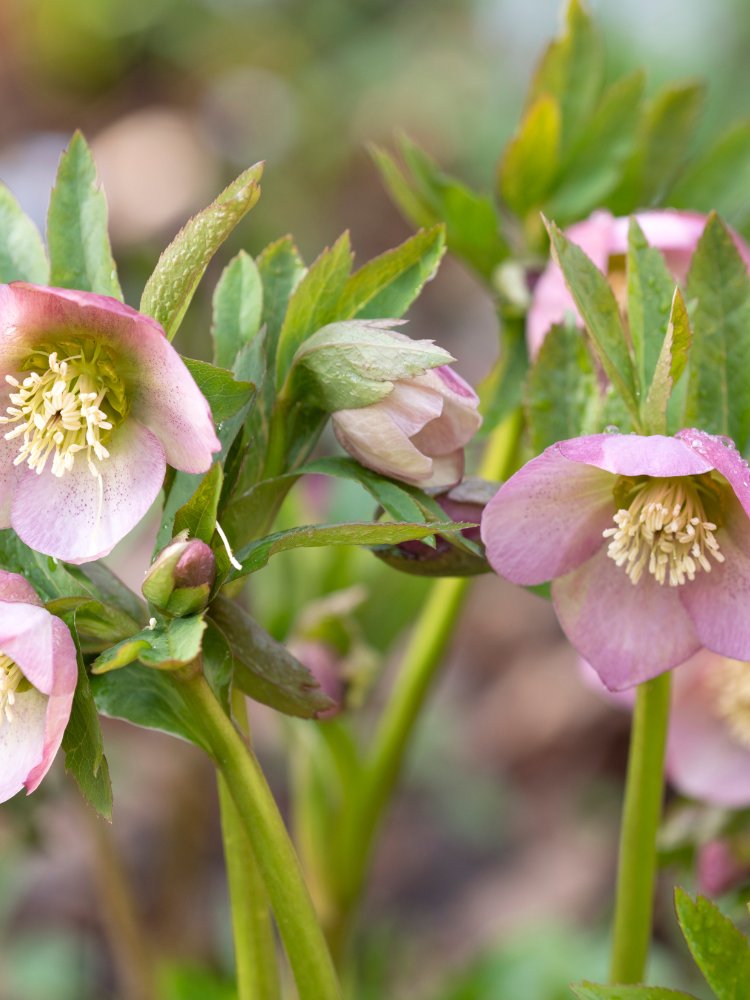
Hellebores are tough, evergreen perennials that bloom in late winter to early spring—often when snow is still on the ground. Their nodding, rose-like flowers come in a range of colors from white and pink to deep purple and nearly black.
These shade-loving flowers are incredibly low-maintenance. They prefer moist, well-drained soil but tolerate neglect and resist deer and pests. Once established, they’ll bloom year after year with very little care.
Ideal for shady borders, , and underplanting beneath trees.
| Plant Varieties | Growing Zone | Blooming Period |
|---|---|---|
| Helleborus orientalis | 4–9 | Late Winter to Early Spring |
| Helleborus ‘Ivory Prince’ | 4–9 | Early Spring |
| Helleborus ‘Double Ellen Pink’ | 4–9 | February to April |
15) Columbine
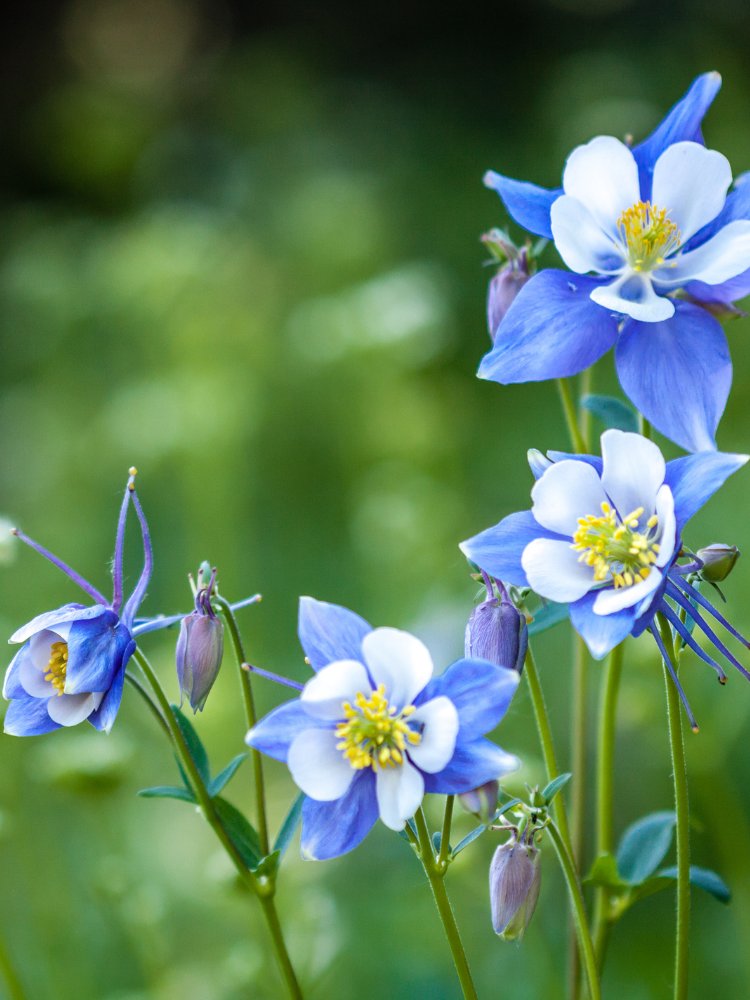
Columbine is an airy, whimsical perennial with nodding, spurred flowers in a variety of pastel and jewel tones. It self-seeds freely, often popping up year after year in new places without any help.
This plant thrives in part shade but will tolerate full sun in cooler climates. It prefers well-drained soil and blooms in late spring to early summer. No deadheading or fertilizing needed—just plant and enjoy.
Its nectar-rich flowers attract hummingbirds and early-season pollinators.
| Plant Varieties | Growing Zone | Blooming Period |
|---|---|---|
| Aquilegia ‘McKana Giants’ | 3–9 | Late Spring to Early Summer |
| Aquilegia ‘Songbird Blue’ | 3–8 | Late Spring |
| Aquilegia ‘Black Barlow’ | 3–8 | Mid to Late Spring |
16) Lamb’s Ear
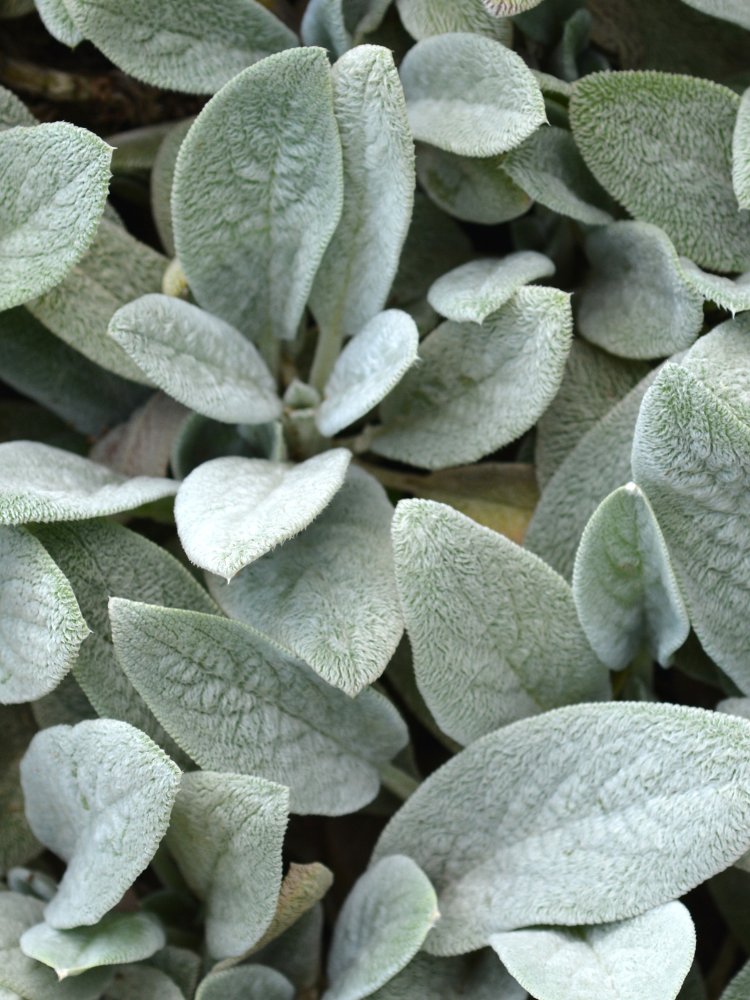
Lamb’s ear is a soft, silvery-leaved perennial that adds texture and contrast to garden beds. While it does produce spikes of small purple flowers, it’s mainly grown for its fuzzy, felt-like foliage.
This drought-tolerant plant thrives in full sun and poor soil, requiring little water and almost no maintenance. It spreads gently to form a weed-suppressing ground cover.
Excellent for edging paths, softening stonework, or pairing with bolder plants like salvia and rudbeckia.
| Plant Varieties | Growing Zone | Blooming Period |
|---|---|---|
| Stachys byzantina | 4–9 | Late Spring to Summer |
| Lamb’s Ear ‘Big Ears’ | 4–9 | Late Spring |
| Lamb’s Ear ‘Silver Carpet’ | 4–9 | Rarely flowers |
17) Tickseed
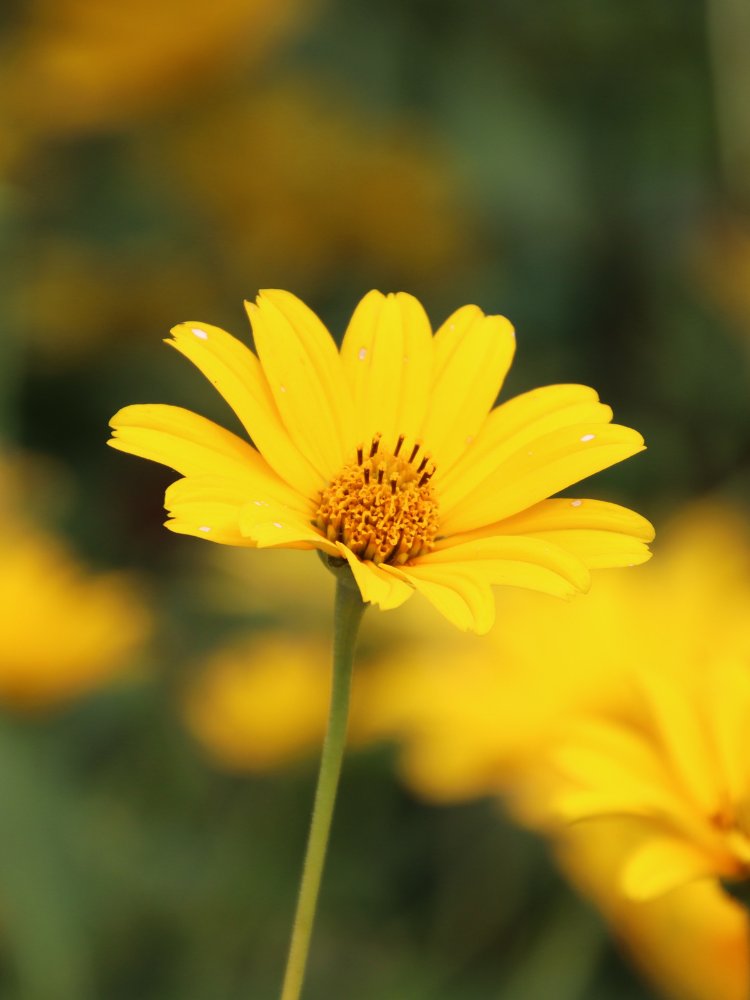
Tickseed is a bright, long-blooming perennial with daisy-like flowers in yellow, gold, or red. It thrives in full sun, tolerates heat and drought, and blooms profusely with minimal care.
This cheerful plant is ideal for borders, cottage gardens, and wildflower-style plantings. Once established, it needs little watering and almost no maintenance. Deadheading can prolong the bloom period but isn’t necessary.
Tickseed is also deer-resistant and a favorite of butterflies.
| Plant Varieties | Growing Zone | Blooming Period |
|---|---|---|
| Coreopsis ‘Zagreb’ | 4–9 | June to August |
| Coreopsis ‘Moonbeam’ | 4–9 | June to September |
| Coreopsis ‘Golden Showers’ | 4–9 | Summer to Fall |
18) Dianthus
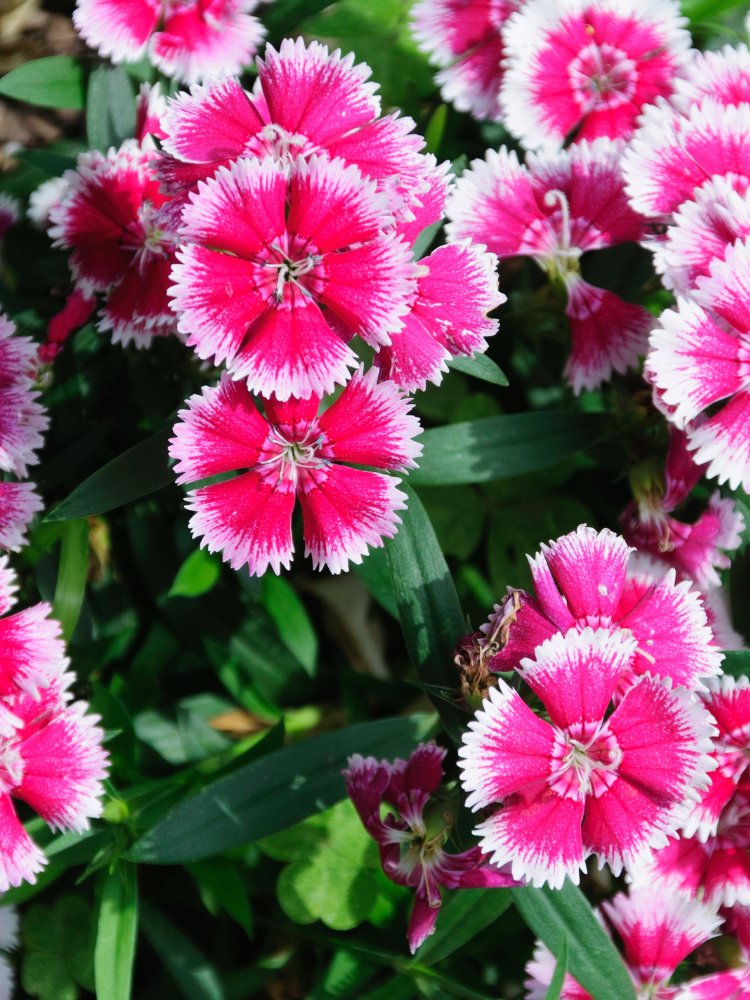
Dianthus, also known as pinks, are low-growing perennials with frilly, in pink, red, or white. These compact plants thrive in full sun and well-drained soil, making them ideal for borders, containers, and rock gardens.
They bloom heavily in spring and often again in late summer with a quick trim. Dianthus is heat-tolerant, deer-resistant, and low-maintenance overall—just avoid soggy soil.
Great for adding pops of color and fragrance with very little effort.
| Plant Varieties | Growing Zone | Blooming Period |
|---|---|---|
| Dianthus ‘Firewitch’ | 3–9 | Late Spring to Summer |
| Dianthus ‘Tiny Rubies’ | 3–9 | Spring to Early Summer |
| Dianthus ‘Bath’s Pink’ | 4–9 | Late Spring |
19) Cranesbill Geranium
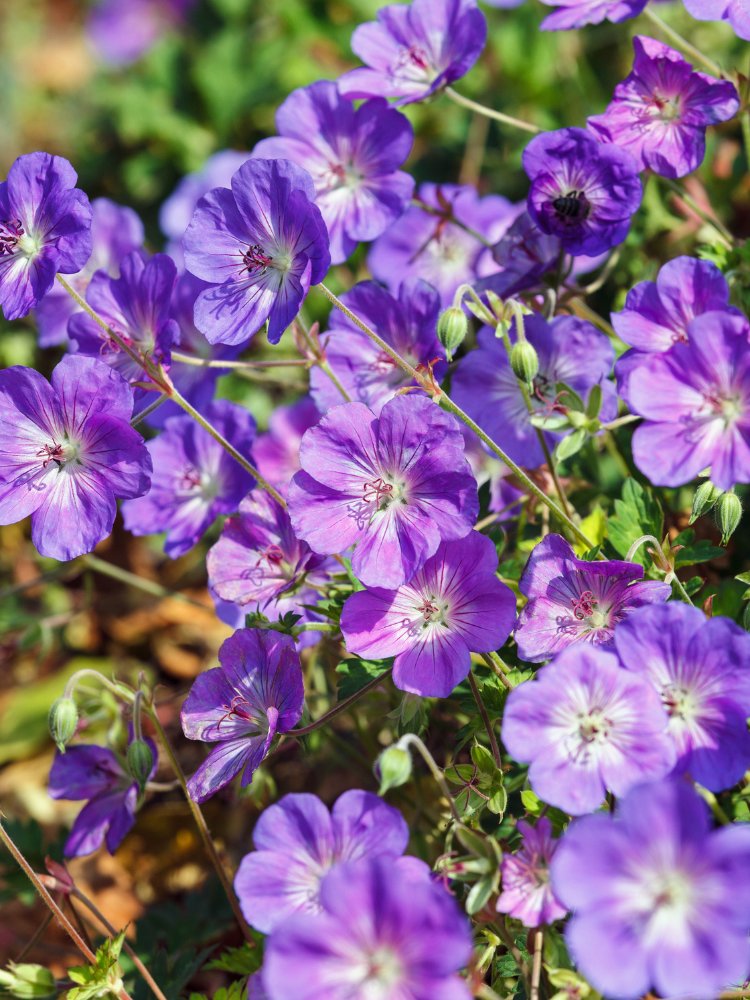
Cranesbill geraniums are true perennial geraniums—tough, tidy, and endlessly useful in the garden. With mounding or spreading habits, they bloom in shades of purple, pink, and blue from late spring into summer, with many varieties reblooming into fall.
They thrive in full sun to part shade and average soil, needing little more than a light trim after flowering. These deer-resistant, pest-free plants are great for edging, underplanting, or massing in borders.
They return reliably each year and require almost no care.
| Plant Varieties | Growing Zone | Blooming Period |
|---|---|---|
| Geranium ‘Rozanne’ | 4–8 | June to October |
| Geranium ‘Johnson’s Blue’ | 4–8 | Late Spring to Summer |
| Geranium sanguineum ‘Max Frei’ | 3–8 | Summer |
20) Balloon Flower
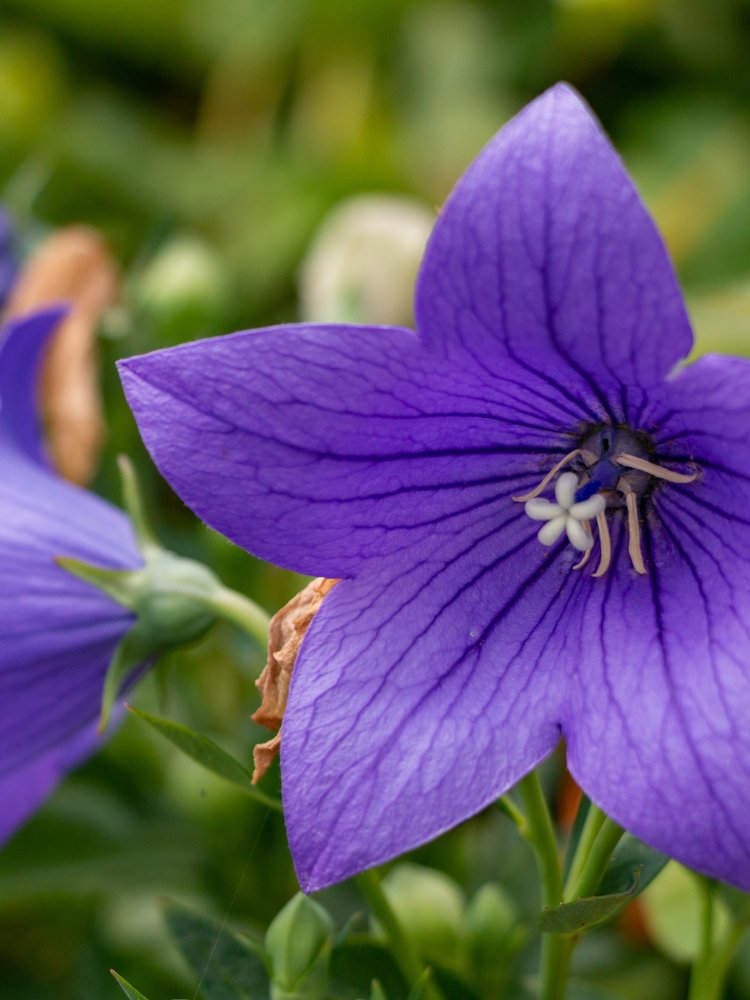
Balloon flower gets its name from its unique buds that puff up like little balloons before bursting into star-shaped blooms. It’s a reliable, no-fuss perennial with blue, white, or pink flowers on upright stems.
It thrives in full sun to part shade and well-drained soil, tolerates drought once established, and rarely needs dividing or fussing. It also resists deer and rabbits.
Just plant it and enjoy its whimsical, long-lasting blooms in summer.
| Plant Varieties | Growing Zone | Blooming Period |
|---|---|---|
| Platycodon ‘Astra Blue’ | 3–8 | June to August |
| Platycodon ‘Sentimental Blue’ | 3–8 | Summer |
| Platycodon ‘Fuji Pink’ | 3–8 | Mid to Late Summer |
21) Veronica
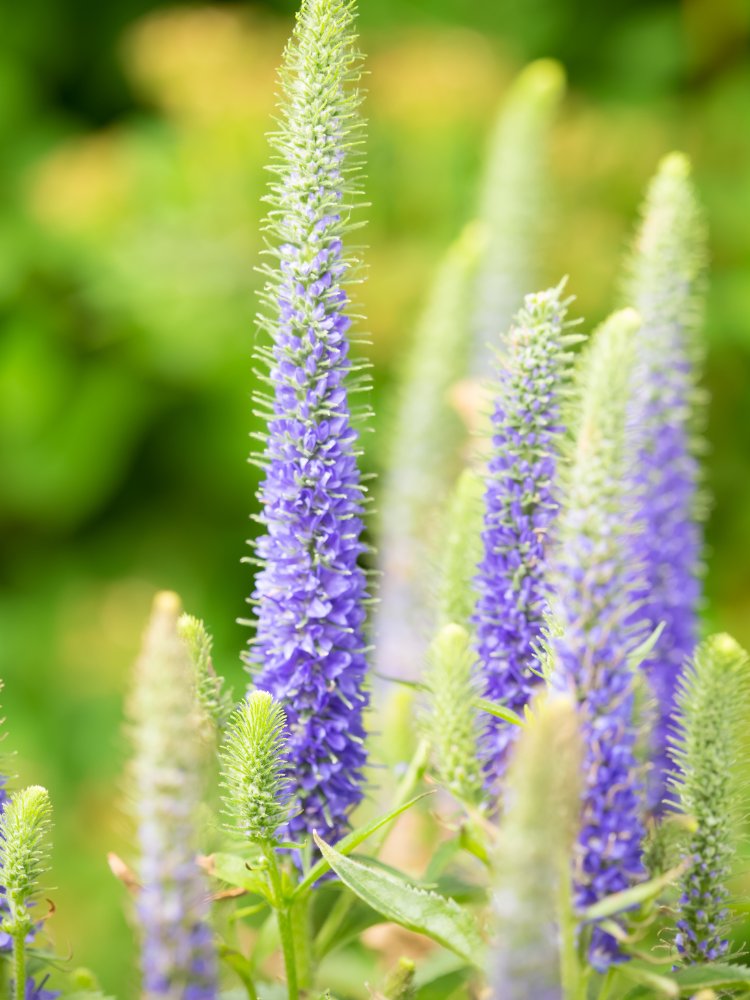
Veronica, or speedwell, is an upright or spreading perennial with spiky clusters of blue, pink, purple, or . It’s long-blooming, pollinator-friendly, and very easy to grow.
It performs well in full sun and well-drained soil, needing minimal watering and no staking. Deadheading will extend the flowering season, but the plant still performs well without it.
Compact varieties are great for borders, while taller ones work beautifully in mixed beds.
| Plant Varieties | Growing Zone | Blooming Period |
|---|---|---|
| Veronica ‘Royal Candles’ | 4–8 | June to August |
| Veronica ‘Sunny Border Blue’ | 3–8 | June to September |
| Veronica ‘Purpleicious’ | 4–8 | Summer |
22) Globe Thistle
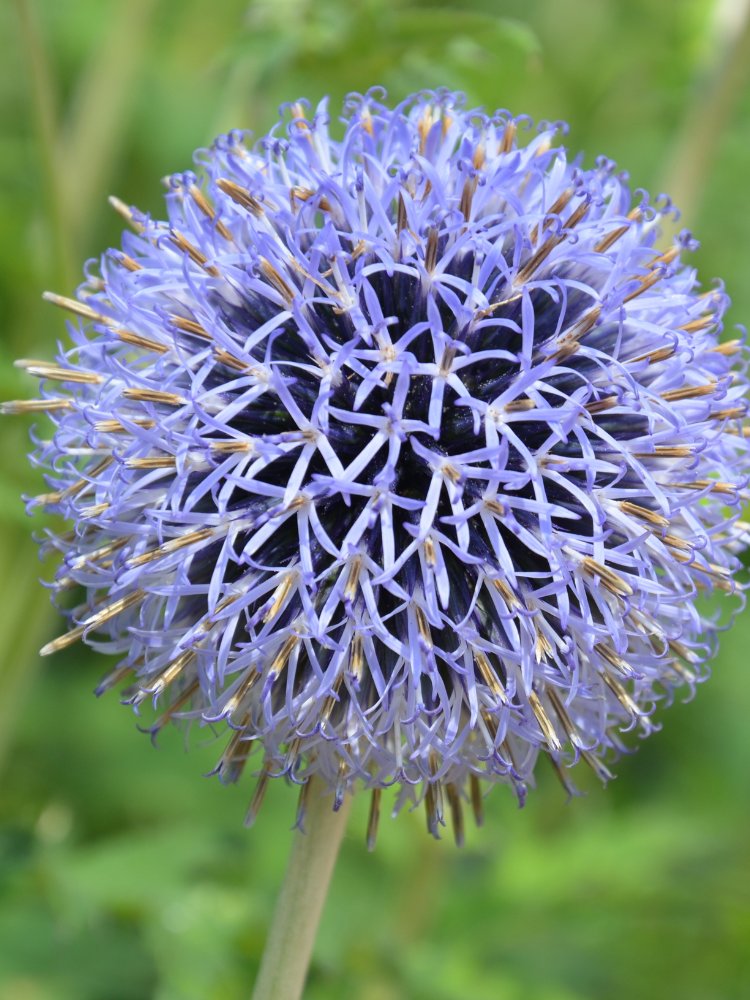
Globe thistle is a bold, architectural perennial with spherical blue or heads that bloom mid to late summer. Despite its spiky appearance, it’s a friendly plant to pollinators and requires very little care.
It thrives in poor soil, full sun, and dry conditions—perfect for hot, low-maintenance gardens. Deer-resistant and drought-tolerant, it makes a great cut flower, fresh or dried.
Just plant it and let it do its thing—no fertilizing or pampering needed.
| Plant Varieties | Growing Zone | Blooming Period |
|---|---|---|
| Echinops ritro | 3–8 | July to September |
| Globe Thistle ‘Veitch’s Blue’ | 4–8 | Mid to Late Summer |
| Echinops bannaticus ‘Blue Glow’ | 3–8 | Summer to Fall |
23) Ornamental Allium
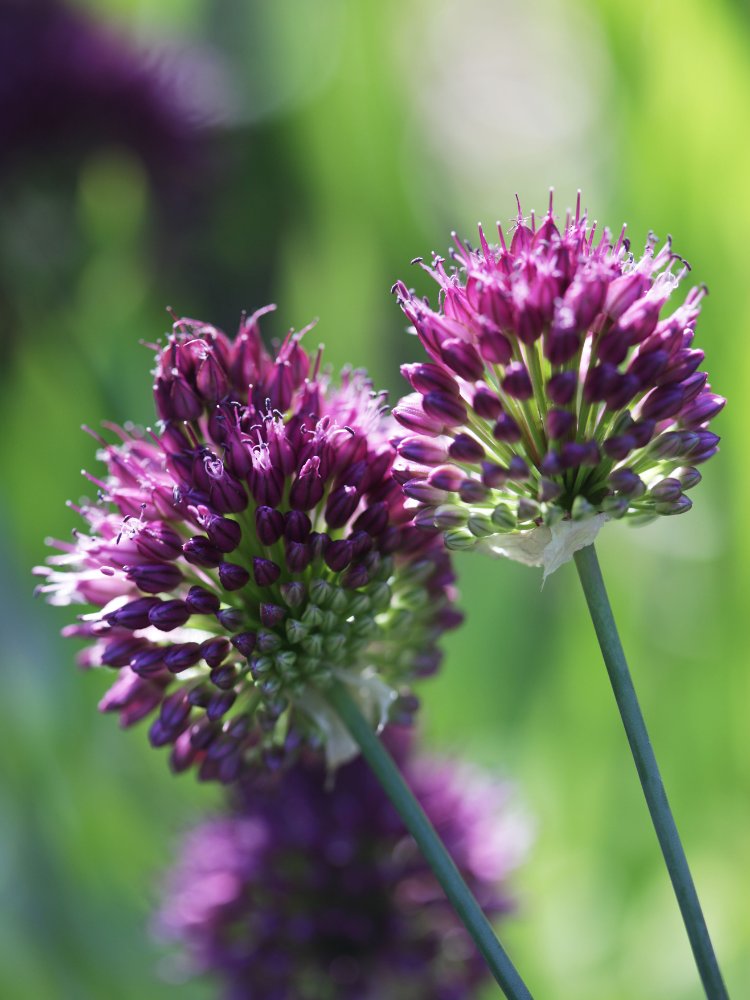
Ornamental alliums bring bold structure and bursts of color to the garden with their large, globe-shaped flowers atop slender stems. Blooming in late spring to early summer, they add flair to any low-maintenance border.
Alliums are drought-tolerant, deer- and rodent-resistant, and thrive in full sun and well-drained soil. Once planted as bulbs, they’ll return year after year with minimal attention.
Their architectural blooms make excellent dried flowers as well.
| Plant Varieties | Growing Zone | Blooming Period |
|---|---|---|
| Allium ‘Globemaster’ | 4–9 | May to June |
| Allium ‘Purple Sensation’ | 4–8 | Late Spring |
| Allium ‘Millenium’ | 4–9 | Midsummer |