27 Vibrant Flowers to Lure Hummingbirds to Your Garden
If you enjoy watching hummingbirds in your yard, planting the right flowers can help you see them more often. These tiny birds are attracted to certain blooms for their color and nectar.
Adding flowers that hummingbirds love can turn your garden into a busy and colorful place. It’s an easy way to bring more life and excitement to your outdoor space.
1) Trumpet Vine
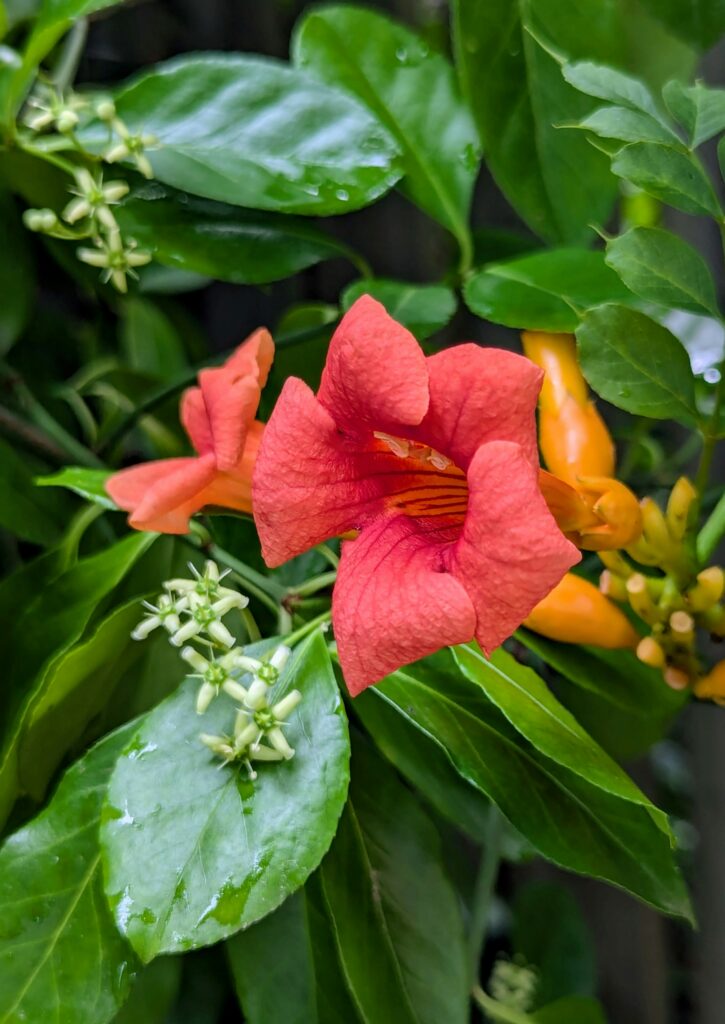
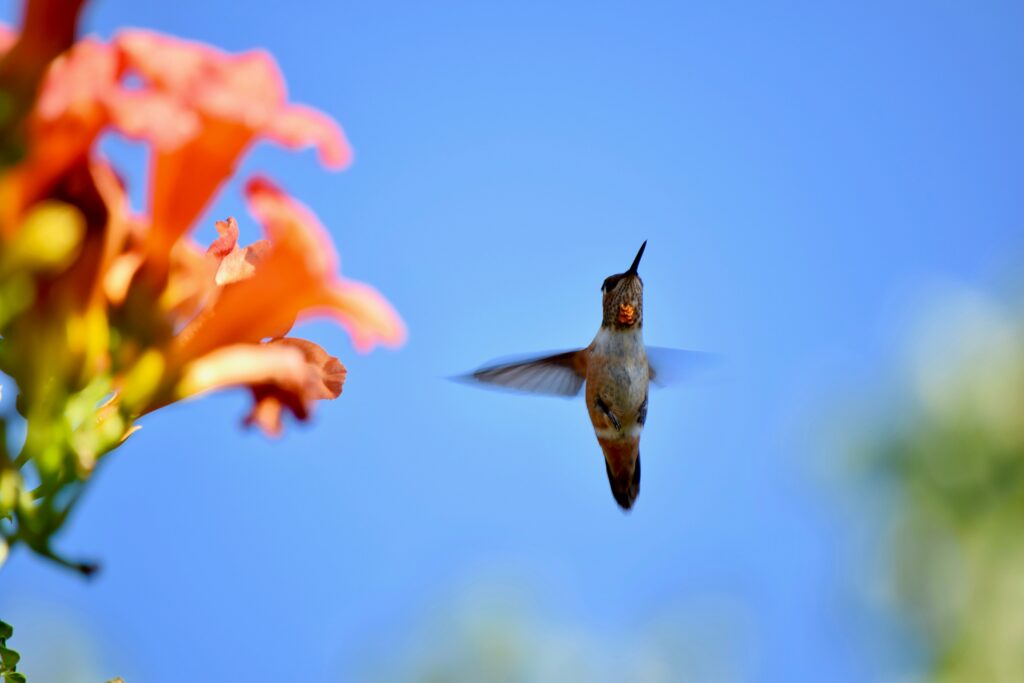
If you want to see more hummingbirds in your yard, try planting trumpet vine. Its flowers are bright orange or red, which helps attract these tiny birds.
Trumpet vine grows best in sunny spots. It can climb fences, trellises, and even trees, reaching pretty high if you let it.
These vines bloom in the summer, usually from June through August. The flowers have a tube shape, which makes it easy for hummingbirds to get nectar.
Trumpet vine is hardy and doesn’t need much care after it’s started. Just keep it trimmed so it doesn’t get out of hand.
Here’s some info to help you get started:
| Plant Varieties | Growing Zone | Blooming Period |
|---|---|---|
| ‘Madame Galen’ | 4-9 | June to August |
| ‘Flava’ | 4-9 | June to August |
| Common Trumpet Vine | 4-9 | June to August |
2) Bee Balm
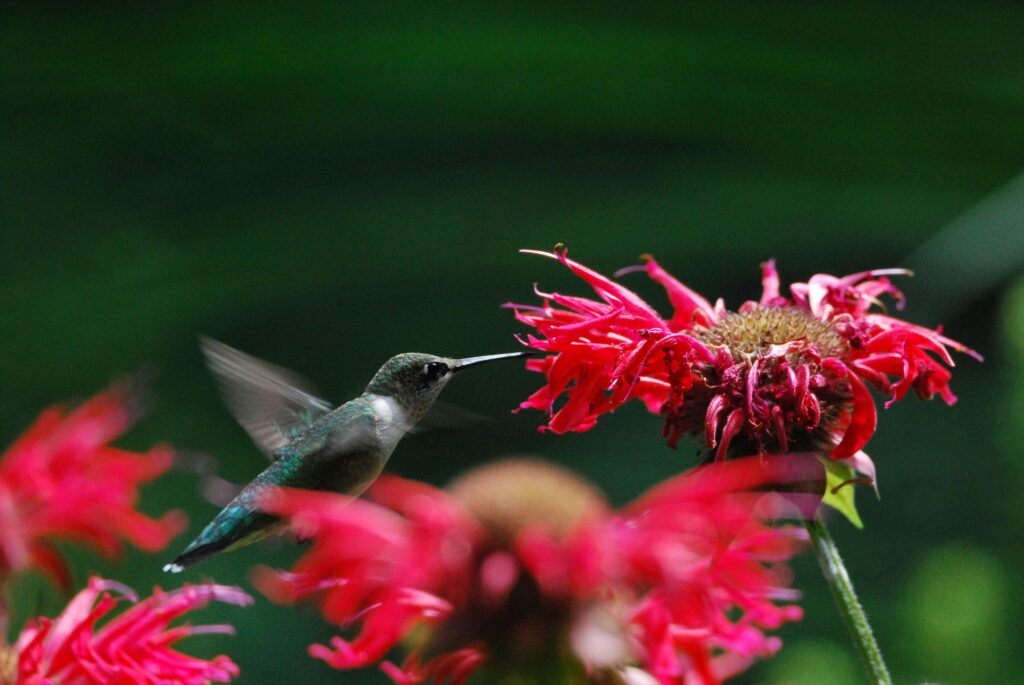
Bee Balm is a favorite if you want to see more hummingbirds in your yard. This flower grows in clusters and comes in colors like red, pink, and purple. The tube-shaped blooms are perfect for hummingbirds’ long beaks.
You can plant Bee Balm in garden beds or containers. It likes sunny spots but can handle some shade. These flowers also draw bees and butterflies, so you’ll get plenty of pollinators.
Bee Balm needs moist soil that drains well. Water it often, especially when it gets hot. If you cut off old flowers, new blooms will grow for a longer time.
Deer don’t usually eat Bee Balm, making it a good pick if you have wildlife around. The plant can get mildew if it’s too crowded, so give each one a little space.
| Plant Variety | Growing Zone | Blooming Period |
|---|---|---|
| Monarda didyma | 4–9 | June to August |
| Monarda fistulosa | 3–9 | July to |
| Monarda punctata | 3–8 | June to September |
3) Salvia
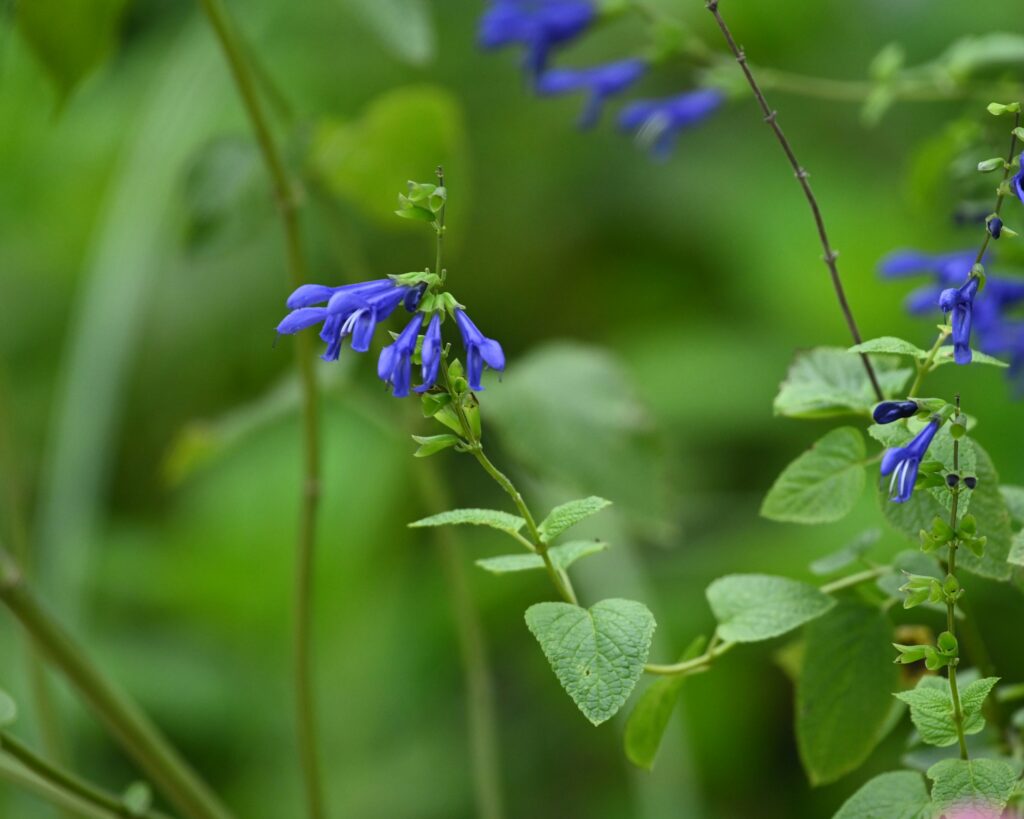
Salvia is a favorite for many gardeners. It’s known for its tall spikes and bright colors like red, purple, and blue. Hummingbirds are often seen sipping nectar from its tube-shaped flowers.
You can plant salvia in most gardens. It likes lots of sun and does well in well-drained soil. The plant can handle some heat and dry conditions.
Salvia blooms for a long time, often from spring through fall. This gives hummingbirds plenty of food during these months. Deadheading the flowers can help them bloom even more.
There are many varieties, so you’ll probably find one that fits your yard. Some types are annuals, while others are perennials that return each year.
Here’s a simple table with a few popular types:
| Plant Variety | Growing Zone | Blooming Period |
|---|---|---|
| Salvia splendens | 10-11 | May to October |
| Salvia nemorosa | 4-8 | May to July |
| Salvia farinacea | 8-10 | May to November |
4) Columbine
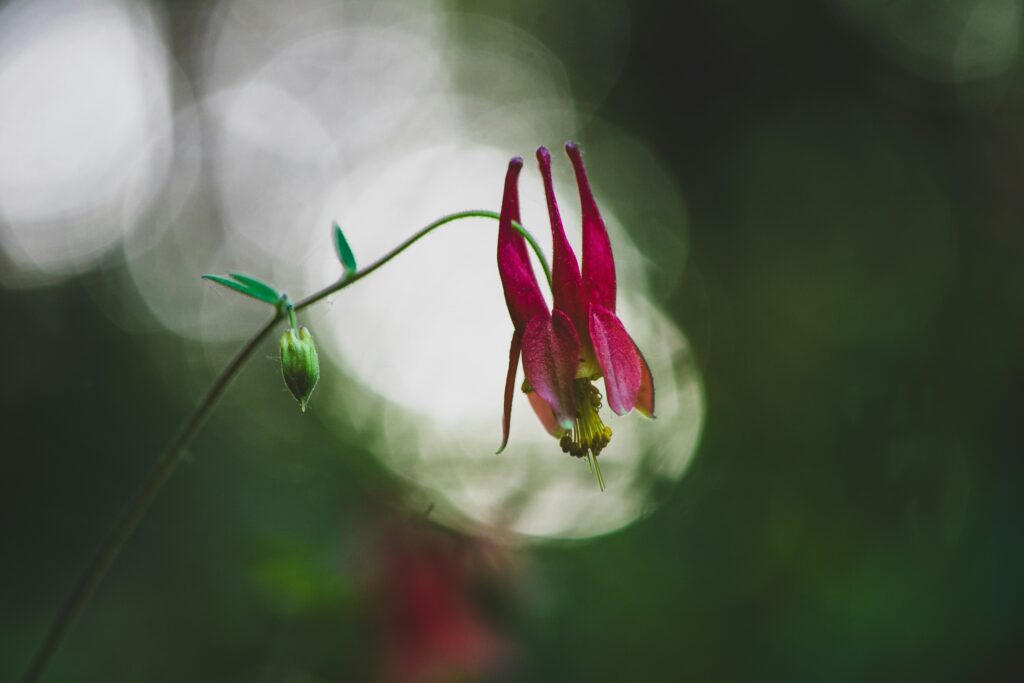
Columbine is a wildflower that does really well in many yards. You can spot it by its unique, star-shaped flowers and bright colors like red, yellow, blue, or purple. Hummingbirds are drawn to its long, tube-like blooms because they can easily reach the sweet nectar inside.
This flower grows easily from seed and comes back every year. You can plant it in part shade or sun. It does not need a lot of water once it gets established, so it’s good if you want a low-maintenance plant.
Columbine often blooms in late spring to early summer. You might see flowers from May to July. It also looks nice in flower beds and along garden edges.
If you want to keep hummingbirds coming back, plant a few different Columbine varieties. This will give them more colors and nectar to enjoy.
| Variety | Growing Zone | Blooming Period |
|---|---|---|
| Eastern Red | 3-8 | May to June |
| Blue Columbine | 3-9 | May to July |
| Songbird Series | 3-9 | May to June |
| McKana Hybrids | 3-9 | May to July |
5) Cardinal Flower
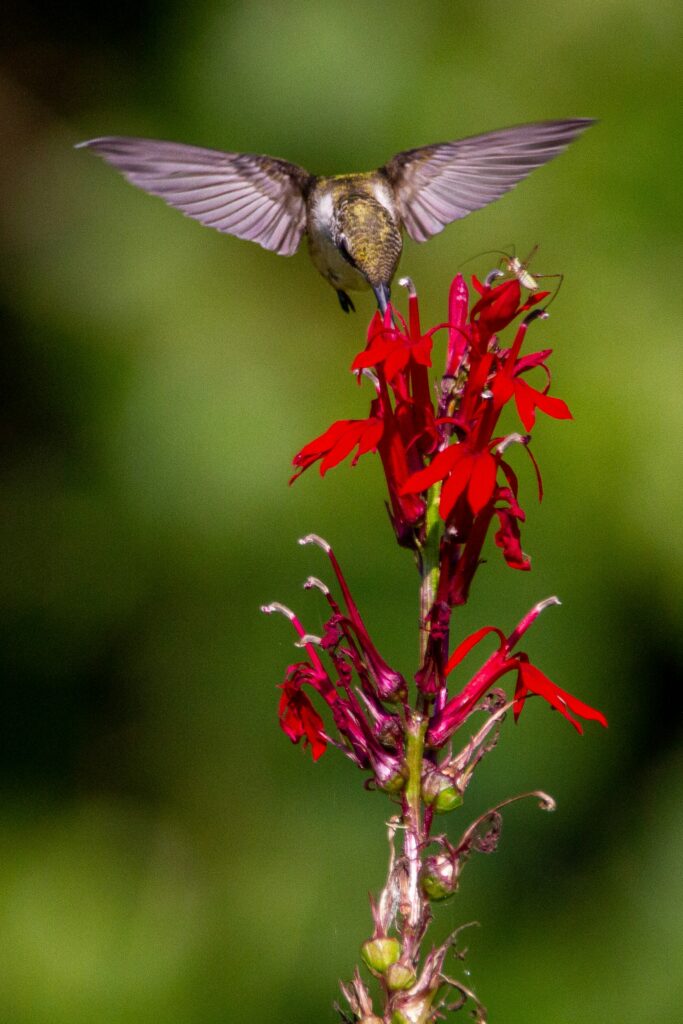
If you want to see more hummingbirds in your yard, try planting Cardinal Flower. This plant has bright that are shaped like tubes. Hummingbirds love these because the shape makes it easy for them to reach the nectar.
Cardinal Flower does best in places that get a lot of sunlight but can also handle some shade. You’ll also want to keep the soil moist, since it naturally grows near streams or ponds.
The flowers usually start blooming in late summer. They stand out in the garden and catch the attention of both you and the birds. If you cut back the flowers after they fade, you can help the plant keep growing strong.
You can plant them along garden borders or near water features. They grow the best in groups, so try planting a few together for the most color. Just remember: the roots don’t like to dry out for long.
| Plant Varieties | Growing Zone | Blooming Period |
|---|---|---|
| Lobelia cardinalis | 3-9 | July to September |
6) Fuchsia
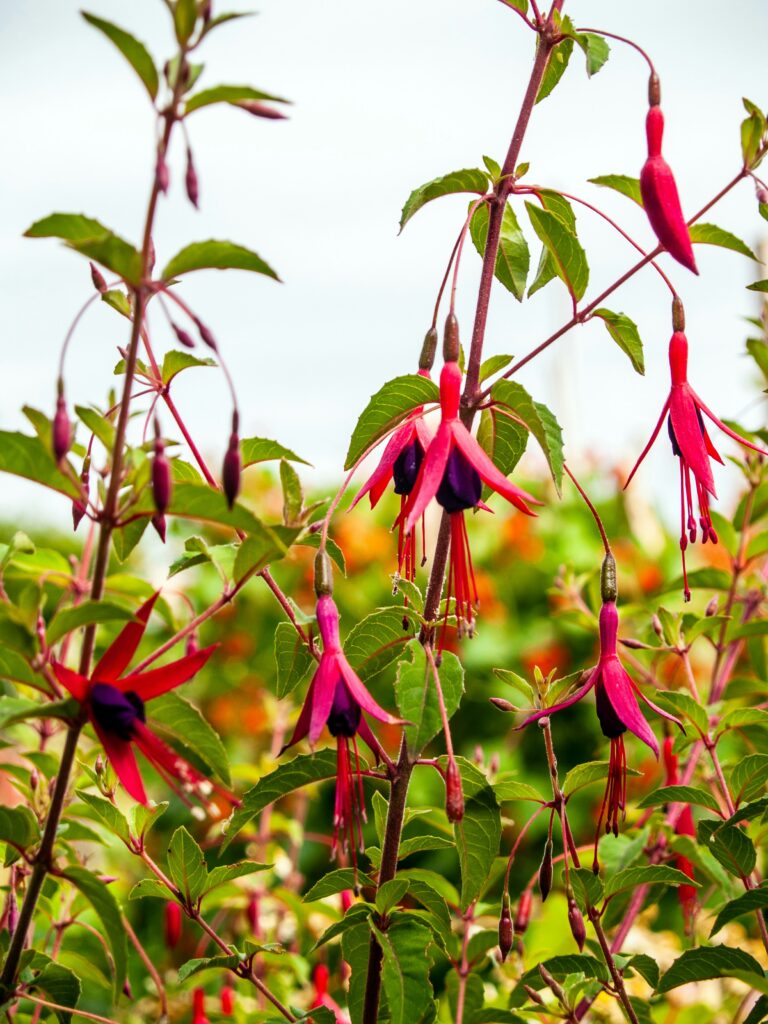
Fuchsia plants are popular for their bright, hanging flowers. You’ll spot them in shades of pink, purple, red, and white. Their unusual shape makes them stand out in any garden.
Hummingbirds really like fuchsia flowers. The flowers are tube-shaped, which makes it easy for hummingbirds to reach the nectar. These blooms hang down from the stems, so birds can feed without landing.
You can grow fuchsias in pots or in the ground. They do best in partial shade and need to be watered regularly, especially if you grow them in containers.
Fuchsias can bloom for a long time, starting in late spring and often lasting until fall. This gives hummingbirds a good food source for much of the year. There are different types to try, so you can pick what works best for your yard.
| Plant Variety | Growing Zone | Blooming Period |
|---|---|---|
| Fuchsia magellanica | 6-9 | May to October |
| Fuchsia triphylla | 9-11 | May to October |
| Fuchsia ‘Gartenmeister’ | 9-11 | May to October |
7) Lantana
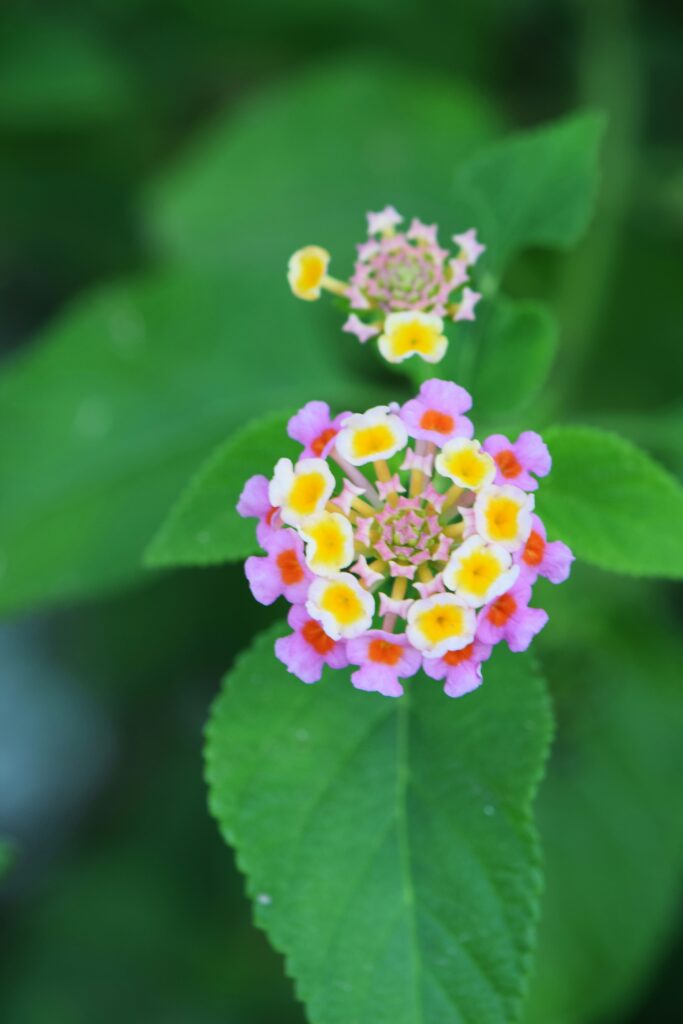
Lantana is a colorful flower you can plant to attract hummingbirds. The blooms come in shades of yellow, pink, orange, red, and even purple. Hummingbirds like lantana because the flowers are full of sweet nectar.
You can grow lantana in your garden beds or in pots. It’s a hardy plant that does well in sunny spots and can handle heat and drought.
Lantana blooms from late spring through the fall, which means you’ll see flowers for months. It’s a low-maintenance plant, so you won’t need to do much work to keep it looking good.
Make sure to plant lantana in a spot with good drainage. Water it when the soil feels dry, but don’t overwater. With the right care, you’ll see lots of blooms and maybe more hummingbirds in your yard.
| Plant Variety | Growing Zone | Blooming Period |
|---|---|---|
| Lantana ‘Miss Huff’ | 7-11 | May to October |
| Lantana camara | 8-11 | May to September |
| Lantana ‘New Gold’ | 9-11 | June to October |
8) Penstemon
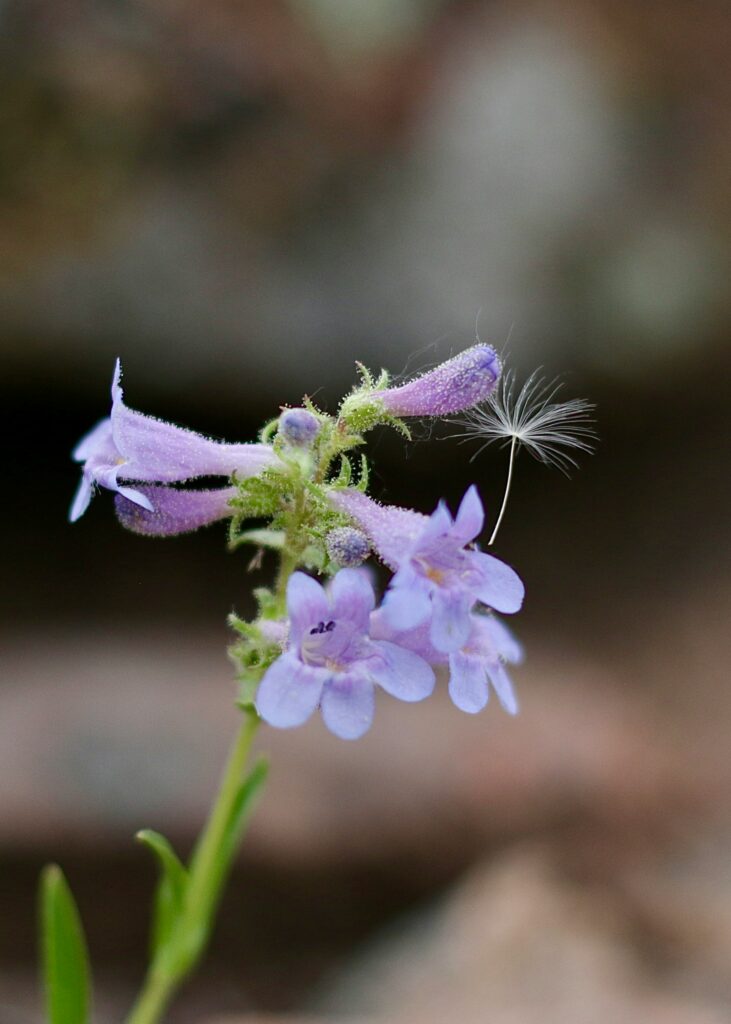
Penstemon is sometimes called beardtongue. These flowers come in bright colors like red, purple, pink, and blue. Hummingbirds seem to really like the tube-shaped blooms.
You can grow penstemon in both gardens and pots. They do well with plenty of sun and soil that drains well. You might spot bees and butterflies checking out the flowers too.
Penstemon blooms last for weeks. If you trim off the spent flowers, you might get more blooms later in the season. These plants aren’t picky and can handle dry conditions.
If you want to help hummingbirds find your yard, plant a few different varieties. Each kind can attract birds at different times, giving them food all season.
| Penstemon Variety | Growing Zone | Blooming Period |
|---|---|---|
| Red Rocks | 4–8 | May to July |
| Husker Red | 3–8 | June to July |
| Firecracker | 5–9 | May to August |
| Scarlet Bugler | 3–8 | June to August |
9) Hummingbird Mint
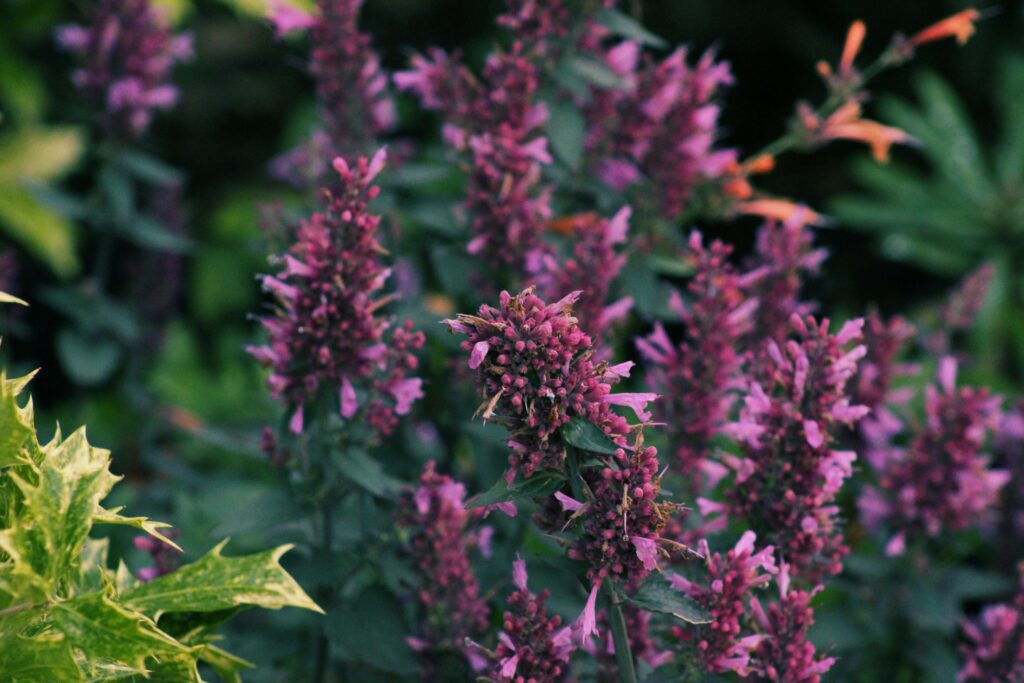
Hummingbird Mint, also called Agastache, is popular because it draws lots of hummingbirds. The plant has tall spikes of tubular flowers that make it easy for hummingbirds to reach the nectar.
You can find Hummingbird Mint in several colors. Some blooms are pink, orange, purple, or red. The leaves smell sweet, kind of like mint or licorice when you touch them.
This plant likes sunny spots and soil that drains well. It doesn’t need much care, so it’s a nice pick if you want a low-maintenance garden. Water young plants regularly, but they’re pretty drought-tolerant once they’re established.
Hummingbird Mint starts flowering from late spring and keeps going until fall. The long blooming season is great if you want to see hummingbirds for months.
Here’s a simple table to help you plan:
| Plant Variety | Growing Zone | Blooming Period |
|---|---|---|
| Agastache ‘Blue Fortune’ | 5-9 | July to September |
| Agastache ‘Apache Sunset’ | 5-10 | June to September |
| Agastache rupestris | 5-10 | July to September |
| Agastache ‘Tutti Frutti’ | 6-9 | June to September |
10) Butterfly Bush
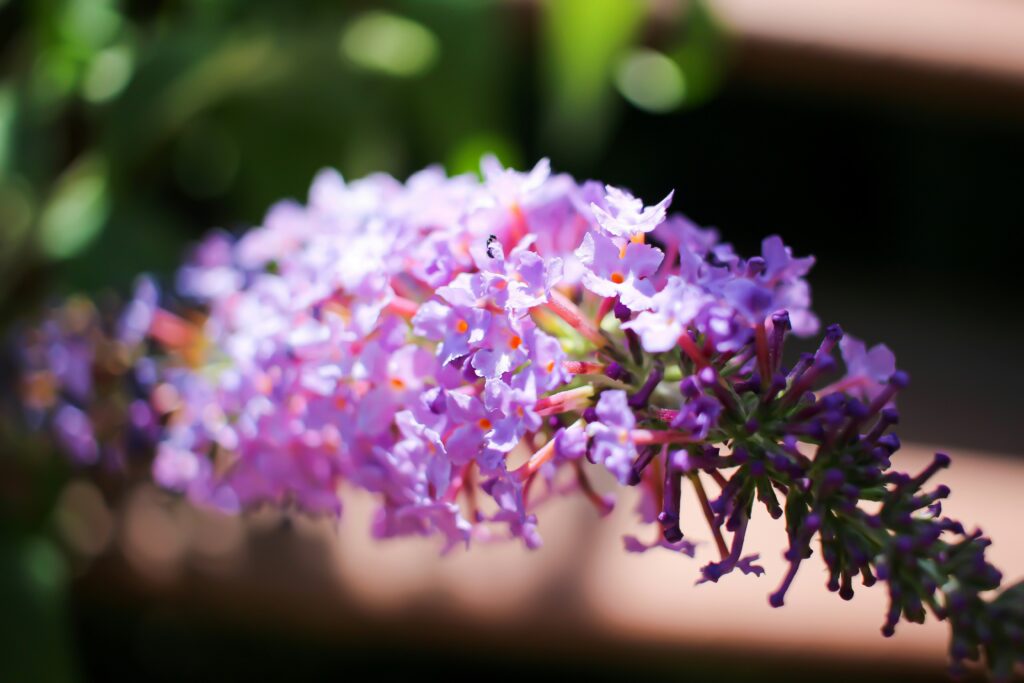
The Butterfly Bush is a favorite plant for attracting hummingbirds. Its long clusters of bright flowers are full of nectar, which these tiny birds love.
You can find Butterfly Bush blooms in colors like purple, pink, white, and yellow. The flowers grow on bushy plants that often reach 6 to 10 feet tall. Even though it’s called “Butterfly” Bush, hummingbirds visit the flowers just as much as butterflies do.
Butterfly Bush grows best in full sun. It does well in most types of soil, as long as the area isn’t too wet. Once it’s established, you won’t have to water it a lot.
These bushes bloom from summer into early fall. If you want to see more hummingbirds in your yard, plant one or two Butterfly Bushes in a sunny spot.
| Plant Variety | Growing Zone | Blooming Period |
|---|---|---|
| Black Knight | 5-9 | June to September |
| Pink Delight | 5-9 | June to September |
| White Profusion | 5-9 | June to September |
| Nanho Blue | 5-9 | June to September |
11) Coral Honeysuckle
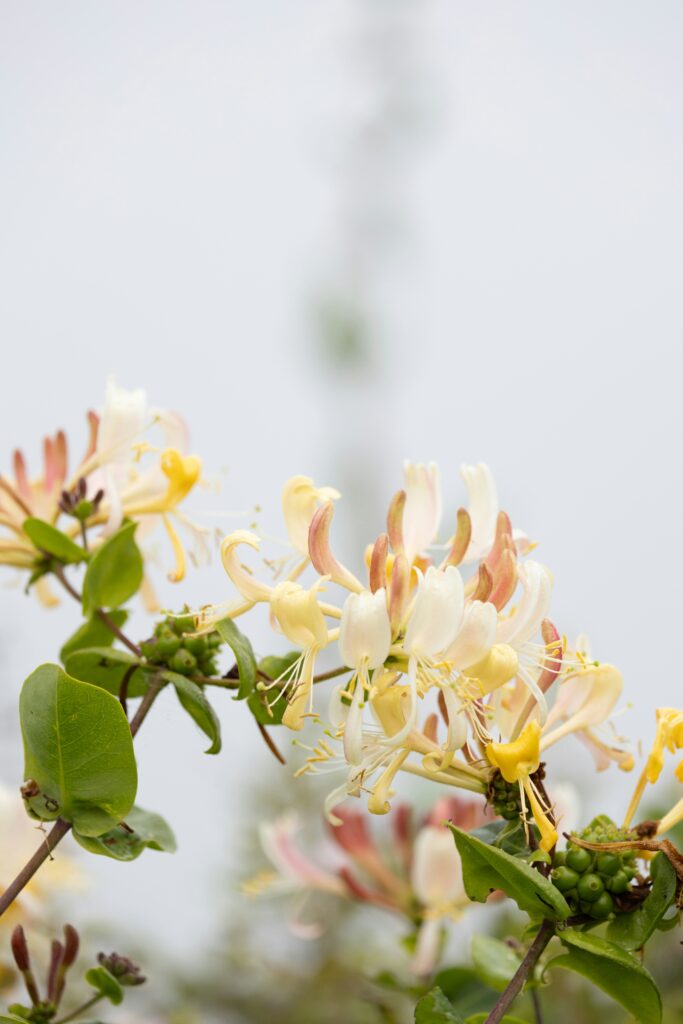
Coral honeysuckle is a climbing vine that gives you lots of bright, tube-shaped flowers. The flowers are usually coral-red with yellow insides. Hummingbirds love the shape because it’s easy for them to get to the nectar.
You can grow coral honeysuckle on fences, trellises, or even along porch railings. This plant isn’t very fussy and can handle a bit of drought once it’s settled. It likes full sun but will work in some light shade too.
You’ll notice flowers mostly in late spring and through summer. Regular watering helps the plant produce even more blooms, which means more hungry hummingbirds might visit your yard.
Pruning isn’t hard—just trim it back a bit after the main blooming period. This keeps it looking nice and helps encourage new growth.
Check the table for basic info on coral honeysuckle:
| Plant Variety | Growing Zone | Blooming Period |
|---|---|---|
| Coral Honeysuckle | 4-9 | May to July |
| Major Wheeler | 4-8 | May to July |
| John Clayton | 6-9 | May to July |
12) Zinnia
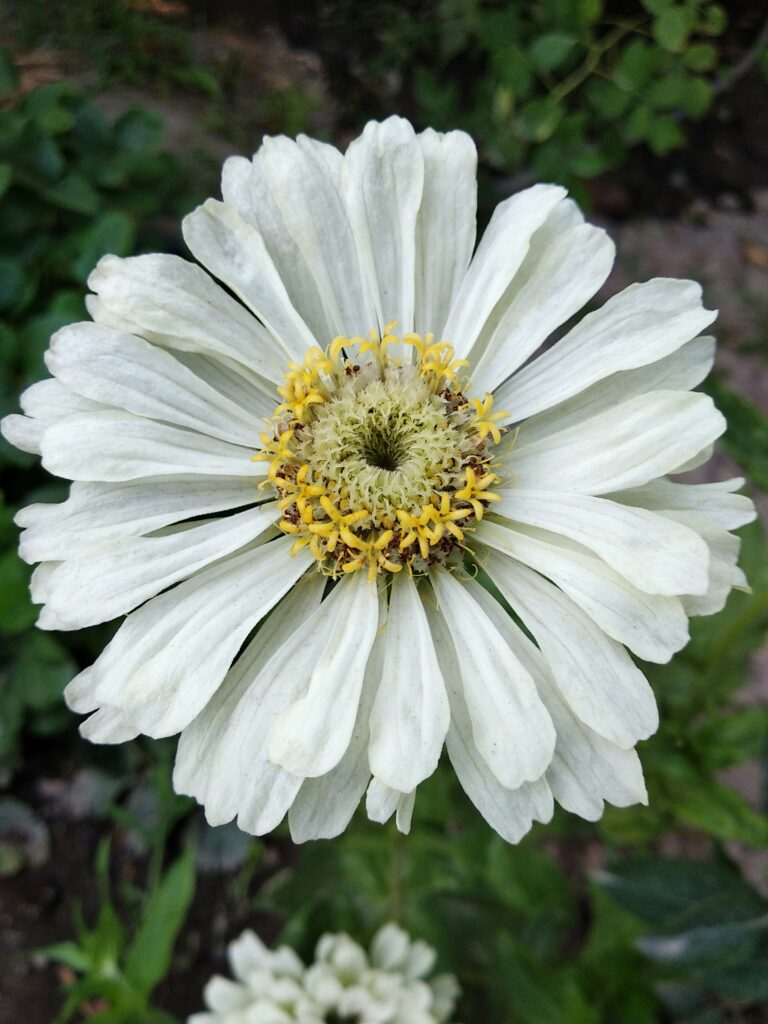
Zinnias are an easy way to add color to your yard and get hummingbirds flying in. These flowers grow upright and produce bright, daisy-like blooms. You can find them in red, pink, orange, yellow, white, and even purple shades.
You don’t need to be an expert gardener to grow zinnias. They do best in full sun and like well-draining soil. They can handle dry spells pretty well.
Zinnias bloom from late spring through early fall, which gives hummingbirds plenty of time to visit. You can plant them from seed, and they should start blooming in a couple of months.
Try planting zinnias in clusters to make it easy for hummingbirds to spot them. They work well in garden beds or containers. Just be sure to deadhead spent flowers to keep new blooms coming.
| Plant Varieties | Growing Zone | Blooming Period |
|---|---|---|
| Zinnia elegans | 3-10 | June to October |
| Zinnia angustifolia | 3-10 | May to September |
| Zinnia marylandica | 3-9 | June to September |
13) Phlox
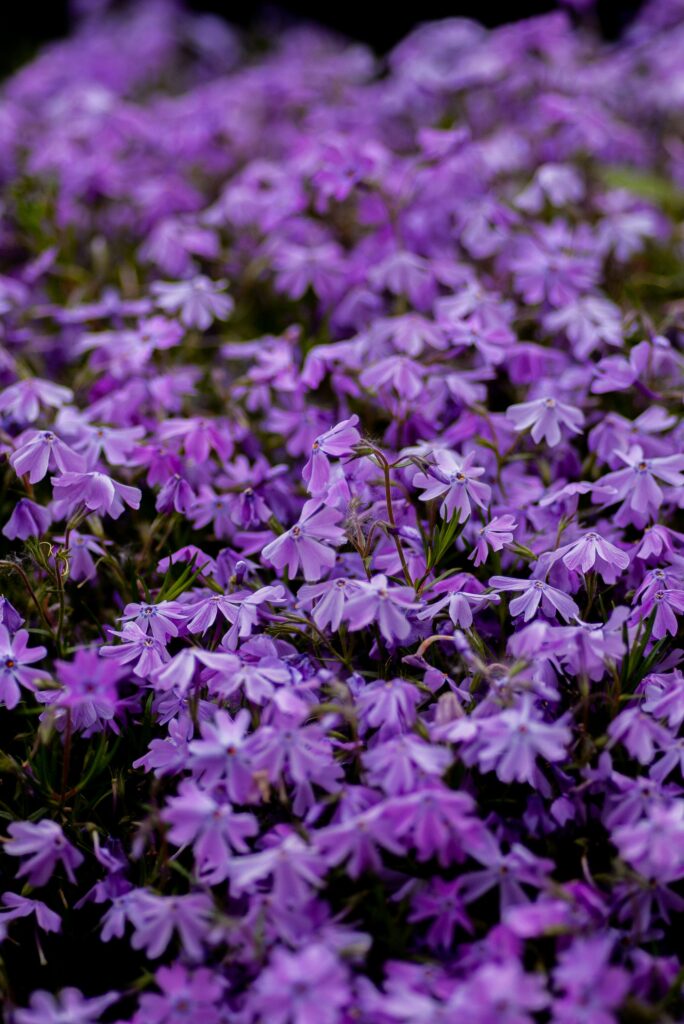
If you want hummingbirds to visit your yard, you should try planting phlox. These flowers stand out with their clusters of small, colorful blooms. They come in shades like pink, purple, white, and red.
Phlox grows well in garden beds, borders, or even containers. The plants like full sun, but some types also grow in partial shade. Regular watering helps them bloom for longer.
You’ll find that phlox is pretty low-maintenance. Hummingbirds enjoy drinking the nectar from its tube-shaped flowers. Some types give off a nice scent, making your garden smell fresh.
Phlox attracts butterflies and bees too. This makes your garden even more lively and bright. You can choose between tall and creeping varieties based on your space.
| Plant Varieties | Growing Zone | Blooming Period |
|---|---|---|
| Garden Phlox | 4-8 | July to September |
| Creeping Phlox | 3-9 | April to May |
| Woodland Phlox | 4-8 | April to May |
14) Monarda
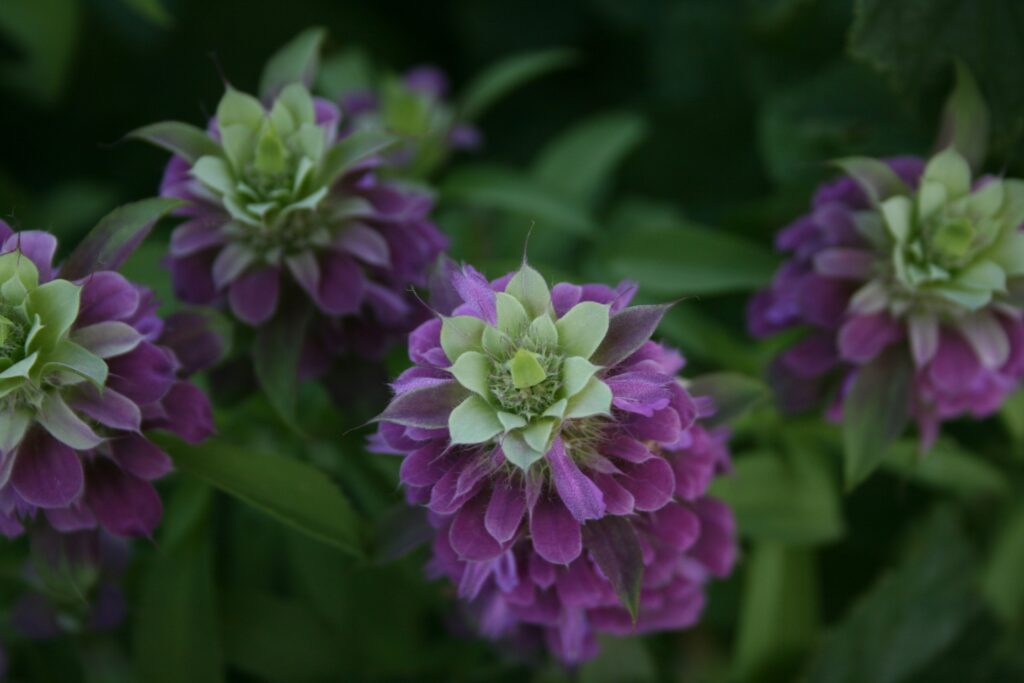
Monarda, also called bee balm, is a favorite of hummingbirds. The flowers grow in clusters and come in red, pink, white, or purple. Hummingbirds are drawn to the bright colors and tube-shaped blooms.
You can plant Monarda in flower beds or even pots. It likes a sunny spot but can take a little shade. This plant grows best in soil that drains well.
It’s also nice that Monarda blooms in summer, a time when hummingbirds are most active. The plant gets about two to four feet tall, so it stands out in gardens.
As a bonus, lots of bees and butterflies like it too. Just keep the soil moist, and you’ll have happy birds and pollinators.
| Plant Varieties | Growing Zone | Blooming Period |
|---|---|---|
| Monarda didyma | 4-9 | June to August |
| Monarda fistulosa | 3-9 | July to September |
| Monarda punctata | 3-8 | July to September |
15) Verbena
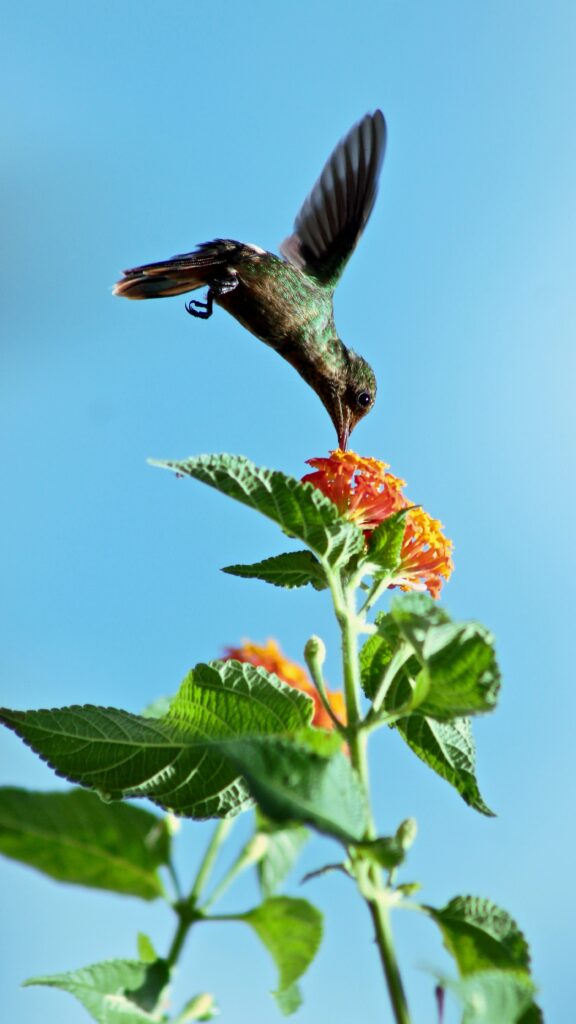
Verbena is a colorful, low-growing flower that hummingbirds enjoy. Its small clusters of blooms come in many shades, including purple, pink, and white.
You can plant verbena in garden beds or hanging baskets. These flowers do best in full sun and well-drained soil. Deadheading can help them bloom longer.
Verbena needs regular watering, but don’t let the soil get soggy. Once established, it can handle a bit of drought. Hummingbirds are drawn to its bright flowers and the nectar they offer.
If you want a flower that keeps your garden lively, verbena is easy to care for and will bloom for months.
| Plant Variety | Growing Zone | Blooming Period |
|---|---|---|
| Verbena bonariensis | 7-11 | June to October |
| Homestead Purple | 7-10 | May to September |
| Tapien | 8-11 | May to August |
16) Scarlet Sage
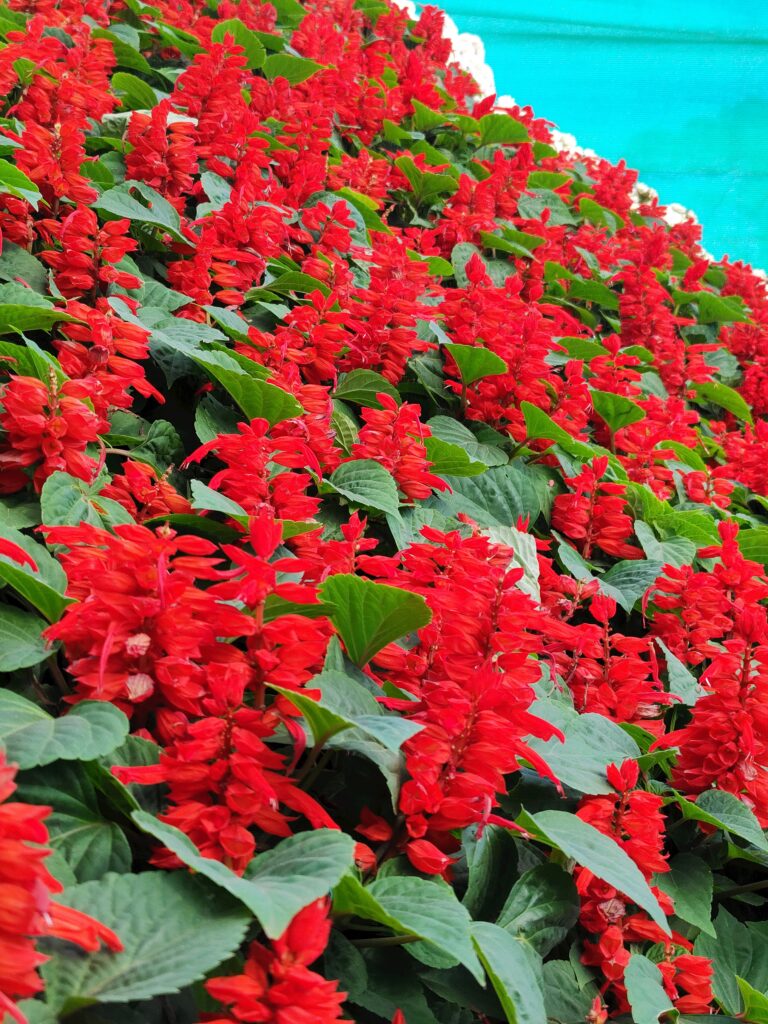
Scarlet Sage is easy to grow and has bright red flowers that hummingbirds love. The flowers are tubular, which makes it simple for hummingbirds to sip nectar.
You can plant Scarlet Sage in garden beds or pots. It does well in sunny spots and will keep blooming as long as you remove old flowers. This plant can handle some dry weather, so you don’t have to water it every day.
If you want more color, there are also varieties with pink or . Scarlet Sage isn’t picky about soil, but it will grow fastest if you give it good drainage. You might see hummingbirds visiting often, especially in the middle of summer.
Scarlet Sage also attracts butterflies and helpful pollinators. These plants are a great way to bring some life to your yard.
| Plant Varieties | Growing Zone | Blooming Period |
|---|---|---|
| Scarlet Sage (Red) | 8-10 | May to October |
| Coral Nymph | 9-10 | June to October |
| Snow Nymph (White) | 9-10 | June to October |
17) Daylily
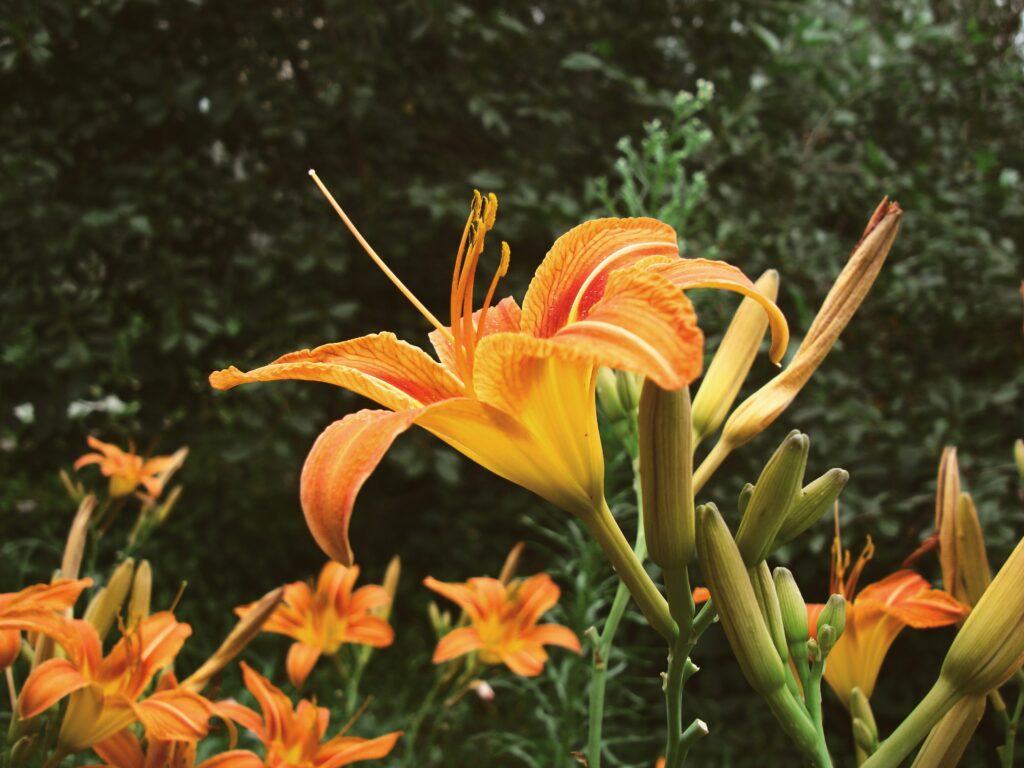
Daylilies are easy to grow and bring color to your garden. Their flowers come in many shades, like yellow, orange, pink, and red.
You’ll find hummingbirds visiting daylilies during the warm months. They’re drawn in by the trumpet-shaped blooms and sweet nectar.
These plants do best in sunny spots but can also handle a bit of shade. Water them during dry times, and they’ll keep flowering for weeks.
Daylilies don’t need much care. Deadheading old flowers can help them look better and sometimes keeps them blooming longer.
They’re great along garden borders or in big clusters. You can even mix different colors together for a bright display.
| Plant Varieties | Growing Zone | Blooming Period |
|---|---|---|
| Stella de Oro | 3-9 | May to July |
| Happy Returns | 3-9 | June to August |
| Pardon Me | 3-9 | June to July |
| Ruby Spider | 3-9 | June to July |
| Frans Hals | 3-9 | June to September |
18) Trumpet Creeper
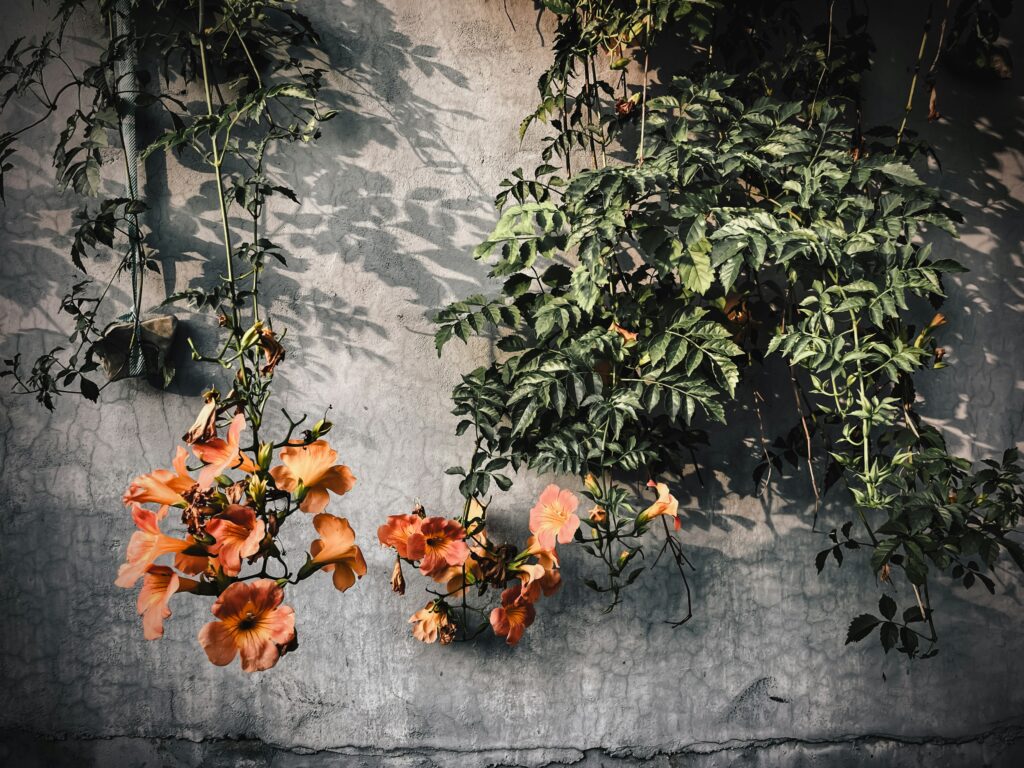
Trumpet creeper is a fast-growing vine that brings bright, tube-shaped flowers to your yard. The blooms are usually orange-red and stand out in the summer. You’ll notice hummingbirds visiting these flowers because they fit perfectly with their long beaks.
This plant likes plenty of sunshine, but it can handle some shade. You should plant trumpet creeper along fences or trellises since it needs support to climb. Be aware—it can spread quickly, so it’s best to keep an eye on it.
Trumpet creeper is tough and can handle different soil types. Water it regularly at first, but once it’s established, it doesn’t need much care. Prune the vines each year to keep the shape you want.
Trumpet creeper blooms for several months, giving hummingbirds food and your garden plenty of color.
| Plant Varieties | Growing Zone | Blooming Period |
|---|---|---|
| Common Trumpet Vine | 4-9 | June to September |
| Madame Galen | 5-9 | July to September |
| Yellow Trumpet Vine | 4-9 | June to September |
19) Angelonia
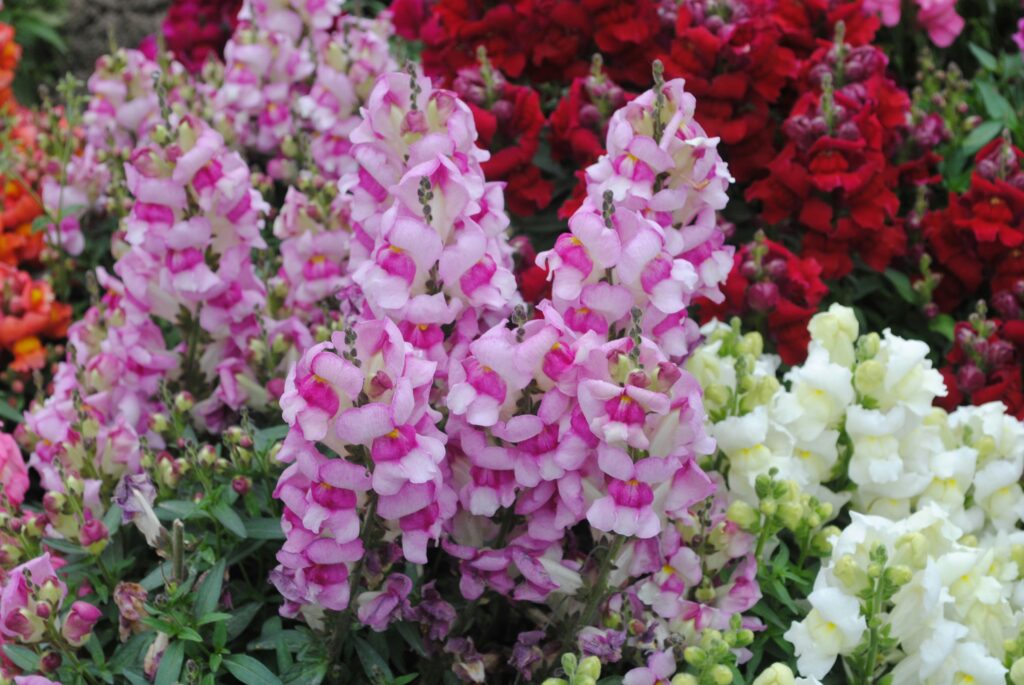
Angelonia is often called summer snapdragon. These flowers bloom in spikes with shades of purple, pink, or white. They look great in flower beds or as border plants.
You’ll notice hummingbirds like to visit Angelonia blooms for their nectar. The upright shape and bright colors make them easy for birds to spot. You can grow them in pots or directly in the ground.
Angelonia does best in sunny spots with well-drained soil. Water them regularly, but don’t let them get soggy. They keep blooming from late spring until the fall, giving hummingbirds food for months.
Here’s a quick look at Angelonia details:
| Plant Varieties | Growing Zone | Blooming Period |
|---|---|---|
| Angelface, Archangel | 9-11 | May to September |
20) Bottlebrush
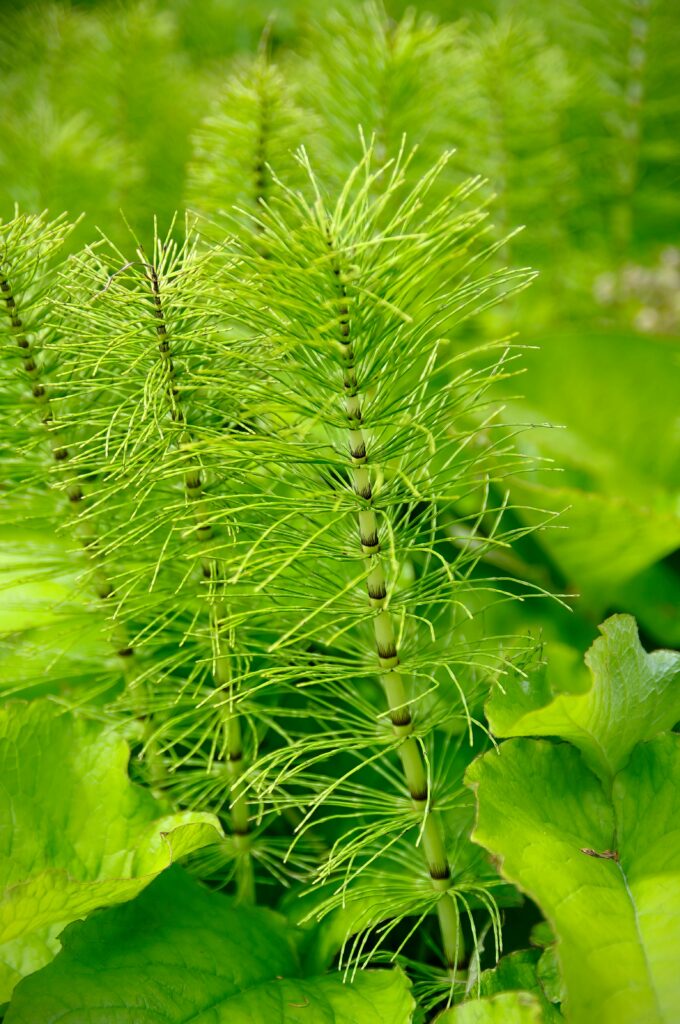
If you want to see more hummingbirds in your yard, bottlebrush is a great pick. This plant gets its name from its bright red flowers that look a lot like the brushes you use to clean bottles.
Hummingbirds love bottlebrush because its flowers are full of nectar. The flowers are shaped just right for their long beaks. You’ll often see hummingbirds zipping around, dipping into each flower.
Bottlebrush plants like warm, sunny spots and do best in places that don’t get too cold. They work well as shrubs or small trees, so you can fit them in gardens both big and small. Plus, they’re pretty easy to care for once they’re settled in.
The blooming period is a big bonus. Bottlebrush usually blooms from late spring through summer. Sometimes, they’ll flower again in the fall if the weather stays warm. This gives hummingbirds plenty of chances to feed.
| Plant Varieties | Growing Zone | Blooming Period |
|---|---|---|
| Callistemon citrinus | 8-11 | May to August |
| Callistemon viminalis | 8-11 | May to September |
| Callistemon rigidus | 8-10 | May to August |
21) Red Hot Poker
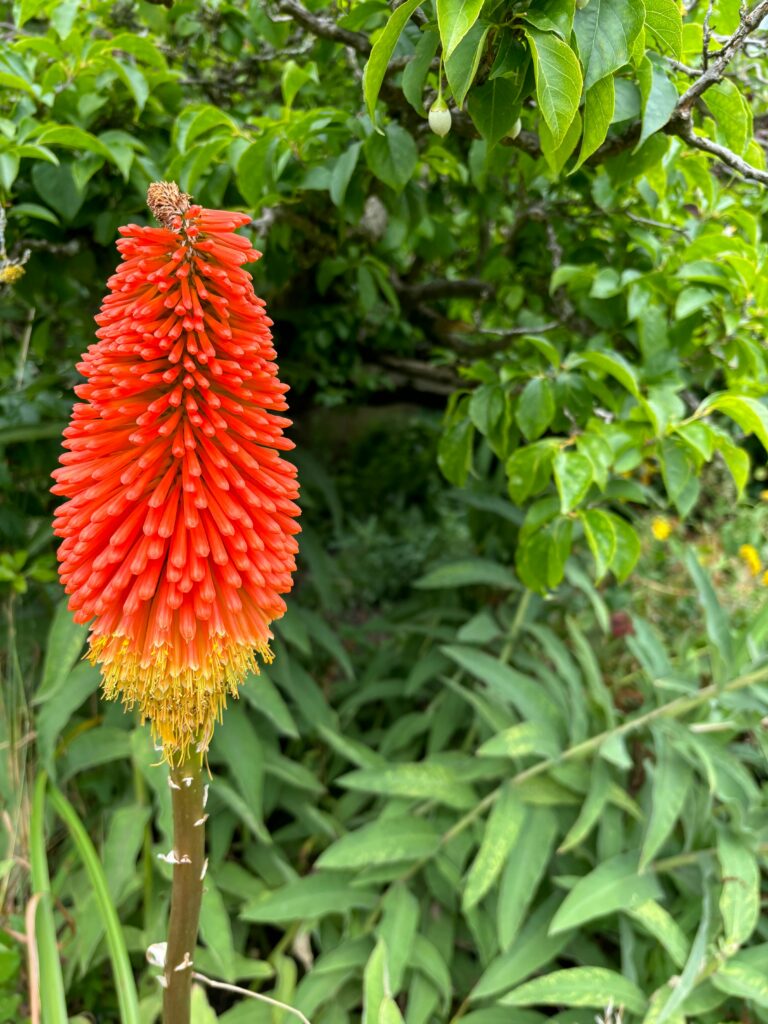
Red Hot Poker is a tall, bright flower with spikes of orange, yellow, and red. Hummingbirds really like these flowers because of their shape and color. The blooms are like long tubes, making it easy for hummingbirds to drink the nectar.
You can plant Red Hot Poker in a sunny spot in your yard. It likes well-drained soil and does best with a little space around it. Once it’s planted, it doesn’t need a lot of water.
These plants start blooming in early summer. The flowers look like flames and make your garden more colorful. Red Hot Poker is easy to grow, as long as it gets enough sun and isn’t in soggy ground.
If you want more hummingbirds, try putting these flowers near other bright plants. It helps to keep them in a place where they get full sunlight most of the day.
| Plant Varieties | Growing Zone | Blooming Period |
|---|---|---|
| ‘Torch Lily’ | 5-9 | June to August |
| ‘Flamenco’ | 6-9 | June to September |
| ‘Percy’s Pride’ | 5-9 | May to July |
22) Cuphea
Cuphea is a fun, easy plant if you want to bring hummingbirds to your yard. These flowers are tube-shaped, which means they are perfect for the hummingbirds’ long, thin beaks. You’ll often see them flitting from flower to flower, sipping nectar.
Cuphea comes in different colors like red, orange, and purple. The blooms are usually pretty bright, so they are easy for hummingbirds to spot. You can plant them in pots or right in the ground.
This plant likes full sun and warm weather. If you live in a cooler climate, you can grow Cuphea as an annual. In warmer zones, they might keep growing year after year.
Cuphea needs regular watering, especially during hot months. The flowers bloom for a long time, so you’ll have a steady chance to watch hummingbirds visit.
| Variety | Growing Zone | Blooming Period |
|---|---|---|
| Cuphea ignea | Zones 9-11 | May to October |
| Cuphea llavea | Zones 8-11 | June to September |
| Cuphea hyssopifolia | Zones 9-11 | May to September |
23) Clethra
Clethra is sometimes called summersweet. It grows as a shrub and has spikes of small, . These flowers can be white or pink.
Hummingbirds are drawn to Clethra because of its sweet scent and its nectar. You might see more hummingbirds in your garden if you plant it.
Clethra does well in spots that have part sun or light shade. It’s pretty easy to grow if you keep the soil moist. This shrub is also known for attracting bees and butterflies.
Most Clethra varieties bloom in mid to late summer. This gives hummingbirds more food when other flowers are starting to fade.
You can plant Clethra along borders or near patios. The blooms look good, smell good, and bring in visitors.
| Plant Varieties | Growing Zone | Blooming Period |
|---|---|---|
| Clethra alnifolia | 4-9 | July to August |
| Clethra ‘Ruby Spice’ | 4-8 | July to August |
| Clethra ‘Hummingbird’ | 4-9 | July to August |
24) Firecracker Plant
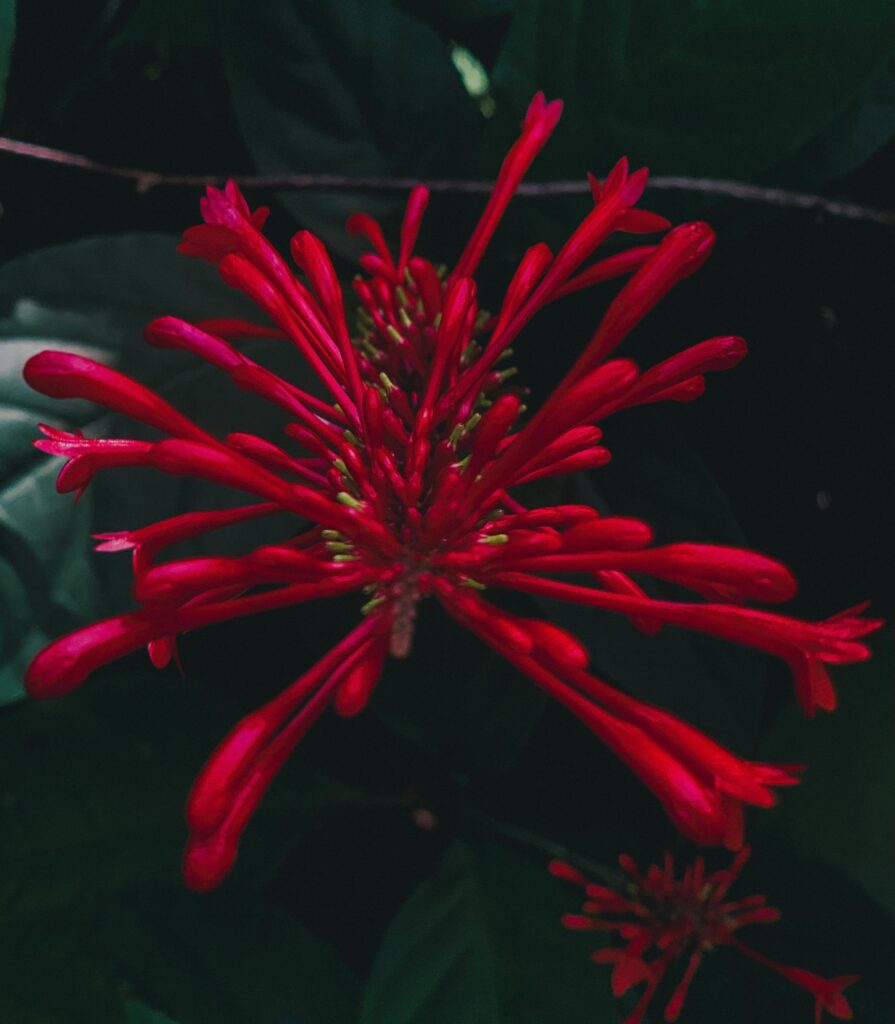
The Firecracker Plant is a fun choice if you want to attract hummingbirds. Its bright, tube-shaped flowers are usually red or orange and really stand out in your garden. The shape of the flower makes it easy for hummingbirds to sip the sweet nectar.
You can grow Firecracker Plant in a pot or right in your yard. It needs lots of sun and well-draining soil to do well. Water it often, but don’t let it get soggy.
This plant usually grows fast and can bloom many times during warm months. It stays pretty compact and tidy, so you won’t need to trim it much. Hummingbirds notice it easily because of the color and the way the flowers dangle.
Firecracker Plant can handle some heat, so it’s great if you live somewhere with hot summers. Bees and butterflies might visit it too, but hummingbirds really love it best.
| Plant Varieties | Growing Zone | Blooming Period |
|---|---|---|
| Russelia equisetiformis | 9-11 | May to October |
| Russelia sarmentosa | 9-11 | May to October |
25) Vinca
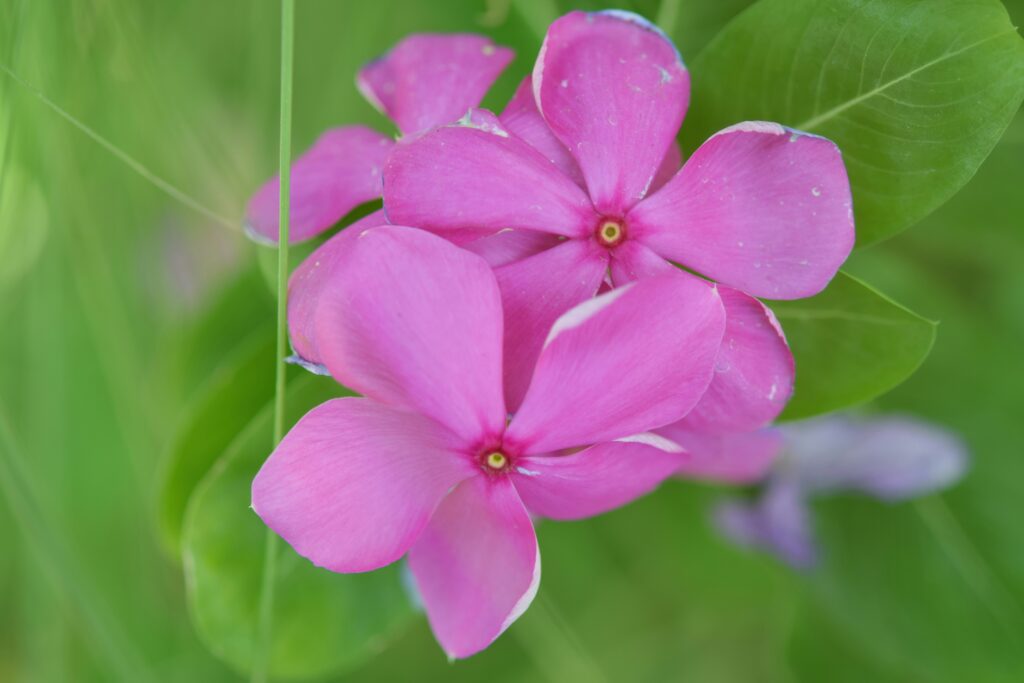
Vinca, also called periwinkle, is an easy-care flower that you can grow in garden beds or containers. You’ll spot the glossy green leaves and bright, star-shaped flowers in shades of pink, white, or purple.
Hummingbirds like Vinca because its open blooms make nectar easy to reach. The flowers keep blooming for months, which means more food for your backyard visitors.
You don’t need to do much to keep Vinca happy. It grows well in sunny or partly-shady spots and doesn’t mind dry soil. Watering deeply once a week usually works unless it’s really hot.
Vinca doesn’t get many pests, and you’re not likely to see deer nibbling on it. Pick a spot with good drainage, and you’ll have flowers all summer long.
| Plant Varieties | Growing Zone | Blooming Period |
|---|---|---|
| Vinca major | 7-9 | May to July |
| Vinca minor | 4-9 | April to June |
| Madagascar periwinkle | 9-11 | June to Sept |
26) Geranium
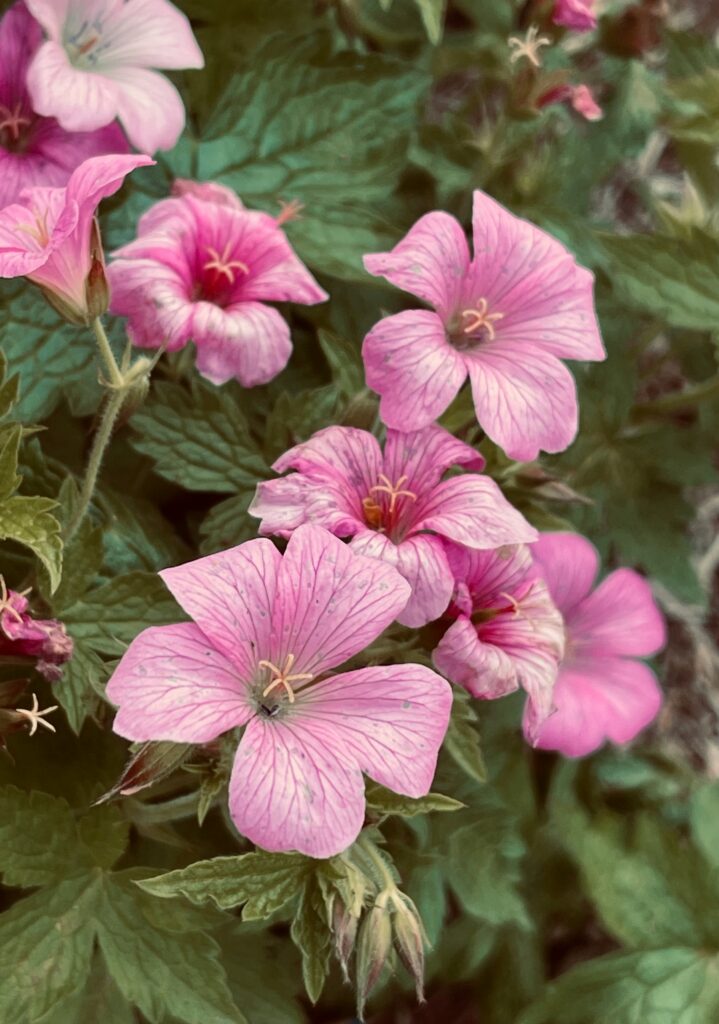
Geraniums are a common garden flower. You can find them in bright red, pink, white, or purple. Their colorful clusters stand out and can bring hummingbirds to your yard.
These flowers work great in pots or garden beds. You’ll need to plant them in a spot that gets sun most of the day. Geraniums like soil that drains well, so try not to let them get soggy.
Geraniums bloom from late spring until fall if you keep up with watering and deadheading old flowers. Hummingbirds will visit for the nectar, especially if you have red or pink varieties.
You can grow geraniums in many parts of the United States. Some kinds can even handle cooler weather, but most need to come indoors if it gets really cold.
| Plant Varieties | Growing Zone | Blooming Period |
|---|---|---|
| Zonal Geranium | 9-12 | May to October |
| Ivy Geranium | 10-11 | May to September |
| Hardy Cranesbill | 4-8 | May to July |
27) Petunia
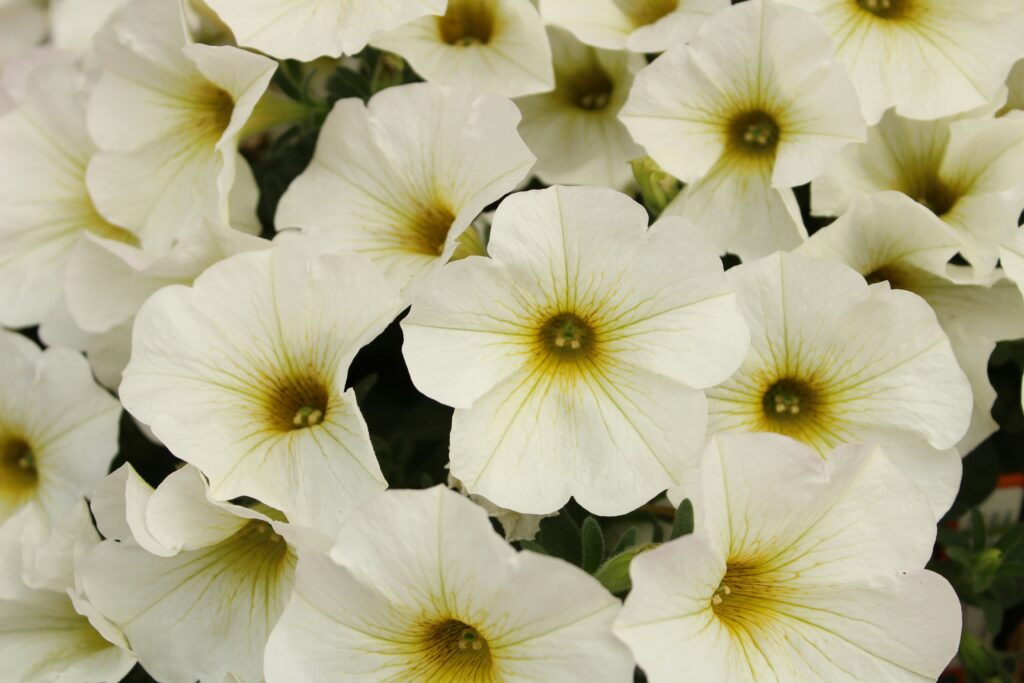
Petunias are a popular choice for gardens because they come in lots of colors. These flowers are easy to grow, even if you’re just starting out with gardening. You can plant them in pots, hanging baskets, or in the ground.
Hummingbirds like petunias because of their bright colors and tube-shaped blooms. Reds, purples, and pinks are favorites. If you put them somewhere sunny, you’ll probably see more hummingbirds stopping by.
Petunias need watering often, especially in warm weather. You can grow them from seeds or buy small plants from a garden store. They work well with other flowers too.
Deadhead the old flowers to help them keep blooming. Fertilize them now and then for stronger growth. Whether you have a big yard or just a small porch, petunias can fit right in.
| Plant Varieties | Growing Zone | Blooming Period |
|---|---|---|
| Grandiflora | 9-11 | May to October |
| Multiflora | 9-11 | May to October |
| Milliflora | 9-11 | May to October |
| Wave Series | 9-11 | May to October |