26 Striking Desert Flowers That Thrive in Heat and Drought
Desert landscapes may seem dry and harsh, but they’re bursting with unexpected beauty—especially when the flowers bloom.
From vibrant wildflowers to sculptural succulents, desert plants have evolved to not only survive but thrive in extreme heat, intense sun, and little water.
Whether you’re gardening in an arid climate or looking to create a drought-tolerant landscape, these 26 striking desert flowers offer bold color, unique form, and exceptional resilience. Perfect for xeriscapes, , and low-water designs, these plants prove that less water doesn’t mean less wow.
1) Desert Marigold
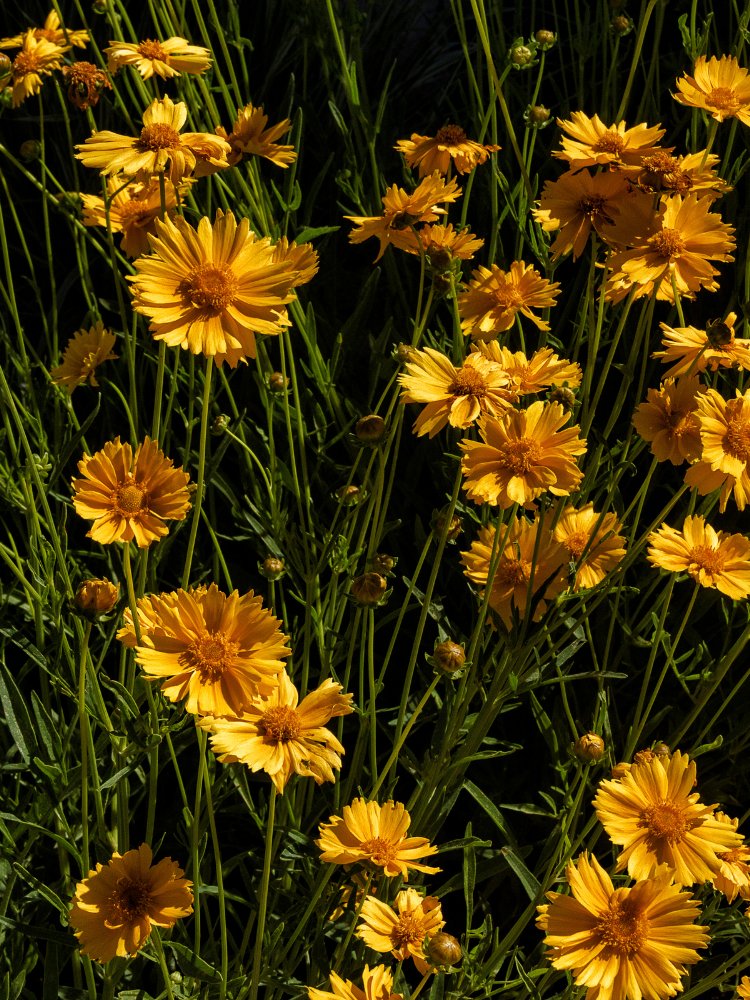
Desert marigold is a cheerful, drought-tolerant perennial that lights up dry landscapes with its bright yellow, daisy-like flowers. Blooming from spring through fall, it brings consistent color to hot, arid spaces.
This sun-loving plant thrives in sandy or gravelly soil and needs very little water once established. The silvery-gray foliage provides a soft backdrop that contrasts beautifully with other desert plants.
Desert marigold is perfect for xeriscapes, roadside plantings, or natural desert gardens. It self-seeds readily and attracts pollinators while resisting deer and drought.
| Plant Varieties | Growing Zone | Blooming Period |
|---|---|---|
| Baileya multiradiata (Common) | 5–10 | Spring to Fall |
| Desert Marigold ‘Arizona Gold’ | 6–10 | Late Spring to Fall |
| Baileya pleniradiata | 6–10 | Spring to Summer |
2) Penstemon
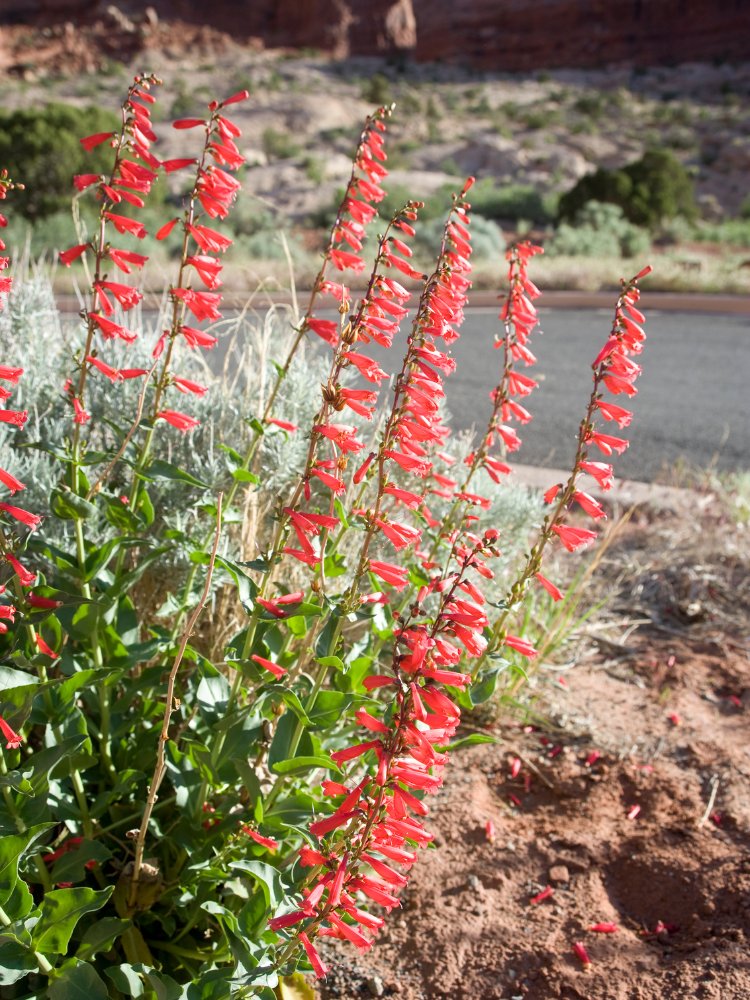
Penstemon, also known as beardtongue, is a desert wildflower with tubular blooms in shades of red, pink, purple, or blue. It thrives in rocky, well-drained soils and full sun, making it a favorite in arid gardens and natural landscapes.
This plant is loved by hummingbirds and pollinators and blooms from spring into summer. Its upright form and vibrant color make it an excellent addition to mixed desert borders or wildflower meadows.
Penstemons are drought-tolerant, low-maintenance, and come in many varieties well-suited to desert climates.
| Plant Varieties | Growing Zone | Blooming Period |
|---|---|---|
| Penstemon parryi | 5–9 | March to May |
| Firecracker Penstemon | 5–9 | Late Spring to Summer |
| Penstemon eatonii | 4–8 | Early Spring |
3) Desert Globemallow
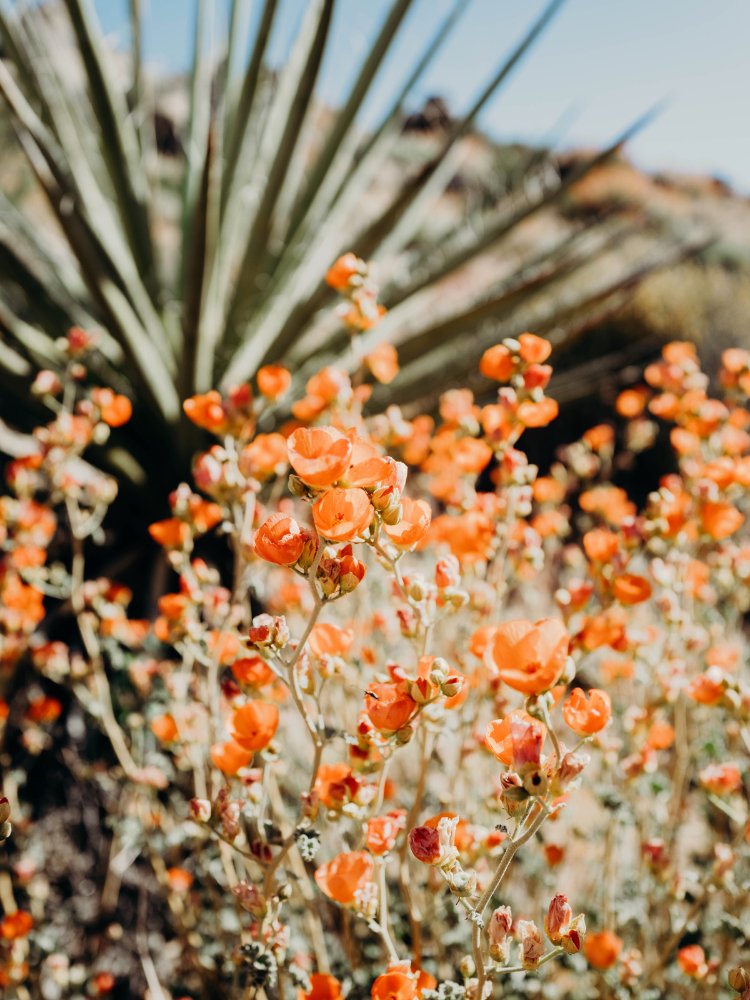
Desert globemallow is a tough, fast-growing perennial covered in papery, cup-shaped blooms ranging from orange to coral, pink, or red. It thrives in dry, sandy soils and handles extreme heat and drought with ease.
Blooming from spring into summer, this plant provides color and movement with its airy, branching form. It’s a magnet for bees and butterflies and grows well along roadsides, slopes, and rock gardens.
Desert globemallow reseeds easily and requires minimal care, making it ideal for naturalistic or low-maintenance desert landscapes.
| Plant Varieties | Growing Zone | Blooming Period |
|---|---|---|
| Sphaeralcea ambigua | 5–10 | March to June |
| Desert Globemallow ‘Louis Hamilton’ | 5–9 | Spring to Summer |
| Sphaeralcea ‘Papago Pink’ | 6–10 | Spring |
4) Prickly Pear Cactus
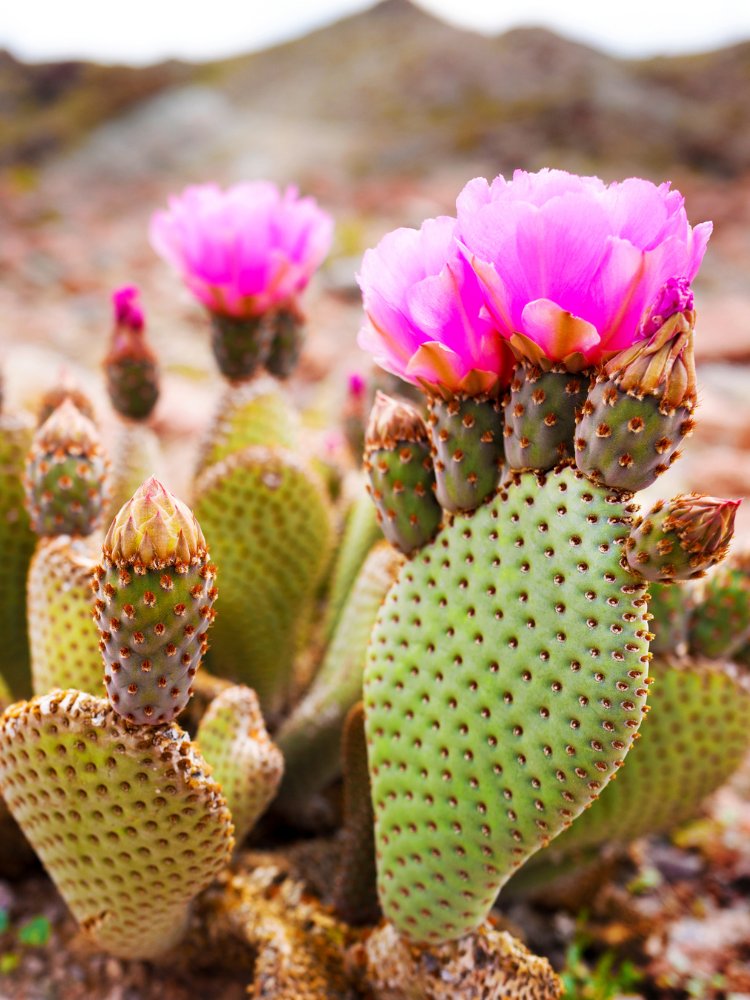
Prickly pear cactus is a classic desert plant with wide, flat pads and vivid blooms in yellow, red, or pink. It’s highly drought-tolerant and thrives in full sun and well-drained soil, often growing with minimal care.
In spring and early summer, it produces striking flowers followed by edible, colorful fruit called tunas. The cactus pads can also be used culinarily (with proper preparation).
Perfect for xeriscaping, containers, or naturalized desert gardens, prickly pear offers year-round structure and seasonal color.
| Plant Varieties | Growing Zone | Blooming Period |
|---|---|---|
| Opuntia engelmannii | 6–11 | April to June |
| Opuntia basilaris (Beavertail) | 6–10 | Spring |
| Opuntia ficus-indica | 8–11 | Late Spring to Summer |
5) Desert Willow
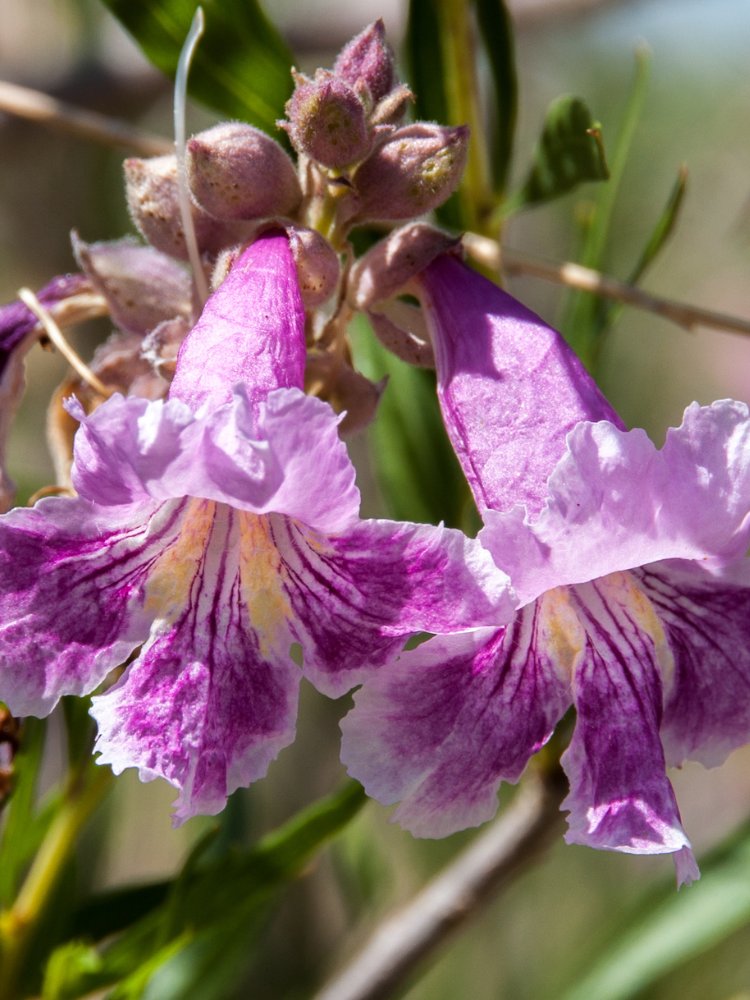
Desert willow is a small, deciduous tree or large shrub that thrives in dry conditions and produces showy, trumpet-shaped flowers in shades of pink, purple, and white. Despite its name, it’s not a true willow but gets its name from its narrow, willow-like leaves.
It blooms from late spring into fall, especially after rainfall, and attracts hummingbirds and bees. Desert willow prefers full sun and sandy or gravelly soil with excellent drainage.
It’s a striking focal plant for desert gardens and offers shade and structure without heavy water needs.
| Plant Varieties | Growing Zone | Blooming Period |
|---|---|---|
| Chilopsis linearis | 7–11 | May to October |
| Desert Willow ‘Bubba’ | 7–10 | Summer |
| Desert Willow ‘Sweet Bubba’ | 7–10 | Summer to Fall |
6) Brittlebush
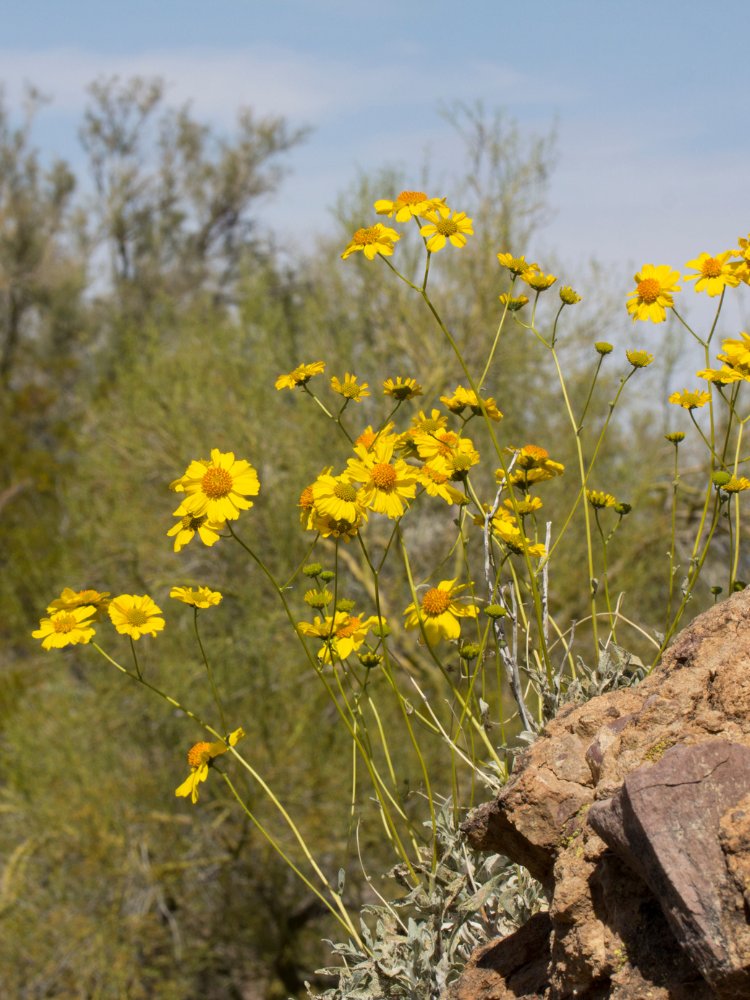
Brittlebush is a hardy desert shrub with silvery leaves and bright yellow daisy-like flowers that bloom in spring. It’s a dominant plant in the Sonoran Desert and valued for its toughness and striking seasonal color.
It thrives in rocky, dry soils and full sun, needing little to no supplemental water once established. Brittlebush also helps stabilize slopes and is commonly used in native restoration projects.
The silvery foliage offers contrast to greener plants, and its blooms attract native pollinators.
| Plant Varieties | Growing Zone | Blooming Period |
|---|---|---|
| Encelia farinosa | 7–10 | February to May |
| Brittlebush ‘Silver Feather’ | 8–10 | Early Spring |
| Encelia californica | 8–11 | Spring |
7) Evening Primrose
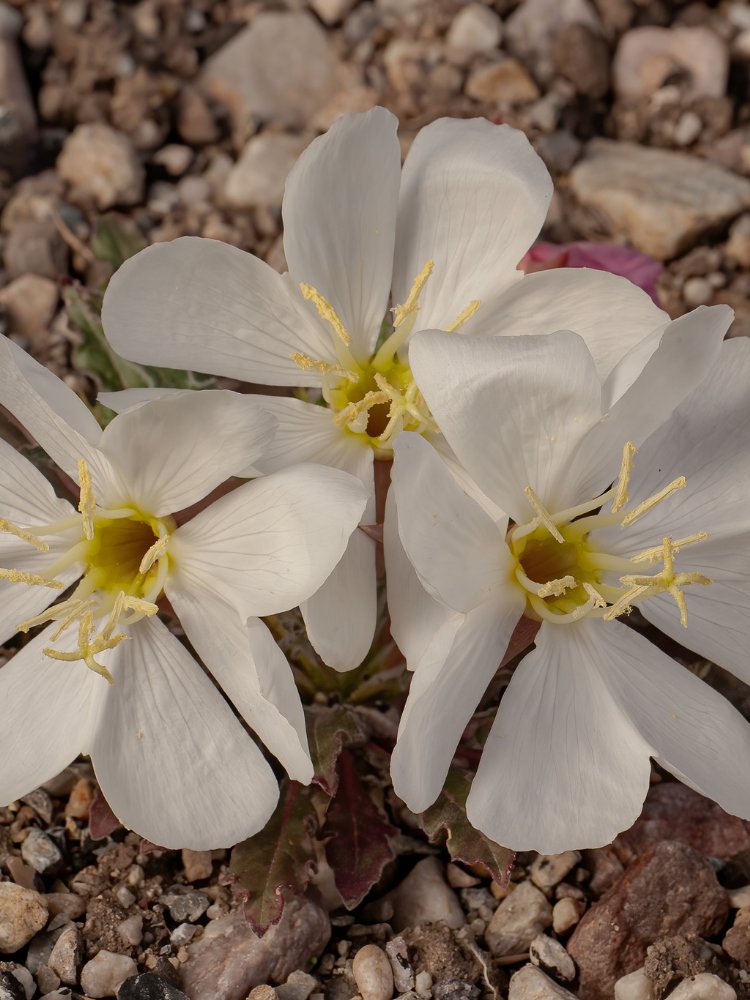
Evening primrose is a delicate desert wildflower that opens its pale yellow or white blooms in the evening, attracting night-flying pollinators like moths. It thrives in sandy, well-drained soils and full sun, making it perfect for arid gardens.
Blooming from spring into early summer, this low-growing perennial often forms a ground-hugging rosette. It’s drought-tolerant and great for open spaces or mixing into wildflower meadows.
Evening primrose adds a soft, ethereal beauty to dry landscapes and is easy to grow from seed.
| Plant Varieties | Growing Zone | Blooming Period |
|---|---|---|
| Oenothera caespitosa | 5–9 | March to June |
| Oenothera speciosa ‘Siskiyou’ | 5–9 | Spring to Summer |
| Oenothera elata (Hooker’s Evening Primrose) | 6–10 | Summer |
8) Fairy Duster
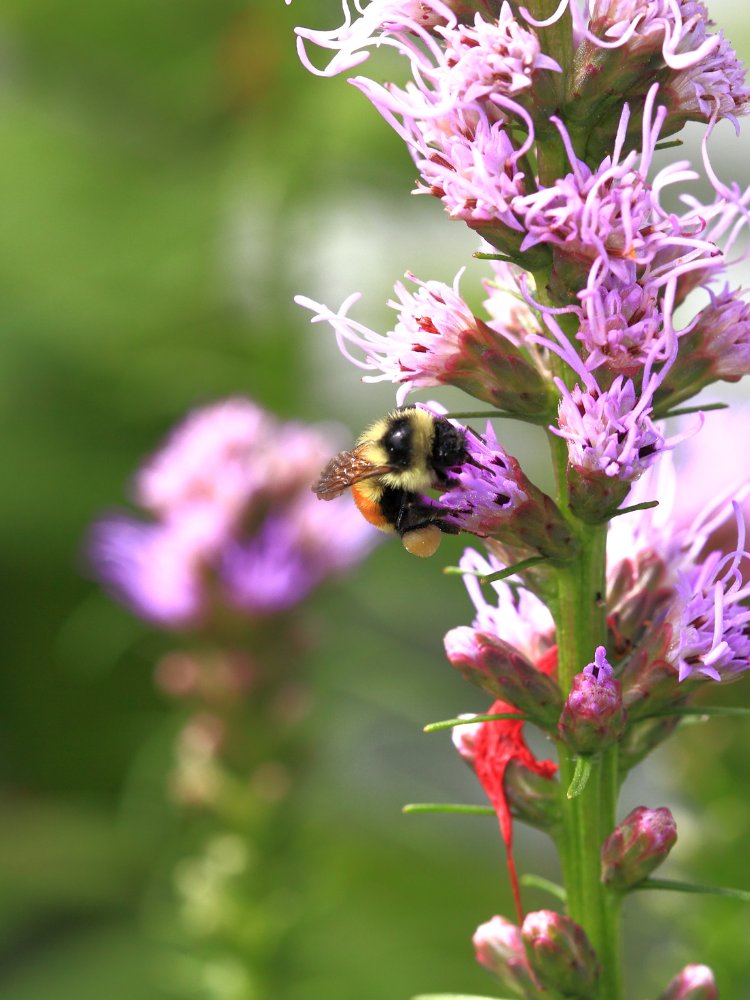
Fairy duster is a charming desert shrub that produces fluffy, powder-puff-like flowers in shades of pink or red. The unique blooms resemble small fireworks and attract hummingbirds and bees.
It thrives in full sun and gravelly, fast-draining soil. This native plant is highly drought-tolerant and blooms primarily in spring, with occasional flowering after summer rains.
Fairy duster is ideal for desert borders, wildlife gardens, and erosion control on dry slopes.
| Plant Varieties | Growing Zone | Blooming Period |
|---|---|---|
| Calliandra eriophylla | 7–10 | February to May |
| Calliandra californica | 8–11 | Spring to Fall |
| Fairy Duster ‘Compact Form’ | 8–10 | Spring |
9) Ocotillo
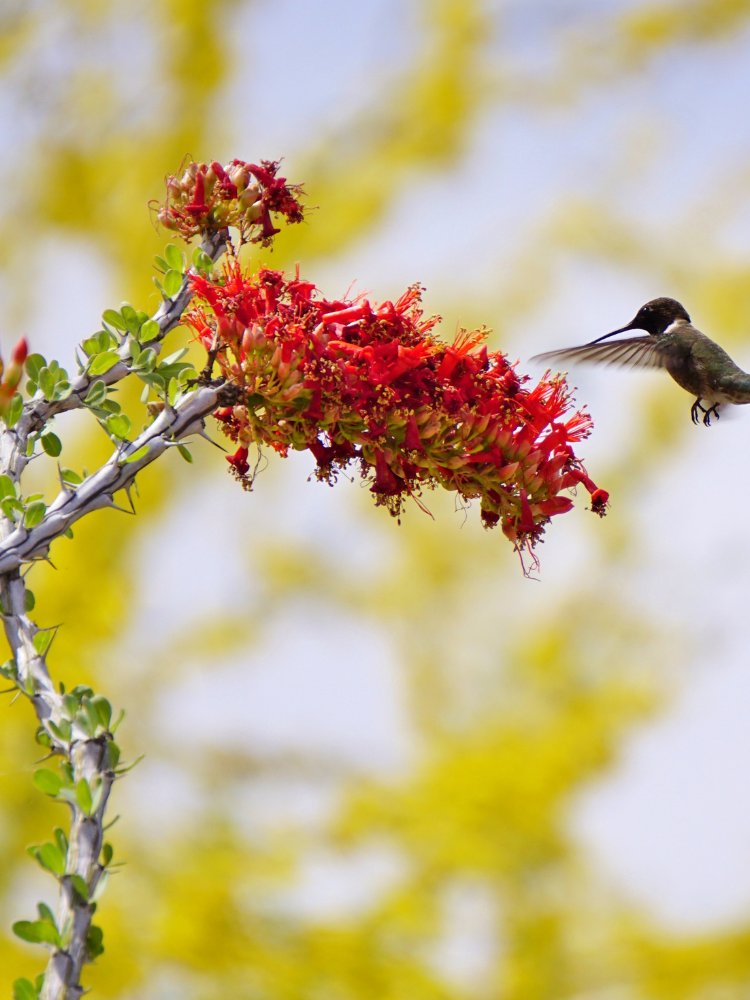
Ocotillo is a striking desert plant with tall, spiny stems that leaf out after rain and are topped with fiery red tubular flowers in spring. Though it looks like a cactus, it’s actually a drought-deciduous shrub.
It thrives in full sun and rocky, fast-draining soil. After rainfall, it quickly greens up, and during dry periods, it drops its leaves to conserve moisture.
Ocotillo’s vertical form makes it a dramatic focal point in desert landscapes and a favorite among hummingbirds during its bloom season.
| Plant Varieties | Growing Zone | Blooming Period |
|---|---|---|
| Fouquieria splendens | 8–11 | March to June |
| Ocotillo ‘Compact Form’ | 8–11 | Spring to Summer |
| Ocotillo (Common) | 8–11 | After Spring Rains |
10) Red Yucca
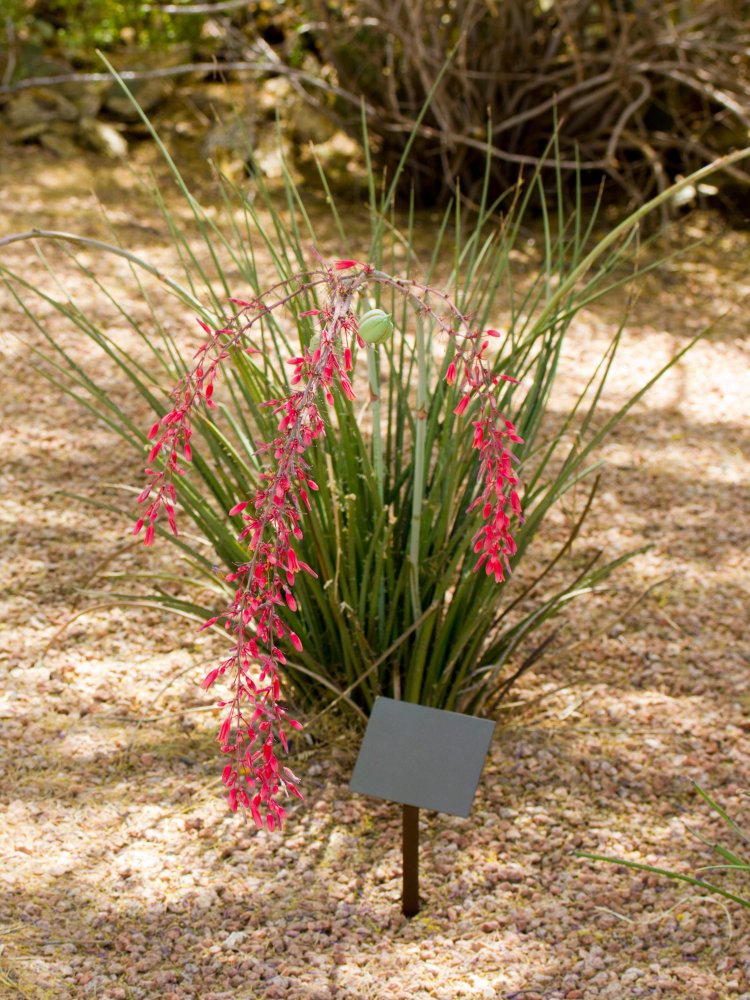
Red yucca is a tough, architectural desert perennial with arching, grass-like leaves and tall flower spikes bearing coral-red, tubular blooms. It’s not a true yucca but shares similar drought-hardiness and bold form.
It thrives in full sun, heat, and poor soils, blooming from late spring through summer and sometimes into fall. The flowers are a magnet for hummingbirds.
Red yucca is perfect for xeriscapes, along driveways, or in dry borders where long-lasting color and minimal water use are key.
| Plant Varieties | Growing Zone | Blooming Period |
|---|---|---|
| Hesperaloe parviflora | 6–11 | May to |
| Red Yucca ‘Brakelights’ | 6–10 | Late Spring to Fall |
| Red Yucca ‘Yellow’ | 6–11 | Summer |
11) Beavertail Cactus
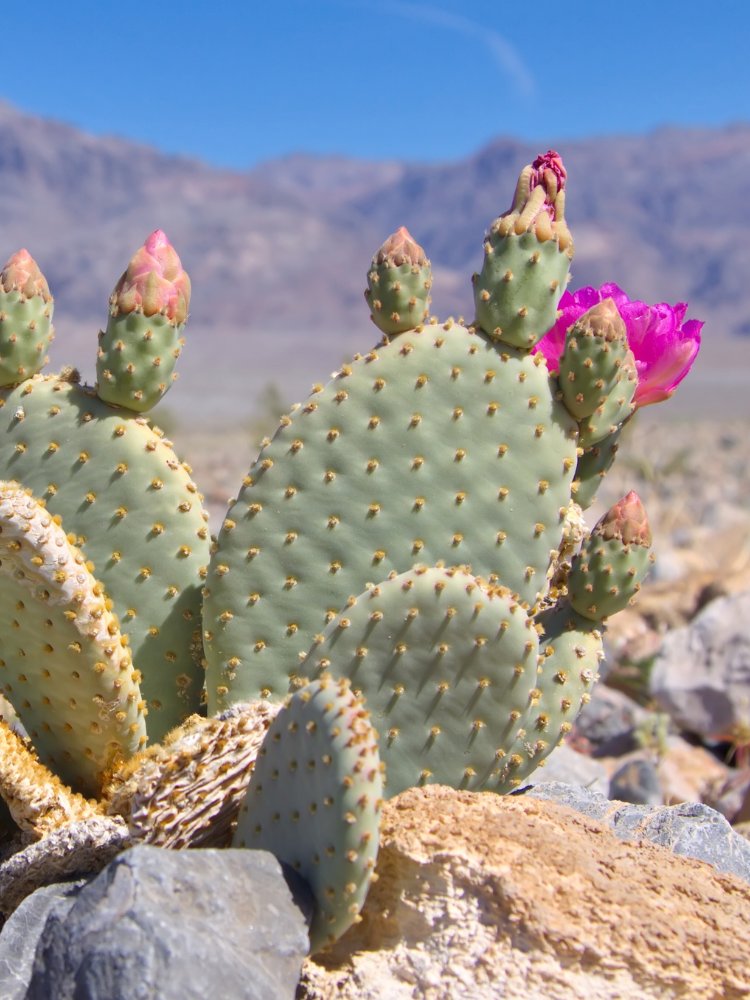
Beavertail cactus is a low-growing cactus with wide, flattened pads and brilliant magenta or pink blooms that appear in spring. Its spineless pads make it more garden-friendly than many other cacti.
This cactus thrives in full sun, sandy or rocky soil, and very little water. It’s perfect for rock gardens, containers, and low-maintenance desert beds.
The bright flowers contrast beautifully with the gray-green pads and provide early-season nectar for pollinators.
| Plant Varieties | Growing Zone | Blooming Period |
|---|---|---|
| Opuntia basilaris | 6–10 | March to May |
| Beavertail Cactus ‘Pink Form’ | 6–10 | Spring |
| Opuntia basilaris ‘Compacta’ | 7–10 | Late Spring |
12) Chuparosa
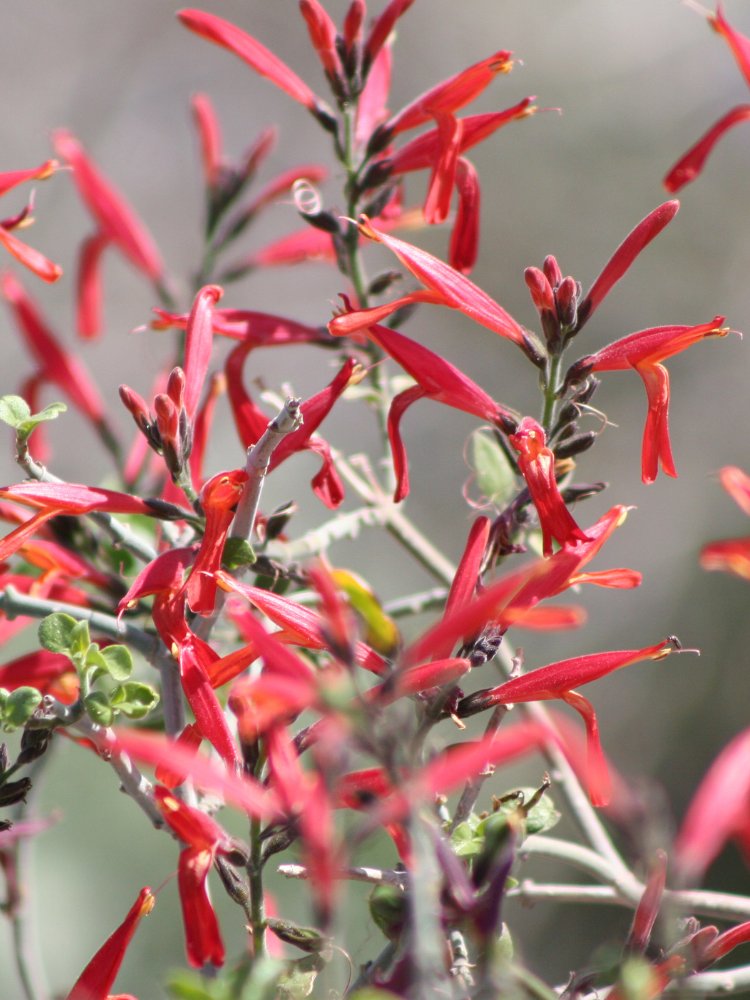
Chuparosa is a fast-growing desert shrub with bright red tubular flowers that bloom heavily in spring and sporadically after summer rains. Its blooms are a magnet for hummingbirds and its green, leafless stems photosynthesize directly.
It thrives in full sun and dry, rocky soils and tolerates extreme heat and drought. The plant stays small and manageable, making it great for native desert gardens or wildlife-friendly landscapes.
Chuparosa adds vibrant seasonal color and needs little to no maintenance once established.
| Plant Varieties | Growing Zone | Blooming Period |
|---|---|---|
| Justicia californica | 8–10 | February to May |
| Chuparosa ‘Desert Flame’ | 8–10 | Spring to Fall |
| Justicia ‘Compact Form’ | 8–10 | Spring |
13) Arizona Poppy
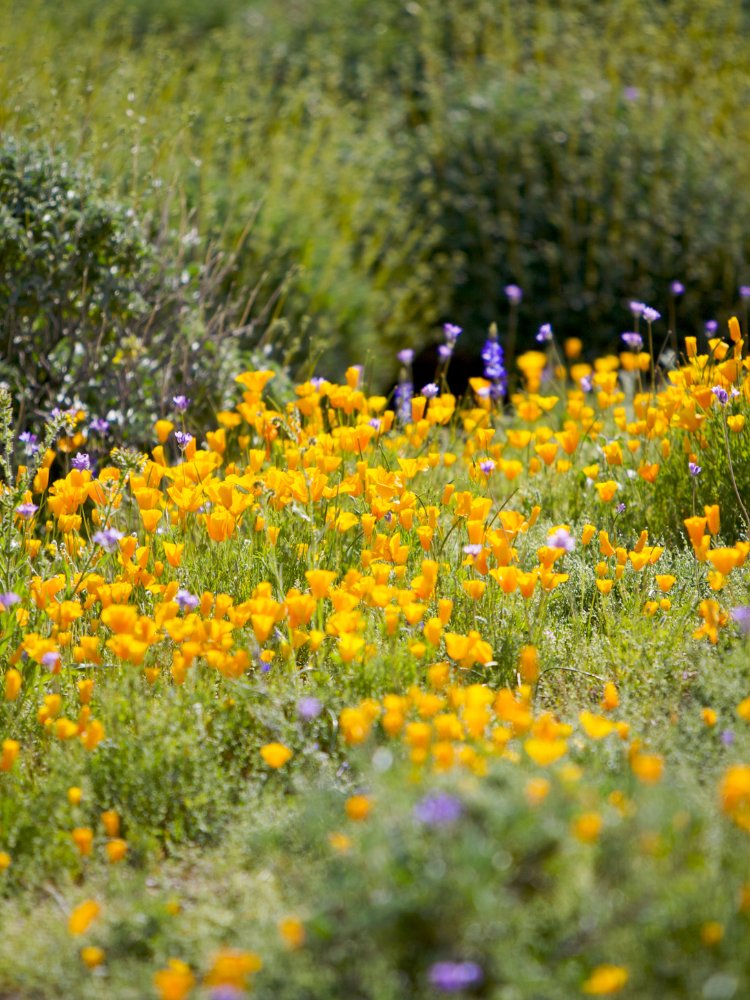
Arizona poppy is a vibrant, heat-loving annual that erupts in fiery orange or red blooms after summer rains. Though it resembles California poppy, it’s a distinct species adapted to desert conditions.
This quick-blooming wildflower thrives in sandy, well-drained soils and full sun. It’s often seen blanketing open spaces and roadsides with brilliant color during monsoon season.
Arizona poppy is a must-have for desert wildflower meadows or pollinator-friendly gardens, as it draws bees and butterflies with its vivid blooms.
| Plant Varieties | Growing Zone | Blooming Period |
|---|---|---|
| Kallstroemia grandiflora | 7–10 | July to September |
| Arizona Poppy ‘Sunset Glow’ | 8–10 | Summer |
| Summer Poppy (Common) | 8–10 | Post-Rain Bloom |
14) Yellow Bells
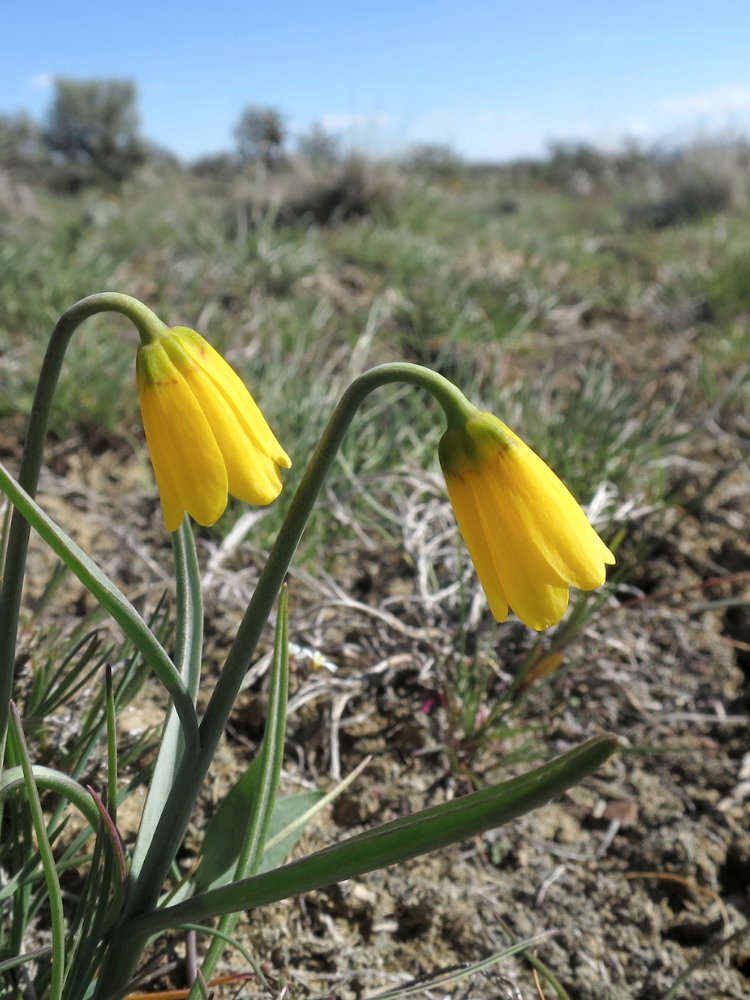
Yellow bells is a fast-growing desert shrub with clusters of trumpet-shaped, golden-yellow flowers that bloom from spring through fall. It adds tropical flair and bold color to dry landscapes.
This plant loves full sun and heat, and thrives in sandy, well-drained soil. It’s drought-tolerant once established but responds well to occasional watering with even more blooms.
Yellow bells are great for attracting hummingbirds and butterflies and work well as a screen, specimen, or accent in water-wise gardens.
| Plant Varieties | Growing Zone | Blooming Period |
|---|---|---|
| Tecoma stans | 8–11 | April to October |
| Yellow Bells ‘Gold Star’ | 8–11 | Summer to Fall |
| Tecoma ‘Sierra Apricot’ | 8–10 | Spring to Late Fall |
15) Agave
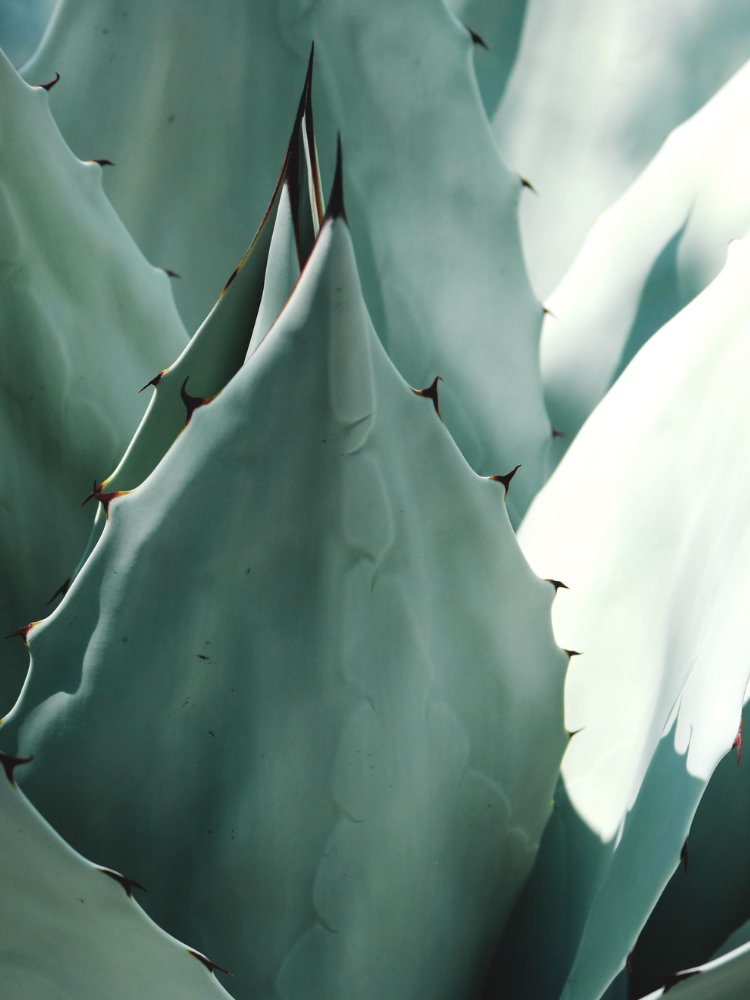
Agave is a sculptural succulent known for its rosette of spiky leaves and towering flower stalks that appear only once in the plant’s lifetime. Most bloom after many years and then die, leaving behind offsets for regeneration.
Agave thrives in full sun, sandy or rocky soil, and requires little water. It adds bold structure and drama to xeriscapes and desert-themed landscapes.
Different varieties range from compact to massive and can be used as focal points or container specimens.
| Plant Varieties | Growing Zone | Blooming Period |
|---|---|---|
| Agave americana | 8–11 | After 8–20 years |
| Agave parryi | 5–10 | After 10–15 years |
| Agave victoriae-reginae | 7–11 | After 15+ years |
16) Desert Lupine
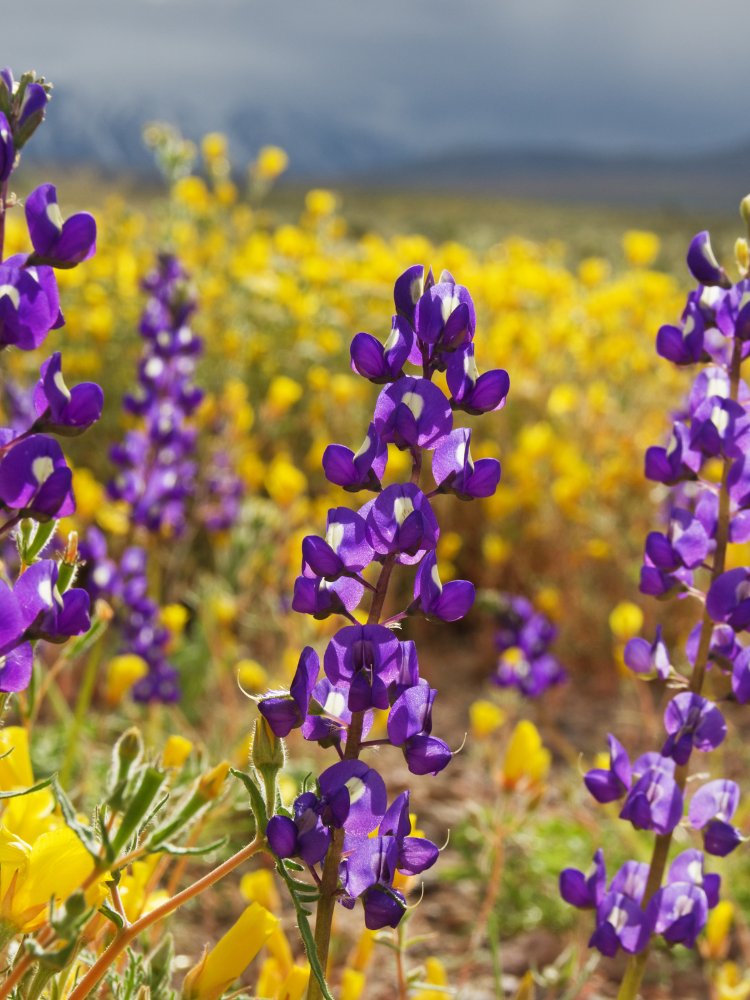
Desert lupine is a hardy wildflower with tall spikes of violet, blue, or that bloom in spring. It thrives in sandy, dry soils and puts on a spectacular show after winter rains.
This nitrogen-fixing plant is excellent for restoring desert soils and attracts bees, butterflies, and other pollinators.
It’s well suited to wildflower meadows, desert hillsides, and native garden designs.
| Plant Varieties | Growing Zone | Blooming Period |
|---|---|---|
| Lupinus sparsiflorus | 6–10 | February to May |
| Desert Lupine ‘Silver Carpet’ | 7–10 | Spring |
| Lupinus arizonicus | 7–10 | March to April |
17) Indian Paintbrush
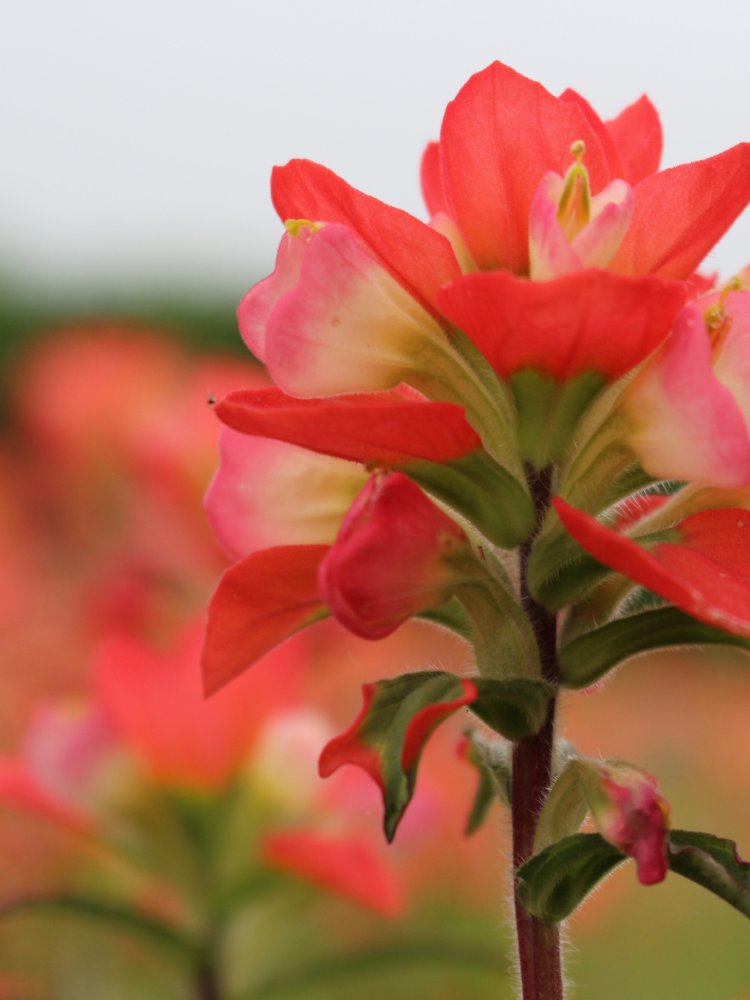
Indian paintbrush is a vivid desert wildflower known for its brilliant red or orange bracts that resemble a brush dipped in paint. It grows alongside grasses and other wildflowers, often thriving in dry meadows and rocky slopes.
It prefers full sun and sandy soil and is semi-parasitic—attaching its roots to nearby plants for nutrients. Despite this, it coexists well in native gardens and wildflower mixes.
Its intense color and unique growth habit make it a favorite for naturalistic desert landscapes.
| Plant Varieties | Growing Zone | Blooming Period |
|---|---|---|
| Castilleja integra | 5–9 | March to June |
| Indian Paintbrush ‘Scarlet Flame’ | 6–10 | Spring |
| Castilleja chromosa | 6–9 | Spring to Early Summer |
18) Bladderpod
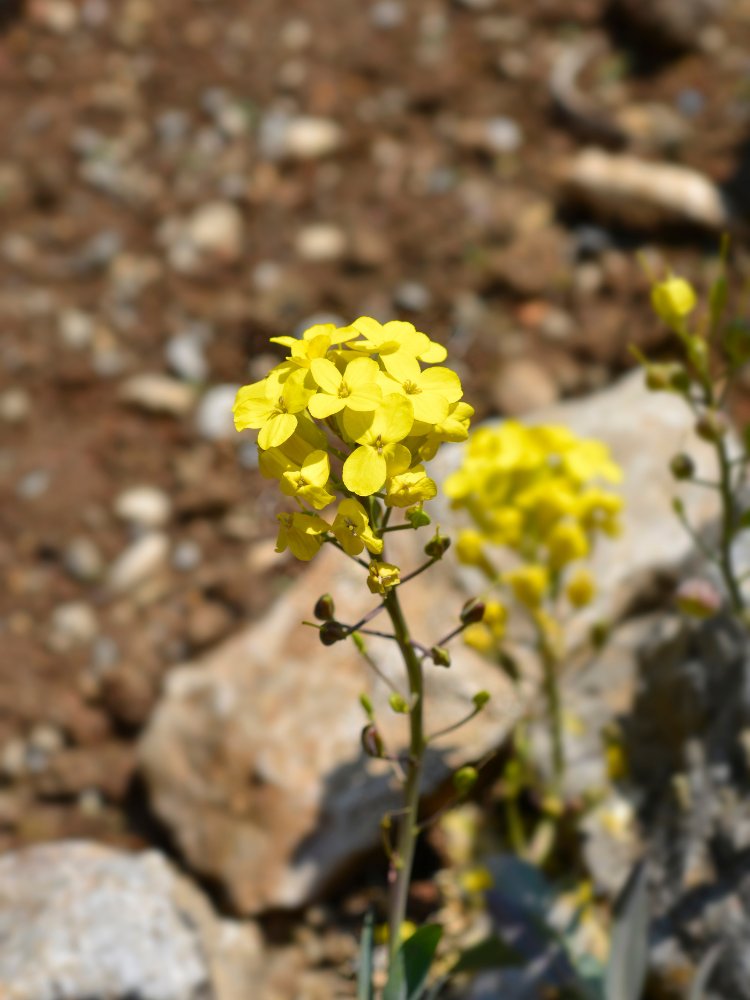
Bladderpod is a heat- and drought-tolerant desert shrub with small and distinctive inflated seed pods that give the plant its name. It thrives in poor, rocky soils and blooms nearly year-round in mild climates.
Its silvery, pungent foliage is deer-resistant and adapted to arid conditions. It’s a great choice for slopes, erosion control, and pollinator gardens, attracting bees and butterflies with its bright, nectar-rich flowers.
Bladderpod is a true desert survivor that provides structure and color with almost no care.
| Plant Varieties | Growing Zone | Blooming Period |
|---|---|---|
| Peritoma arborea | 8–10 | Year-Round (Peak Spring) |
| Bladderpod ‘Desert Gold’ | 8–10 | Spring to Fall |
| Peritoma serrulata | 7–10 | March to June |
19) Firecracker Penstemon
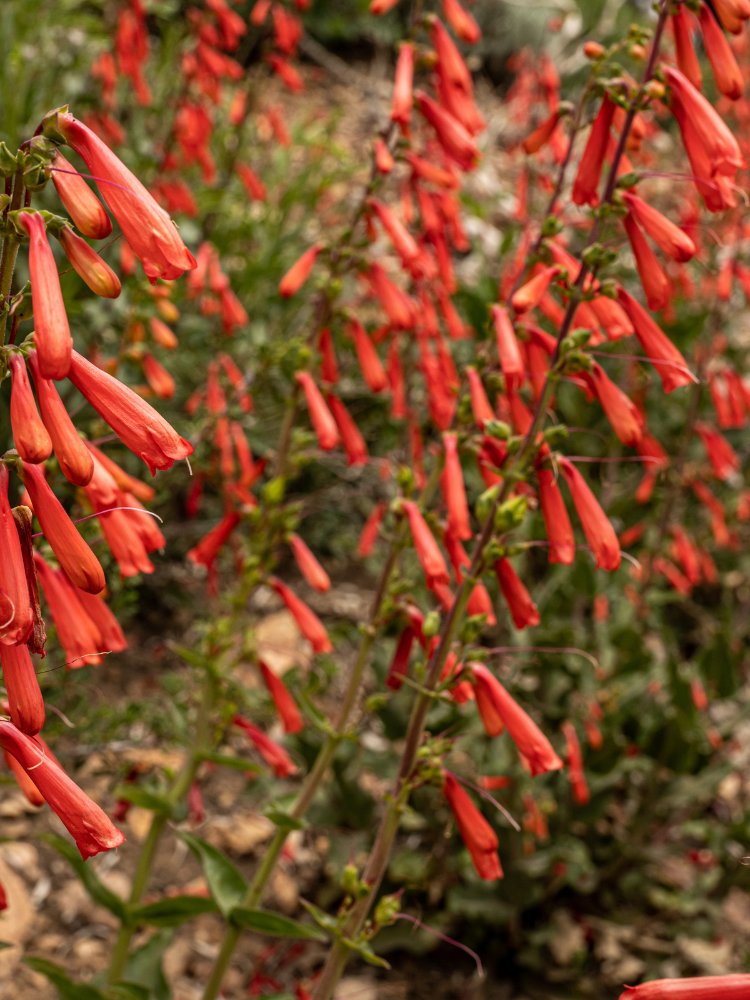
Firecracker penstemon is a showy, drought-tolerant perennial that lights up the landscape with narrow spikes of vivid red, tubular flowers. Its upright form and bright blooms make it a favorite among hummingbirds.
It thrives in full sun and well-drained, sandy soil. This hardy plant handles heat, wind, and poor conditions with ease, and blooms from spring through early summer.
Firecracker penstemon adds vertical color and movement to , dry slopes, or desert borders.
| Plant Varieties | Growing Zone | Blooming Period |
|---|---|---|
| Penstemon eatonii | 4–9 | March to June |
| Firecracker Penstemon ‘Scarlet Flame’ | 5–9 | Spring to Summer |
| Penstemon ‘Red Rocks’ | 4–9 | Late Spring |
20) Blackfoot Daisy
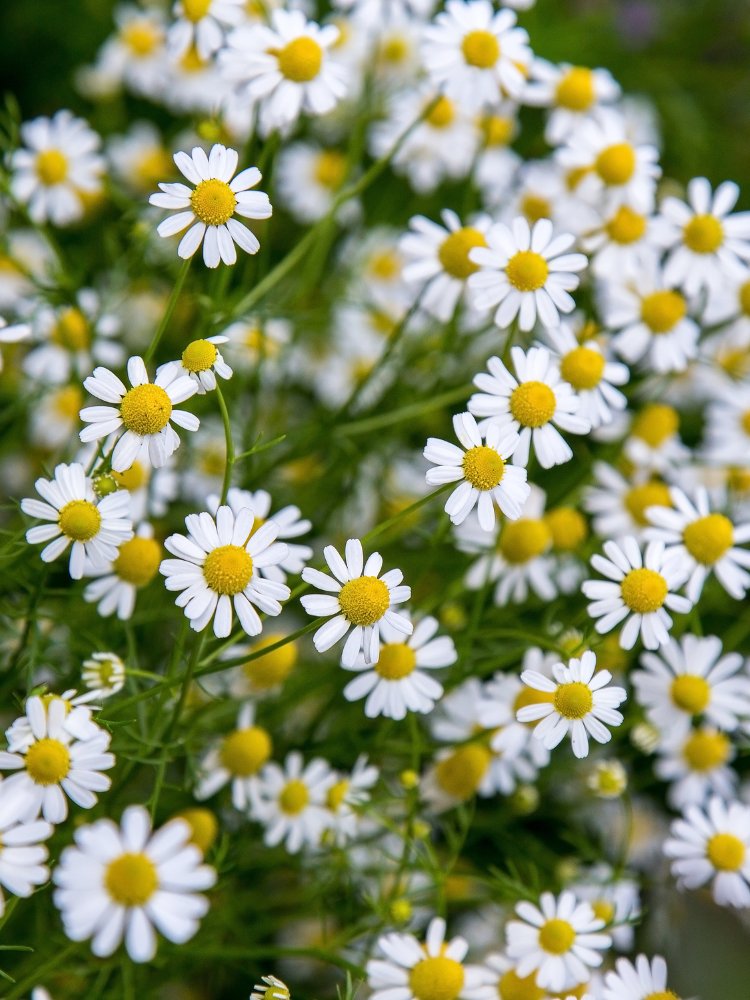
Blackfoot daisy is a tough little perennial with white daisy-like flowers and yellow centers that bloom continuously through the hot season. It forms neat, low-growing mounds ideal for ground cover in arid landscapes.
It thrives in full sun and well-drained, rocky soil. This native wildflower is heat-loving, drought-resistant, and low-maintenance, with soft gray-green foliage that complements more structural desert plants.
Blackfoot daisy adds long-lasting cheer to borders, parkways, and native plantings.
| Plant Varieties | Growing Zone | Blooming Period |
|---|---|---|
| Melampodium leucanthum | 5–10 | Spring to Fall |
| Blackfoot Daisy ‘Compacta’ | 6–10 | Late Spring to Fall |
| Melampodium ‘Desert Star’ | 6–10 | May to October |
21) Creosote Bush
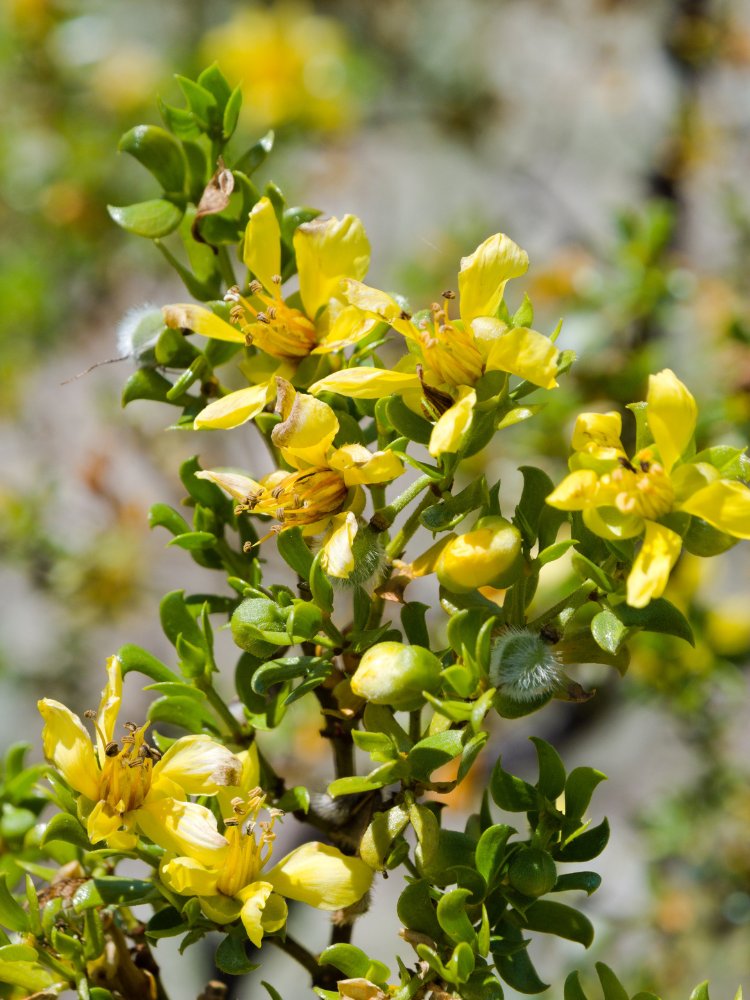
Creosote bush is a hallmark of the southwestern desert, with small yellow flowers and aromatic, resinous foliage. It’s extremely drought-tolerant and thrives in poor, sandy or gravelly soils.
After rainfall, creosote blooms in golden clusters and releases its distinctive desert scent. It also provides habitat for desert wildlife and stabilizes soil in wild or naturalized areas.
It’s ideal for ecological landscaping, native plantings, or large-scale xeriscaping.
| Plant Varieties | Growing Zone | Blooming Period |
|---|---|---|
| Larrea tridentata | 7–11 | March to May |
| Creosote ‘Desert Sun’ | 8–11 | Spring to Summer |
| Larrea ‘Sonoran Glow’ | 8–11 | After Rainfall |
22) Barrel Cactus
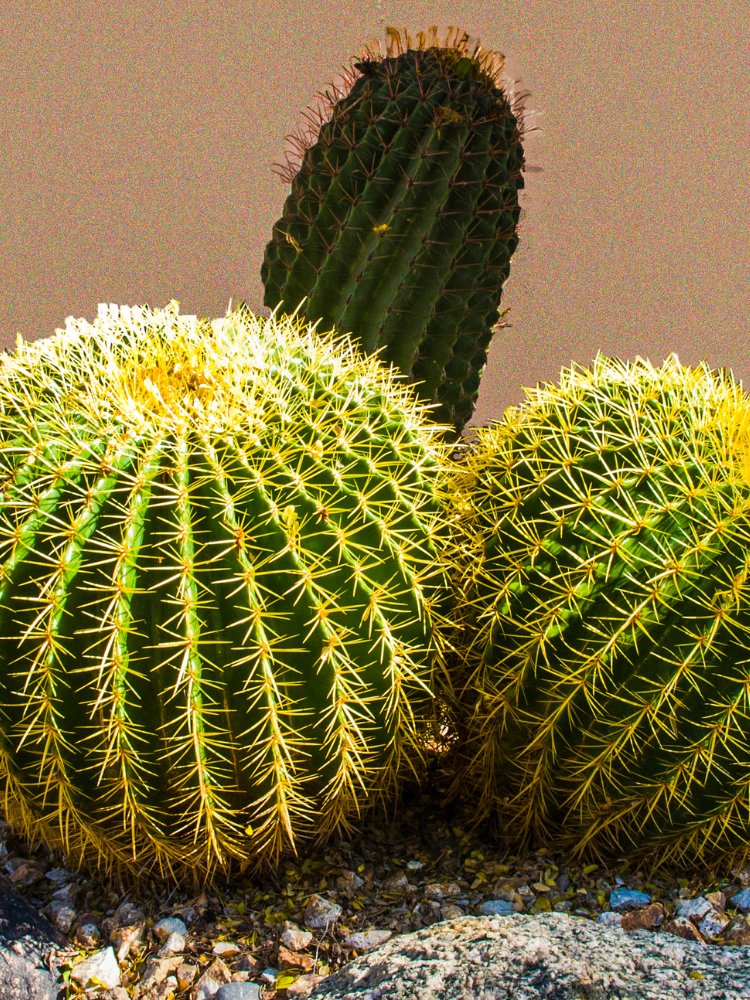
Barrel cactus is a slow-growing, round to cylindrical cactus known for its golden spines and stunning crown of yellow, orange, or in summer. It thrives in full sun and requires very little water.
Its form adds year-round structure to desert landscapes, and the blooms provide seasonal interest and nectar for native pollinators.
Barrel cactus is a great specimen plant for rocky gardens, containers, and heat-reflective areas.
| Plant Varieties | Growing Zone | Blooming Period |
|---|---|---|
| Ferocactus wislizeni | 8–11 | May to July |
| Ferocactus cylindraceus | 8–11 | Summer |
| Barrel Cactus ‘Golden Spine’ | 8–11 | Early to Mid Summer |
23) Mojave Aster
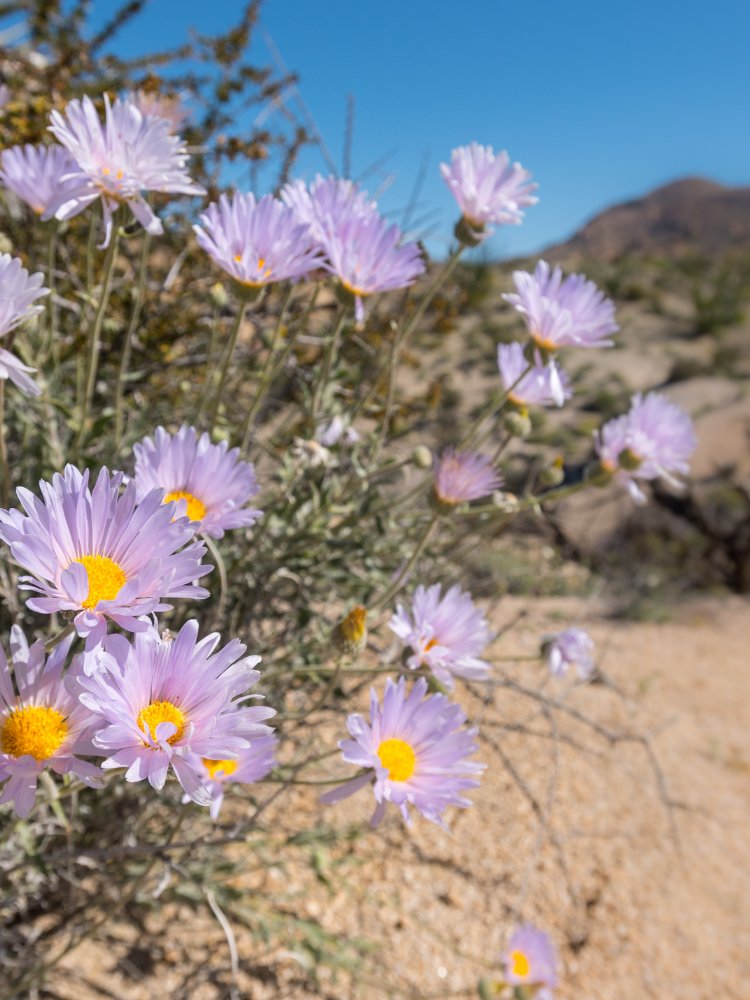
Mojave aster is a desert native that produces lavender to purple daisy-like blooms in spring. It stands out with its soft gray-green foliage and ability to flower even in harsh, dry conditions.
It thrives in full sun and sandy or gravelly soil, and once established, it’s highly drought-tolerant. The blooms are fragrant and attract bees, butterflies, and other pollinators.
Perfect for native gardens or rocky outcroppings, Mojave aster provides a reliable splash of color with minimal effort.
| Plant Varieties | Growing Zone | Blooming Period |
|---|---|---|
| Xylorhiza tortifolia | 7–10 | March to May |
| Mojave Aster ‘Silver Star’ | 8–10 | Spring |
| Xylorhiza ‘Desert Beauty’ | 7–10 | Early Spring |
24) Parry’s Penstemon
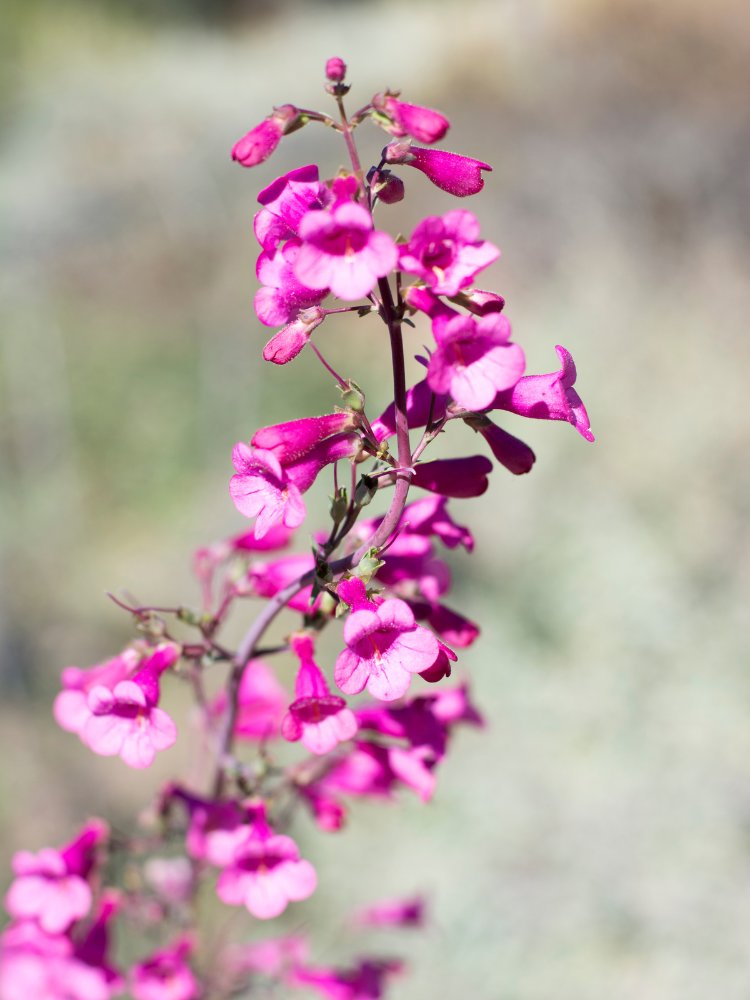
Parry’s penstemon is a standout desert wildflower with tall spikes of rose-pink to lavender tubular flowers that rise above bluish foliage in spring. It thrives in full sun and rocky, well-drained soils.
This penstemon is particularly striking in mass plantings, along slopes, or in wildflower borders. It’s drought-tolerant and low-maintenance once established and is highly attractive to hummingbirds.
Parry’s penstemon is a signature plant of the Sonoran Desert and ideal for colorful spring displays.
| Plant Varieties | Growing Zone | Blooming Period |
|---|---|---|
| Penstemon parryi | 5–9 | February to April |
| Parry’s Penstemon ‘Pink Sensation’ | 6–9 | Spring |
| Penstemon ‘Sonoran Rose’ | 6–9 | Early to Mid Spring |
25) Desert Five-Spot
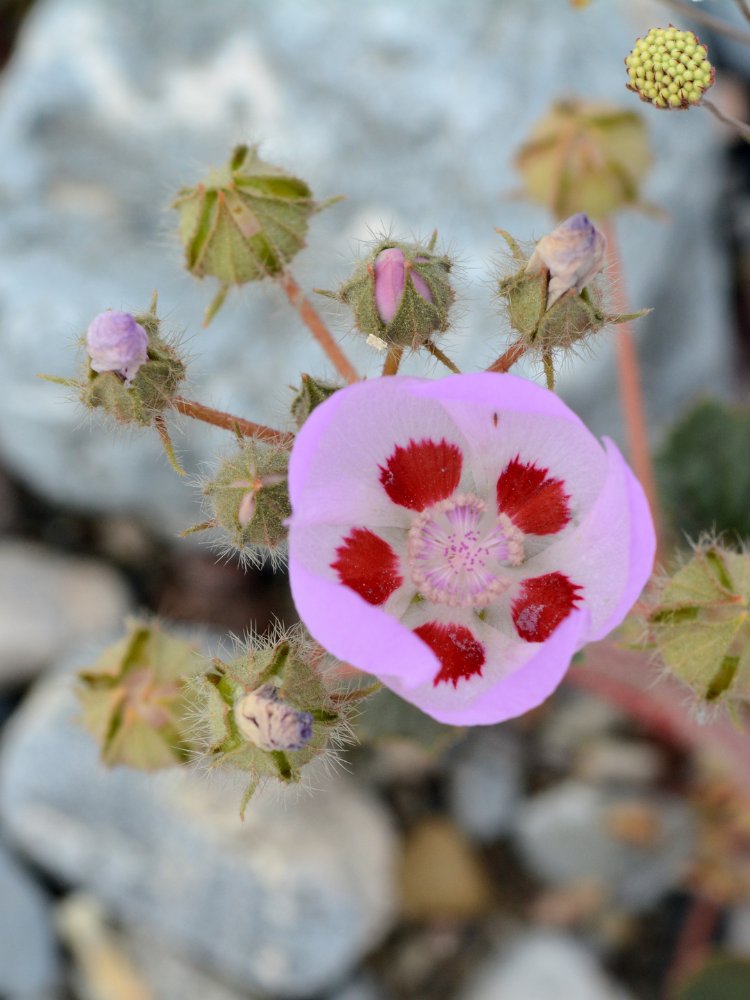
Desert five-spot is a stunning annual wildflower known for its pale pink to lavender cup-shaped flowers, each petal marked with a deep purple “spot” near the base—giving it its name. It’s a spring bloomer that appears after seasonal rains in desert washes and open plains.
It thrives in sandy, well-drained soils and full sun. Though short-lived, it adds unique color and visual interest to wildflower gardens or native desert displays.
Five-spot is a pollinator favorite and easy to grow from seed in the right conditions.
| Plant Varieties | Growing Zone | Blooming Period |
|---|---|---|
| Eremalche rotundifolia | 8–10 | March to May |
| Desert Five-Spot ‘Purple Halo’ | 8–10 | Spring |
| Eremalche ‘Pastel Blush’ | 8–10 | Late Spring |
26) Sacred Datura
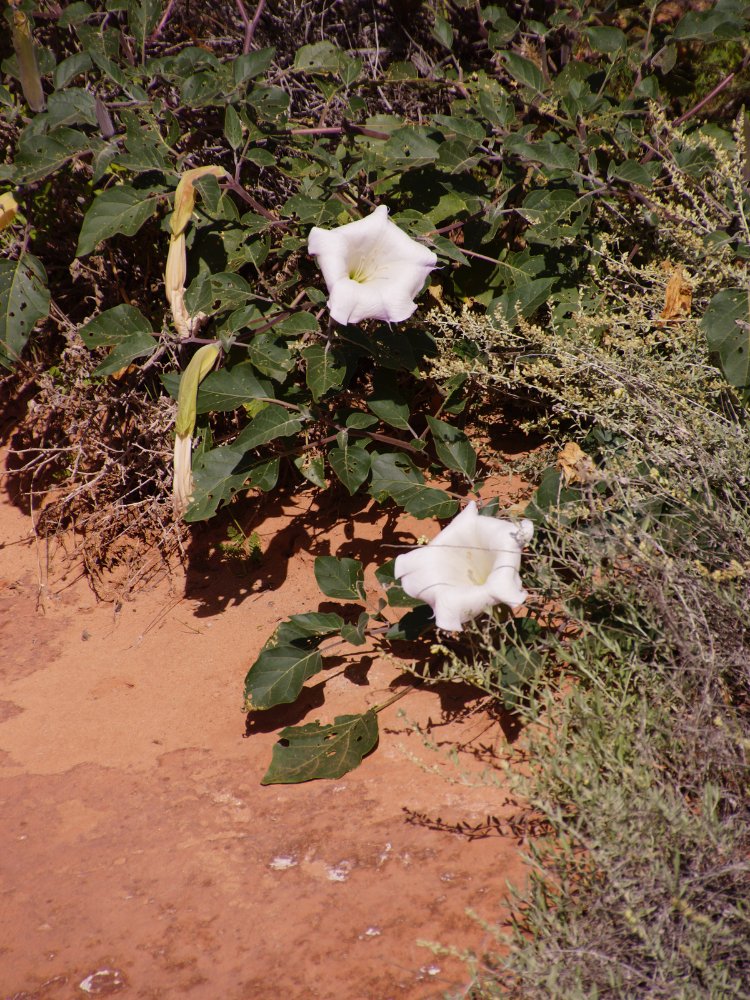
Sacred datura is a dramatic, fast-growing desert plant with huge, trumpet-shaped white or pale lavender flowers that open at night and emit a sweet fragrance. The flowers are short-lived but bloom in succession throughout the warm season.
It thrives in full sun, dry soils, and hot climates. While it is toxic if ingested, it makes a striking ornamental plant in xeriscapes and native gardens.
The large blooms attract moths and other nighttime pollinators and create a mysterious, moonlit effect.
| Plant Varieties | Growing Zone | Blooming Period |
|---|---|---|
| Datura wrightii | 8–11 | May to October |
| Sacred Datura ‘Evening Fragrance’ | 8–10 | Summer to Fall |
| Datura ‘White Angel’ | 8–11 | Late Spring to Fall |