24 Sloped Gardens That Turn Hills into Beautiful Spaces
Hey there, garden lovers! There’s just something magical about transforming a hillside into a stunning outdoor space, and I’m obsessed with seeing how creative folks get with sloped gardens.
From lush terraces to whimsical stairways, these gardens turn tricky hillsides into lush, inviting retreats that feel like secret escapes.
I’ve rounded up 24 inspiring sloped garden ideas that prove hillsides are just waiting to be turned into beautiful, functional living spaces.
Whether you’re dreaming of a cozy nook or a sprawling hillside paradise, these designs will spark your imagination and maybe even inspire your own outdoor makeover!
My Top 24 Sloped Gardens
I’ve pulled together an extensive collection of ideas for you to take a look at below. If you see one you love, make sure you save it to Pinterest:
1) Wildflower Border Along Pathway
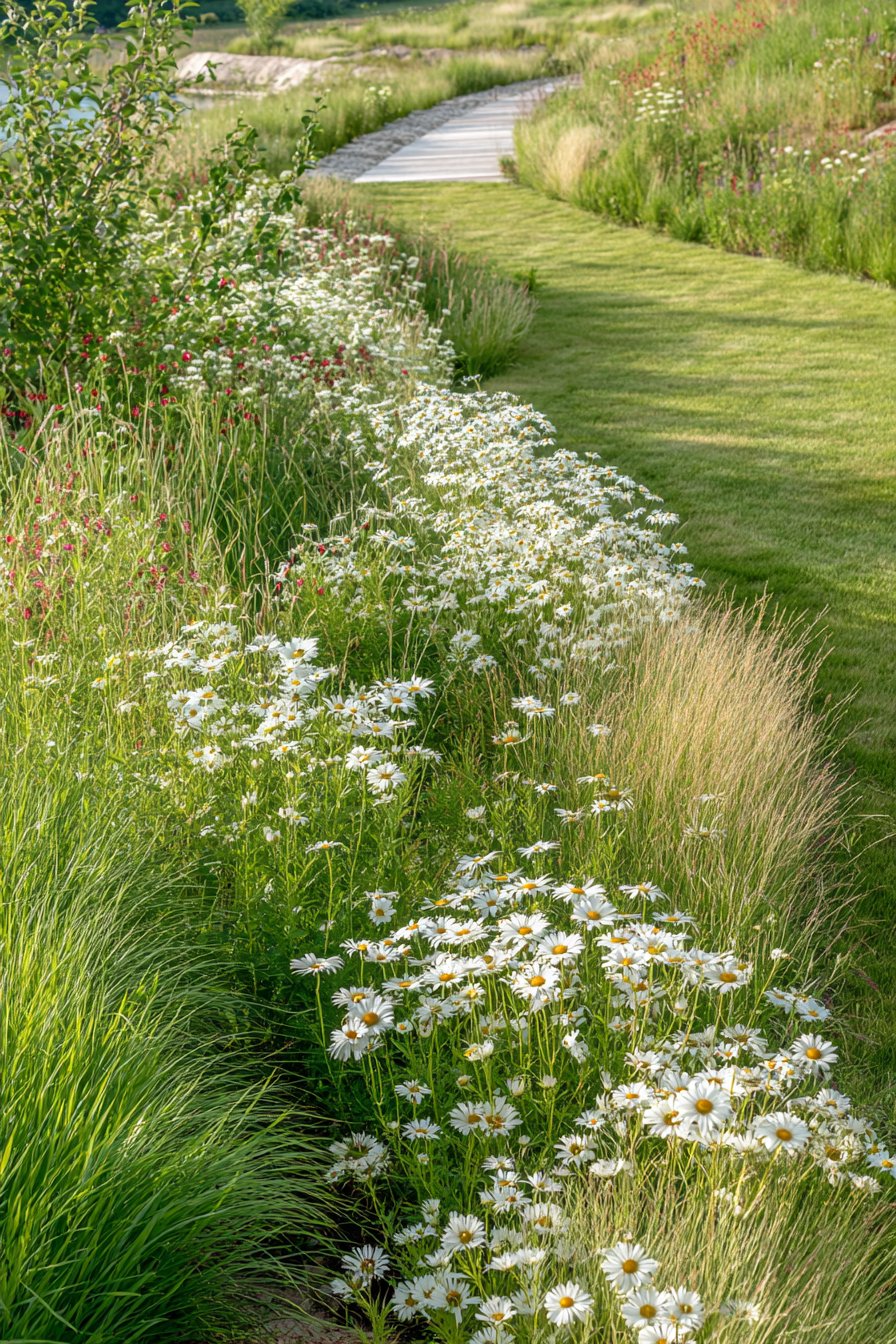
The sloped garden features a delightful blend of textures and colors, with swaths of white daisies contrasting beautifully against lush green grasses. To achieve a similar look, plant in layers, incorporating and ornamental grasses for year-round interest.
For this design, include Shasta daisies, feather reed grass, and red flowering currant to create a vibrant and inviting pathway.
2) Terraced Vegetable and Flower Garden
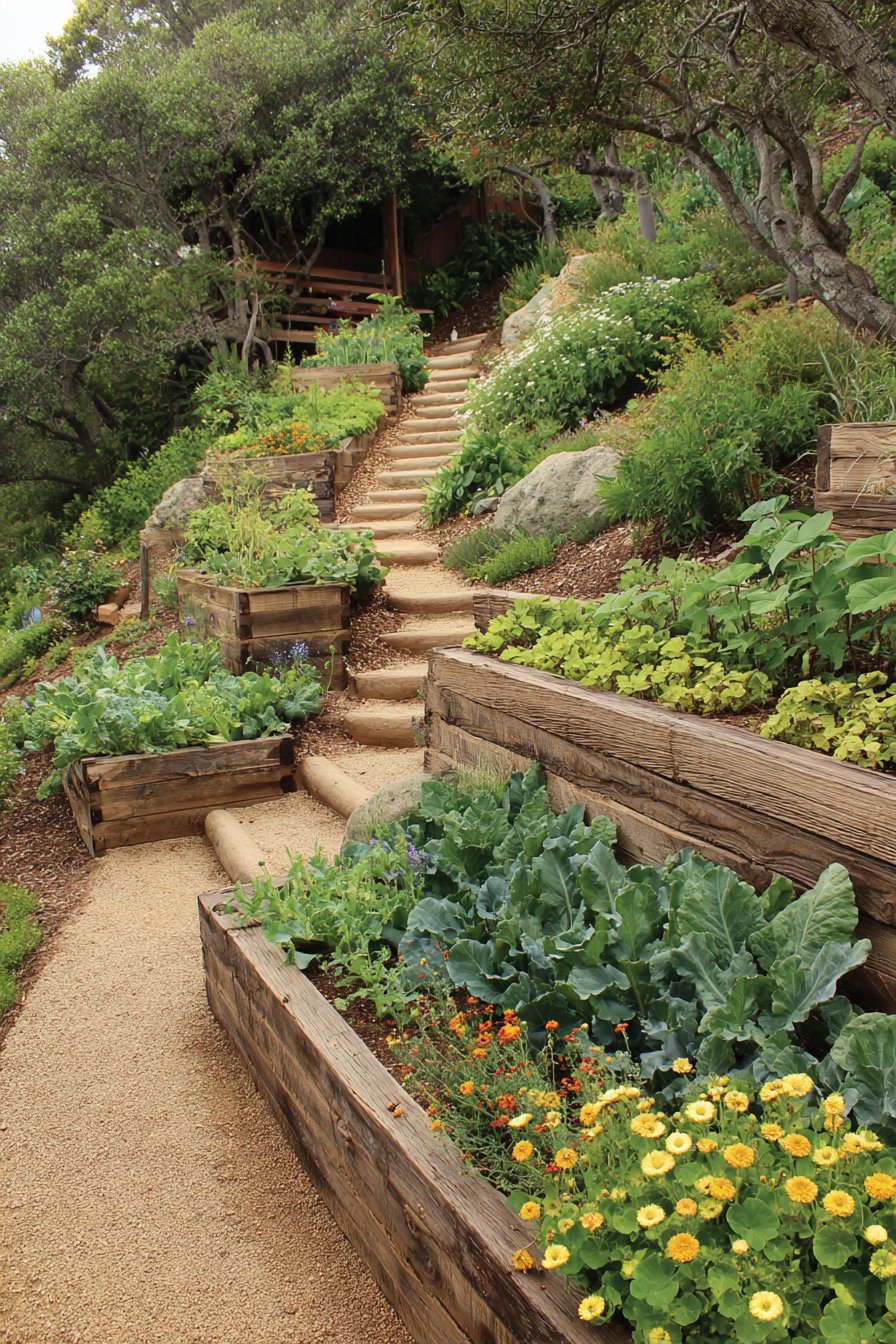
The sloped garden features rich textures and vibrant colors, harmonizing vegetables and flowers in rustic wooden beds that invite exploration. To achieve a similar look, consider incorporating varied heights and pathways for accessibility and aesthetic appeal.
For an authentic touch, include varieties like marigolds, nasturtiums, kale, and cucumbers to create a colorful and productive garden space.
3) Rustic Steps with Colorful Marigolds
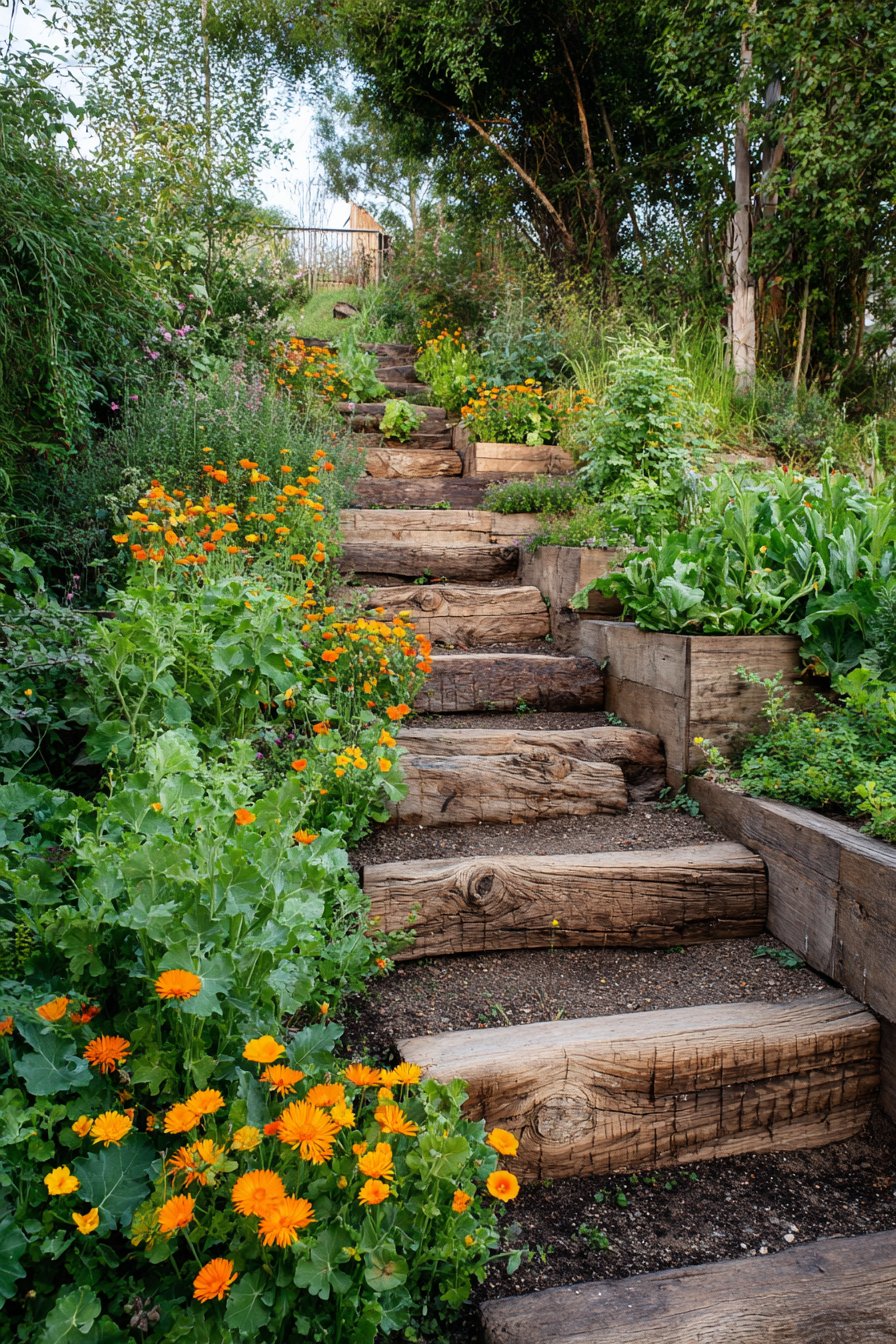
This sloped garden features rustic wooden steps surrounded by vibrant marigolds and lush greenery, creating a warm, inviting atmosphere. To achieve a similar look, incorporate natural materials and a variety of colorful plants for texture and depth.
For a successful garden, include Calendula (marigolds), Nasturtiums, and a mix of leafy greens like Swiss chard or kale. Adding herbs like thyme or oregano can enhance both aesthetics and functionality.
4) Tiered Sloped Garden with Hydrangeas
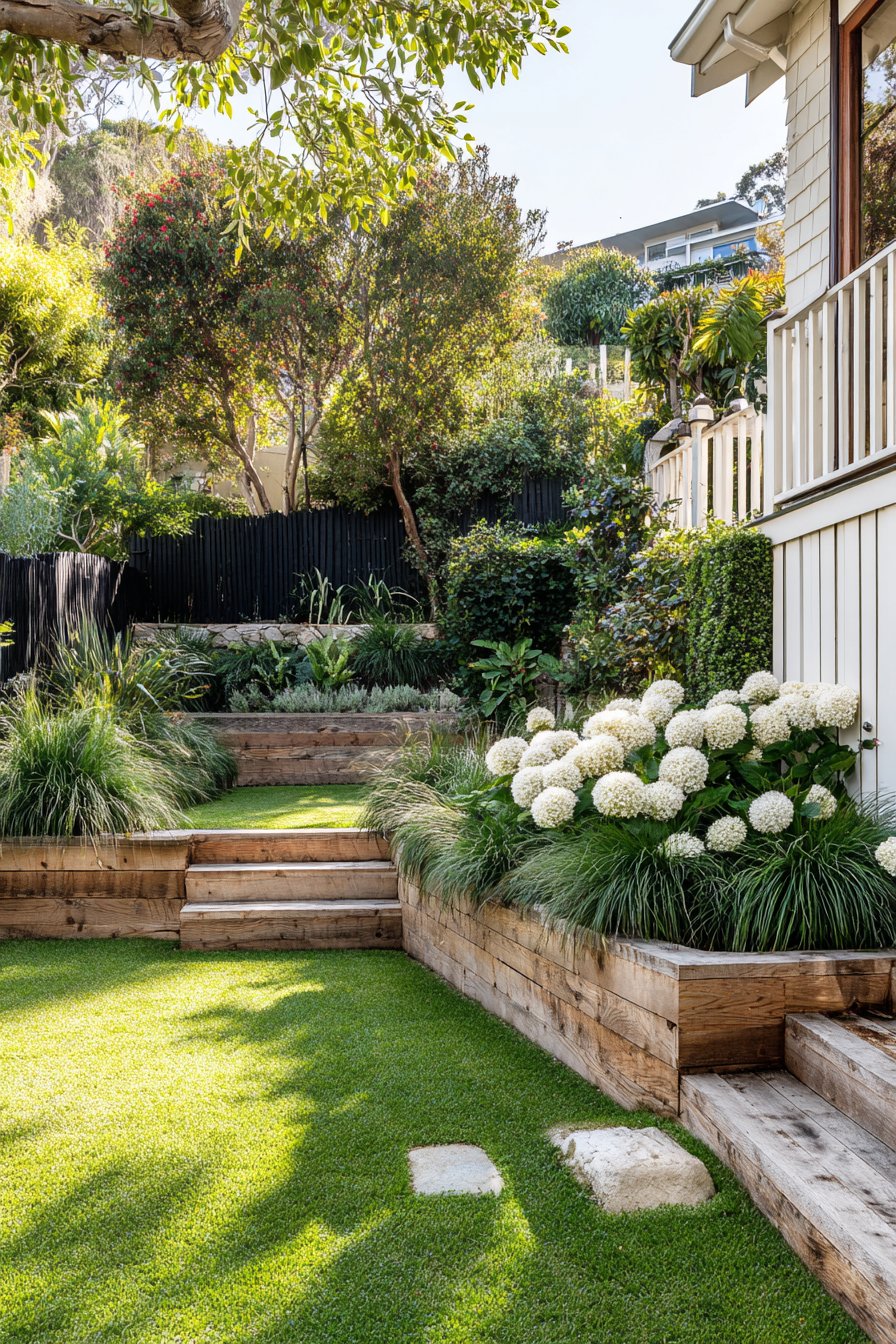
The tiered slopes create an inviting, layered effect, enhanced by lush hydrangeas and ornamental grasses that add texture and movement throughout the garden. To replicate this look, incorporate rustic wooden planters and maintain a harmonious color palette with vibrant greens and soft whites for a tranquil atmosphere.
For a similar aesthetic, use Hydrangea macrophylla for the striking blooms and ornamental grasses like Miscanthus sinensis for added texture and height. Consider adding low-growing ground covers such as creeping thyme to fill in gaps and enhance the visual appeal.
5) Colorful Raised Bed Sloped Garden
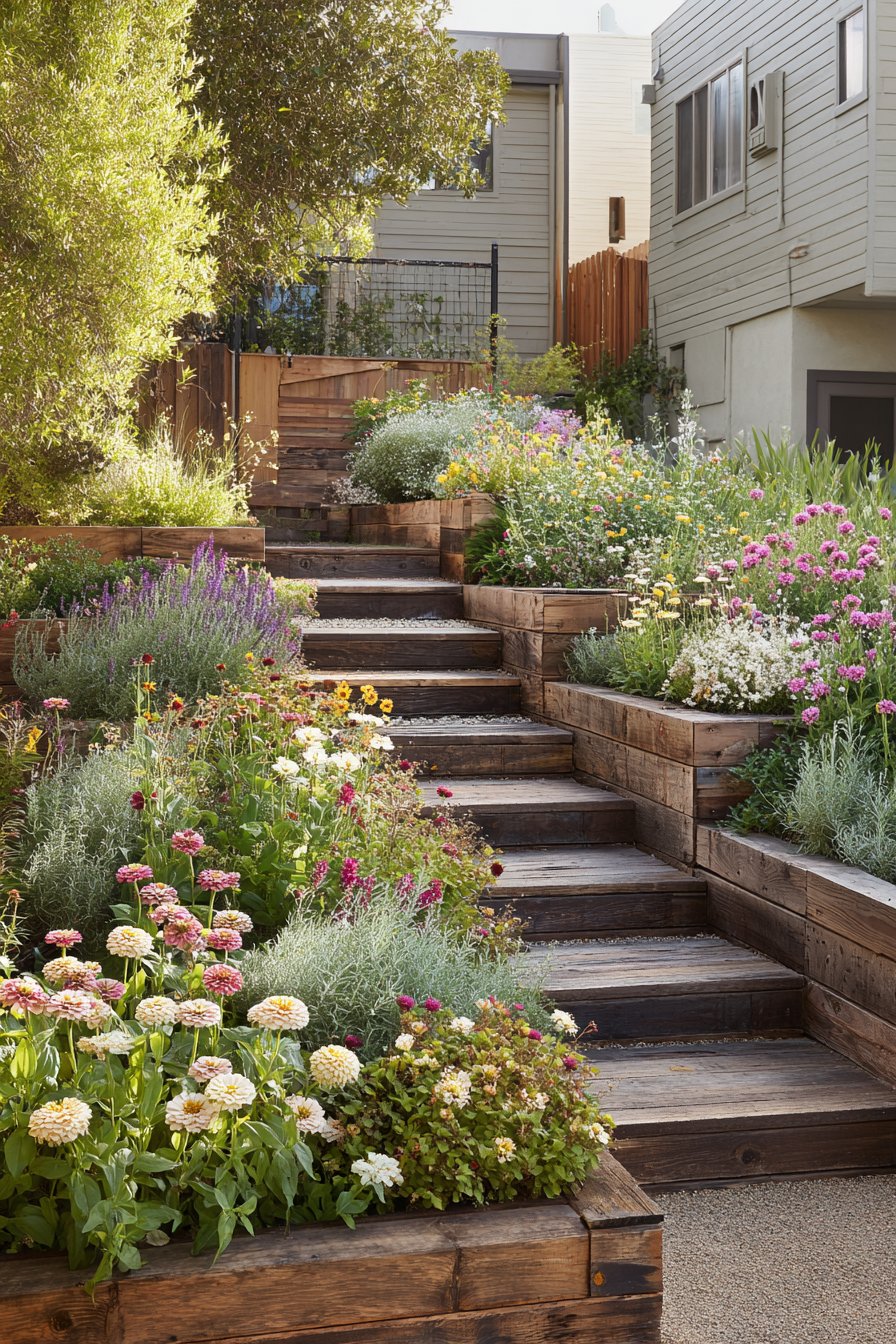
The vibrant layers of colorful blooms cascading down the sloped garden create a lively and inviting atmosphere, enhanced by rustic wooden raised beds. Incorporate a mix of textures and heights with plants like lavender, zinnias, and creeping thyme for a stunning visual appeal.
To recreate this look, include varieties such as ‘Zinnia elegans,’ ‘Lavandula angustifolia,’ and ‘Thymus serpyllum’ for a burst of color and fragrance.
6) Rustic Tiered Garden with Daisies
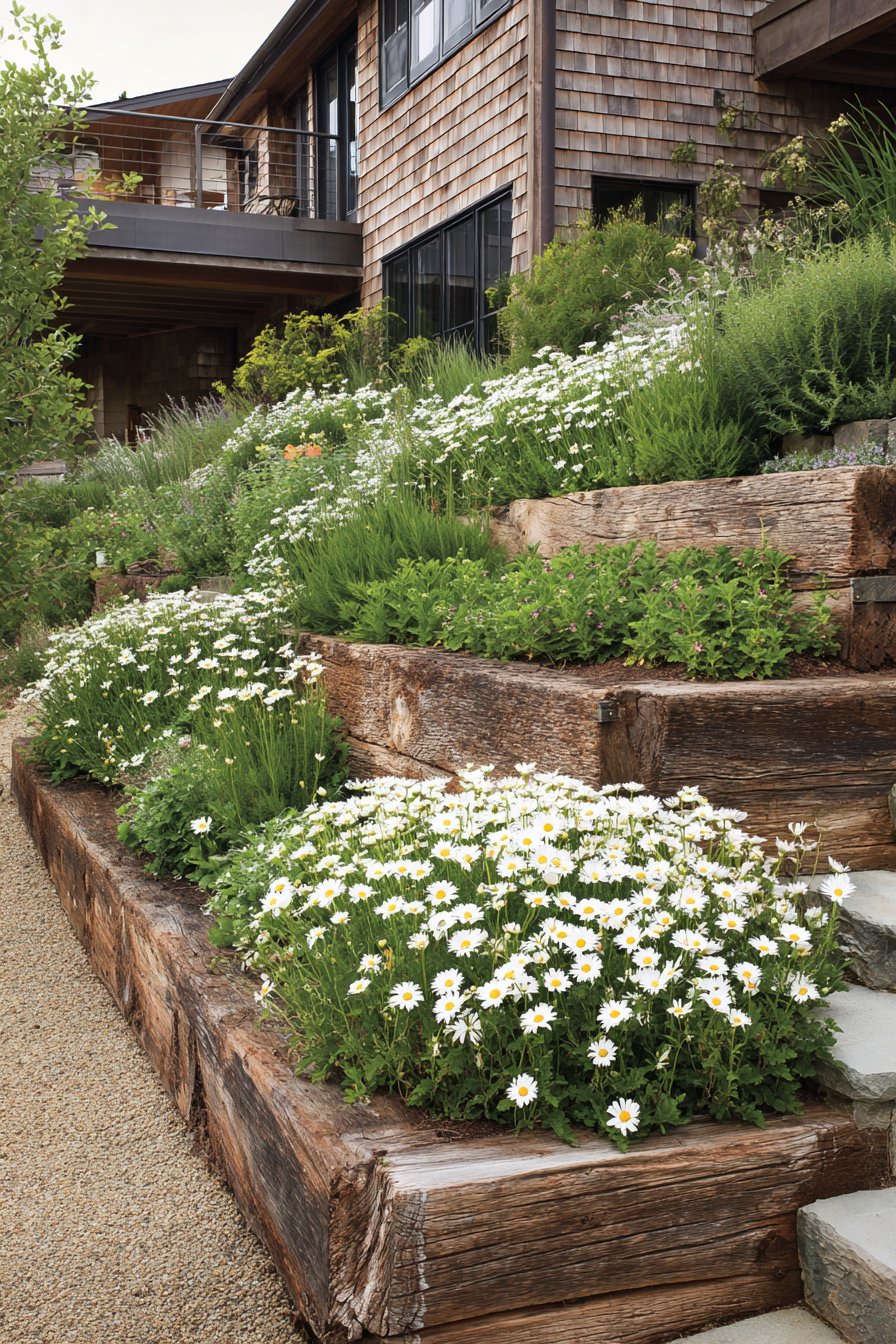
This sloped garden beautifully combines rustic timber tiers with vibrant white daisies, creating a charming and inviting atmosphere. To achieve this look, incorporate natural stone pathways and a mix of lush greenery for texture and depth.
For the ideal plant selection, include Shasta daisies, lavender, and creeping thyme to enhance the garden’s appeal and fragrance.
7) Curved Pathway with Wildflowers
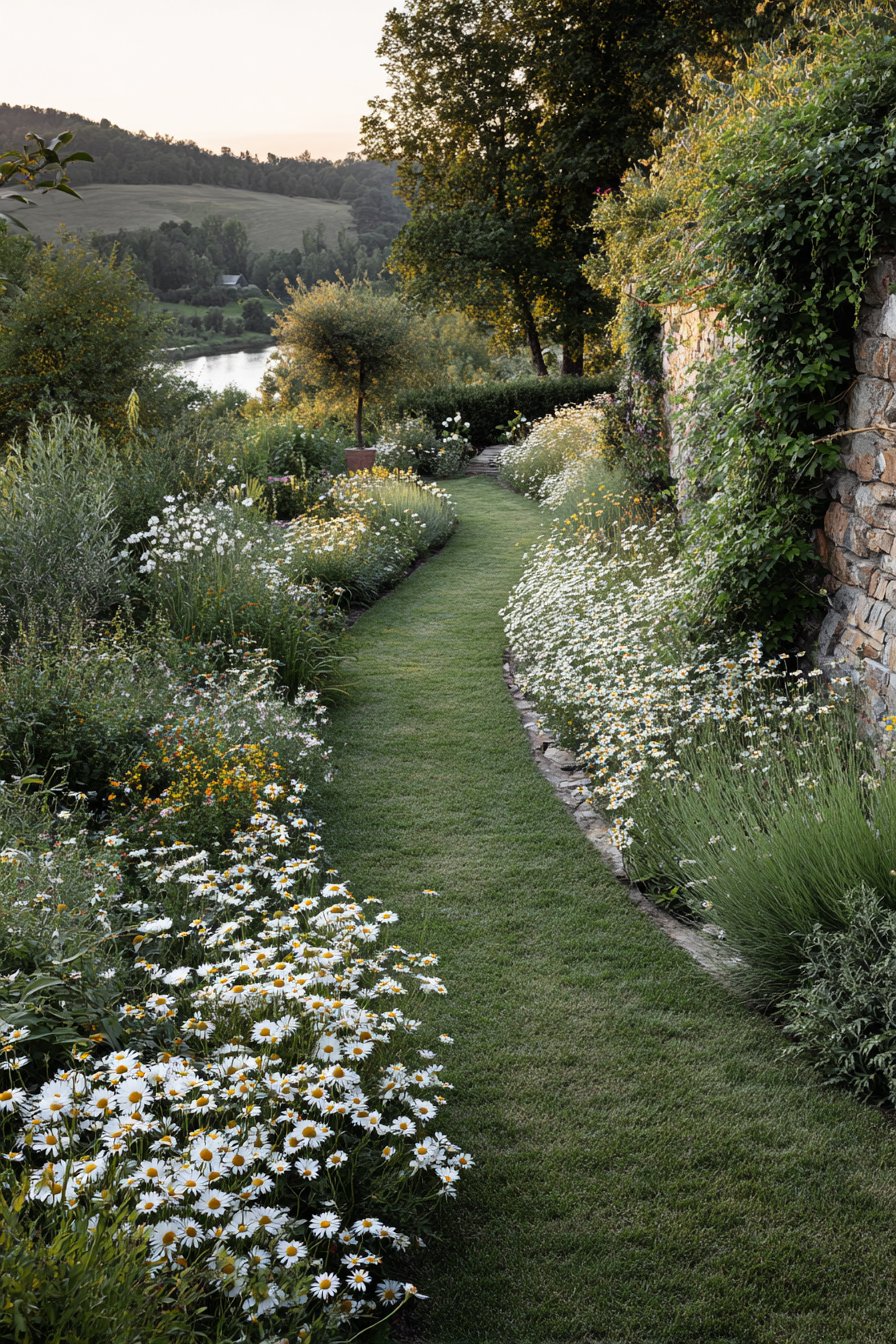
The gentle curves of the pathway, flanked by vibrant wildflowers, create a serene and inviting atmosphere perfect for leisurely strolls. Incorporate a mix of soft greens and pops of color to promote a natural, effortless charm in your garden design.
To recreate this look, plant Shasta daisies, lavender, and coreopsis for their delightful colors and textures that thrive in sunny spots. Consider adding ornamental grasses for height and movement, enhancing the overall visual appeal.
8) Colorful Perennial Sloped Flower Bed
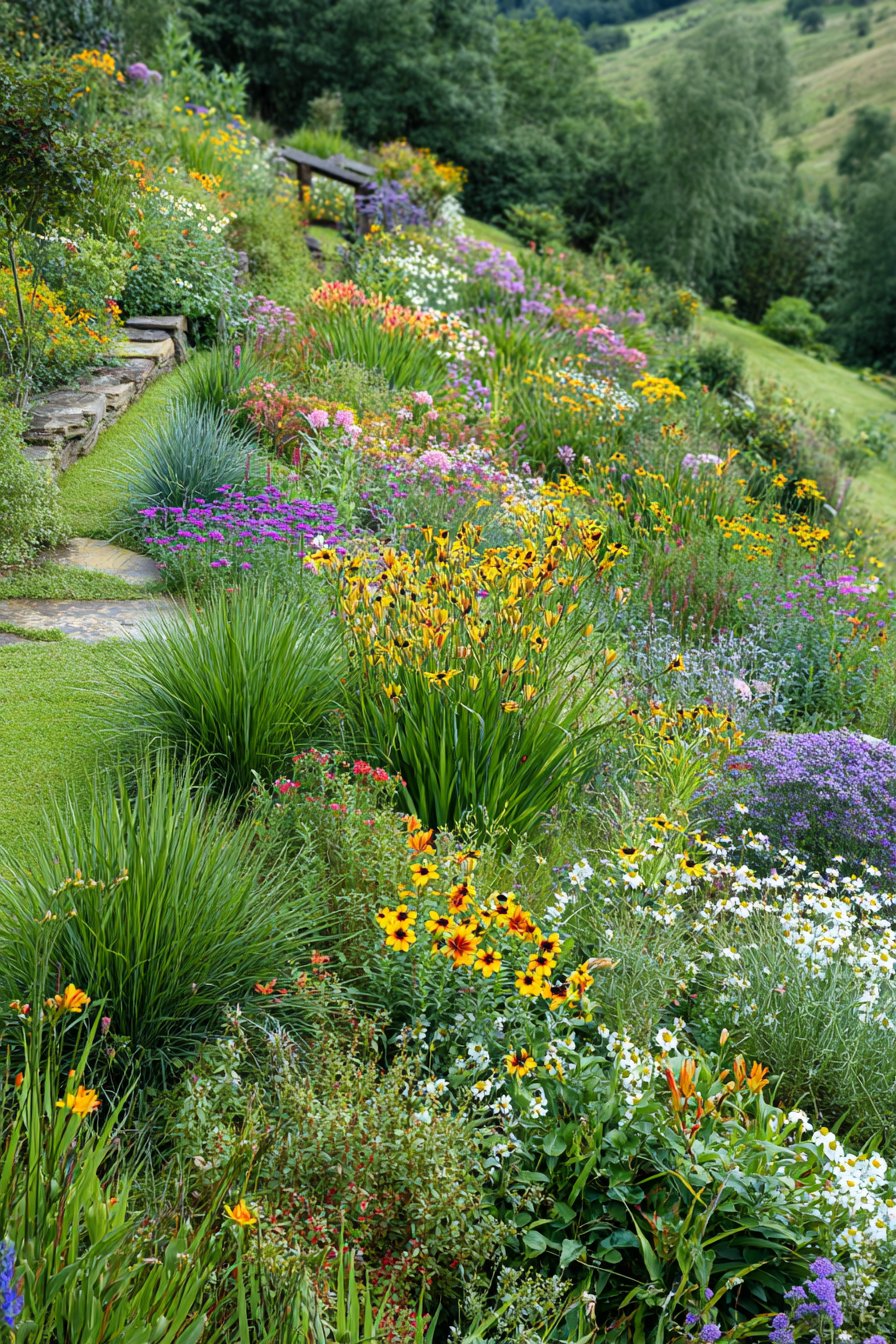
A vibrant tapestry of colors and textures cascades down the slope, offering a lively display of perennials that harmonize beautifully with the natural landscape. To achieve this look, incorporate a mix of taller plants at the back and shorter varieties in the front, ensuring continuous blooms throughout the seasons.
For a similar effect, consider planting Black-eyed Susans, Salvia, Lavender, and Daylilies, alongside ground cover like Creeping Thyme.
9) Terraced Sloped Garden with Pathway
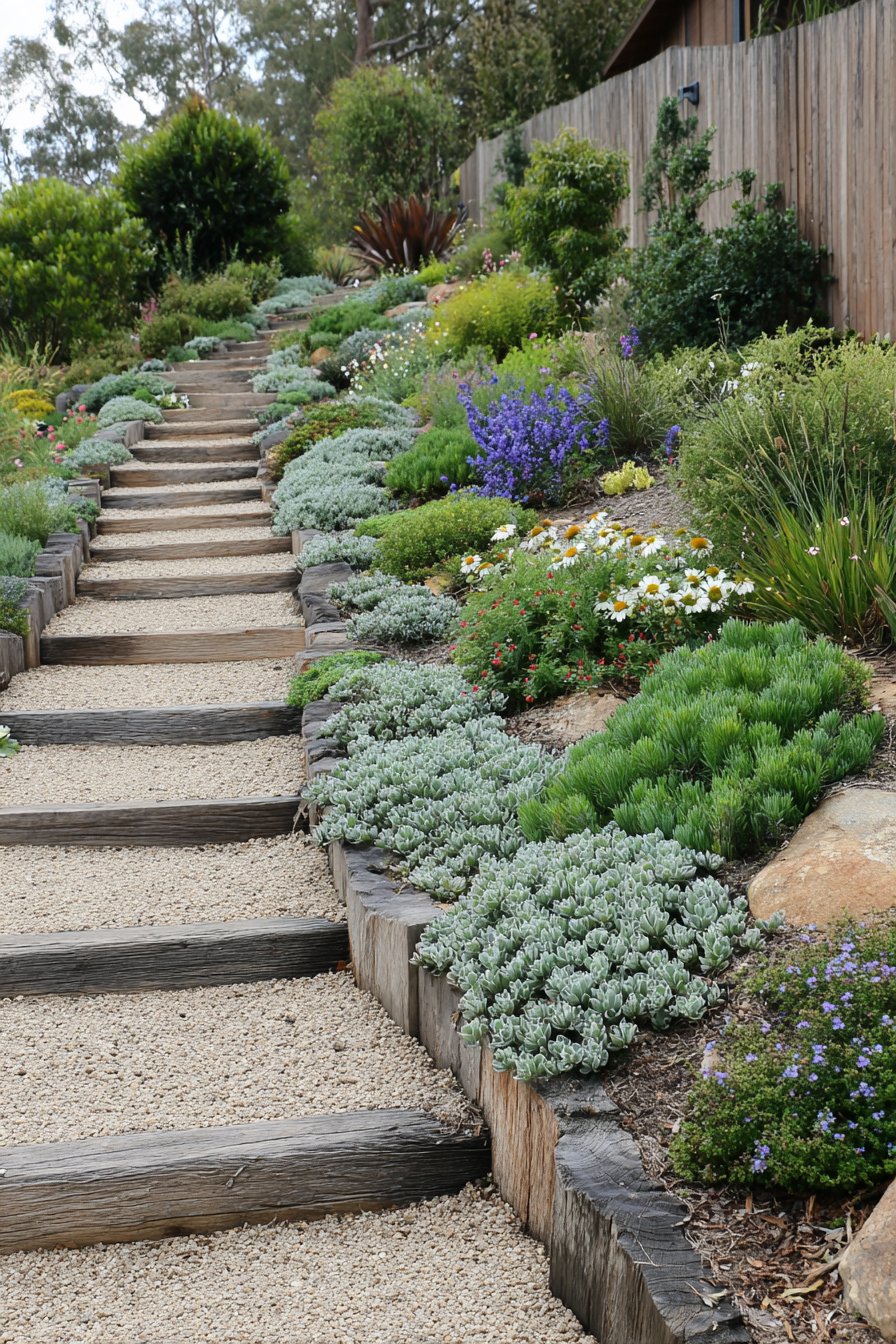
This terraced sloped garden beautifully combines earthy tones with vibrant splashes of color, creating a harmonious and inviting atmosphere. To achieve a similar look, incorporate layered plantings, textured ground covers, and natural materials like timber for pathways.
For an authentic feel, include varieties such as Sedum, Dianthus, and Lobelia alongside hardy succulents and colorful daisies to enhance visual interest.
10) Curved Pathway with Colorful Perennials
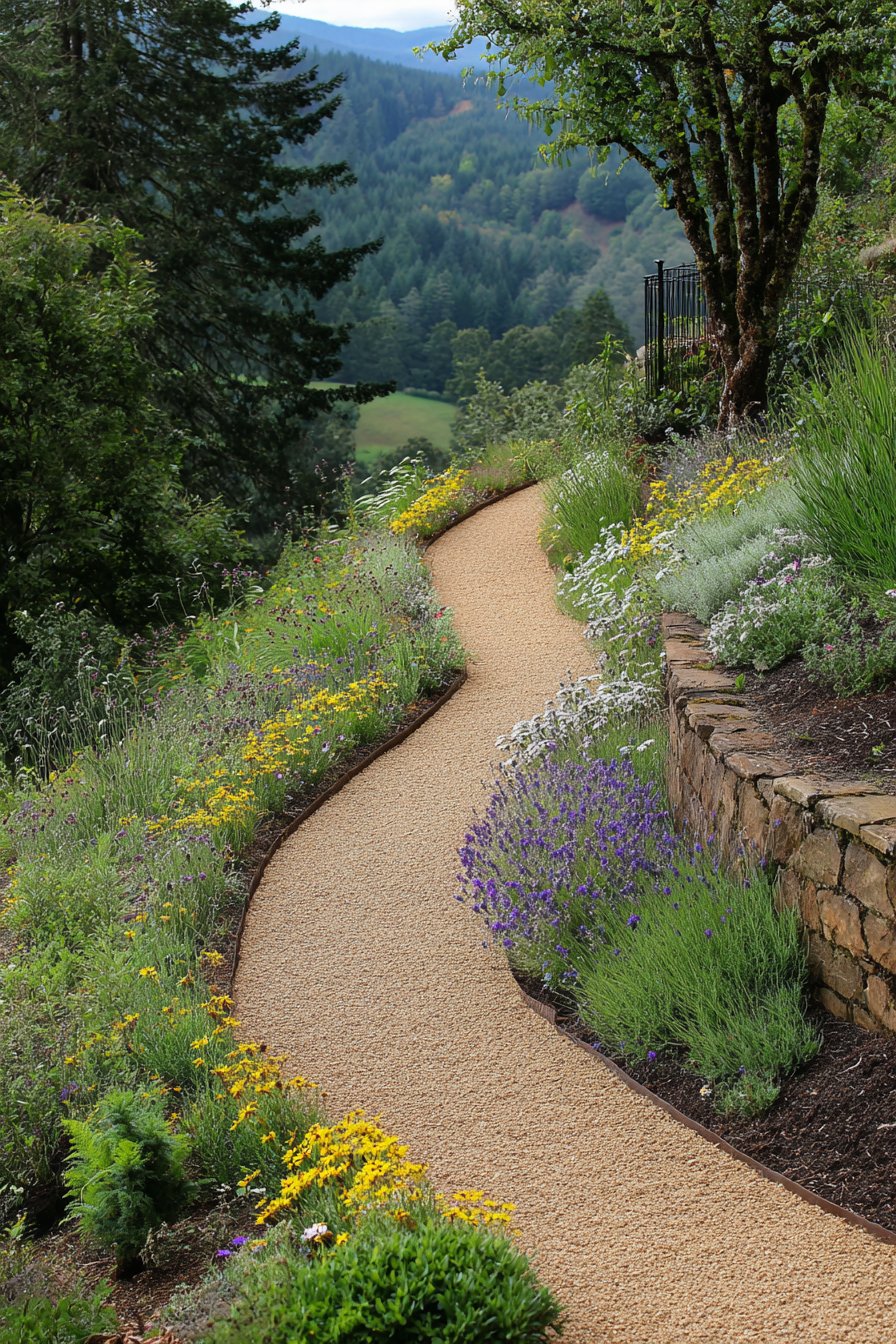
A winding pathway lined with vibrant perennials creates an inviting and serene atmosphere, blending harmoniously with the lush greenery surrounding it. To achieve this look, consider using for texture and color, ensuring a natural and low-maintenance garden.
Include varieties such as lavender, black-eyed Susans, and creeping thyme to recreate the colorful and fragrant borders that enhance the pathway’s charm.
Popular Reads
11) Lush Sloped Garden with Pathway
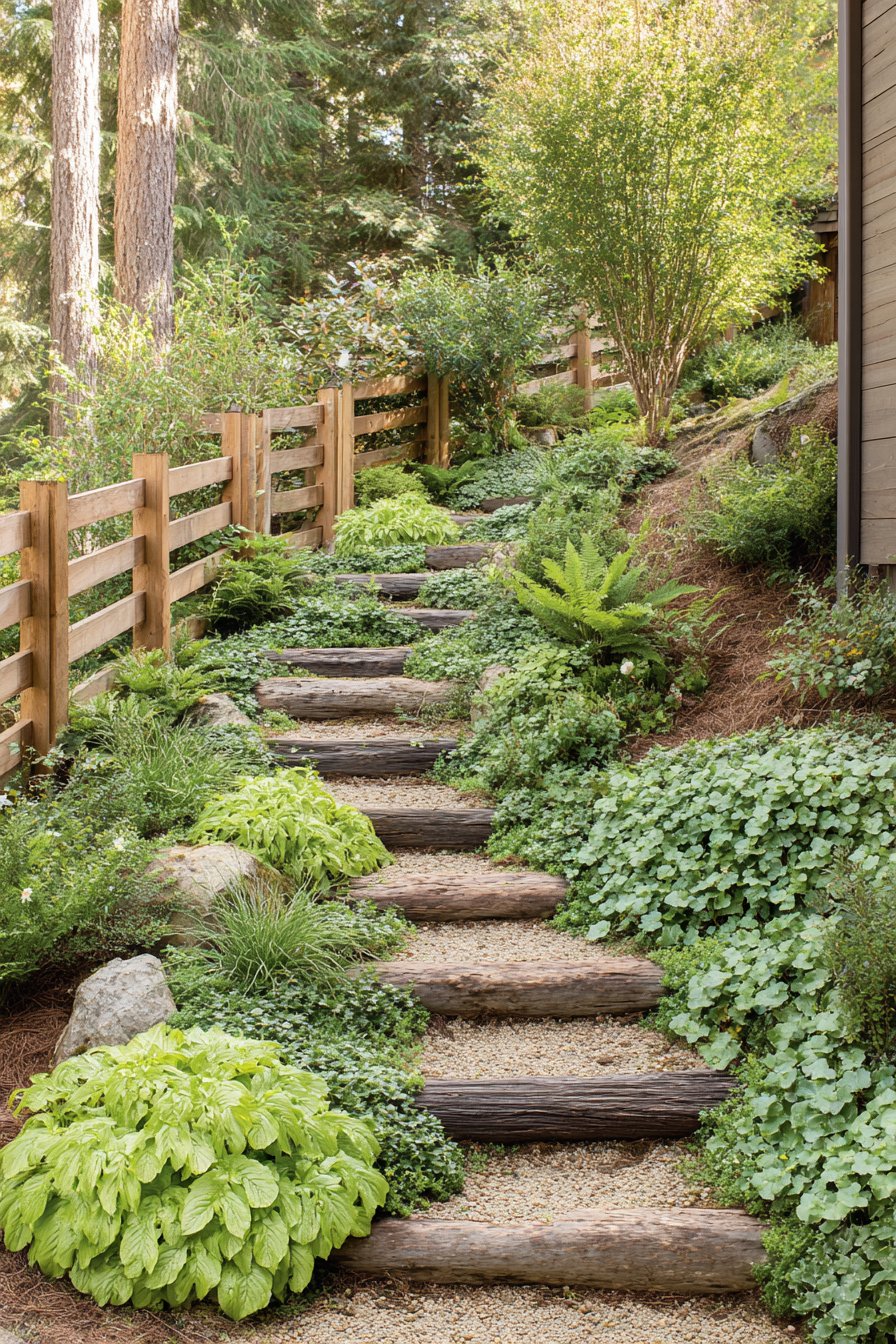
The sloped garden features a harmonious blend of lush greens and earthy textures, creating a serene pathway that invites exploration and tranquility. To achieve a similar aesthetic, incorporate layered plantings with varying heights and a mix of foliage colors for depth and interest.
Include varieties such as hostas, ferns, and creeping thyme for ground cover, alongside ornamental grasses and flowering shrubs for added visual appeal.
12) Rock Garden with Succulent Planting
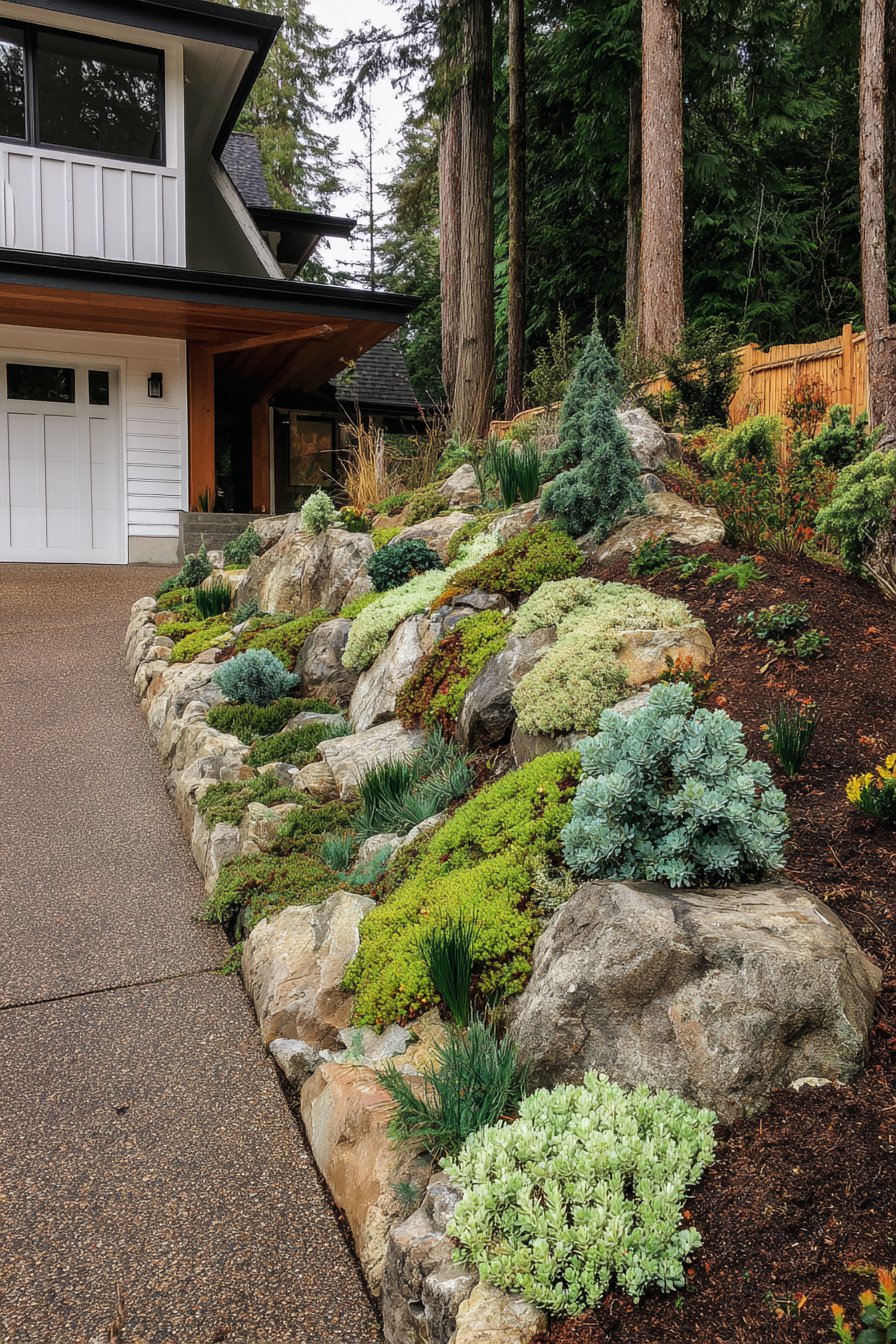
The sloped garden features a harmonious blend of textures and soft greens, creating a serene and inviting atmosphere. Incorporate natural stone, diverse succulents, and low-maintenance ground cover for a stunning, eco-friendly landscape.
To recreate this look, include varieties such as Sedum, Sempervivum, and various ornamental grasses like Festuca glauca for added texture and color.
13) Stone Steps with Lavender Borders
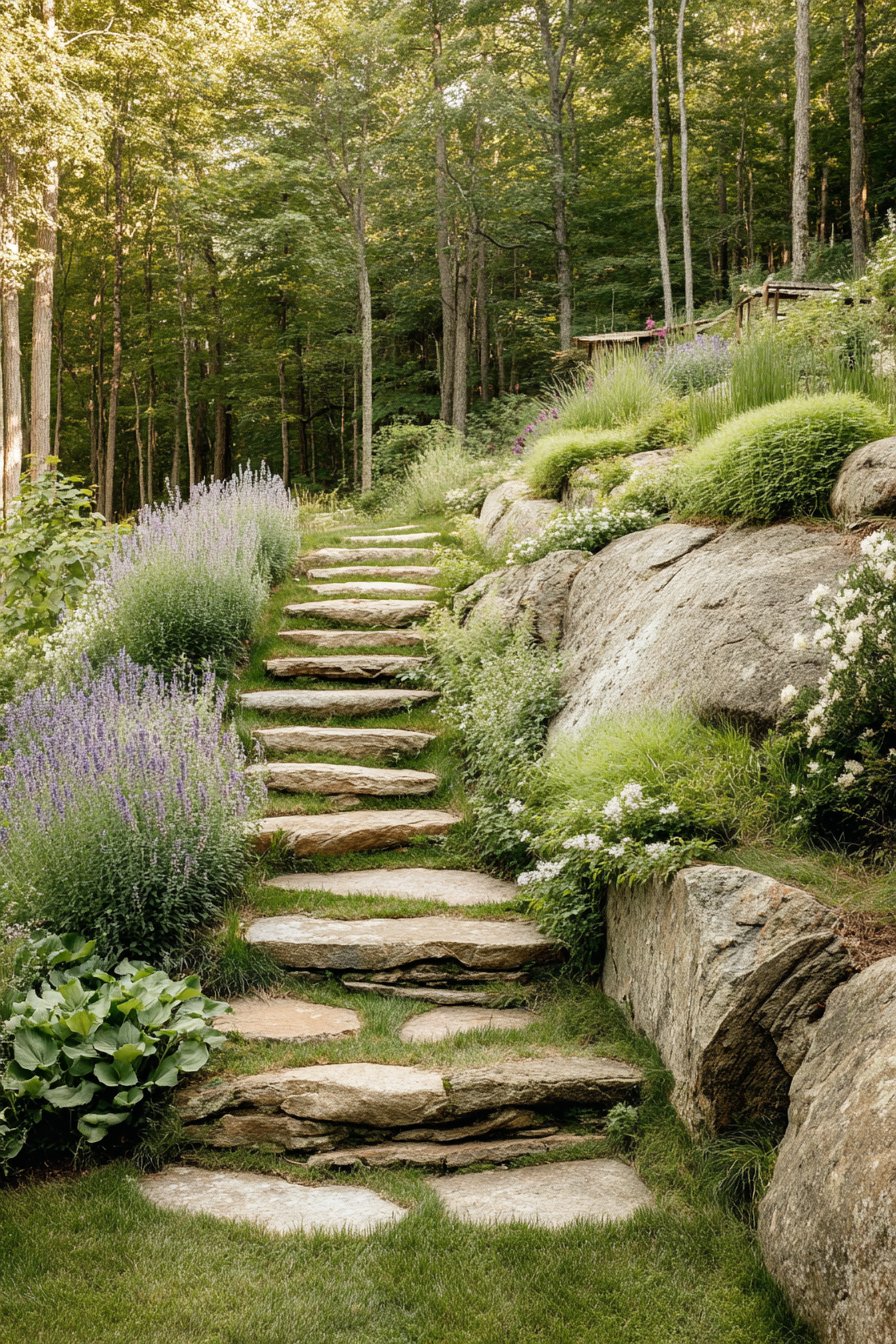
The sloped garden features beautifully arranged stone steps bordered by fragrant lavender, creating a serene, inviting atmosphere with soft purples and lush greens. To achieve this look, incorporate varying heights of plants and ensure pathways are lined with low-maintenance, aromatic flowers for visual and sensory appeal.
For a similar effect, use English Lavender (Lavandula angustifolia) and Creeping Thyme (Thymus serpyllum) to create vibrant borders around your pathways. Adding some ornamental grasses like Blue Fescue (Festuca glauca) will enhance the texture and movement in your garden.
14) Tiered Stone and Grass Garden
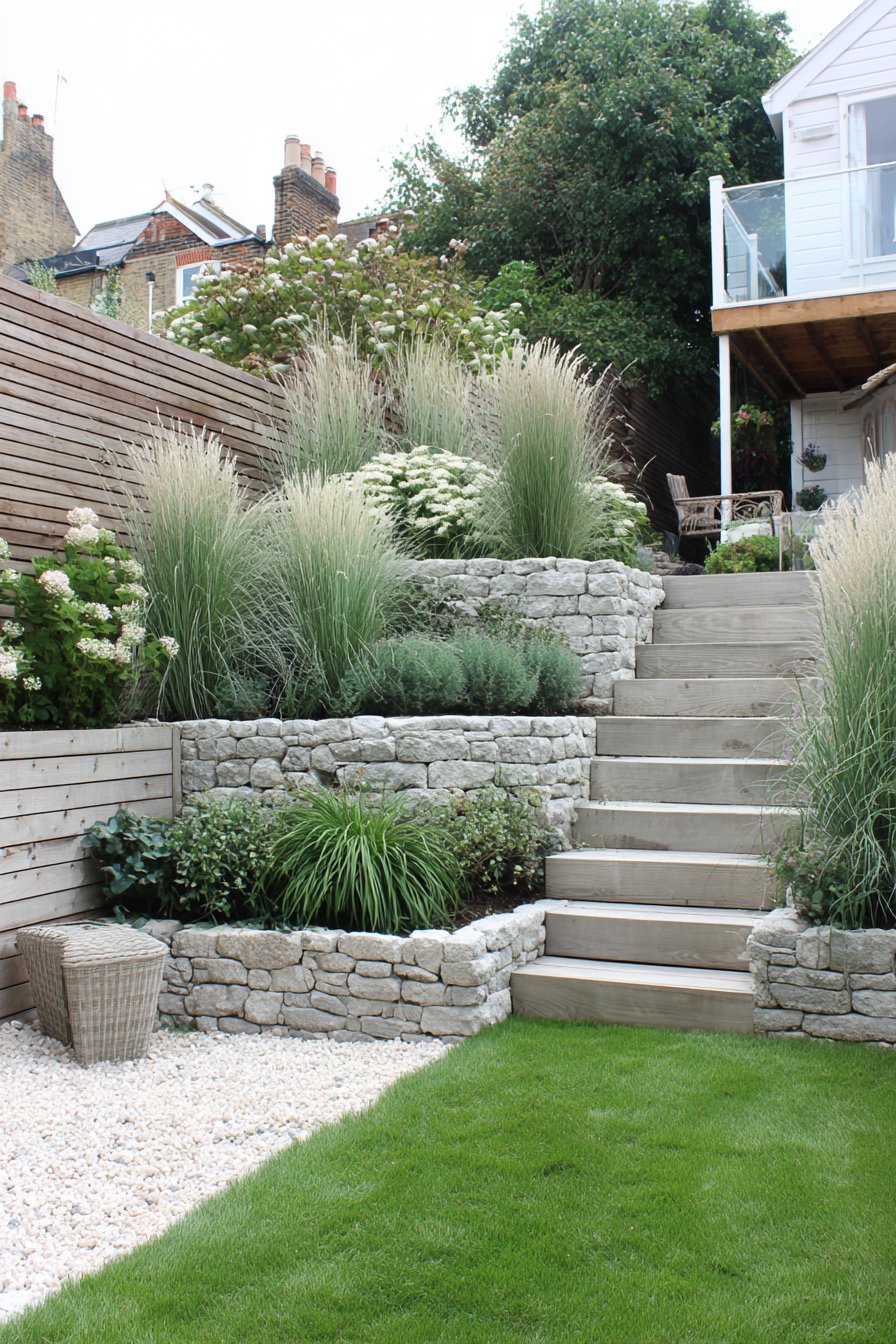
The tiered design seamlessly blends natural stone and lush greenery, creating a harmonious balance of textures and colors that invite exploration. Incorporate ornamental grasses, vibrant hydrangeas, and aromatic herbs for a layered effect that enhances visual interest and biodiversity.
To recreate this look, consider planting Miscanthus sinensis (maiden grass), Hydrangea paniculata (panicled hydrangea), and Lavandula angustifolia (English lavender) for stunning seasonal appeal.
15) Colorful Flowering Sloped Staircase Garden
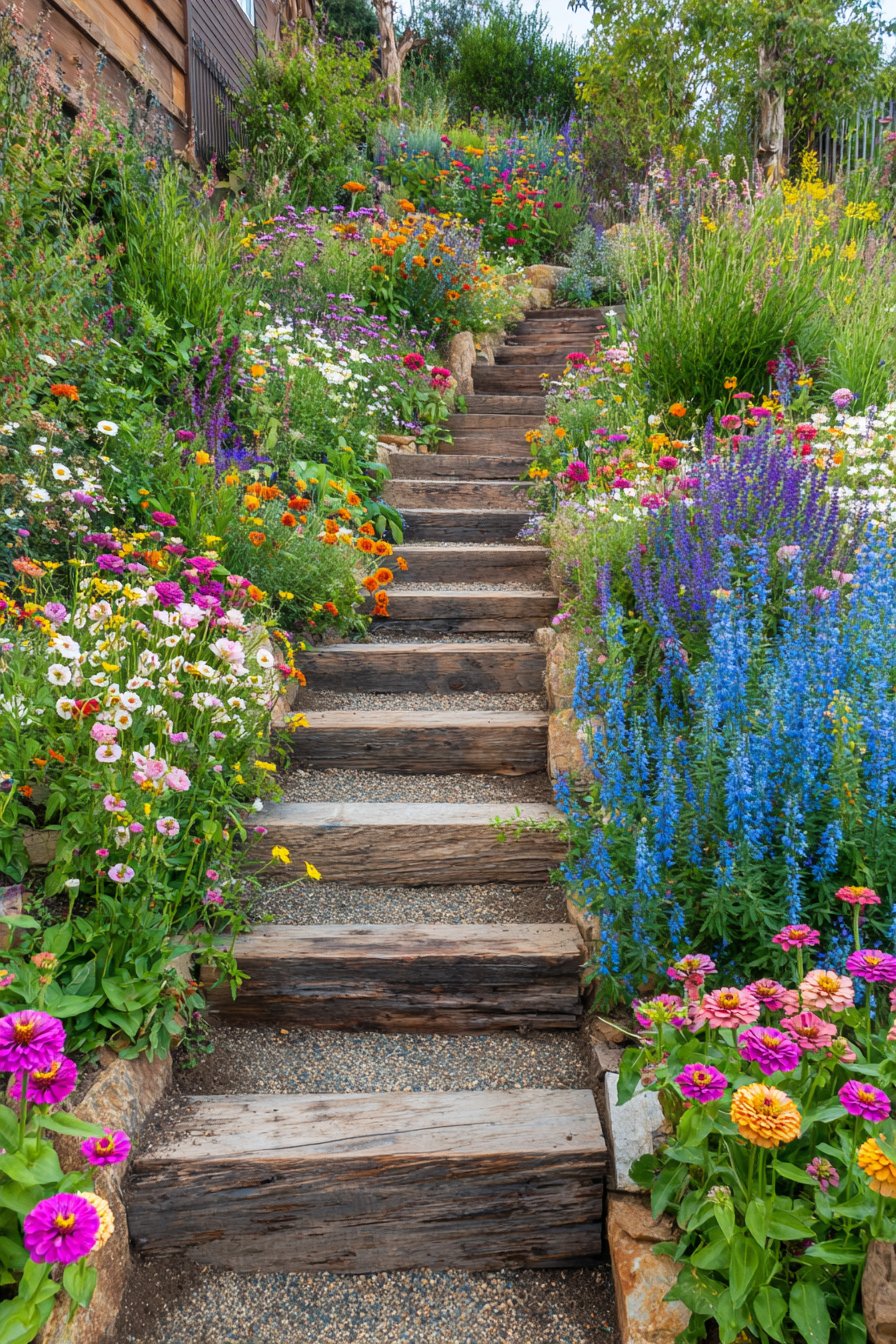
This vibrant sloped garden features a lush tapestry of colorful blooms, creating a stunning visual journey up the staircase with a mix of textures and heights. To replicate this look, incorporate a variety of flowering plants that bloom at different times to ensure year-round color and interest.
For a similar effect, include Zinnias, Lavender, Calendula, and Delphiniums to create a dynamic and lively atmosphere in your own garden.
16) Curved Pathway with Colorful Blooms
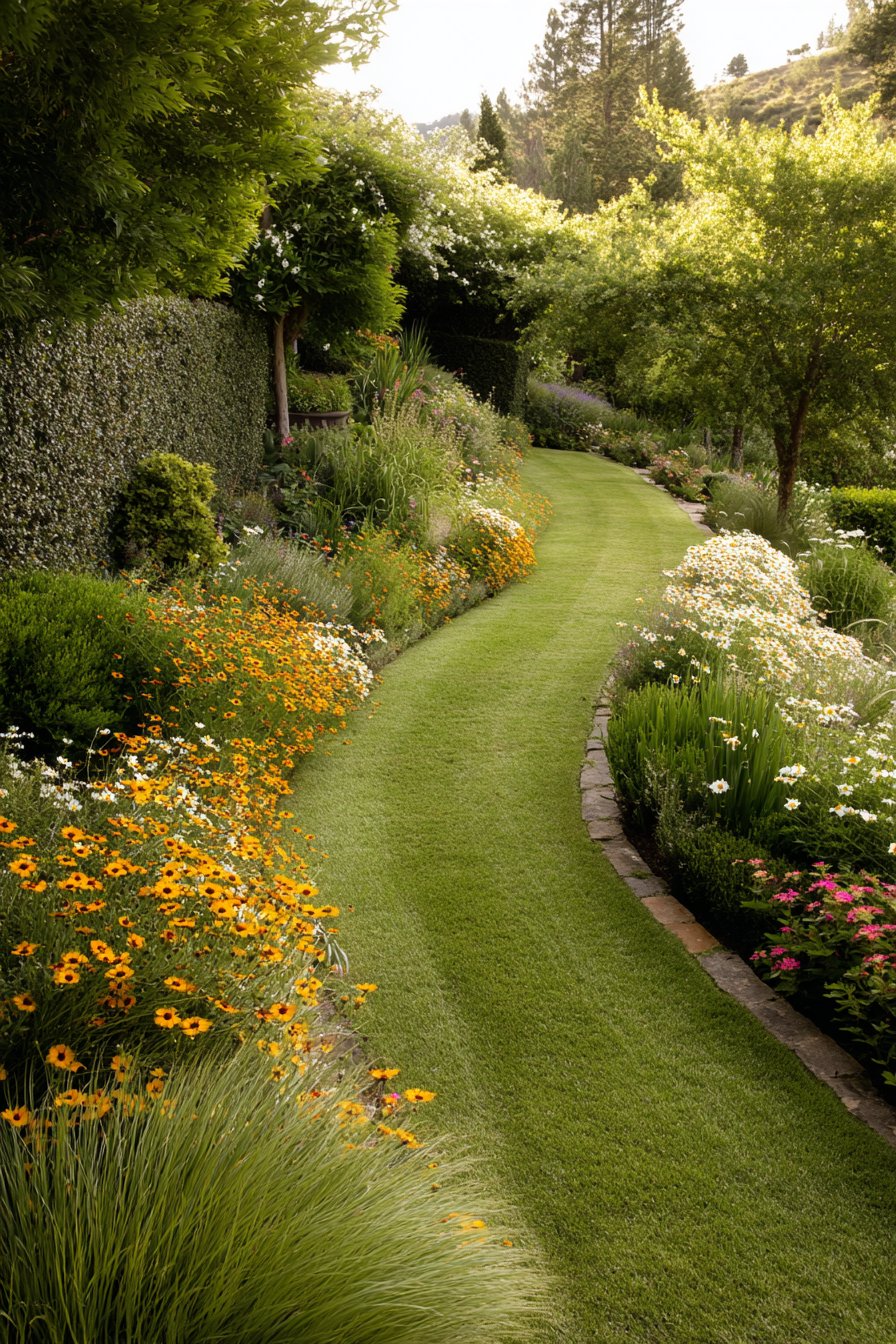
The gentle curve of the pathway invites exploration, while vibrant blooms in orange, yellow, and white create a cheerful and harmonious atmosphere. To recreate this look, use a mix of perennials for continuous color and texture, layering taller plants behind shorter ones for depth.
Consider incorporating Black-eyed Susans, Shasta daisies, and ornamental grasses like Blue Fescue to achieve a similar vibrant and lush garden aesthetic.
17) Multi-Tiered Floral Sloped Garden
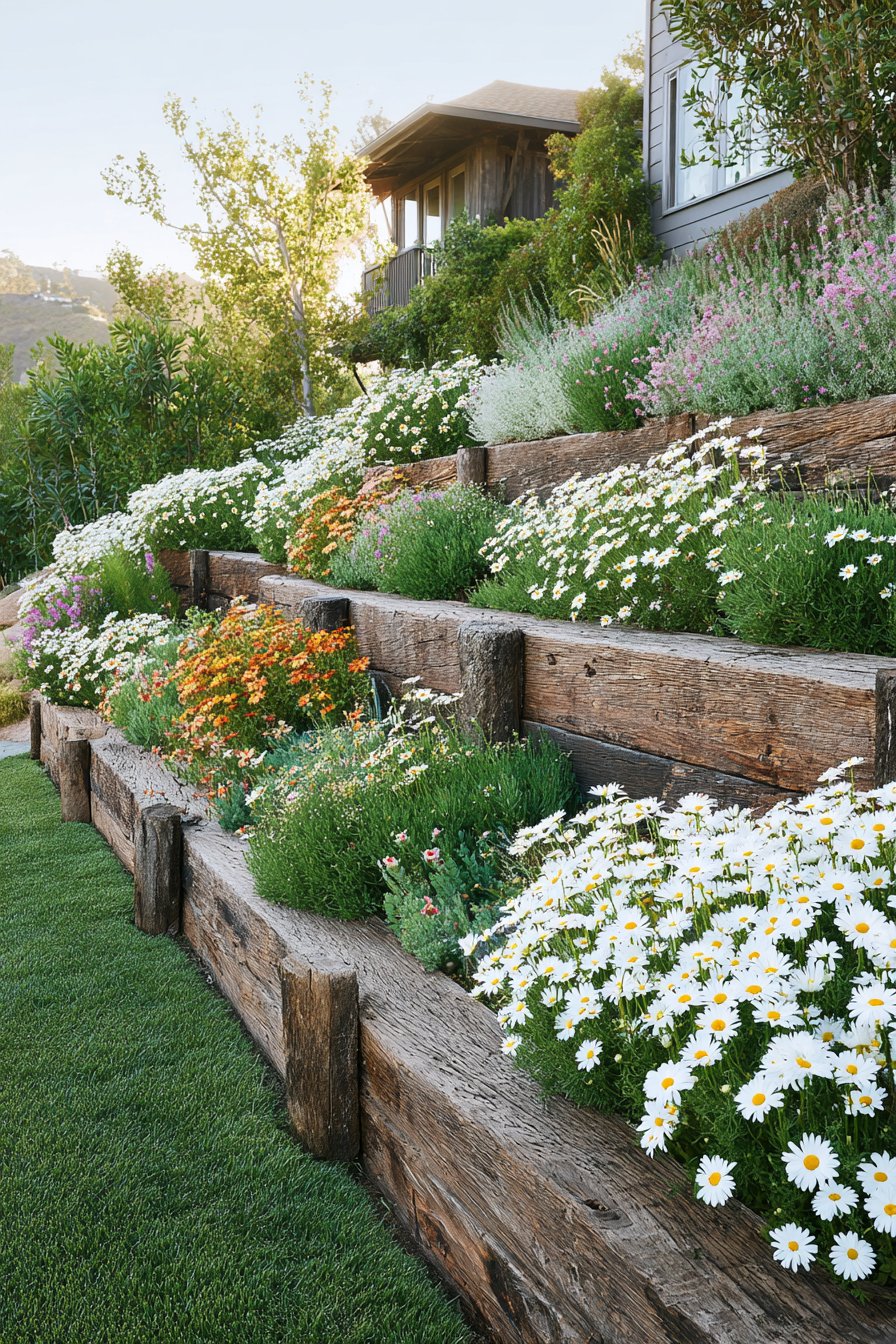
This multi-tiered floral garden captivates with its vibrant colors and varied textures, creating a lush, inviting landscape that beckons exploration. To achieve a similar aesthetic, incorporate natural wood elements for structure and mix perennials for continuous blooms throughout the seasons.
For a stunning effect, use white daisies, vibrant calendulas, and soft lavender to create a harmonious blend of color and fragrance in your garden.
18) Curved Pathway with Flower Borders
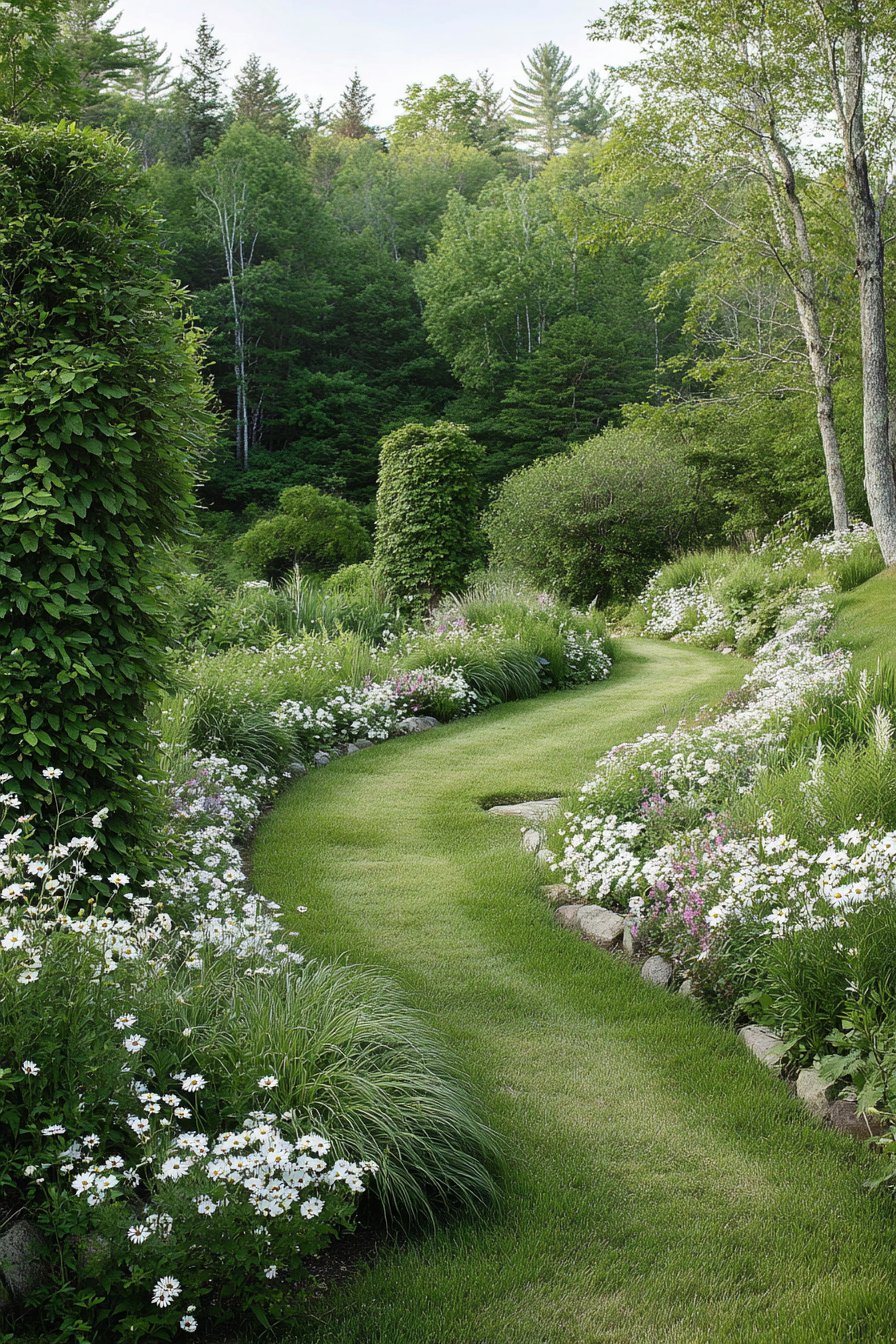
The gentle curves of the pathway invite exploration, while lush flower borders in soft whites and pastel hues create a serene, inviting atmosphere. Incorporate ornamental grasses and varied perennials to enhance texture and visual interest, ensuring year-round appeal.
To recreate this look, include Shasta daisies, catmint, and ornamental grasses like blue fescue for a vibrant and cohesive design.
19) Lush Sloped Garden with Lavenders
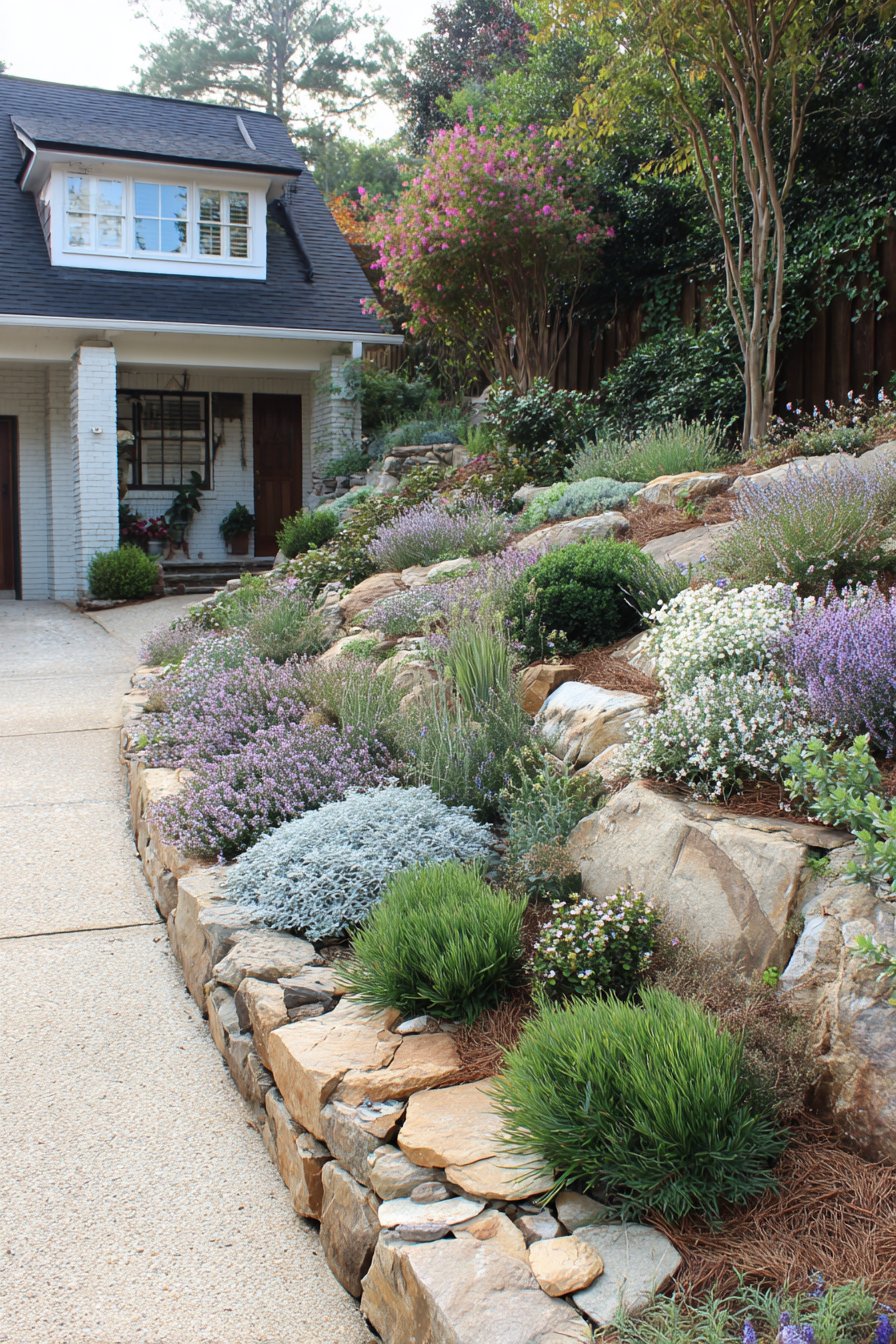
The sloped garden features a harmonious blend of soft lavender hues and rich greens, creating a serene yet vibrant atmosphere. Layering various textures with stone pathways and lush plantings enhances visual interest while ensuring easy maintenance and drainage.
To recreate this look, include varieties like Lavandula angustifolia (English Lavender), Thymus serpyllum (Creeping Thyme), and Salvia nemorosa (Wood Sage) for a colorful and fragrant display.
20) Lavender-Lined Curved Pathway Garden
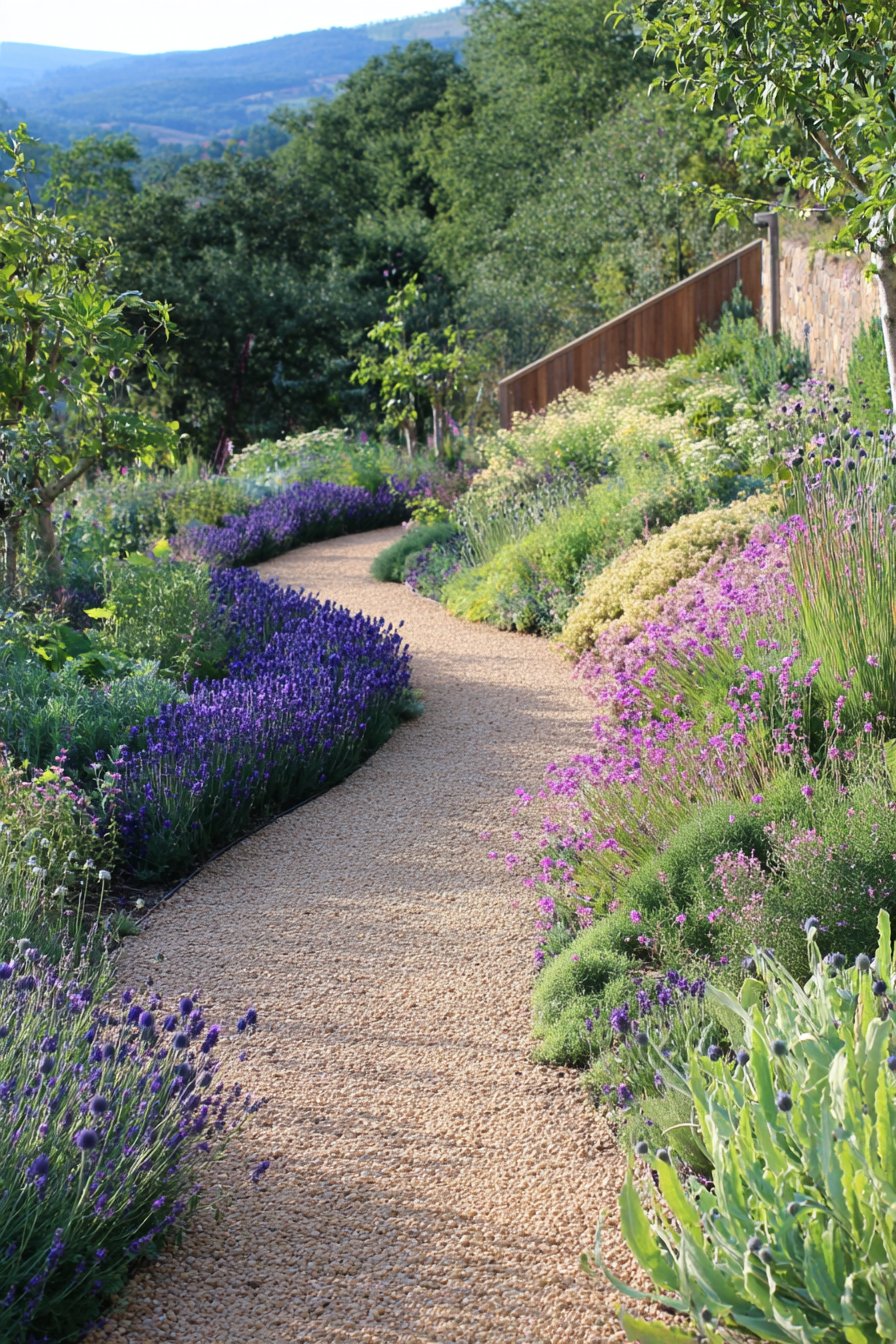
A gently curved pathway lined with vibrant lavender creates an inviting, serene atmosphere, complemented by soft, lush textures of surrounding plants. To achieve this look, incorporate natural stone or gravel for pathways and select a mix of low-maintenance perennials for continuous blooms.
To recreate this enchanting garden, include varieties like English Lavender, Catmint, and Sea Thrift for a harmonious color palette and delightful fragrances.
21) Vibrant Wildflower Sloped Garden Design
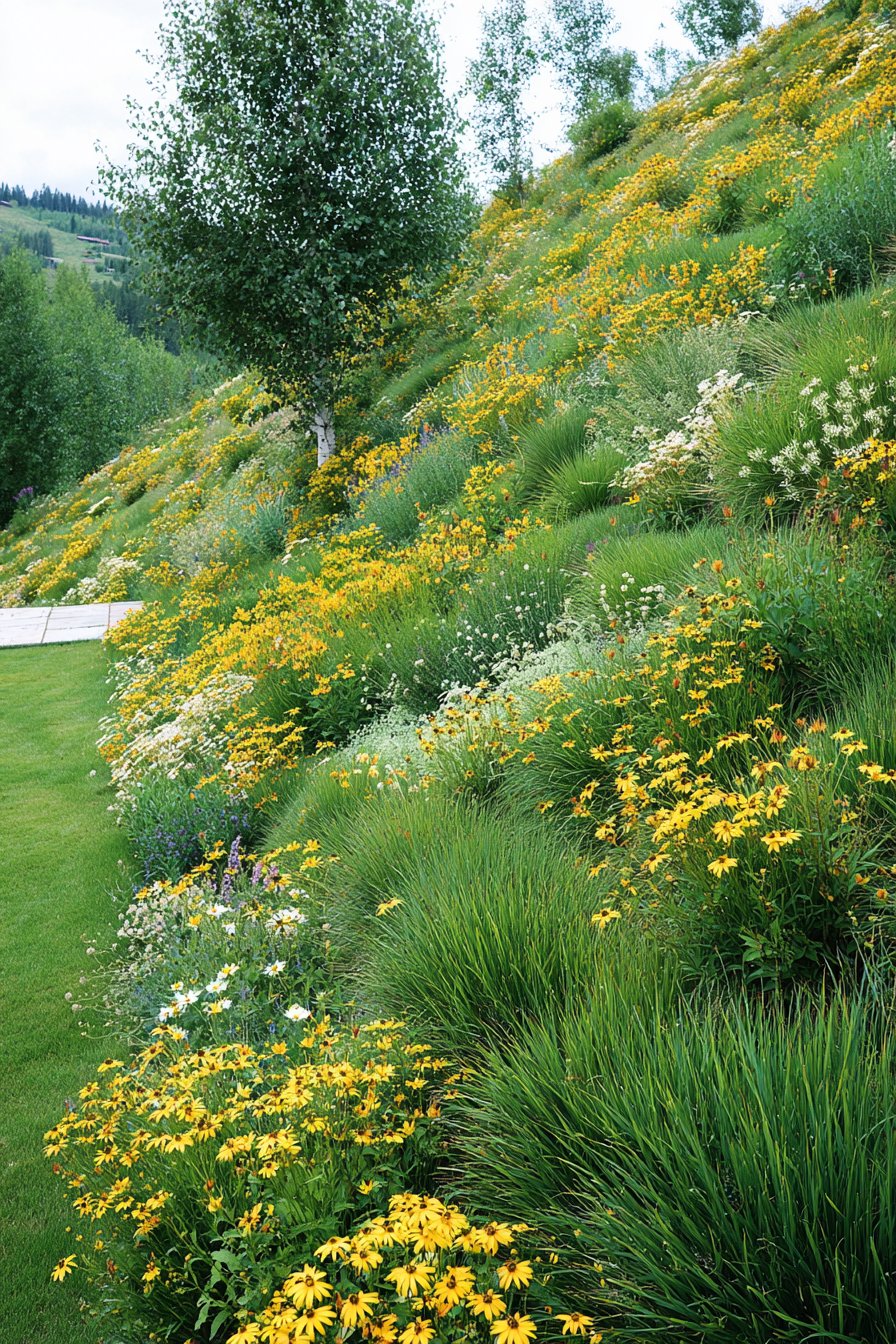
The vibrant sloped garden features a stunning blend of golden yellow daisies and soft white blooms, creating a lively tapestry of color and texture. To achieve this look, incorporate native wildflowers and ornamental grasses for low-maintenance beauty that thrives in varying light conditions.
Include varieties such as Rudbeckia hirta (Black-eyed Susan), Achillea millefolium (Yarrow), and Festuca glauca (Blue Fescue) to enhance the visual appeal and biodiversity.
22) Colorful Sloped Perennial Flower Garden
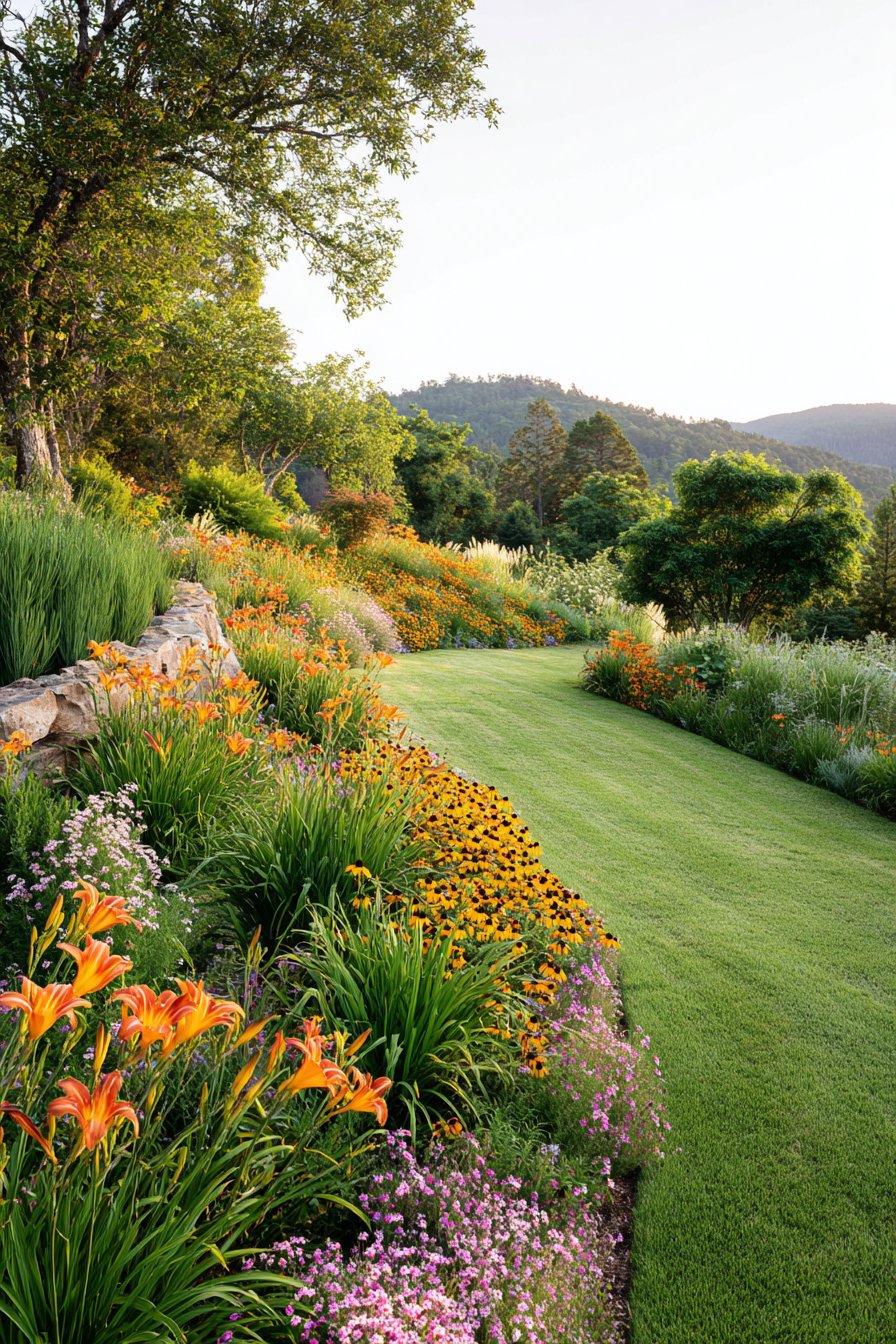
This vibrant sloped garden showcases a harmonious blend of colors and textures, featuring a lively array of perennials that create a stunning visual impact. To achieve a similar look, incorporate layered plantings, allowing taller varieties at the back and shorter ones in the front for depth and interest.
For this design, consider including daylilies, black-eyed Susans, and creeping phlox to capture the essence of the colorful display.
23) Wildflower Sloped Garden Pathway
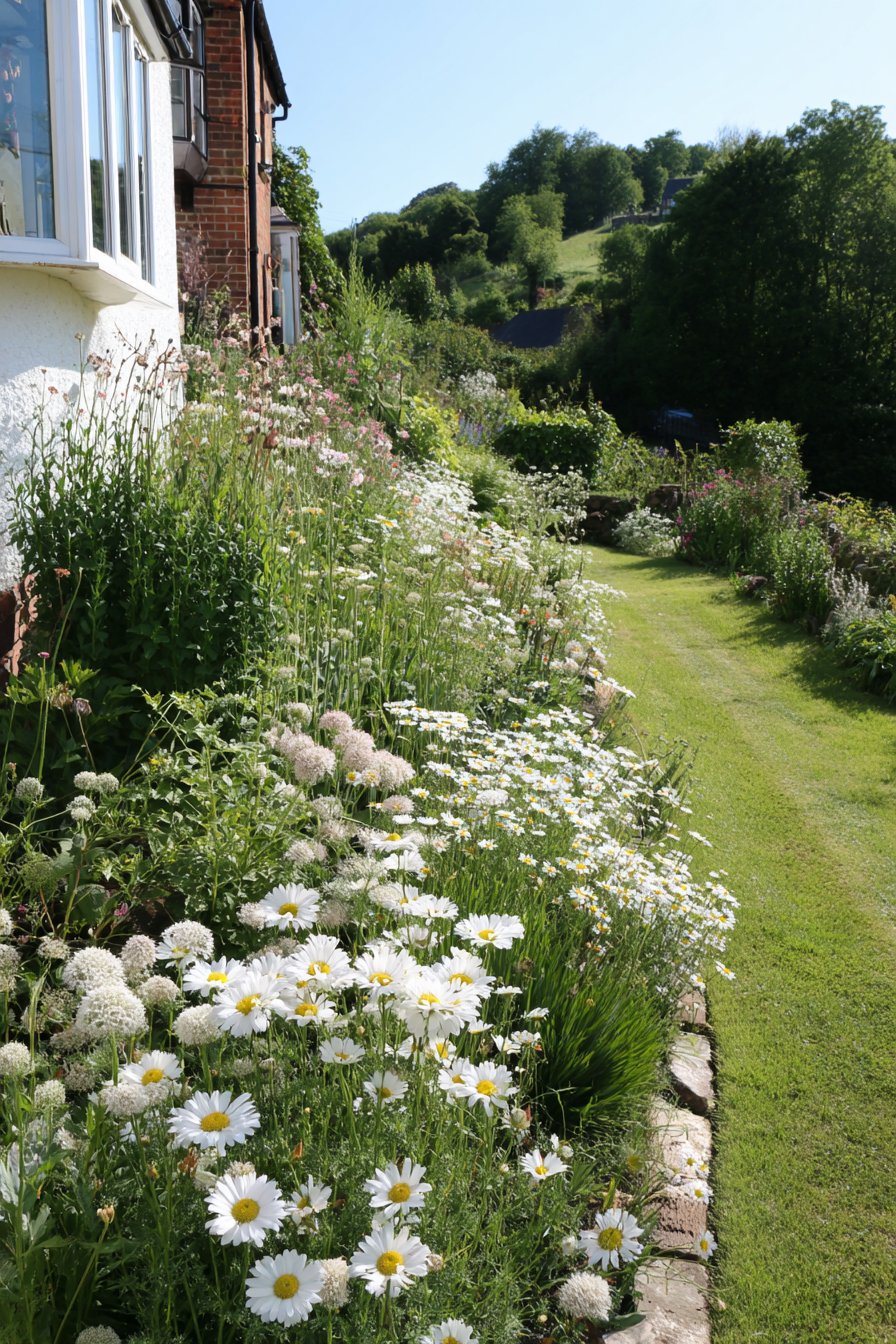
The sloped garden pathway beautifully combines wildflowers with lush greenery, creating a vibrant tapestry of color and texture that invites exploration. To achieve a similar look, incorporate varying heights of plants and allow natural growth for a relaxed, organic feel.
Include daisies, alliums, and pink campion to recreate this charming wildflower aesthetic in your own garden. Consider adding ornamental grasses for added texture and movement.
24) Tiered Garden with Hydrangeas and Grasses
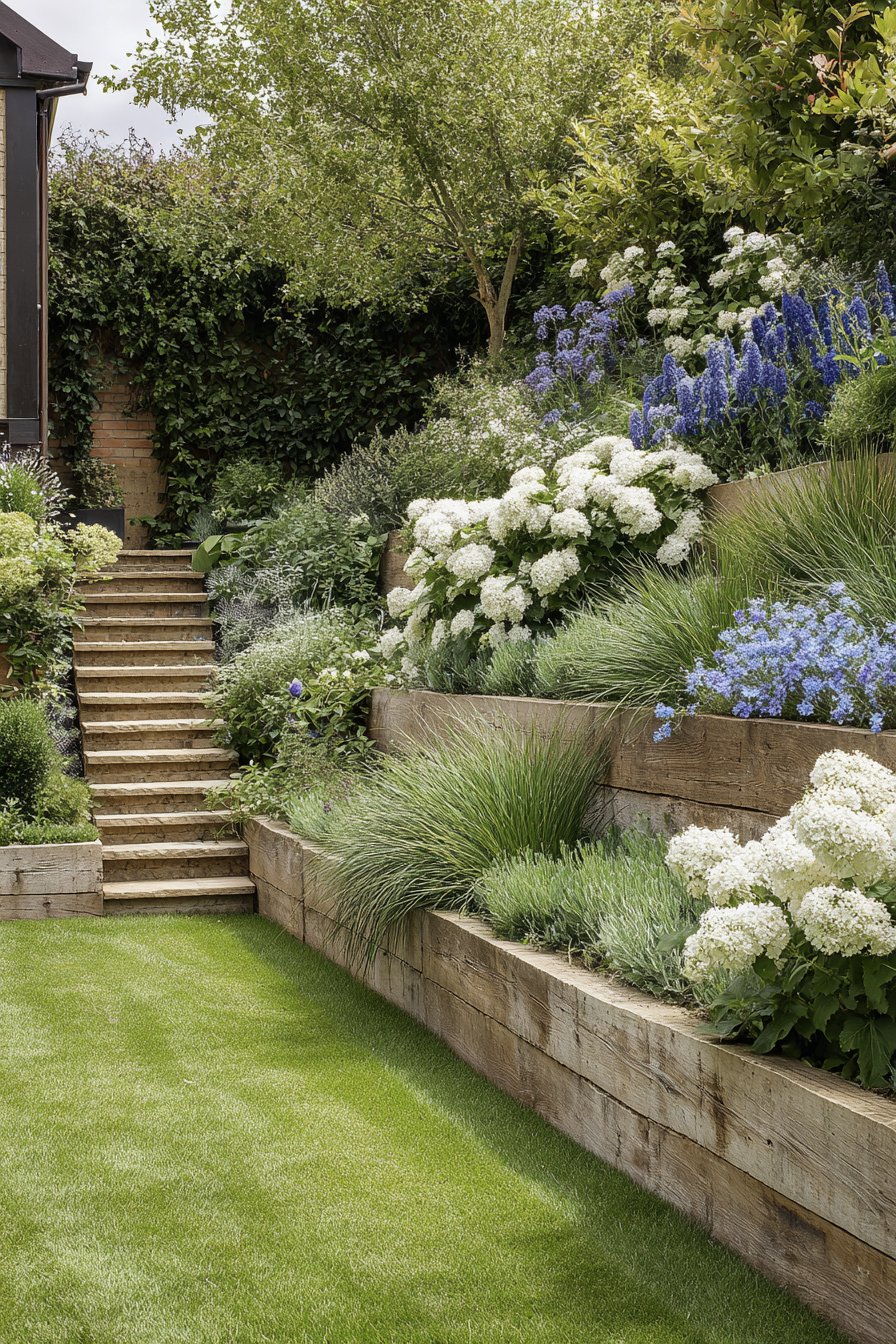
This tiered garden beautifully combines lush hydrangeas and graceful grasses, creating a serene and inviting atmosphere with a harmonious blend of whites and blues. To achieve a similar look, consider using layered plantings with varied heights, incorporating elements like wooden retaining walls for structure and visual interest.
For this design, include varieties such as Hydrangea macrophylla, Delphinium, and Carex comans to replicate the color palette and texture.
Tips and Tricks for Sloped Gardens
You’ve seen my top Sloped Gardens, but here are some tips and tricks you’ll want to follow to achieve these looks:
- Utilize Terracing: Create flat areas on your slope by incorporating terraces. This not only prevents erosion but also adds visual interest and creates different planting areas.
- Choose the Right Plants: Select plants that are suited for sloped areas. Native plants and ground covers with deep root systems will help stabilize the soil and thrive in varied conditions.
- Incorporate Retaining Walls: Use retaining walls to define different levels in your garden. This can help manage water runoff and create additional planting space.
- Implement Erosion Control Methods: Use methods like mulch, fabric, or erosion control blankets on bare soil to help prevent erosion while encouraging healthy plant growth.
- Create Pathways: Design pathways that follow the contour of the slope. This makes it easier to navigate the space and reduces the risk of soil compaction.
- Consider Water Drainage: Ensure proper drainage by positioning plants that tolerate wet conditions at the bottom and drier plants at the top, allowing water to flow naturally.
- Add Decorative Elements: Incorporate decorative features such as boulders, sculptures, or water features to enhance the visual appeal while breaking up the slope.
- Use Steps or Stairs: Integrate steps or stairs into the design to provide easy access to different levels of the garden while adding interest to the landscape.
- Plan for Sun Exposure: Observe how sunlight travels across your slope to choose the best locations for sun-loving plants and shade-tolerant varieties.
- Maintain Sustainability: Design with sustainability in mind by incorporating rain gardens or permeable surfaces to manage water runoff and promote healthy ecosystems.