17 Weeds With Purple Flowers You Won’t Want to Pull Up
There’s something magical about stumbling upon a splash of purple in your garden or along a walking path. Weeds with purple flowers might seem like pesky intruders, but they can add a vibrant touch to any landscape.
From delicate blooms to bold bursts of color, these 17 stunning weeds are not only beautiful but also fascinating in their resilience. So before you get down and start pulling these weeds up, why not consider the beauty they might add to your yard.
Our Top Weeds With Purple Flowers
Here are the 17 best weeds that bloom into different shades of purple. Got a favorite? Then let us know in the comments at the end of the page!
1) Clover
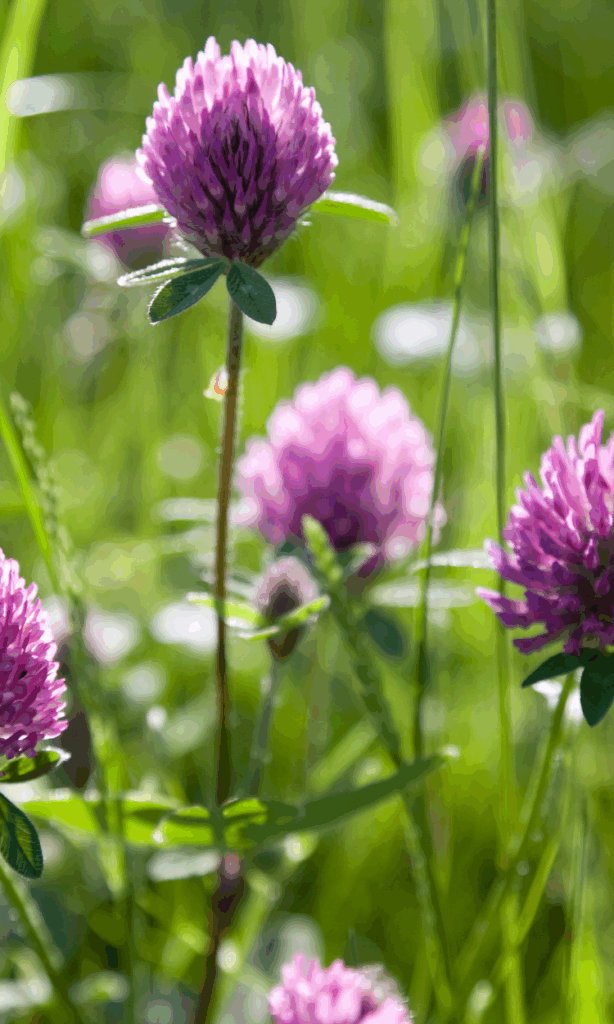
Clover is a well-known plant in lawns and fields, often recognized by its trifoliate leaves. While it’s commonly associated with white and pink flowers, some varieties, like the purple clover, do bloom in a lovely shade of violet. This hardy little plant is great for soil health because it fixes nitrogen, making it a friend to gardeners looking to improve their soil’s fertility.
In addition to its gardening benefits, clover is also a favorite among pollinators. Bees love it! So, if you’re aiming to attract those buzzing buddies to your garden, definitely consider letting some clover grow.
Clover is considered a weed because it often invades lawns, spreading rapidly and disrupting the uniform appearance of turfgrass.
Common Varieties
- Red Clover: A common meadow clover with round, rose-purple flower heads—excellent for pollinators, nitrogen fixation, and hay. (Zones 3–9)
- Crimson Clover: Features elongated crimson-purple blooms on upright stems—great for cover cropping, erosion control, and early nectar. (Zones 6–9)
- Zigzag Clover: Wild and upright with loose clusters of purplish flowers—adaptable to woodland edges and moist meadows. (Zones 3–8)
2) Henbit
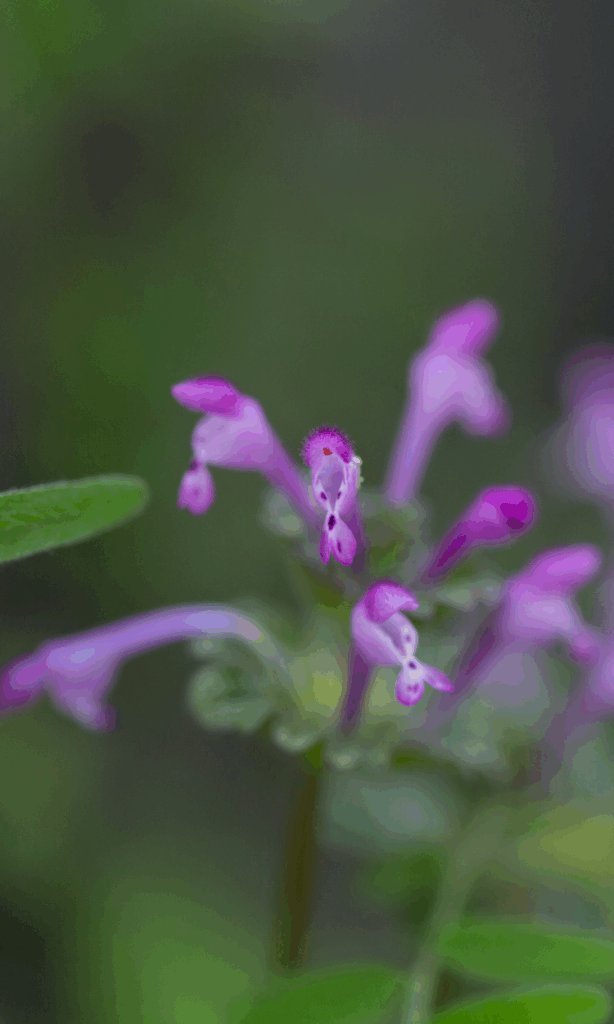
Henbit is a member of the mint family and is easily recognizable by its square stems and striking purple flowers that bloom in clusters. This little weed tends to pop up in gardens and fields, bringing some color along with it. Henbit is a great ground cover and can help with erosion, though some might argue it can be a bit too enthusiastic in its spreading.
One of the coolest things about henbit is that it’s edible! The leaves and flowers can be added to salads or used as a garnish. Just be sure to wash them first!
Henbit is classified as a weed due to its ability to germinate easily and form dense mats in lawns and disturbed areas.
Common Varieties
- Purple Henbit: A low-growing annual with scalloped leaves and clusters of tiny tubular purple flowers—blooms in early spring and supports native bees. (Zones 4–10)
- Early Purple: A naturally occurring form with slightly deeper violet blooms and a strong early-season presence in disturbed soils and lawns. (Zones 4–10)
- Field Form: Known for its resilience and abundance in open fields, this variation spreads readily and creates a soft purple haze in spring. (Zones 4–10)
3) Purple Deadnettle
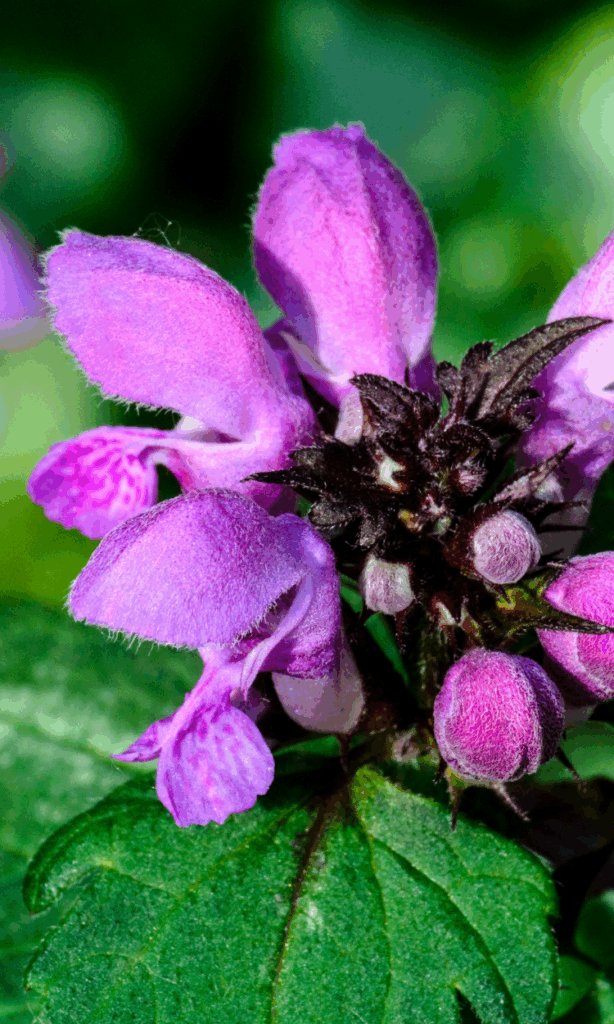
Don’t let the name fool you! Purple Deadnettle isn’t actually a nettle, and it doesn’t sting, making it a much-loved addition to gardens. It sports lovely purple flowers that attract all sorts of pollinators, and its heart-shaped leaves are often tinged with purple, adding to its charm. This weed thrives in disturbed areas and can spread quickly, so keep an eye on it if you decide to let it grow!
Interestingly, Purple Deadnettle is also edible. The young leaves can be used in salads or brewed in tea, so it’s a two-for-one plant!
Purple Deadnettle is seen as a weed because it spreads aggressively in early spring, especially in garden beds and bare soil.
Common Varieties
- Purple Deadnettle: A fast-spreading ground cover with soft, fuzzy leaves and pinkish-purple hooded flowers—great for early spring pollinators and naturalized settings. (Zones 4–8)
- Beacon Silver: Features silver-mottled foliage and lavender-purple blooms, forming tidy mats in shaded gardens or along borders. (Zones 4–8)
- Red Nancy: A compact variety with silvery leaves and rose-purple flowers—ideal for woodland edges or underplanting shrubs. (Zones 3–8)
- Orchid Frost: Offers silvery foliage with dark green edges and cool purple-pink flowers—provides contrast in shady ground cover plantings. (Zones 3–8)
4) Wild Violets
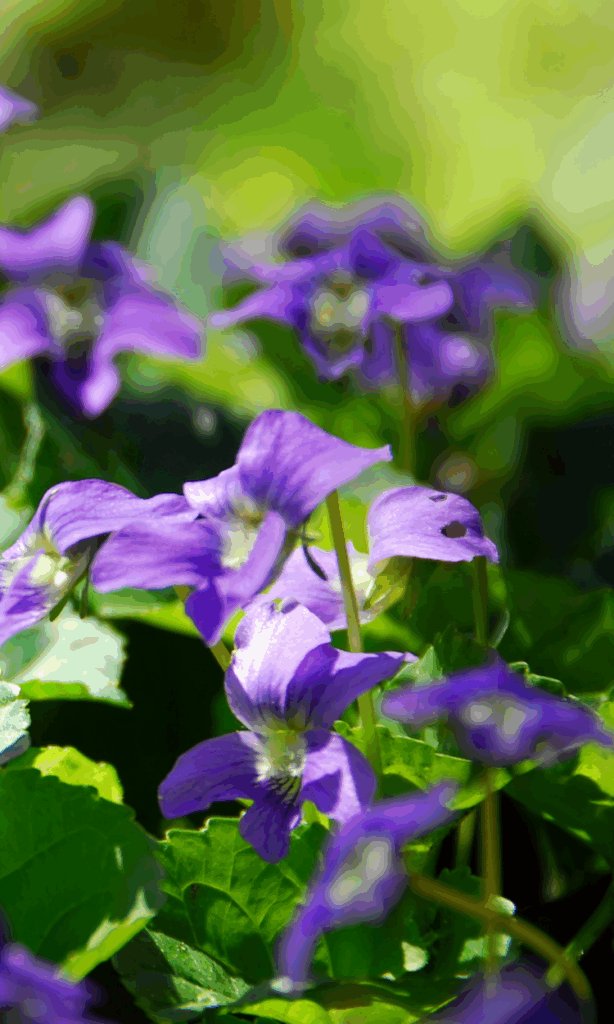
Wild Violets are one of those charming plants that can make your yard feel like a cottage garden. With their heart-shaped leaves and lovely purple blooms, they’re a delight in spring. They can be a bit aggressive in their spread, so they might take over if left unchecked, but don’t let that deter you from enjoying their beauty.
These flowers are also edible and can be used in salads or as garnishes. Plus, bees love them!
Wild Violets are regarded as weeds since they spread by rhizomes and seeds, making them difficult to control in lawns.
Common Varieties
- Common Blue Violet: A widespread native with heart-shaped leaves and deep purple spring flowers—thrives in moist, shady sites and supports native pollinators. (Zones 3–8)
- Confederate Violet: Features pale lavender to white petals with deep purple centers—naturalizes easily in lawns or woodland edges. (Zones 4–8)
5) Creeping Charlie
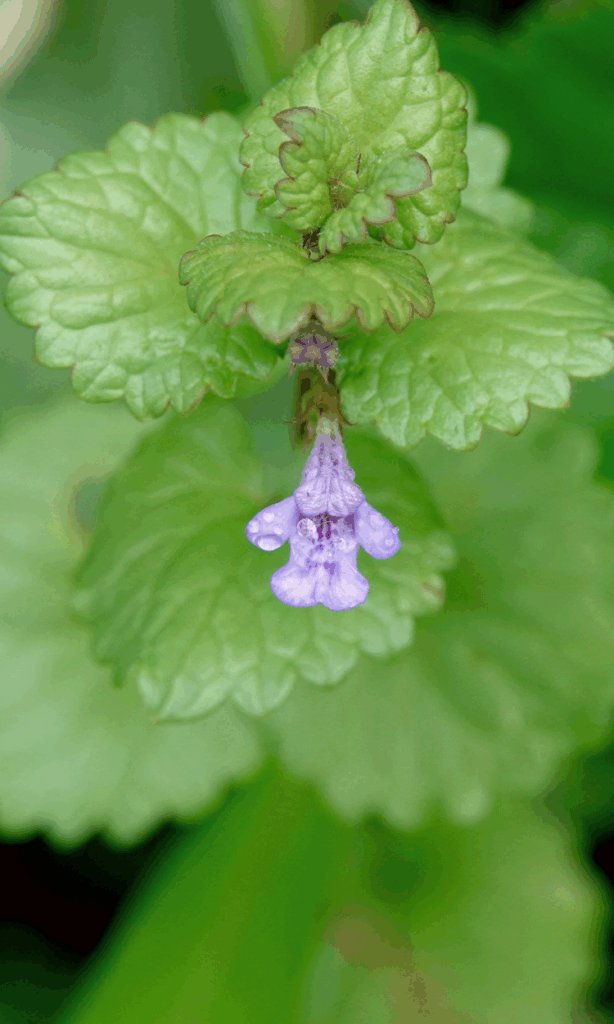
Creeping Charlie, another name for Ground Ivy, is a fast-spreading plant with small purple flowers that bloom in the spring. It thrives in shady areas and can be a real nuisance if you want a pristine lawn. However, its vibrant flowers make it a favorite for some gardeners who appreciate its beauty and ground-covering qualities.
This plant is also known to have medicinal properties. Traditionally, it has been used to soothe coughs and digestive issues, which is a nice bonus if you find it popping up in your garden.
Creeping Charlie is a well-known weed because it grows rapidly in shady areas, choking out desirable plants.
Common Varieties
- Variegated Creeping Charlie: A ground-hugging variety with purple-tinged, variegated leaves and small lavender-purple flowers—ideal for hanging baskets or as a colorful trailing ground cover. (Zones 6–10)
- Purple Gleam: Offers bright green foliage flushed with purple and clusters of tubular lilac-purple blooms—spreads quickly in moist, shaded areas. (Zones 4–9)
6) Speedwell
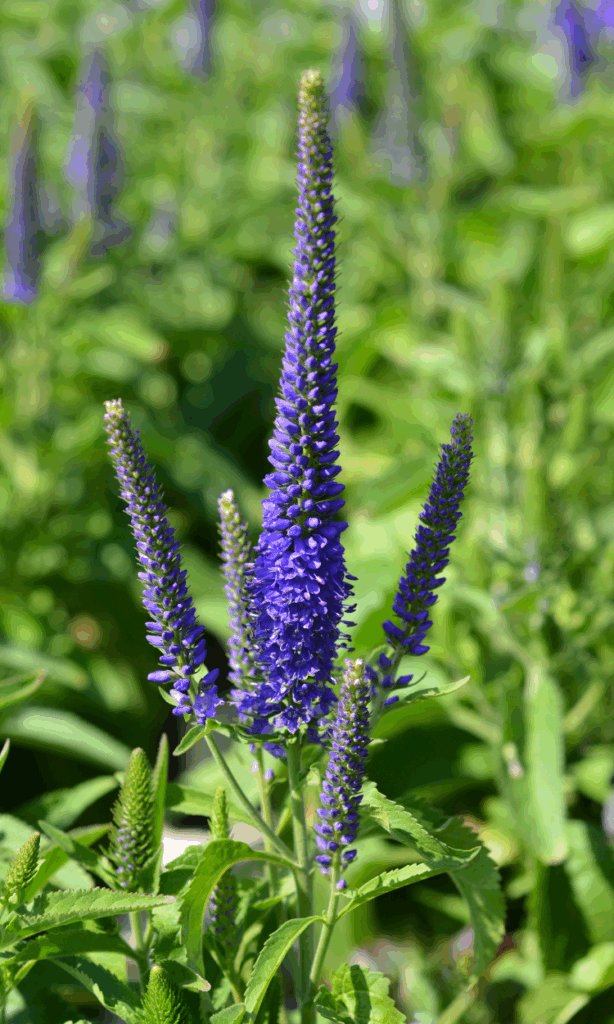
Speedwell is a low-growing weed that often escapes notice until it bursts into bloom with lovely purple flowers. These tiny flowers can be found in a variety of habitats, from lawns to meadows. Although it might not be as showy as some of the other weeds on this list, Speedwell has a charm of its own.
This plant is also known for its hardiness, and while it can be invasive, it can be a great addition to a wildflower garden, providing color and attracting pollinators.
Speedwell is considered a weed for its low-growing, fast-spreading nature, which allows it to invade lawns and resist many herbicides.
Common Varieties
- Royal Candles: Compact and upright with dense spires of vivid purple-blue flowers—perfect for borders and pollinator gardens. (Zones 4–8)
- Purpleicious: A prolific bloomer with rich purple spikes and a tidy clumping habit—great for edging or mass plantings. (Zones 4–8)
- First Glory: Early-flowering with deep purple blooms on short, bushy plants—ideal for small gardens or containers. (Zones 4–8)
7) Thistle
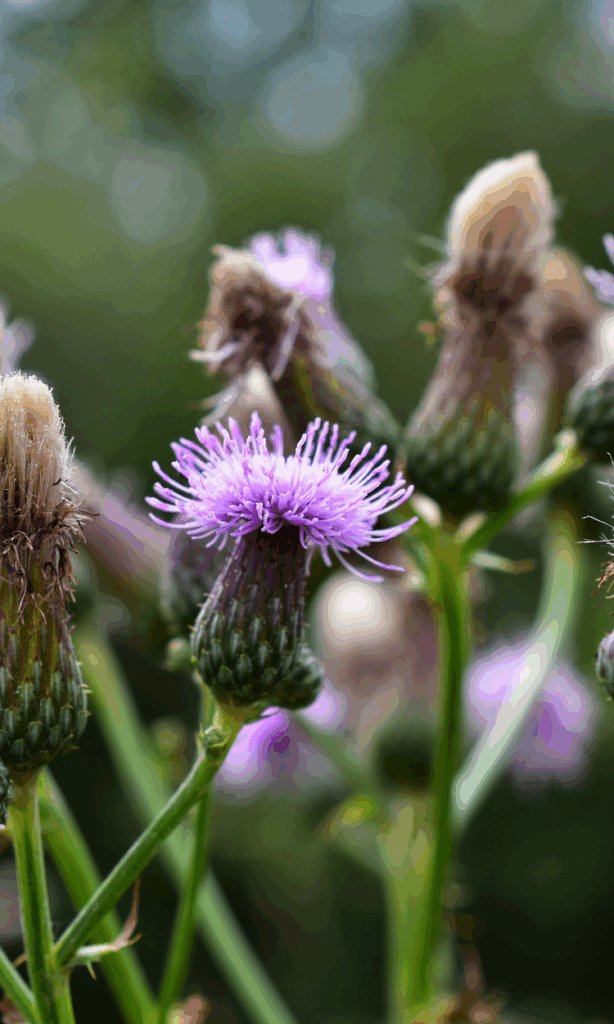
Thistles are often seen as pesky weeds, but they have a certain rugged beauty to them. With their spiky leaves and bold purple flowers, they pack a punch in the garden. While many gardeners might want to eradicate them, thistles are actually great for attracting butterflies and other pollinators.
A cautionary note: they can spread quickly, so if you plant them, be prepared for some management!
Thistle is recognized as a weed due to its spiny stems, rapid growth, and ability to spread through both seeds and underground roots.
Common Varieties
- Globe Thistle: Striking spherical flower heads in metallic purple-blue on tall stems—great for pollinators and dried arrangements. (Zones 3–8)
- Milk Thistle: Bold purple flower tufts with spiny leaves marbled in white; valued in wild gardens and for medicinal uses. (Zones 5–9)
- Scotch Thistle: Tall and architectural with silvery foliage and large purple flowers—dramatic in xeriscapes or wildlife plantings. (Zones 4–9)
8) Bellflower
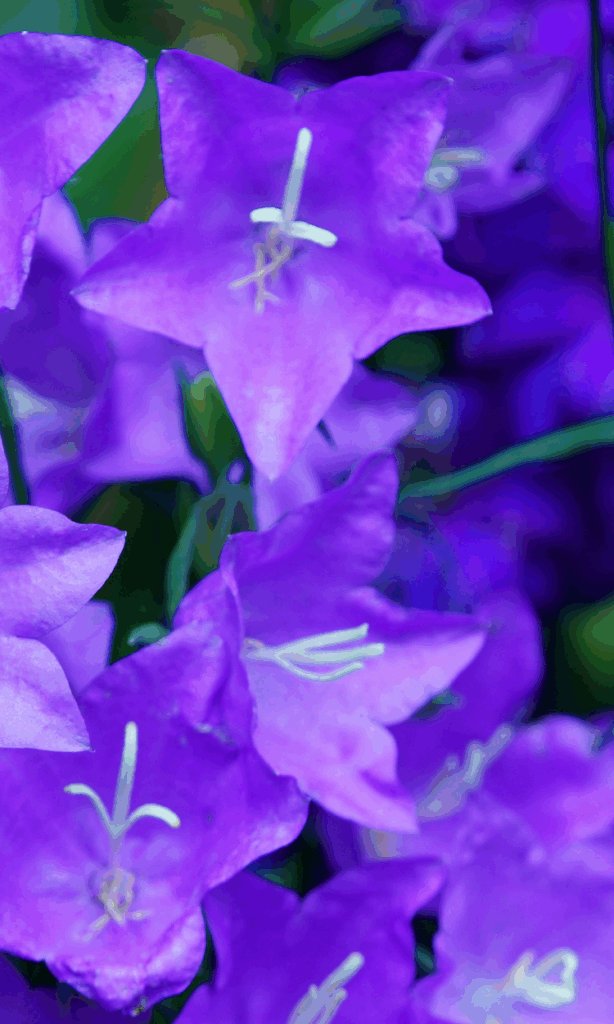
Bellflowers are lovely plants that can add a pop of color to your garden. While many varieties showcase blue or white flowers, some, like the creeping bellflower, have beautiful purple blooms. They can be aggressive growers, so be mindful of where you plant them!
These flowers are great for attracting bees and other pollinators, making them a lovely addition to any garden focused on supporting wildlife.
Bellflower is often labeled a weed because certain species, like Campanula rapunculoides, are highly invasive and crowd out native plants.
Common Varieties
- Superba: A tall variety with upright spikes of rich violet-purple bell-shaped blooms—great for cottage gardens and mixed borders. (Zones 3–8)
- Sarastro: Produces large, nodding purple flowers on compact plants, combining bold color with a tidy form. (Zones 4–8)
- Carpatica Deep Blue Clips: Low-growing and mounding with deep purple-blue open bells, ideal for edging or rock gardens. (Zones 3–9)
9) Bugleweed
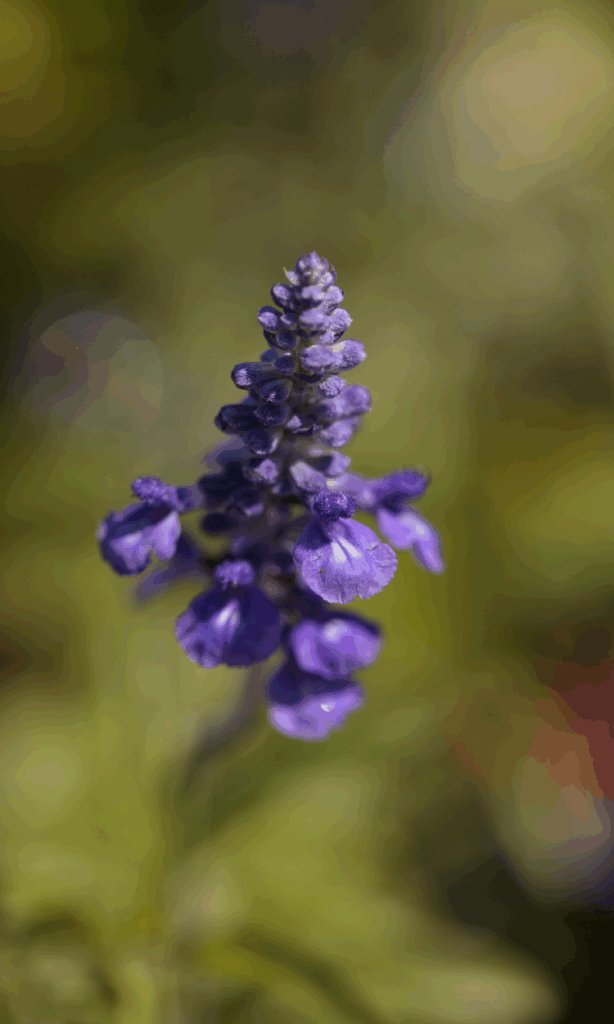
Bugleweed is a low-growing ground cover that blooms in vibrant spikes of purple flowers. It’s often used in gardens to help suppress weeds, making it a practical choice for some gardeners. The leaves are typically dark green and can have a lovely sheen to them.
Not only is Bugleweed easy to care for, but its flowers are also a magnet for pollinators, making it a win-win!
Bugleweed is seen as a weed when it spreads beyond intended garden areas, forming dense ground cover that can overwhelm other plants.
Common Varieties
- Catlin’s Giant: A vigorous ground cover with large, deep purple flower spikes and bronze-tinged foliage—ideal for shady slopes or under trees. (Zones 3–9)
- Black Scallop: Features rich, dark purple foliage and vibrant violet flower spikes—great for contrast in borders or containers. (Zones 4–9)
10) Selfheal
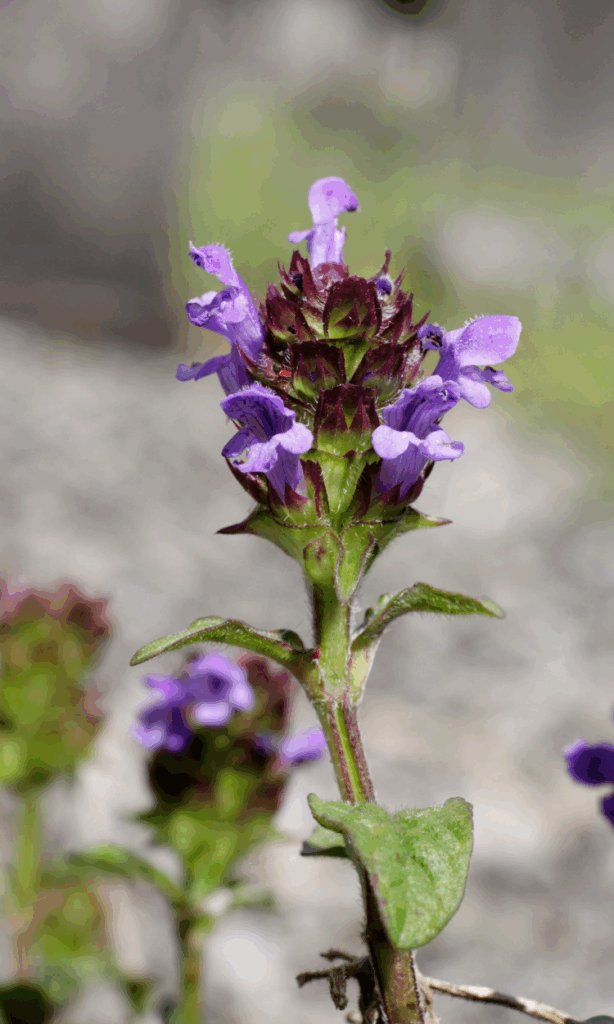
Selfheal is a delightful little plant that boasts purple flowers and is often found in lawns and meadows. It has a charming habit of spreading and creating patches of purple blooms that can be quite eye-catching. As the name suggests, this plant has been used in traditional medicine for its healing properties.
Selfheal loves moist, well-drained soil and can thrive in various conditions, making it a resilient addition to your garden.
Selfheal is considered a weed because it spreads via creeping stems and readily colonizes lawns and disturbed soils.
Common Varieties
- Lacey Blue: A compact selection with deep purple-blue flower heads and tidy mounding foliage—ideal for ground cover or edging. (Zones 4–9)
- Pagoda: Features upright stems topped with dense violet-purple blooms, spreading easily in meadows and informal lawns. (Zones 4–8)
- Raspberry Delight: Offers a purplish-raspberry hue with slightly larger flower spikes, thriving in partial shade and moist soils. (Zones 4–9)
11) Purple Loosestrife
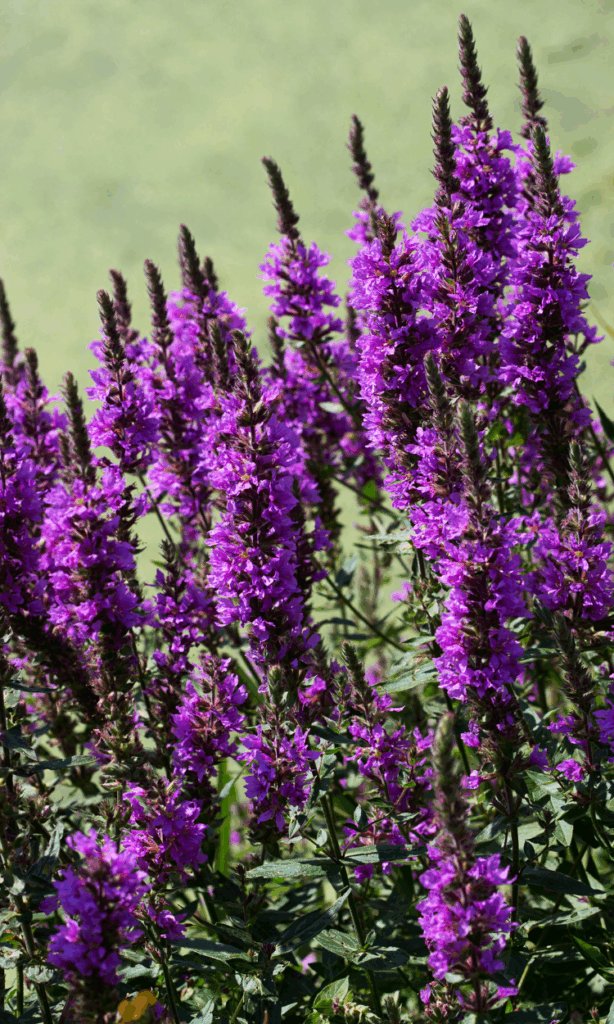
Purple Loosestrife is a striking perennial that can dominate garden spaces if left unchecked. With its tall spikes of vivid purple flowers, it brings a bold statement to any area. While it’s beautiful, be cautious! This plant is considered invasive in some regions, so it’s important to keep an eye on its spread.
Nonetheless, it attracts bees and butterflies and can be a stunning addition to a wildflower garden if managed properly.
Purple Loosestrife is classified as a weed due to its aggressive growth in wetlands, where it displaces native vegetation and alters ecosystems.
Common Varieties
- Robert: A compact, sterile cultivar with bright magenta-purple flower spikes—ideal for contained borders without risk of spreading. (Zones 4–9)
- Morden Pink: Features soft purple-pink blooms on tidy clumps, bred to be non-invasive and suitable for ornamental use. (Zones 3–9)
- Firecandle: Tall and upright with vivid reddish-purple flower wands that bloom over a long period—best in wet or boggy sites. (Zones 3–8)
- Dropmore Purple: A robust, sterile variety with rich purple blooms and controlled growth; great for rain gardens and moist soil. (Zones 3–9)
12) Wild Sage
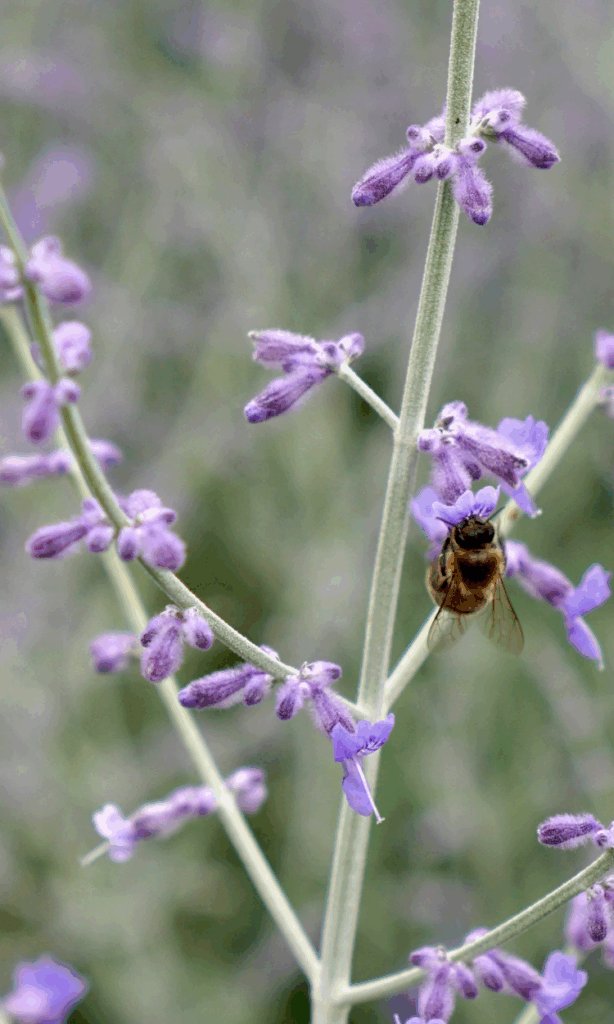
Wild Sage is known for its fragrant leaves and beautiful purple flowers. This plant can be a bit aggressive in its growing habits but is loved for its aromatic qualities. The flowers attract a variety of pollinators, and the scent can be quite lovely when brushed against.
While it thrives in wild areas, it can also be a great addition to herb gardens if managed correctly.
Wild Sage is viewed as a weed in some regions because it colonizes disturbed areas and pastures, spreading persistently.
Common Varieties
- Purple Sage: A sprawling evergreen shrub with silvery‑gray foliage and dense whorls of bright purple tubular flowers—drought‑tolerant, pollinator‑friendly, and excellent in xeriscapes or as groundcover on slopes. (Zones 8–11)
- Mexican Bush Sage: Produces long arching spikes of velvety purple blooms (often contrasted by white fuzzy petals), blooming from late summer into fall—highly attractive to butterflies and hummingbirds. (Zones 8–10)
- Santa Barbara Mexican Sage: A compact selection of Mexican bush sage with strong branching and long-lasting purple‑lavender flowers—ideal for smaller gardens and borders. (Zones 8–10)
13) Catmint
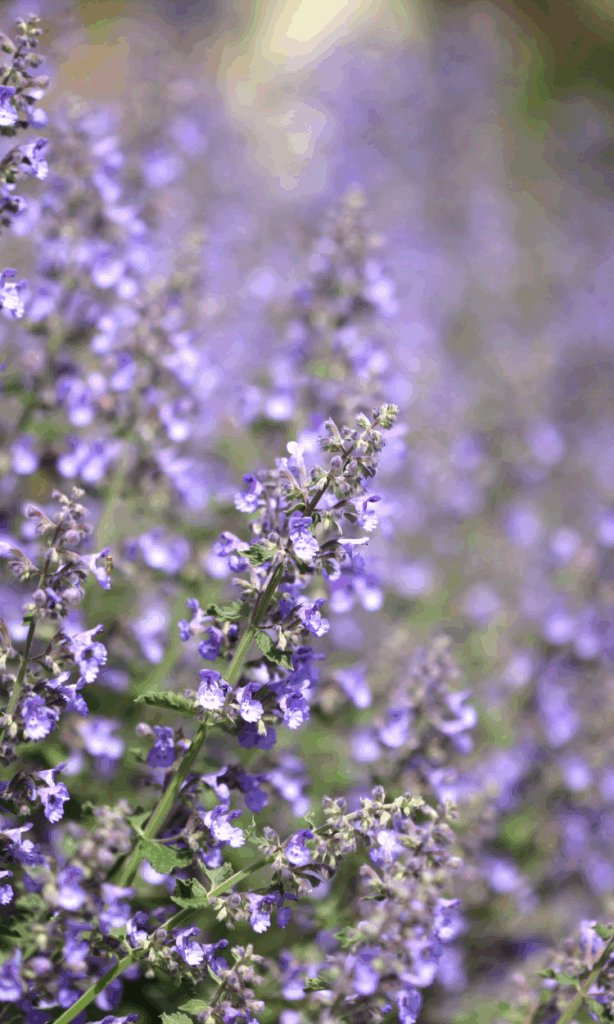
Catmint is a beloved plant for both gardeners and their feline friends! With its aromatic leaves and beautiful purple flowers, it’s hard not to love this plant. It blooms for a long period and attracts bees and butterflies, making it a great addition to pollinator gardens.
This hardy perennial is drought-tolerant and can thrive in various conditions, so it’s a low-maintenance option for busy gardeners.
Catmint can become weedy as it self-seeds prolifically and spreads beyond garden boundaries.
Common Varieties
- Walker’s Low: A popular variety with soft purple-blue flower spikes and silvery foliage—perfect for edging, pollinator borders, and long blooming. (Zones 4–9)
- Cat’s Pajamas: Compact and early-blooming with dark purple flowers and a neat mounded shape—ideal for containers or small gardens. (Zones 3–8)
- Junior Walker: A dwarf form of Walker’s Low with the same lavender-purple blooms on a tighter, low-growing plant—great for ground cover. (Zones 5–9)
14) Wild Bergamot
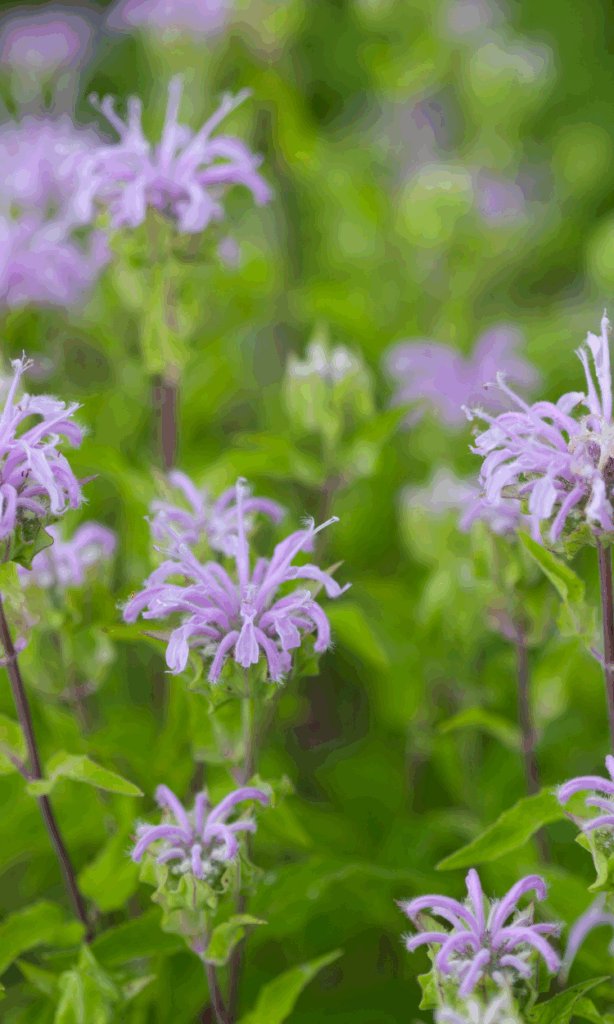
Wild Bergamot, or Monarda fistulosa, is a fantastic addition to any garden. With its unique pom-pom-like purple flowers, it’s sure to catch your eye. Also known for its aromatic leaves, Wild Bergamot is a favorite among pollinators, especially bees and butterflies.
This plant is quite resilient and can thrive in poor soil, making it a great choice for naturalized areas.
Wild Bergamot is sometimes regarded as a weed because it spreads rapidly and can dominate garden beds or naturalized areas.
Common Varieties
- Claire Grace: A tall, mildew-resistant variety with deep lavender-purple blooms on sturdy stems—ideal for prairie gardens and attracting pollinators. (Zones 4–9)
- Purple Rooster: Noted for its rich royal-purple flowers and upright, clump-forming habit; excellent in borders and naturalized areas. (Zones 3–9)
- Blue Stocking: Features vibrant bluish-purple flower clusters and aromatic foliage, thriving in moist soils and full sun. (Zones 4–9)
15) Vervain
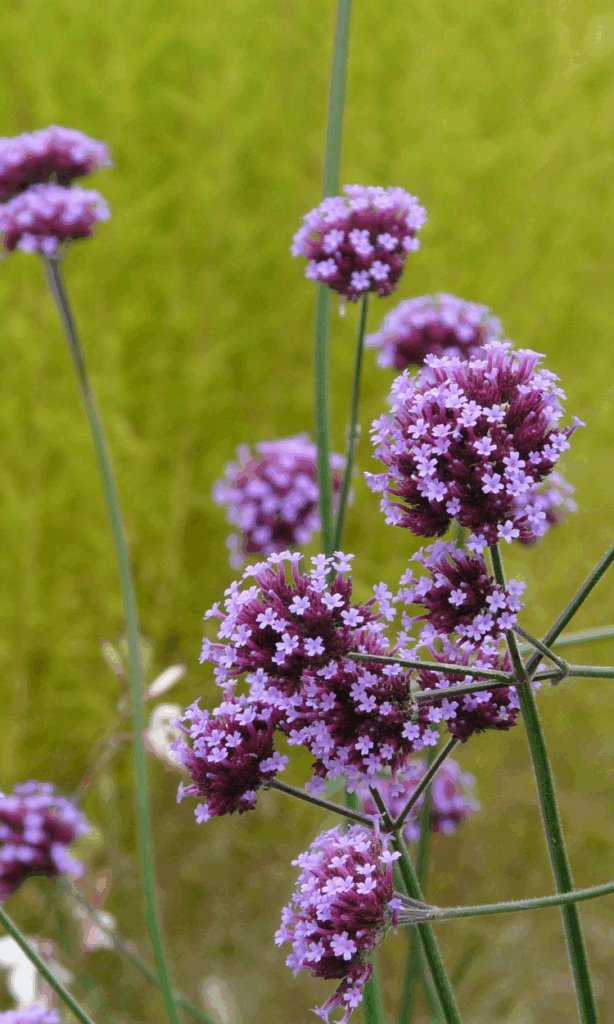
Vervain is a charming little plant that produces delicate purple flowers. This herb has a long history of use in traditional medicine, often associated with healing properties. It tends to grow in sunny spots and can be a lovely addition to wildflower gardens, attracting various pollinators.
Though it can be a bit weedy, its beauty and history make it a popular choice for many gardeners.
Vervain is considered a weed for its tendency to colonize roadsides and open ground, spreading quickly by seed.
Common Varieties
- Homestead Purple: A vigorous, long-blooming selection with rich purple flower clusters and trailing growth—great for containers, slopes, or spilling over walls. (Zones 7–10)
- Endurascape Purple: Known for exceptional heat and cold tolerance, this variety has dense, bright purple blooms ideal for landscapes or mass plantings. (Zones 7–10)
- Superbena Violet Ice: Features soft purple petals with silvery highlights, creating a shimmering effect—excellent for mixed borders and hanging baskets. (Zones 8–11)
16) Bluebell Creeper
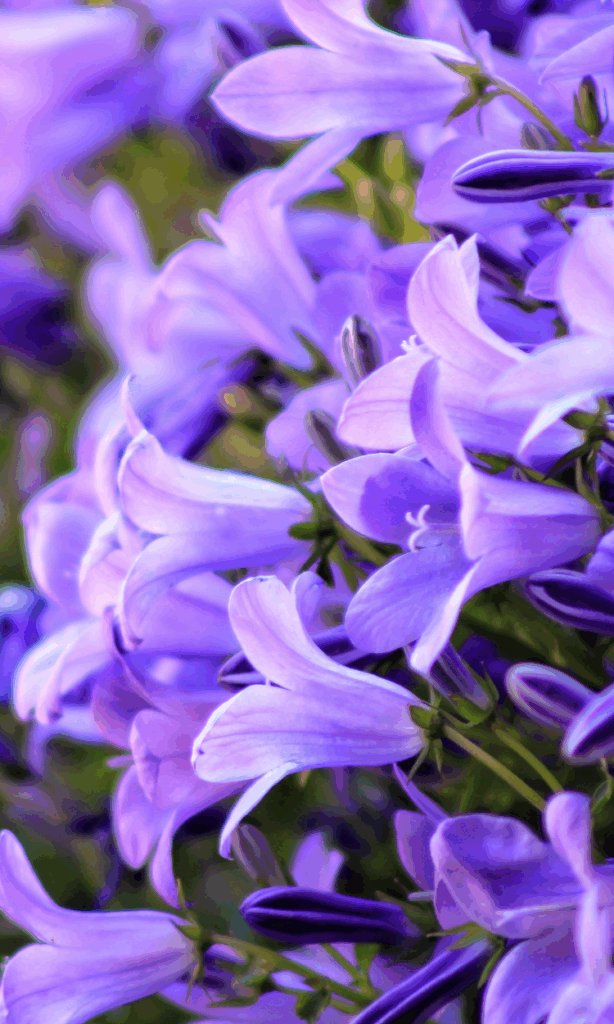
Bluebell Creeper is often sought after for its sprawling growth habit and lovely purple flowers. While it typically has blue shades, it can also have a purplish tint. This plant works wonderfully as ground cover and can add a unique aesthetic to any garden.
Just keep in mind that it can be a vigorous grower, so you might want to keep it in check!
Bluebell Creeper is recognized as an invasive weed in regions like Australia, where it forms dense thickets that smother native plants.
17) Purple Toadflax
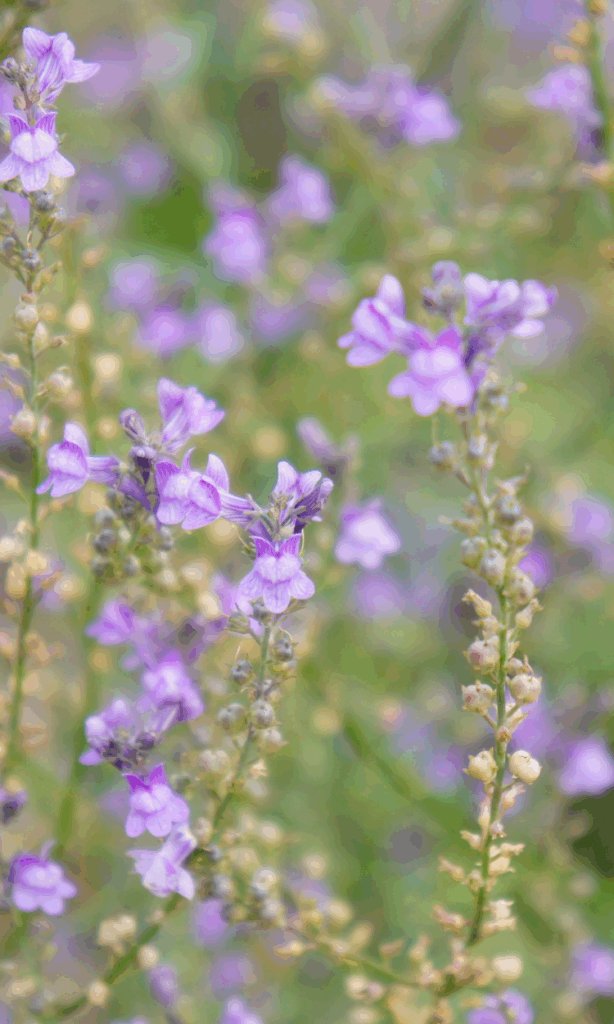
Purple Toadflax is a beautiful plant that produces spikes of purple flowers reminiscent of snapdragons. It’s often found in gardens and can become a lovely addition with its cheerful blooms. This plant can spread quickly, so be cautious about where you plant it.
Not only does it bring beauty to the garden, but it also attracts a variety of pollinators, which is always a plus!
Purple Toadflax is classified as a weed because it naturalizes easily and spreads in meadows, roadsides, and disturbed sites.
Common Varieties
- Canon Went: A soft pink and lavender-flowered variety with airy spires that attract bees and butterflies—ideal for naturalistic borders and meadows. (Zones 5–9)
- Fairy Bouquet: Compact with multicolored blooms in shades of purple, pink, and white; great for small spaces and containers. (Zones 5–9)
- Purple Robe: Features deep violet flowers and fine, grassy foliage, offering a delicate wildflower look that thrives in dry, sunny sites. (Zones 5–9)