14 Weeds With Pink Flowers (That Are Actually Kinda Pretty)
Not all weeds are unruly eyesores. Some show up uninvited and still manage to charm with delicate pink blooms and wild, effortless style.
Whether they pop up along your garden path or tucked into the edges of your lawn, these pink-flowering weeds are surprisingly lovely—once you stop thinking of them as just weeds. As the saying goes, a weed is just a plant in the wrong place.
How to Garden With Pink-Flowered Weeds
- Learn Their Names: From red clover to wild geraniums, identifying what’s growing in your yard helps you decide what stays and what goes.
- Watch for Spreaders: Even the prettiest pink bloomers can take over quickly. If you spot creeping Charlie or purslane, keep an eye on their growth.
- Pollinator Friendly: Many of these pink-flowered weeds are favorites for bees and butterflies, so pulling them might not always be the best move.
- Don’t Mow Too Soon: If you’re letting your lawn breathe a little, those pink weeds might surprise you with a soft, wildflower feel.
- Use Them Intentionally: Some pink-tinged weeds can be used in wildflower gardens or natural landscaping for a laid-back, low-maintenance look.
1. Red Clover
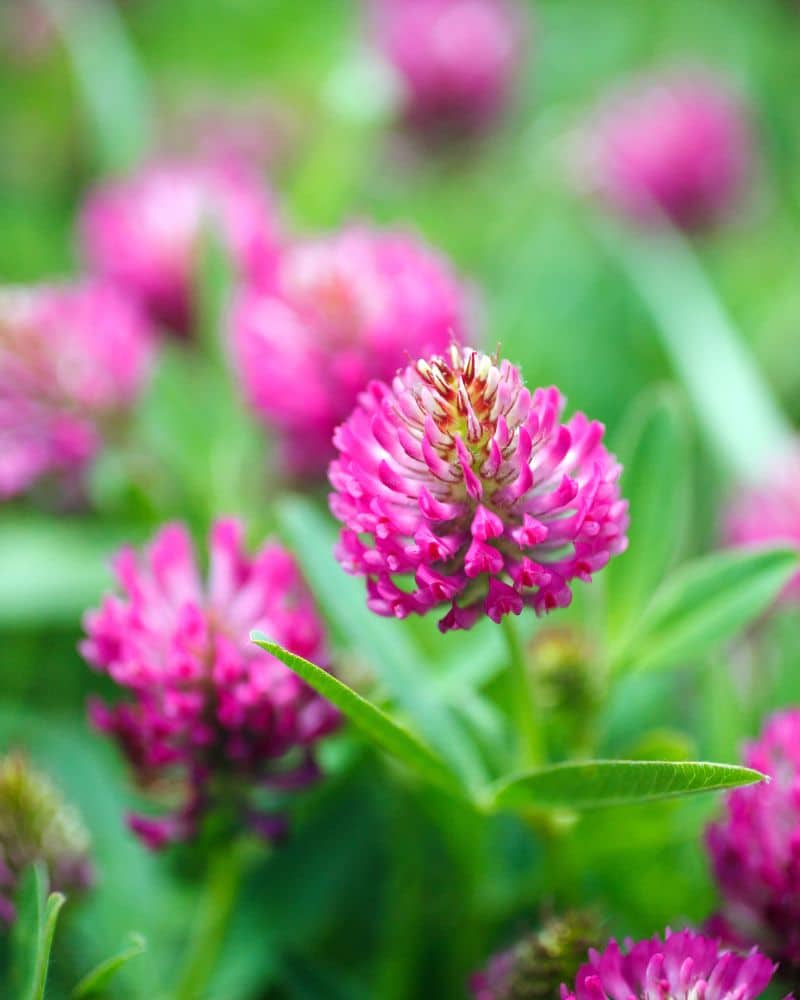
Red Clover is a lovely little weed with distinct pink flowers that brighten up any garden. I know the name is completely confusing but the shade of flower produced by red clover tends to be a deep, rich pink as opposed to a bright red.
You’ll spot it often in fields and meadows, usually growing in clumps. The flowers are fuzzy and a bit rounded, giving it that charming appearance. It’s not just pretty; Red Clover is also known for its ability to fix nitrogen in the soil, making it a great companion plant!
This weed can be quite versatile. You might even see it in your lawns or alongside your vegetable patches. Plus, it’s a favorite among pollinators, which makes it a double win for your garden!
Popular Varieties
- Mammoth Red Clover: A tall-growing pink-flowered clover with robust foliage and large blooms—ideal for quick soil improvement or use in pasture mixes. (Zones 3–8)
- Medium Red Clover: A widely used, fast-growing clover with rosy-pink flower heads—suitable for short-term cover crops or bee forage. (Zones 4–9)
- Kenland Red Clover: A disease-resistant red clover variety with vibrant pink blooms—commonly used in hay production and wildlife plots. (Zones 3–8)
- Freedom Red Clover: A leafy pink-flowered clover bred for reduced steminess—excellent for high-quality hay and grazing. (Zones 4–8)
2. Pink Purslane
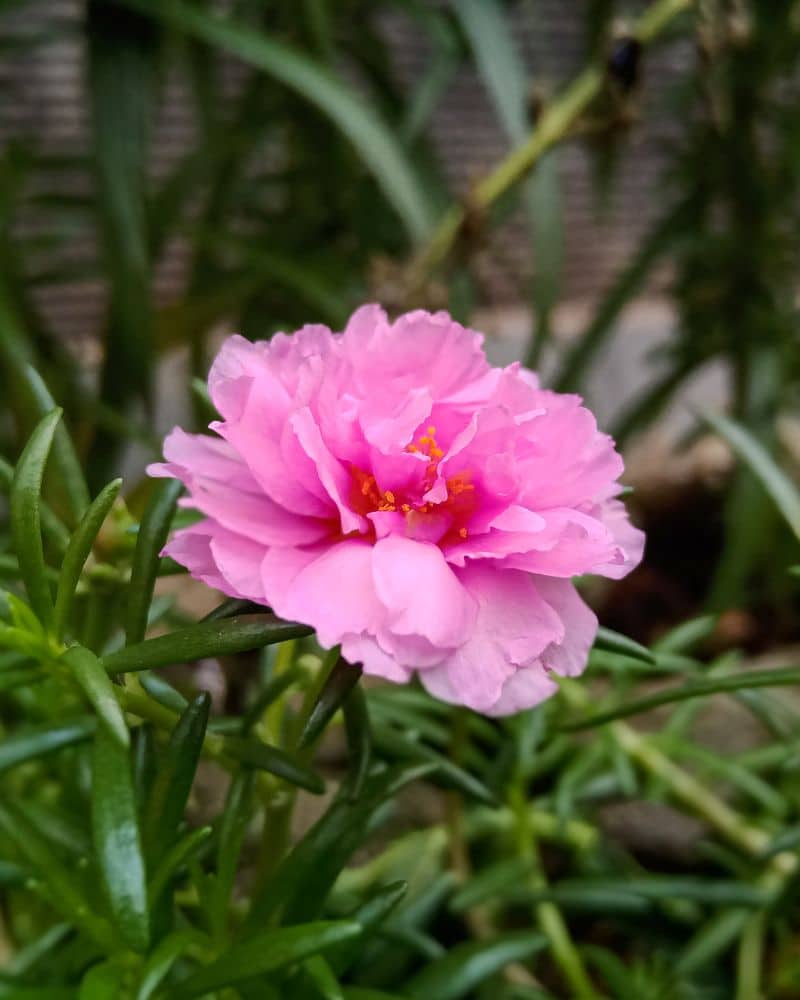
Pink Purslane is a vibrant little weed that can sneak into your garden without a second thought! These fleshy, succulent leaves are perfect for retaining moisture, which is why they can thrive in hot, dry conditions. The pink flowers bloom in clusters and can be a delightful surprise in your garden.
Beyond its beauty, Pink Purslane is also edible! The leaves have a slightly tangy flavor, great for salads or as a garnish. Talk about a pretty and practical plant!
Popular Varieties
- Wingpod Purslane: A low-growing succulent with soft pink cup-shaped blooms and fleshy green leaves—perfect for sunny rock gardens or borders. (Zones 5–10)
- Pink Sundial Purslane: A spreading variety with cheerful pink flowers that open in full sun—ideal for containers, edging, or hot, dry spots. (Zones 4–9)
- Yubi Pink Purslane: A vibrant pink-flowered ground cover with long blooming performance—thrives in poor soils and adds color to xeriscapes. (Zones 6–10)
- Duet Pink Purslane: A compact, mat-forming type with soft pink flowers and trailing stems—great for hanging baskets or between stepping stones. (Zones 5–9)
3. Common Mallow
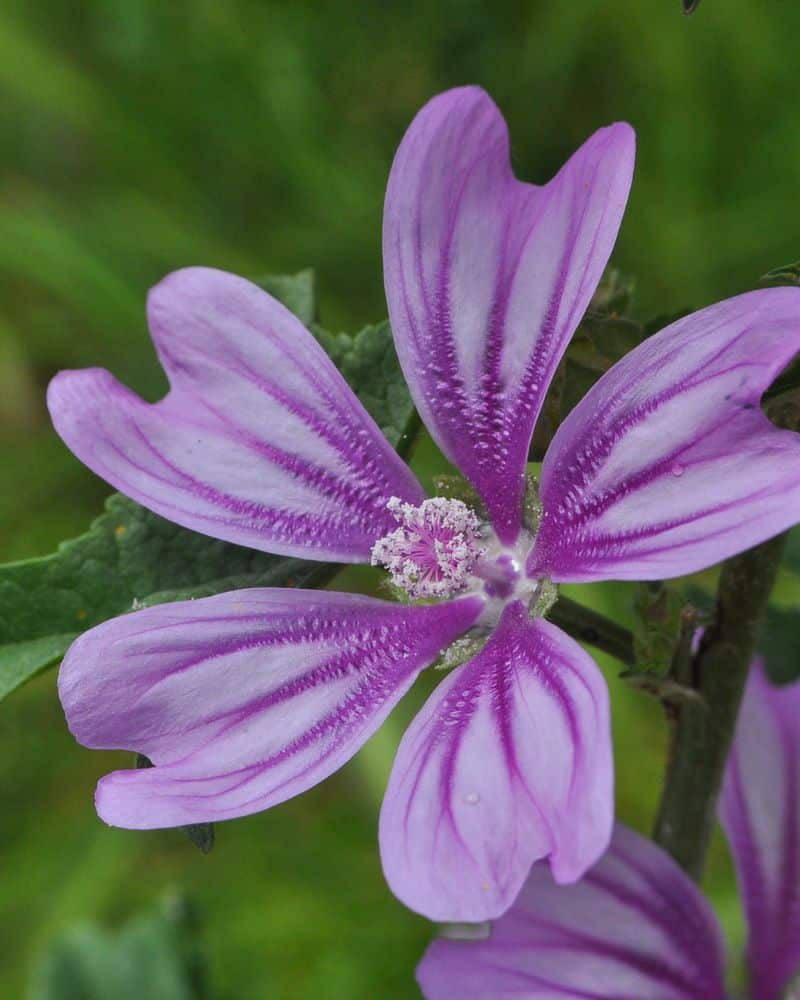
Common Mallow is one of those weeds that adds a touch of elegance with its delicate pink flowers. You can find it growing in disturbed soils, like roadside edges and gardens. The flowers are typically cup-shaped and can vary in shade from pale pink to deep magenta.
This plant is not just a pretty face; it has been used in traditional medicine for soothing sore throats and respiratory issues. Plus, its leaves are edible—what a bonus!
Popular Varieties
- Dwarf Mallow: A compact pink-flowered mallow with scalloped leaves and a spreading habit—suitable for ground cover in informal gardens. (Zones 4–9)
- Cheeseplant Mallow: A weedy but charming plant with pink, veined flowers and round, cheese-shaped seed pods—often found in wildflower areas or cottage gardens. (Zones 3–9)
- Roundleaf Mallow: A hardy species with soft pink blooms and broad, rounded leaves—useful for pollinator patches or naturalized borders. (Zones 4–9)
- Buttonweed Mallow: A low-maintenance pink-flowered mallow often seen in disturbed soils—can be left in place for pollinator value or incorporated into wild areas. (Zones 3–8)
4. Wild Geranium
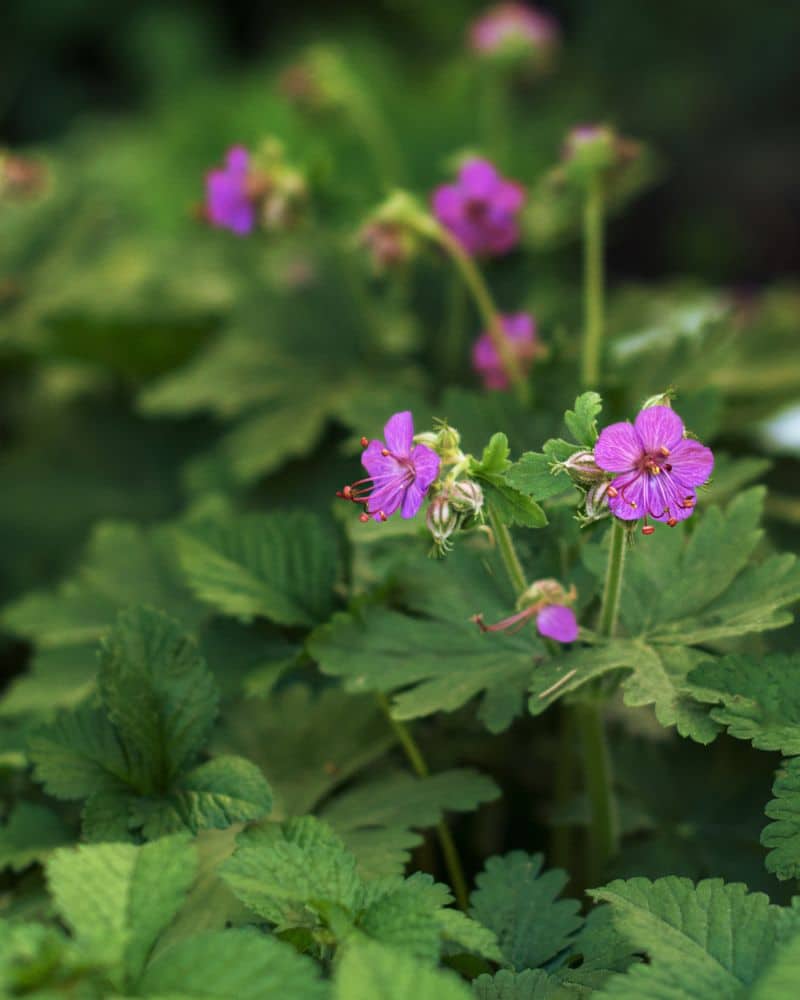
Wild Geranium is a delightful weed that adds a splash of pink to any natural landscape. With its charming flowers and slightly hairy leaves, this plant loves to grow in shady spots like woodlands and gardens. The flowers can be light pink to a more vibrant hue, making it a lovely addition to any wildflower garden.
Besides being pretty, Wild Geranium is known for its medicinal properties, particularly in treating skin irritations. How cool is that?
Popular Varieties
- Spotted Geranium: A native woodland plant with soft pink, five-petaled blooms and deeply lobed leaves—great for shady borders and naturalizing under trees. (Zones 3–8)
- Cranesbill Geranium: A clump-forming wild geranium with pink flowers and serrated foliage—reliable for low-maintenance gardens and pollinator support. (Zones 4–9)
- Herb Robert: A dainty pink-flowered wild geranium with reddish stems and a spreading habit—thrives in partial shade and rocky soils. (Zones 5–9)
- Sticky Geranium: A pink-flowered woodland geranium with fine hairs on its stems and leaves—suitable for lightly shaded native gardens. (Zones 3–7)
5. Pink Sorrel
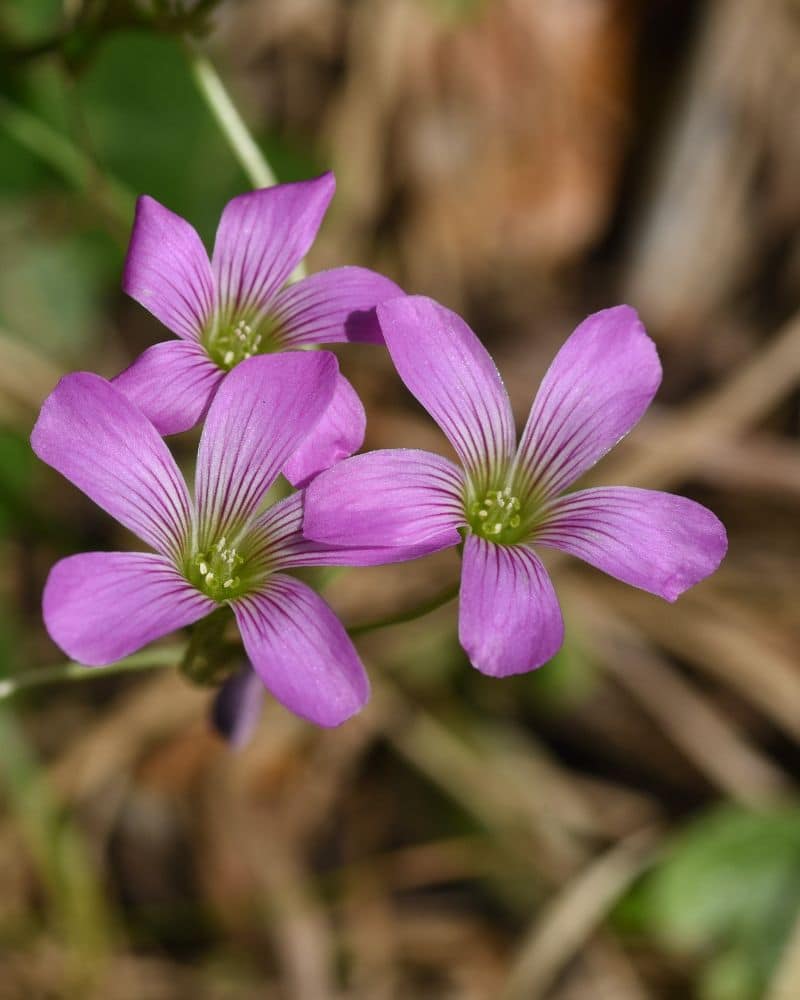
Pink Sorrel is a charming weed that’s hard to ignore, thanks to its unique pink flowers shaped like little cups. This plant typically grows in grassy areas and can spread quite quickly, making it a bit of a nuisance. However, its pretty blooms are a delightful sight in gardens and lawns.
The leaves are edible with a tangy flavor, perfect for salads or as a garnish. Plus, it’s a great source of Vitamin C!
Popular Varieties
- Pink Wood Sorrel: A delicate plant with clover-like leaves and bright pink, five-petaled flowers—thrives in part shade and spreads gently by rhizomes. (Zones 6–10)
- Pink Shamrock Sorrel: A charming pink-flowered sorrel with heart-shaped foliage—perfect for edging, containers, or underplanting shrubs. (Zones 7–10)
- Rose Oxalis: A sun-loving sorrel with clusters of deep pink blooms and a low-growing habit—excellent for rock gardens or naturalized lawns. (Zones 7–11)
6. Red Campion
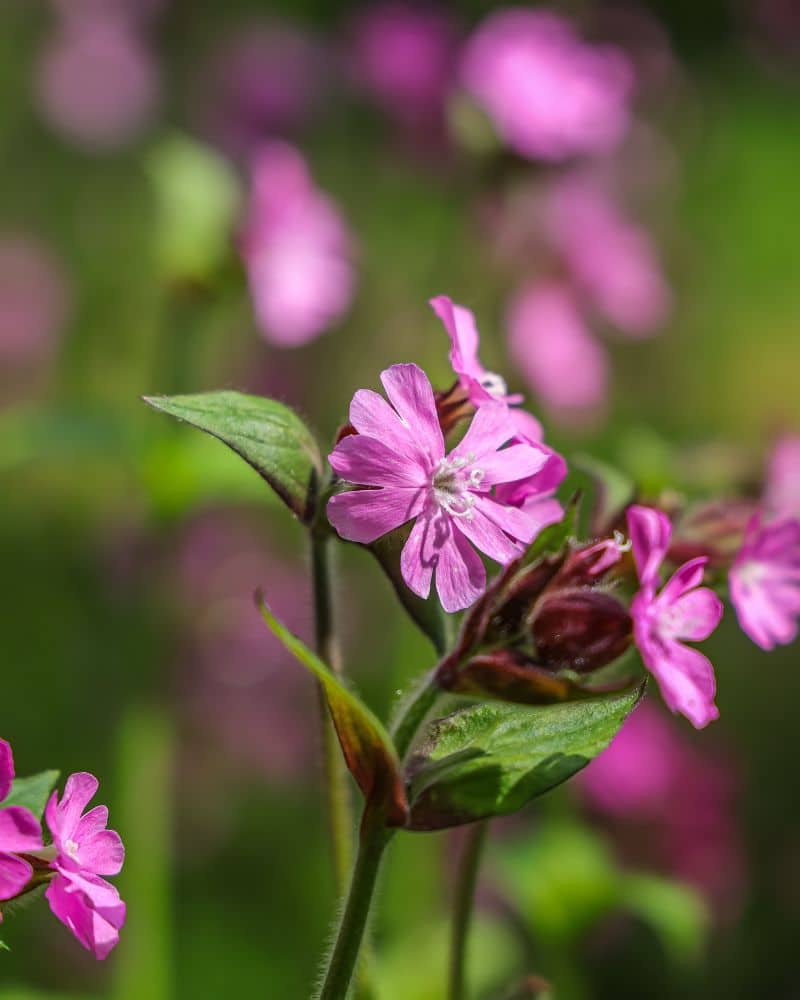
Red Campion is a fabulous weed that boasts soft, pink flowers with a feathery appearance. It often grows in woodlands, hedgerows, and even in gardens. The flowers bloom from late spring to early fall, providing a long-lasting burst of color.
This plant is not just beautiful; it’s also beneficial for pollinators. You’ll often find bees and butterflies visiting its blooms, making it a lovely addition to any eco-friendly garden!
Popular Varieties
- Silene Rosea: A bold pink-flowered campion with upright stems and notched petals—ideal for wildflower meadows and informal borders. (Zones 5–8)
- Clifford Moor Campion: A striking variety with deep pink blooms and variegated foliage—suitable for cottage gardens and mixed perennial beds. (Zones 5–9)
- Firefly Red Campion: A compact type with vivid pink flowers and a tidy growth habit—great for pollinator gardens and smaller spaces. (Zones 5–8)
7. Pink Evening Primrose
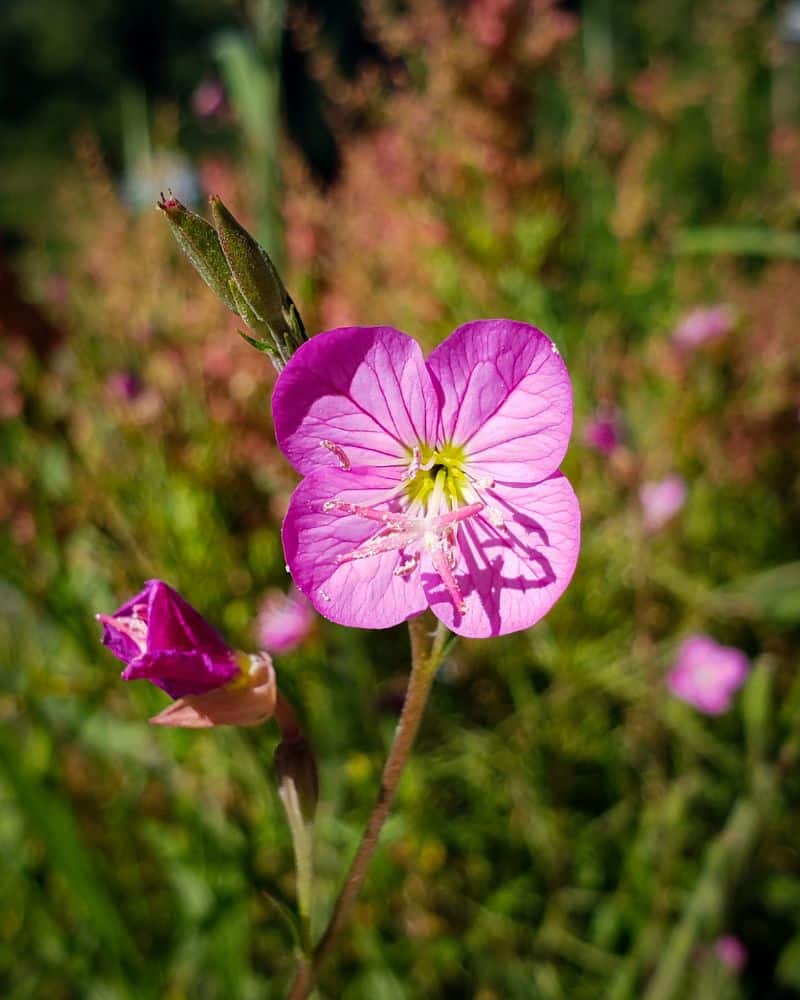
Pink Evening Primrose is a delightful sight as its blooms open in the evening and close by morning. This weed has tall stems topped with large, cup-shaped pink flowers that attract all sorts of nighttime pollinators. It’s commonly found in meadows and along roadsides, making it an easy-to-spot favorite.
This plant has a long history of use in traditional medicine, and its beautiful flowers are just a bonus. Plus, it can thrive in poor soil, making it low-maintenance!
Popular Varieties
- Showy Evening Primrose: A spreading perennial with satiny pink, cup-shaped blooms that open in the evening—ideal for naturalized beds and roadside plantings. (Zones 5–9)
- Mexican Evening Primrose: A vigorous pink-flowered ground cover that thrives in hot, dry spots—great for erosion control or massing in sunny areas. (Zones 5–9)
8. Pink Bellflower
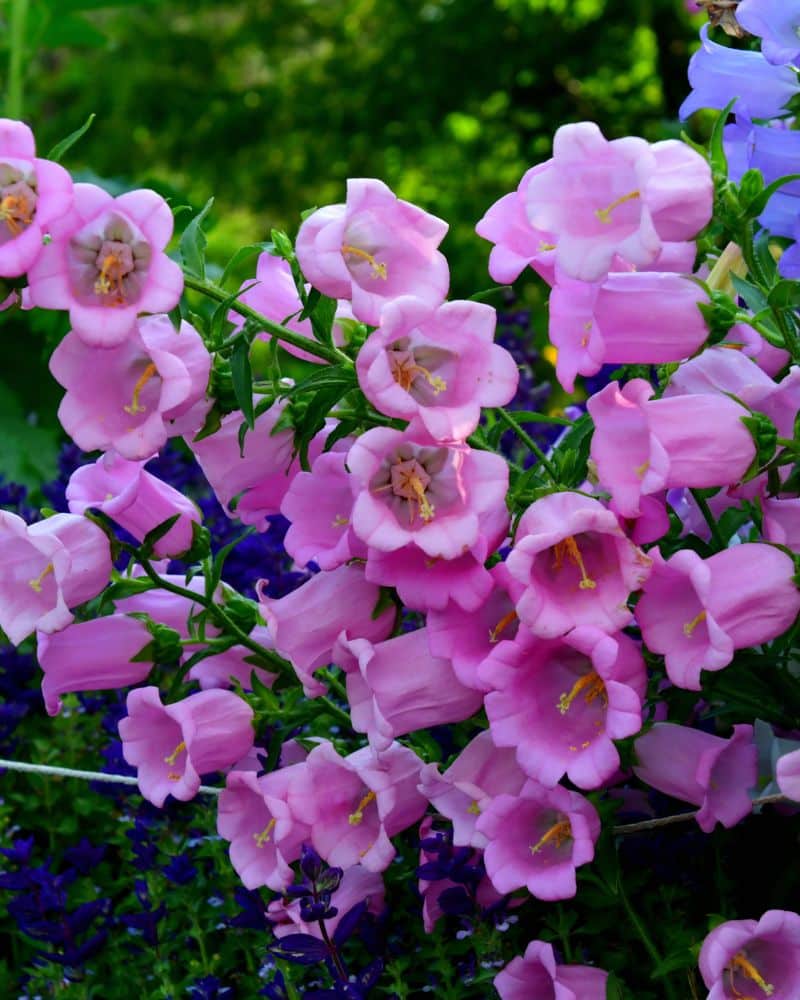
Pink Bellflower is a charming weed that can often be found in gardens and along pathways. The bell-shaped pink flowers hang delicately from tall stems, creating a lovely sight. They thrive in various conditions, making them easy to grow.
These plants are not just pretty; they’re also great for attracting bees and hummingbirds, adding to the biodiversity of your garden!
Popular Varieties
- Pink Octopus Bellflower: A unique bellflower with deeply split, tentacle-like pink blooms—great for adding texture and whimsy to garden borders. (Zones 4–9)
- Caroline Bellflower: A soft pink variety with upright stems and nodding, bell-shaped flowers—ideal for cottage gardens or mixed perennial beds. (Zones 5–9)
- Pink Chimes Bellflower: A compact, mounding plant with graceful pink bells that bloom in early summer—perfect for edging or containers. (Zones 4–8)
Popular Reads
9. Pink Knotweed
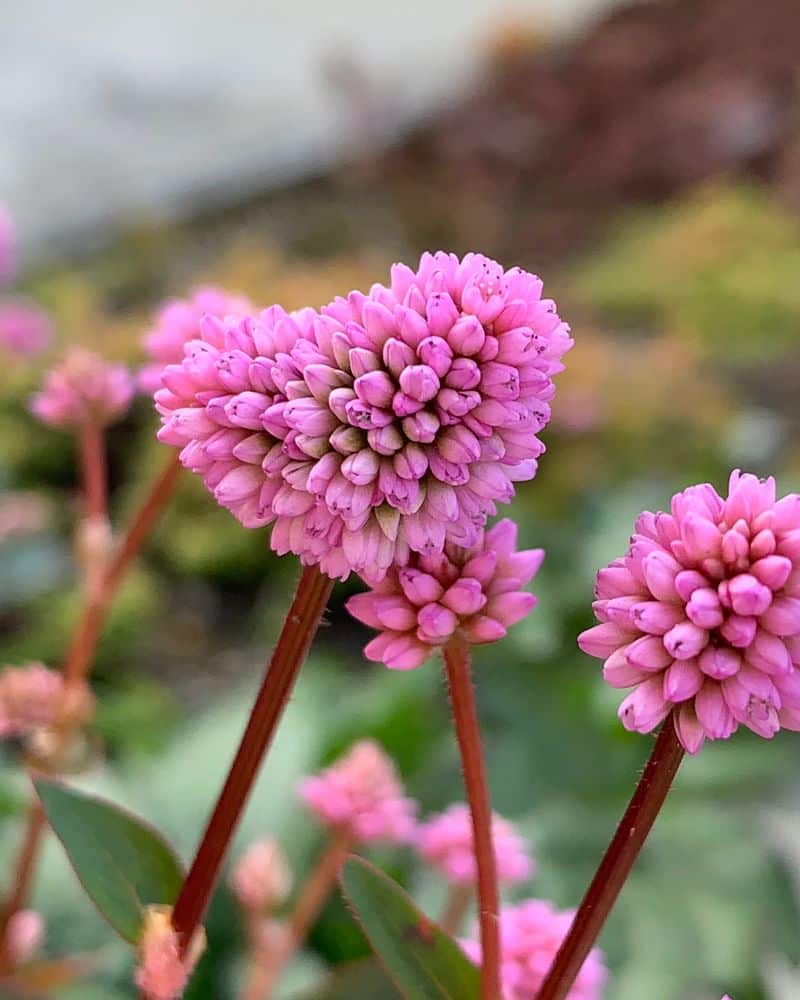
Pink Knotweed is a variant of the more commonly known knotweed, sporting beautiful pink flowers. It usually thrives in sunny spots and can often be found in disturbed areas, like roadsides. The flowers bloom in clusters, adding a cheerful touch to any landscape.
Though it’s considered a weed, its resilience and charm can make it a lovely addition to your garden if you manage its spread!
Popular Varieties
- Firetail Knotweed: A long-blooming variety with rich pink bottlebrush flowers and bold foliage—great for late-season color in mixed beds. (Zones 4–8)
- Superba Knotweed: A spreading perennial with arching stems and bright pink spires—useful for filling space in large borders or wild gardens. (Zones 3–8)
- Inverleith Knotweed: A tidy, clump-forming knotweed with pale pink blooms—well-suited to smaller gardens or contained perennial groupings. (Zones 5–9)
- Rosea Knotweed: A low-growing ground cover with rosy-pink flowers and red-tinted stems—ideal for erosion control or softening pathways. (Zones 4–9)
10. Pink Speedwell
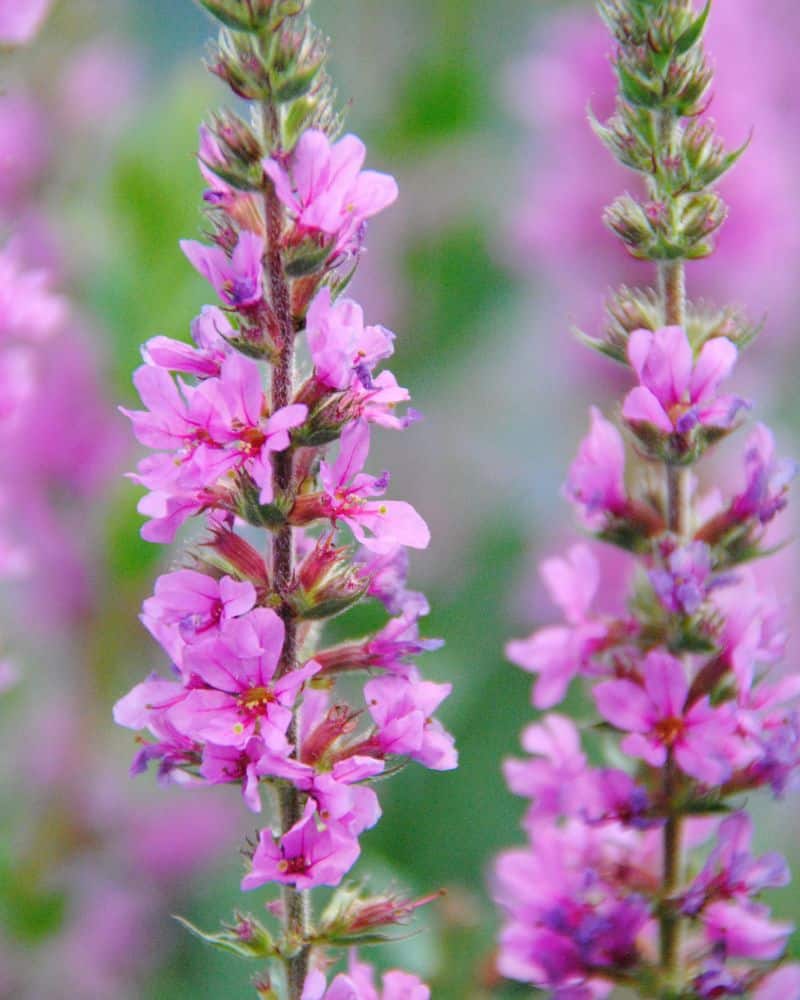
Pink Speedwell is a lesser-known weed with charming pink flowers that can brighten up your garden. This plant is typically low-growing and spreads quickly. You’ll usually find it in meadows and grassy areas, and it’s known for attracting pollinators.
Its flowers are not only pretty but also make it a good option for ground cover!
Popular Varieties
- Twilight Pink Speedwell: A compact, upright speedwell with soft pink flower spikes—perfect for borders, pollinator gardens, and small spaces. (Zones 4–8)
- Giles Van Hees Speedwell: A dwarf variety with bright pink blooms and a mounding habit—great for edging, rock gardens, or containers. (Zones 4–9)
- First Love Speedwell: A long-blooming speedwell with vivid pink flowers on slender stalks—ideal for summer color in sunny beds. (Zones 4–8)
- Pink Shades Speedwell: A low-growing type with clustered light pink flowers and tidy foliage—useful in front borders or along paths. (Zones 5–9)
- Sweet Lullaby Speedwell: A delicate pink-flowered variety with a compact form—blends well with pastels in cottage or formal gardens. (Zones 4–8)
11. Pink Daisy
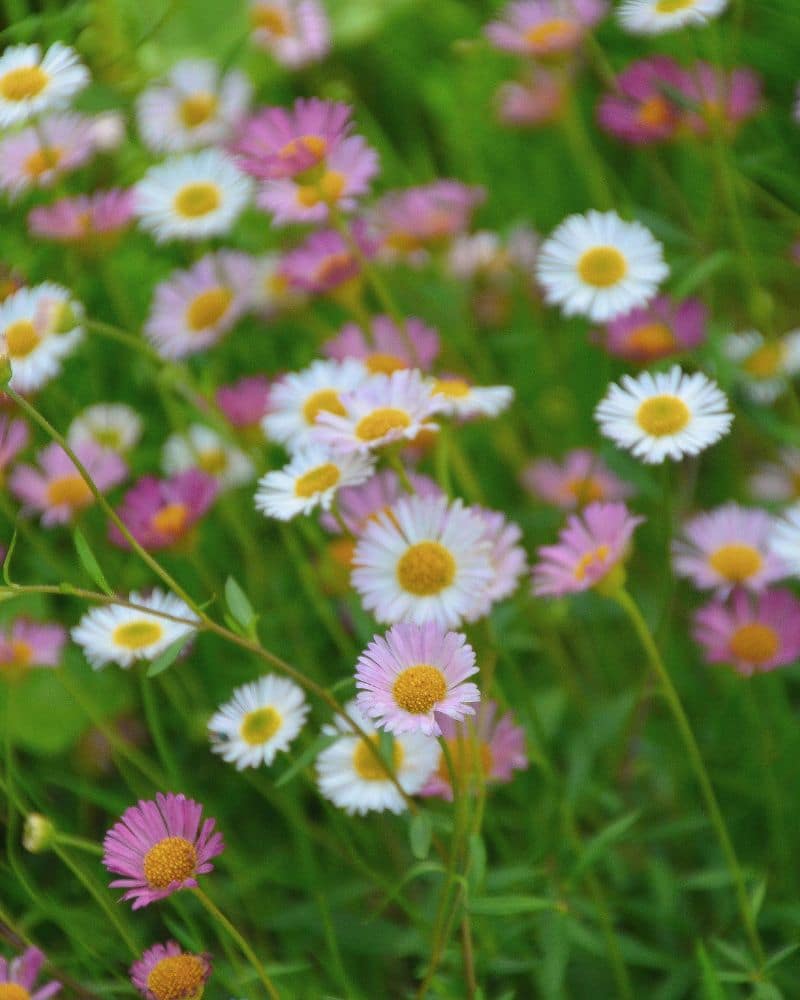
Some daisy varieties have beautiful pink flowers that can often be mistaken for weeds. These cheerful blooms can pop up in gardens and meadows, bringing a smile to anyone who spots them. They’re usually found in sunny locations and attract lots of pollinators.
While not all daisies are weeds, those with pink flowers can sometimes take over if not kept in check!
Popular Varieties
- Rosea Marguerite Daisy: A cheerful daisy with soft pink petals and a golden center—ideal for containers, borders, or cutting gardens. (Zones 9–11, grown as annual elsewhere)
- Robinson’s Pink Daisy: A hardy perennial with large, daisy-like pink blooms—great for cottage gardens and long-lasting summer color. (Zones 3–7)
- Dreamtime Pink Daisy: A compact variety with rounded pink blooms and dark centers—perfect for pots, edging, or sunny beds. (Zones 9–11, annual in cooler zones)
12. Pink Thistle
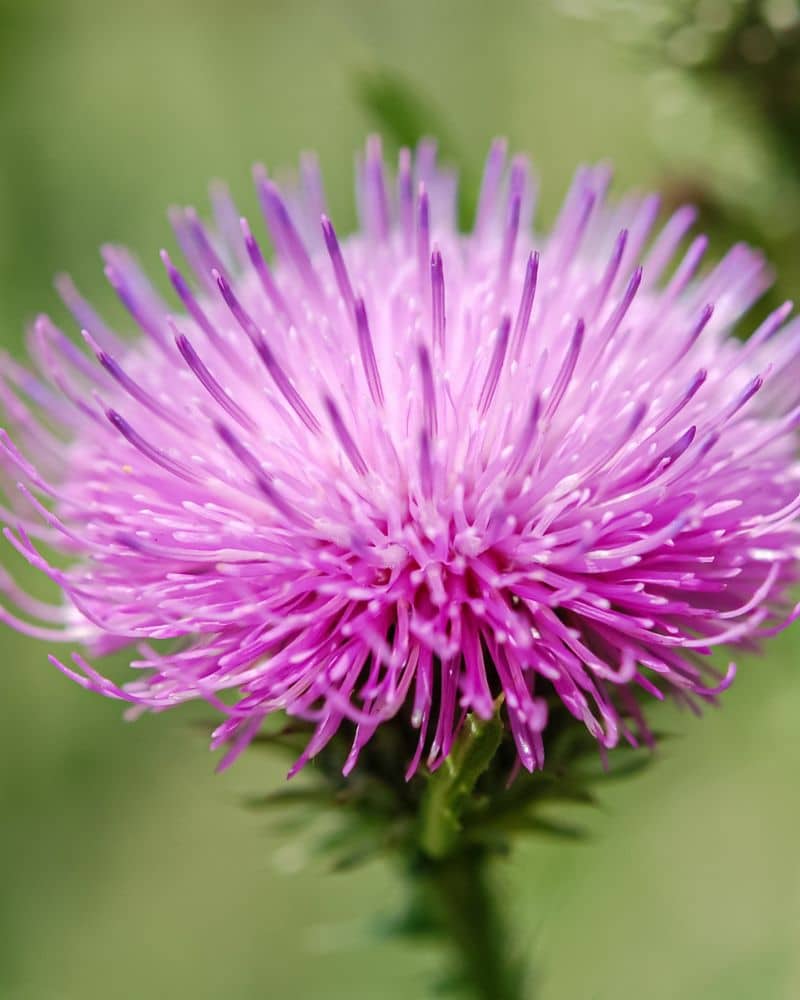
Pink Thistle is a showy weed that can take center stage with its bright pink flowers. Usually found in open fields and along roadsides, this plant can grow tall and is known for its prickly leaves. The flowers attract various pollinators, making it a beneficial addition to your garden.
Though it may be a bit invasive, its beauty can still be appreciated if managed well!
Popular Varieties
- Pasture Thistle: A native thistle with soft pink, globe-shaped flower heads and minimal spines—great for supporting bees and butterflies in open meadows. (Zones 3–7)
- Meadow Thistle: A slender-stemmed wildflower with light pink blooms and narrow leaves—ideal for damp prairies or naturalized pollinator gardens. (Zones 4–7)
- Tall Thistle: A towering variety with pale pink flower clusters and lightly prickled stems—useful for adding vertical interest in wildlife-friendly areas. (Zones 3–8)
- Wavyleaf Thistle: A pink-blooming native with silvery foliage and deeply lobed leaves—well suited for dry, sunny habitats and restoration sites. (Zones 4–9)
- Flodman’s Thistle: A hardy prairie thistle with bright pink flowers and compact size—good for supporting native insects without overwhelming smaller gardens. (Zones 3–6)
13. Pink Flax
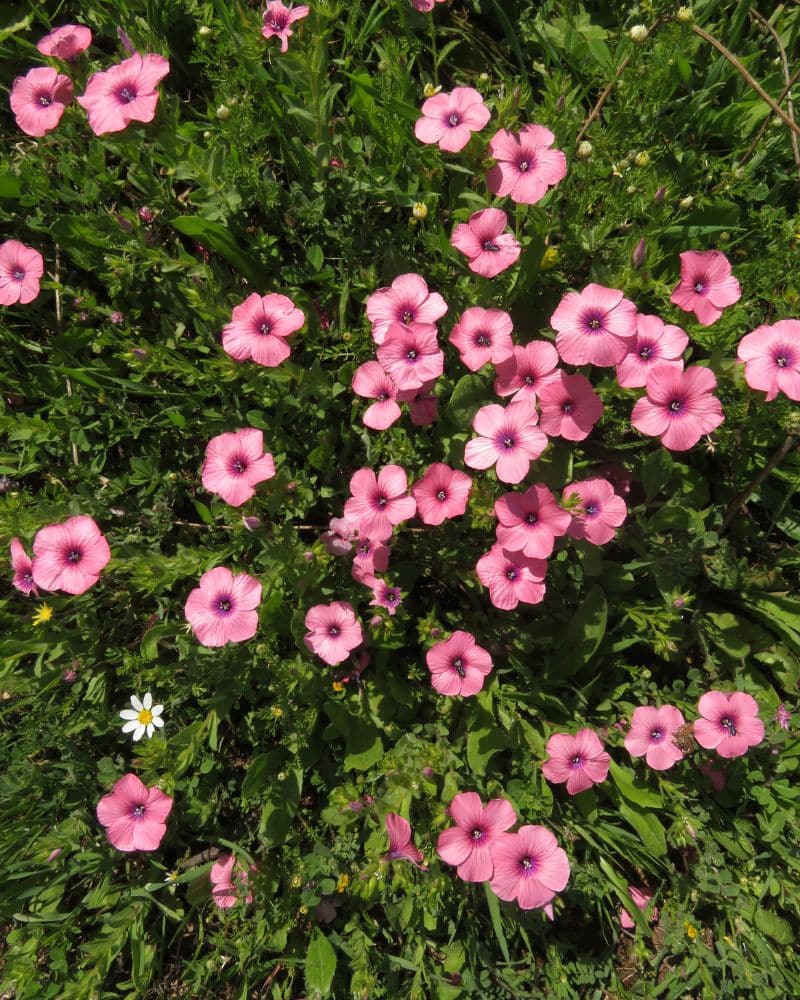
Pink Flax is a stunning weed that features delicate pink flowers atop slender stems. It’s often found in fields and meadows, thriving in sunny spots. The flowers are typically small but can have a big impact when grown in clusters.
This plant is not just pretty; it’s also known for its fibers, which have been used in textiles for centuries!
Popular Varieties
- Scarlet Flax ‘Rosea’: A delicate variety with soft pink, satiny petals and fine foliage—perfect for wildflower meadows and light, airy borders. (Zones 5–9)
- Appar Pink Flax: A drought-tolerant pink-flowered flax with slender stems and narrow leaves—ideal for erosion control or dry, open landscapes. (Zones 4–8)
- Rose Pink Prairie Flax: A native-inspired variety with blush-pink blooms and a long blooming season—great for pollinator strips and naturalistic plantings. (Zones 4–9)
14. Pink Vetch
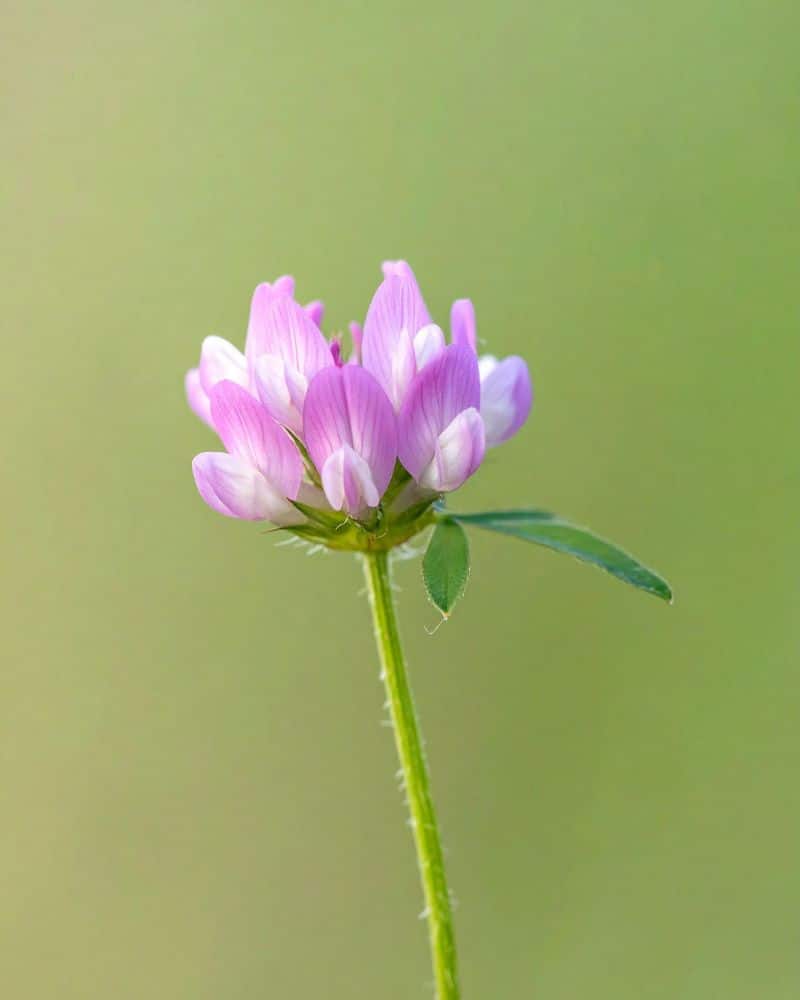
Pink Vetch is a twining weed that produces beautiful pink flowers, often seen in fields and disturbed areas. This plant is a nitrogen fixer, which means it can help enrich the soil for neighboring plants. The flowers are typically small but can create a lovely display when in bloom.
Though it can spread rapidly, its benefits for the soil and its charm make it a plant worth considering!
Popular Varieties
- Showy Vetch: A striking vetch with bright pink flower clusters and sprawling growth—suitable for pollinator meadows or nitrogen-fixing cover crops. (Zones 4–9)
- Pink Bitter Vetch: A compact, clump-forming vetch with rosy-pink blooms—works well in rock gardens or as a tidy filler in mixed borders. (Zones 4–8)
FAQs
Yes, they can be harmful because they often compete with your garden plants for nutrients, water, and sunlight. Some pink-flowered weeds spread aggressively and can choke out other vegetation. It’s best to identify and manage them early.
Yes, many of them do attract bees, butterflies, and other pollinators. While that sounds like a benefit, the downside is they might outcompete other pollinator-friendly plants in your garden. Balance is key when deciding what to keep.
Some weeds like Spotted Knapweed can be mildly toxic to livestock or irritate the skin. It’s best to wear gloves when handling unknown plants. Always research a plant if you’re unsure about its effects on people or animals.